
Linda Wagner-Martin
Author of Sylvia Plath: A Literary Life
About the Author
Linda Wagner-Martin is Frank Borden Hanes Professor of English and Comparative Literature emerita at the University of North Carolina-Chapel Hill in the United States. She has published over 75 books, including Hemingway's Wars: The Public and Private Battles and The Routledge Introduction to show more American Modernism. show less
Works by Linda Wagner-Martin
Barbara Kingsolver's The Poisonwood Bible: A Reader's Guide (Continuum Contemporaries) (2001) 32 copies
T.S. Eliot: A Collection of Criticism (Contemporary Studies in Literature) (1974) 11 copies, 1 review
A History of American Literature: 1950 to the Present (Wiley-Blackwell Histories of American Literature) (2013) 7 copies
The Routledge Introduction to American Modernism (Routledge Introductions to American Literature) (2016) 7 copies, 1 review
Toni Morrison and the Maternal: From The Bluest Eye to Home (Modern American Literature: New Approaches) (2014) 2 copies
Associated Works
The Heath Anthology of American Literature, Volume 1 (1990) — Contributor, some editions; Editor, some editions — 252 copies, 1 review
Various Atwoods: Essays on the Later Poems, Short Fiction and Novels (1995) — Contributor — 7 copies
Tagged
Common Knowledge
- Canonical name
- Wagner-Martin, Linda
- Other names
- Wagner, Linda Welshimer
- Birthdate
- 1936-08-18
- Gender
- female
- Education
- Bowling Green State University
- Occupations
- professor (English and Comparative Literature)
- Organizations
- University of North Carolina, Chapel Hill
- Awards and honors
- Guggenheim Fellowship
Hubbell Medal for lifetime achievement in American literature (2011) - Short biography
- Linda Wagner-Martin is Hanes Professor of English and Comparative Literature at The University of North Carolina at Chapel Hill, USA. She was the 2011 recipient of the Hubbell Medal for lifetime service in American literature (sponsored by the MLA), and has received the Guggenheim fellowship, the senior National Endowment for the Humanities fellowship, the Bunting Institute fellowship, and awards from the Rockefeller Foundation, the American Philosophical Association and others. She has published more than fifty-five books of criticism, some edited, including Sylvia Plath: A Biography (1987) and “Favored Strangers”: Gertrude Stein and Her Family (1995), as well as studies of Ernest Hemingway, Zelda Fitzgerald, Barbara Kingsolver, and others. Recent books are A History of American Literature from 1950 to the Present (2013) and Toni Morrison and the Maternal (2014).
- Nationality
- USA
- Map Location
- USA
Members
Reviews
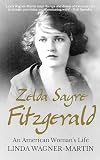
This was a depressing difficult book to read. Zelda was an athletic beautiful young woman, courted by many men, but F Scott Fitzgerald was determined he’d “own” this southern belle himself. He truly believed he owned not only her but all her ideas, what she could and couldn’t do with her life, etc. When she tried to exert some independence, particularly in ballet and writing, he blasted her! Her ballet was a waste and her ideas belonged to him. Eventually he broke her, from owning show more her and everything she did, having many affairs, and drinking so excessively no one could stand to be around him. So she was institutionalized—and he insisted on demanding the treatments she received—until her doctors, belatedly, realized he was her problem. But by then the electric shock treatment and his unrelenting beating her down had ruined her health. Frustratingly, at the beginning of the book, it felt like the author was being an armchair psychiatrist. But then her thorough research shone through. It was obvious how broken she was, from primary sources: letters between Scott/Zelda, Scott/doctors, and a lengthy transcription of a heartbreaking joint therapy session. Zelda loved Scott and wanted to obey and do his bidding, but she needed freedom—physically and emotionally. Highly recommended but it is a disturbing read. show less
Unlike some, and perhaps controversially, I think Zelda had a native mental illness independent of her husband's controlling behavior. Her illness manifested in her mid twenties which, for reasons not well understood, seems to be the time when schiziphrenia manifests.
One the side of this argument, after Scott's death, her condition did improve, but did not disappear. She still required intermittent psychiatric internments (if that's what you want to call them). Some would say, well, the show more damage was done from years of verbal, emotional, and scattered physical abuse, combined with a lingering depression that would likely trail a once- vibrant, beautiful woman, now aging and forced back into the suffocating hothouse of her childhood home. I guess I'm still not entirely convinced by that argument. If we want to point the fonger at a controlling male, let's start with Judge Sayre, the focus of a family cult whose frigidity, misogyny, racial intolerance, and just general a* hole behavior exceeded Scott's power to fully circumnavigate, although he try to convey its destructive impact through the figure of Devereux Warren in Tender is the Night.
However, it remains unclear whether she *did* suffer from schizophrenia or a severe form of bipolar disorder, the symptoms of which were explained away by her heavy drinking until she...basically stopped drinking. (She seemed to realize that alcohol was making her more unstable.) Her time at the ballet studio, however, while deemed excessive, probably is not unusual among dancers, and she *did* improve enough to receive a job offer, although it was a low paid offer, as many dance company salaries often are.
My own two cents, however, is that Scott did blame himself, at least in part, for her illness, and that may be why he broke himself financially to keep her at the most elite "sanitoriums. It was the best he could do. There was really no treatment, except the "talking therapy", still in its nascent stages and useless in cases like hers, and Lithium, which probably helped, but which has multiple side effects. I would add, he was broken himself. "There are no second acts in American lives. I've left my capacity for hoping on the little roads that led to Zelda's sanitarium, " he wrote.
When you read the accounts of their couples therapy, though, it's pretty damning. He told her that she had to do what he says...period. Typical Victorian mentality. He said *her* mental illness is his literary province, which would make anyone's jaw hit the floor. He declared that this was necessary because *he* is the professional writer and her illness needed to be framed, by him, in a manner his reading public could consume (e.g., exonerated him, most likely). Horrifying. When she askes if he wasn't appalled that she would rather be institionalized than live with him, a succint "no" was his response. He had an affair with a teenager. He refused to quit drinking for the sake of Zelda and his marriage, though urged by mutiple psychiatrists to do so. (Later, when mentally he deteriorated further and it affected his writing, he did dry out for long periods of time.) And so on and so on. I guess my point is that while he did contribute to her illness, for reasons stated above, he didn't cause it entirely. Their love story, celebrated in their time and genuine in its affection, is still legendary, I would argue. "It's complicated", they would post on Facebook. show less
One the side of this argument, after Scott's death, her condition did improve, but did not disappear. She still required intermittent psychiatric internments (if that's what you want to call them). Some would say, well, the show more damage was done from years of verbal, emotional, and scattered physical abuse, combined with a lingering depression that would likely trail a once- vibrant, beautiful woman, now aging and forced back into the suffocating hothouse of her childhood home. I guess I'm still not entirely convinced by that argument. If we want to point the fonger at a controlling male, let's start with Judge Sayre, the focus of a family cult whose frigidity, misogyny, racial intolerance, and just general a* hole behavior exceeded Scott's power to fully circumnavigate, although he try to convey its destructive impact through the figure of Devereux Warren in Tender is the Night.
However, it remains unclear whether she *did* suffer from schizophrenia or a severe form of bipolar disorder, the symptoms of which were explained away by her heavy drinking until she...basically stopped drinking. (She seemed to realize that alcohol was making her more unstable.) Her time at the ballet studio, however, while deemed excessive, probably is not unusual among dancers, and she *did* improve enough to receive a job offer, although it was a low paid offer, as many dance company salaries often are.
My own two cents, however, is that Scott did blame himself, at least in part, for her illness, and that may be why he broke himself financially to keep her at the most elite "sanitoriums. It was the best he could do. There was really no treatment, except the "talking therapy", still in its nascent stages and useless in cases like hers, and Lithium, which probably helped, but which has multiple side effects. I would add, he was broken himself. "There are no second acts in American lives. I've left my capacity for hoping on the little roads that led to Zelda's sanitarium, " he wrote.
When you read the accounts of their couples therapy, though, it's pretty damning. He told her that she had to do what he says...period. Typical Victorian mentality. He said *her* mental illness is his literary province, which would make anyone's jaw hit the floor. He declared that this was necessary because *he* is the professional writer and her illness needed to be framed, by him, in a manner his reading public could consume (e.g., exonerated him, most likely). Horrifying. When she askes if he wasn't appalled that she would rather be institionalized than live with him, a succint "no" was his response. He had an affair with a teenager. He refused to quit drinking for the sake of Zelda and his marriage, though urged by mutiple psychiatrists to do so. (Later, when mentally he deteriorated further and it affected his writing, he did dry out for long periods of time.) And so on and so on. I guess my point is that while he did contribute to her illness, for reasons stated above, he didn't cause it entirely. Their love story, celebrated in their time and genuine in its affection, is still legendary, I would argue. "It's complicated", they would post on Facebook. show less
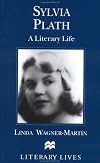
Having read so much drivel about Plath this year, I decided to turn back the clock a bit...
Linda Wagner Martin's Sylvia Plath: A Literary Life (Macmillan Press, 1999; 2nd. ed. rev. and expanded, 2003) is a gem. What struck me in 1999 when it first came out was the fact that it discussed unpublished materials, be they letters, poems, prose, or other. Discouraged by the number of mediocre books I've read recently about Plath (particularly poems about Plath), I thought I'd give a critical work show more a read, just to reestablish a connection with good writing about Plath. A good critic can convince the reader that their approach to the subject is the right way, despite any amount of knowledge one may possess about the said subject. Wagner-Martin does this. In the Preface, she states that Plath's life was "genuinely a literary life. There was no other aim for Sylvia Plath..." It is with this in mind that Wagner-Martin writes one of the best critical books on Plath.
The themes in Plath's poetry and prose that Wagner-Martin examines include "Plath's Hospital Writing", "Plath's Poems about Women", as well as "Recalling the Bell Jar" and "Lifting the Bell Jar", amongst others. Each chapter is clearly written and easy to read, full of wonderful, original analysis and shows the constant connections and a continual narrative, in Plath's body of work. Wagner-Martin draws much of her information and analysis from her own experience in working on Plath, as well as the working papers for her 1987 biography, and includes interview transcriptions and correspondence with Plath's friends and family members. It shows the value of good archival research, looking at drafts of poems and their deleted or otherwise unused lines and unfinished ideas.
Wagner-Martin writes, "We care about Sylvia Plath because of her poems, and her progress toward her last poems is one of modern literature's most exciting narratives." A finer way to express why we read Plath and why her poetry and prose matters cannot be stated. By examing Plath's earlier writing, and considering some of the writers she was reading, Wagner-Martin's claim that "Sylvia Plath trained all her life for her art" is easily supported.
The second, revised and expanded edition, published in 2003, includes a thirteenth chapter that looks particularly at Birthday Letters. Wagner-Martin explains that the first edition was already in production when Birthday Letters was published, making it impossible to add commentary about it at that time. While given just cursory criticism and examining just a few poems, the chapter takes a little bit away from the books focus: Plath's literary life. This is unintentional, especially given Wagner-Martin's criticism of Hughes having published the collection in a fashion that she feels usurps "the authority of Plath's narrative" and "literally [takes] the words out of Plath's mouth."
Wagner-Martin closes the second edition with what I consider to be a challenge to Plath's Estate and her readers. She says that, as a major poet, Plath "deserves to be swept along in a steady stream of appreciative criticism, scholarly accuracy and newly loyal readers." I couldn't agree more. Sylvia Plath: A Literary Life is a valuable contribution to Plath scholarship by an ardent scholar and admirer of the poet. show less
Linda Wagner Martin's Sylvia Plath: A Literary Life (Macmillan Press, 1999; 2nd. ed. rev. and expanded, 2003) is a gem. What struck me in 1999 when it first came out was the fact that it discussed unpublished materials, be they letters, poems, prose, or other. Discouraged by the number of mediocre books I've read recently about Plath (particularly poems about Plath), I thought I'd give a critical work show more a read, just to reestablish a connection with good writing about Plath. A good critic can convince the reader that their approach to the subject is the right way, despite any amount of knowledge one may possess about the said subject. Wagner-Martin does this. In the Preface, she states that Plath's life was "genuinely a literary life. There was no other aim for Sylvia Plath..." It is with this in mind that Wagner-Martin writes one of the best critical books on Plath.
The themes in Plath's poetry and prose that Wagner-Martin examines include "Plath's Hospital Writing", "Plath's Poems about Women", as well as "Recalling the Bell Jar" and "Lifting the Bell Jar", amongst others. Each chapter is clearly written and easy to read, full of wonderful, original analysis and shows the constant connections and a continual narrative, in Plath's body of work. Wagner-Martin draws much of her information and analysis from her own experience in working on Plath, as well as the working papers for her 1987 biography, and includes interview transcriptions and correspondence with Plath's friends and family members. It shows the value of good archival research, looking at drafts of poems and their deleted or otherwise unused lines and unfinished ideas.
Wagner-Martin writes, "We care about Sylvia Plath because of her poems, and her progress toward her last poems is one of modern literature's most exciting narratives." A finer way to express why we read Plath and why her poetry and prose matters cannot be stated. By examing Plath's earlier writing, and considering some of the writers she was reading, Wagner-Martin's claim that "Sylvia Plath trained all her life for her art" is easily supported.
The second, revised and expanded edition, published in 2003, includes a thirteenth chapter that looks particularly at Birthday Letters. Wagner-Martin explains that the first edition was already in production when Birthday Letters was published, making it impossible to add commentary about it at that time. While given just cursory criticism and examining just a few poems, the chapter takes a little bit away from the books focus: Plath's literary life. This is unintentional, especially given Wagner-Martin's criticism of Hughes having published the collection in a fashion that she feels usurps "the authority of Plath's narrative" and "literally [takes] the words out of Plath's mouth."
Wagner-Martin closes the second edition with what I consider to be a challenge to Plath's Estate and her readers. She says that, as a major poet, Plath "deserves to be swept along in a steady stream of appreciative criticism, scholarly accuracy and newly loyal readers." I couldn't agree more. Sylvia Plath: A Literary Life is a valuable contribution to Plath scholarship by an ardent scholar and admirer of the poet. show less

Broad sweep in selection of essays, careful consideration of detail within a given essay. Addresses verse and stageplays, Eliot's style of language, assessment of Eliot's place in letters, and some biographical detail. Overall provides interpretations to weigh, and accept or reject the offered interpretation. For all the different contributors, the tone is uniform in its equanimity. In this, the collection is like Eliot's own writing.
M.L. Rosenthal's essay on The Waste Land reveals its show more origins as montage: comprised of sections sometimes published separately, and many eventually edited out or even worked into "The Hollow Men". Rosenthal argues the structure differs from other of Eliot's poetry in that it is formally open, and not so carefully designed as the Quartets, a result of Eliot's deliberate vision and not a lesser achievement.
D.R. Schwarz's essay on "Gerontion" is fascinating, and helpful in making sense of the poem, arguing Eliot deliberately emulates the tradition of a meditation poem but to illustrate a failed attempt at meditation.
W.T Moynihan's essay on Four Quartets provides an analysis of the structure, noting how each Quartet follows a similar outline internally, while also contributing to the overall argument of the complete work. Man's Time contrasted with God's Time.
Each essay is instructive. A fine introduction, worth owning.
//
TOC in comments. show less
M.L. Rosenthal's essay on The Waste Land reveals its show more origins as montage: comprised of sections sometimes published separately, and many eventually edited out or even worked into "The Hollow Men". Rosenthal argues the structure differs from other of Eliot's poetry in that it is formally open, and not so carefully designed as the Quartets, a result of Eliot's deliberate vision and not a lesser achievement.
D.R. Schwarz's essay on "Gerontion" is fascinating, and helpful in making sense of the poem, arguing Eliot deliberately emulates the tradition of a meditation poem but to illustrate a failed attempt at meditation.
W.T Moynihan's essay on Four Quartets provides an analysis of the structure, noting how each Quartet follows a similar outline internally, while also contributing to the overall argument of the complete work. Man's Time contrasted with God's Time.
Each essay is instructive. A fine introduction, worth owning.
//
TOC in comments. show less
You May Also Like


Associated Authors
Statistics
- Works
- 53
- Also by
- 7
- Members
- 868
- Popularity
- #29,486
- Rating
- 3.6
- Reviews
- 10
- ISBNs
- 161
- Languages
- 4