
Elizabeth Ann Scarborough
Author of Powers That Be
About the Author
Elizabeth Ann Scarborough was born March 23, 1947. She won a Nebula Award in 1989 for her novel The Healer's War. She has written numerous books with Anne McCaffrey including The Twins of Petaybee series and the Acorna series. (Bowker Author Biography)
Image credit: Uncredited image found at Gypsy Shadow Publishing website.
Series
Works by Elizabeth Ann Scarborough
THE PETAYBEE SEQUENCE: Book (1) One: Powers that Be; Book (2) Two: Power Lines; Book (3) Three: Power Play (2002) 158 copies, 1 review
The Attack of the Avenging Virgins 2 copies
The Godmother Series; The Godmother, The Godmother's Apprentice, The Godmother's Web (Set of 3) 2 copies
Karaoke Christmas [Short Story] 2 copies
The Dragon Of Tollin 2 copies
Candy's Wonder Cure 1 copy
The Gypsies' Curse 1 copy
Bastet's Blessing 1 copy
The Queen's Cat's Tale 1 copy
Twins of Petaybe 03 - Deluge 1 copy
Bronwyn's Bane 1 copy
The Tour Bus of Doom, Spam and the Zombie Apocalyps-o (Spam the Cat Purranormal Mysteries) (2012) 1 copy
Wishcraft.com [short story] 1 copy
Associated Works
Don't Forget Your Spacesuit, Dear: The Mother of All Anthologies (1996) — Contributor — 229 copies, 5 reviews
In the Shadow of the Wall: An Anthology of Vietnam Stories That Might Have Been (2002) — Contributor — 6 copies
Tagged
Common Knowledge
- Canonical name
- Scarborough, Elizabeth Ann
- Birthdate
- 1947-03-23
- Gender
- female
- Education
- Bethany Hospital School of Nursing (RN|1968)
University of Alaska (BA|1987) - Occupations
- nurse
science fiction writer - Organizations
- Science Fiction and Fantasy Writers of America
United States Army (Vietnam) - Nationality
- USA
- Birthplace
- Kansas City, Kansas, USA
- Places of residence
- Fairbanks, Alaska, USA
Port Townsend, Washington, USA - Associated Place (for map)
- USA
Members
Reviews
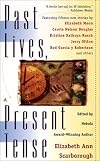
[Past Lives, Present Tense] is an interesting conceit. It's a what if scenario--what if historical figures could be brought into the present day, uploaded into a modern person's mind through some mystical DNA extraction process mated with the staring eyeballs technique in [A Clockwork Orange] to bring the personality, memories, and maybe even talents of someone famous to someone excessively rich. Editor Elizabeth Ann Scarborough wrote the origin story that kicks off the collection and show more introduces the two characters who show up throughout the rest of the stories because they're the access point to this highly secret and expensive procedure that they presented to the 0.01% who could afford it without any pesky government regulations or ethical considerations getting in the way. In fact, they make a big point of emphasizing grave robbing, museum looting, government corruption, etc. to get the necessary DNA samples to process.
Each author picks someone from history then writes a story explaining who and why they get uploaded into the present (well, 1999, when this collection was published) and the consequences that ensue. I recognized only four of the authors as being relatively big names back in the day, though another couple sound vaguely familiar. Their author creds at the end are arranged in the order of their stories; several of them have published franchise novels of one sort or another, or coauthored within established series by bigger name authors, and covering a range of genres: speculative, mystery, romance, historical.
Here's the list of authors, stories, and historical personages bought by:
1. Elizabeth Ann Scarborough, "Soul Mates" - Sir Walter Scott
2. Lillian Stewart Carl, "A Rose with All Its Thorns" - Anne Boleyn
3. Elizabeth Moon, "Silver Lining" - George Silver
4. Margaret Ball, "Shell Game" - Jesus Christ
5. Jerry Oltian, "Renaissance Man" - Leonardo da Vinci
6. Thomas W. Knowles, "Luck of the Draw" - Doc Holliday
7. Sharon Newman, "Divine Guidance" _ Saint Elspeth (actually, I suspect this one is fictional)
8. Janet Berliner, "Eye of the Day" - Mata Hari
9. Nina Kiriki Hoffman, "Voyage of Discover" - Meriwether Lewis
10. Kristine Kathryn Rusch, "Relics" - Jesus Christ again
11. Carole Nelson Douglas, "Night Owl" - Florence Nightengale
12. Gary A. Braunbeck, "Who Am a Passer By" - Edgar Allen Poe
13. Rod Garcia y Robertson, "Forever Free" - JEB Stuart
14. Sandy Schofield, "Stepping Up to the Plate" - Babe Ruth
15. David Bischoff, "Sittin' on the Dock" Otis Redding
I was prepared to like the book. Certainly the cover description intrigued me enough to pick it up. But no. It was all stereotypes. All the stereotypes. Inscrutable, zenlike oriental, momma's boy wanting to please her during her last days, man-hating humorless feminazi who discovers her sensual feminine side, misogynistic racist asshole who resents his "inferiors" beating him in his chosen hobbies, backwater imaginary African nation whose leader has large Swiss bank accounts and is at risk of backsliding into tribal warfare, nerdy brilliant virgin inventor who doesn't know how to people especially with girls, Texas man forever trying to live up to the toxic masculinity expectations of his deceased father in all the testosterone-fueled activities, corrupt manager trying to refurbish his golden goose star, Caribbean voodoo curse, overbearing controlling mother who wants a living doll, rich and powerful man looking for a convenient puppet and working class orphan wanting only to be accepted, the horrors of autism!!!, more men with mommy issues and rich people wanting the personality equivalent of a food taster, star-crossed lovers reunited plus Lost Cause nostalgia and a terrible misuse of the Emancipation Proclamation, another nerdy man who doesn't know how to live, and the white man taking cultural appropriation to a whole new level and then essentially experiencing spiritual conversion. Yikes.
Admittedly, this book was published during the Clinton years, the period of neoliberal capitalism run amok, and it shows. The 0.01% characters who buy this unique personality transplant are self-made millionaires or have inherited wealth and lead empty lives. The ambience really reflects the conspicuous consumption reflective of the 1990s economic boom. But reading this in 2021, when income and wealth inequalities meet or exceed those the 1920s Gilded Age and we are seeing the consequences of this as the pandemic plays out around the world and labor strikes are on the rise, it feels inappropriate at best and seriously out of sync. Who cares about the psychological woes of the uber-privileged? Wah wah. And worse is the contrast with the lower class marginalized characters acting as guinea pigs or objects of redemption. Admittedly, we know a lot more about the autism spectrum than we did back in 1999, but still, that particular story rankled--Autism Speaks could certainly use it in its marketing of how autism destroys lives and needs to be cured. It's got tiny science fiction touches, such as cold fusion, the prevalence of androids in entertainment spectacles, and other little details that don't really add much or change the feel of the era. It's also got very dated details like tape recordings and some pop culture references. Definitely not a keeper. show less
Each author picks someone from history then writes a story explaining who and why they get uploaded into the present (well, 1999, when this collection was published) and the consequences that ensue. I recognized only four of the authors as being relatively big names back in the day, though another couple sound vaguely familiar. Their author creds at the end are arranged in the order of their stories; several of them have published franchise novels of one sort or another, or coauthored within established series by bigger name authors, and covering a range of genres: speculative, mystery, romance, historical.
Here's the list of authors, stories, and historical personages bought by:
1. Elizabeth Ann Scarborough, "Soul Mates" - Sir Walter Scott
2. Lillian Stewart Carl, "A Rose with All Its Thorns" - Anne Boleyn
3. Elizabeth Moon, "Silver Lining" - George Silver
4. Margaret Ball, "Shell Game" - Jesus Christ
5. Jerry Oltian, "Renaissance Man" - Leonardo da Vinci
6. Thomas W. Knowles, "Luck of the Draw" - Doc Holliday
7. Sharon Newman, "Divine Guidance" _ Saint Elspeth (actually, I suspect this one is fictional)
8. Janet Berliner, "Eye of the Day" - Mata Hari
9. Nina Kiriki Hoffman, "Voyage of Discover" - Meriwether Lewis
10. Kristine Kathryn Rusch, "Relics" - Jesus Christ again
11. Carole Nelson Douglas, "Night Owl" - Florence Nightengale
12. Gary A. Braunbeck, "Who Am a Passer By" - Edgar Allen Poe
13. Rod Garcia y Robertson, "Forever Free" - JEB Stuart
14. Sandy Schofield, "Stepping Up to the Plate" - Babe Ruth
15. David Bischoff, "Sittin' on the Dock" Otis Redding
I was prepared to like the book. Certainly the cover description intrigued me enough to pick it up. But no. It was all stereotypes. All the stereotypes. Inscrutable, zenlike oriental, momma's boy wanting to please her during her last days, man-hating humorless feminazi who discovers her sensual feminine side, misogynistic racist asshole who resents his "inferiors" beating him in his chosen hobbies, backwater imaginary African nation whose leader has large Swiss bank accounts and is at risk of backsliding into tribal warfare, nerdy brilliant virgin inventor who doesn't know how to people especially with girls, Texas man forever trying to live up to the toxic masculinity expectations of his deceased father in all the testosterone-fueled activities, corrupt manager trying to refurbish his golden goose star, Caribbean voodoo curse, overbearing controlling mother who wants a living doll, rich and powerful man looking for a convenient puppet and working class orphan wanting only to be accepted, the horrors of autism!!!, more men with mommy issues and rich people wanting the personality equivalent of a food taster, star-crossed lovers reunited plus Lost Cause nostalgia and a terrible misuse of the Emancipation Proclamation, another nerdy man who doesn't know how to live, and the white man taking cultural appropriation to a whole new level and then essentially experiencing spiritual conversion. Yikes.
Admittedly, this book was published during the Clinton years, the period of neoliberal capitalism run amok, and it shows. The 0.01% characters who buy this unique personality transplant are self-made millionaires or have inherited wealth and lead empty lives. The ambience really reflects the conspicuous consumption reflective of the 1990s economic boom. But reading this in 2021, when income and wealth inequalities meet or exceed those the 1920s Gilded Age and we are seeing the consequences of this as the pandemic plays out around the world and labor strikes are on the rise, it feels inappropriate at best and seriously out of sync. Who cares about the psychological woes of the uber-privileged? Wah wah. And worse is the contrast with the lower class marginalized characters acting as guinea pigs or objects of redemption. Admittedly, we know a lot more about the autism spectrum than we did back in 1999, but still, that particular story rankled--Autism Speaks could certainly use it in its marketing of how autism destroys lives and needs to be cured. It's got tiny science fiction touches, such as cold fusion, the prevalence of androids in entertainment spectacles, and other little details that don't really add much or change the feel of the era. It's also got very dated details like tape recordings and some pop culture references. Definitely not a keeper. show less
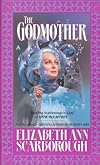
This felt a little like Charles de Lint in its exploration of extreme misery and child abuse overlaid with magical assistance. One thing I will say for de Lint, though, is that at least he never rubbed my face in a toddler's point-of-view scene of child rape. Thank you for that. I'm not marking that as a spoiler, because a) it was almost inevitable and b) everyone should know about that going in. I wish I had. I probably wouldn't have read it if I'd known. There unfortunately is no such show more actual thing as brain bleach.
Godmothers, originally fairy and now mostly humans with benefits, respond to wishes and selflessness and get involved with the unfortunate. Not all the unfortunate, of course, or even one percent. And sometimes the assistance backfires. Or is completely inept.
There are elements to probably a dozen or more fairy tales and folk tales – Hansel and Gretel, Cinderella, Snow White, Red Riding Hood, Puss in Boots, Bluebeard, and so on, with one venture into Vietnamese mythology – and they are, mostly, well integrated and nicely used; the Snow White storyline didn't make me roll my eyes once, although the Cinderella thread ended with more of a whimper than a bang. I could admire the weaving in of the stories … except for the bloody talking cat. I could not reconcile a talking cat, inherently comical, with the tone and message of the book.
In the end, the book adopts an appropriately fairy tale pretty-darn-near-happily-ever-after stance… but that, in truth, makes it a terribly sad ending. Very few of the problems are fixed – the child who was molested, for one, will never be what she might have been, and neither will her brother, and that could have and should have been prevented; the Cinderella stand-in is worse off than she was in the beginning, and the plotline did her horse no favors at all. And, on a larger scale, the dismal plot devices of poverty and violence and drugs and abuse and murder are all too real – they are present in every city (or any other gathering of human beings). There are no fairy godmothers – or if they do exist they have rigorously avoided me all my life. And while most bureaucracies are not – I don't think – quite as bad as the one depicted here as far as ill intent, they're anything but perfect, and always overwhelmed. And there isn't anyone to swan in on a cloud of rainbows and glitter to try, even ineptly, to make it any better. The final pages in particular are larded with the sort of humor heard in morgues and police stations, and … sorry, I'm not a cop or a coroner, and not so dulled to the horrors that the humor seems in any way appropriate. A child was raped; another was almost murdered three times; another was homeless and fighting for his life. Don't expect me to giggle a few pages later over a pissed-off toad.
It's one of those books that I read willingly while it was in my hand, but did not pick up eagerly; I thought about tracking down the sequels, but it's also one of those books that do not improve with being looked back on: the more thought I give it the more it irritates me and the less I want to continue in this world. So … while the writing was technically good, and the idea was … interesting, I can't say this was a successful book. It's urban fantasy, certainly, and fits best under that description, but while the representation of urban Washington State/Puget Sound area was vivid, I've seen many better urban fantasies. Despite many of the trappings, it can't qualify as escapist fantasy; there is no escape to be found here. But it's also hard to swallow as a message book (in part due to that damn cat). I'm not sure what, in the end, the point of the book was, if there was one; the moral of the story is, I suppose, to be kind to each other and not wait for magic to step in.
Problem is, no one is really listening. show less
Godmothers, originally fairy and now mostly humans with benefits, respond to wishes and selflessness and get involved with the unfortunate. Not all the unfortunate, of course, or even one percent. And sometimes the assistance backfires. Or is completely inept.
There are elements to probably a dozen or more fairy tales and folk tales – Hansel and Gretel, Cinderella, Snow White, Red Riding Hood, Puss in Boots, Bluebeard, and so on, with one venture into Vietnamese mythology – and they are, mostly, well integrated and nicely used; the Snow White storyline didn't make me roll my eyes once, although the Cinderella thread ended with more of a whimper than a bang. I could admire the weaving in of the stories … except for the bloody talking cat. I could not reconcile a talking cat, inherently comical, with the tone and message of the book.
In the end, the book adopts an appropriately fairy tale pretty-darn-near-happily-ever-after stance… but that, in truth, makes it a terribly sad ending. Very few of the problems are fixed – the child who was molested, for one, will never be what she might have been, and neither will her brother, and that could have and should have been prevented; the Cinderella stand-in is worse off than she was in the beginning, and the plotline did her horse no favors at all. And, on a larger scale, the dismal plot devices of poverty and violence and drugs and abuse and murder are all too real – they are present in every city (or any other gathering of human beings). There are no fairy godmothers – or if they do exist they have rigorously avoided me all my life. And while most bureaucracies are not – I don't think – quite as bad as the one depicted here as far as ill intent, they're anything but perfect, and always overwhelmed. And there isn't anyone to swan in on a cloud of rainbows and glitter to try, even ineptly, to make it any better. The final pages in particular are larded with the sort of humor heard in morgues and police stations, and … sorry, I'm not a cop or a coroner, and not so dulled to the horrors that the humor seems in any way appropriate. A child was raped; another was almost murdered three times; another was homeless and fighting for his life. Don't expect me to giggle a few pages later over a pissed-off toad.
It's one of those books that I read willingly while it was in my hand, but did not pick up eagerly; I thought about tracking down the sequels, but it's also one of those books that do not improve with being looked back on: the more thought I give it the more it irritates me and the less I want to continue in this world. So … while the writing was technically good, and the idea was … interesting, I can't say this was a successful book. It's urban fantasy, certainly, and fits best under that description, but while the representation of urban Washington State/Puget Sound area was vivid, I've seen many better urban fantasies. Despite many of the trappings, it can't qualify as escapist fantasy; there is no escape to be found here. But it's also hard to swallow as a message book (in part due to that damn cat). I'm not sure what, in the end, the point of the book was, if there was one; the moral of the story is, I suppose, to be kind to each other and not wait for magic to step in.
Problem is, no one is really listening. show less

I'm giving this book a solid 4 stars. It is strongly geared towards survivors of the Vietnam War, both those who fought in it and, in my case, those who grew up seeing images of the soldiers and war dead. Which is why it has been on my shelves for so long: this war is one I have never been able to read or study. The images I saw as a child were that traumatic.
And the author seems to have written this book as a way to purge her own memories and tell the tales of the patients she served. The show more first part details Kitty's work on the wards as a nurse during the Vietnam War, not knowing what would happen ultimately, but being in the thick of things after the My Lai massacre. Her patients are both American GI's and Vietnamese wounded.
I applaud Scarborough for giving the stories of her Vietnamese war wounded. And my heart aches for what they went through, both as patients and after a less generous hospital commander comes on board. Scarborough writes with great feeling about the heat, the casual sexism, her thoughts about life stateside and what brought her to the battlefield, and life on base. We get a glimpse into what life as a war nurse was all about.
Kitty, her narrator, falls for a helicopter pilot and their time together has its coming together and breaking apart. But finally, when the new commander orders all of the Vietnamese wounded to go to the less sanitary and less safe Vietnamese hospitals, and what happens is what one would expect. My heart broke.
Yet she seeks assistance with her helicopter pilot to bring one young boy, who has been a less than model patient, to another base where he might be able to heal from his partial leg amputation. As she plans this, a healer among her Vietnamese patients gives her his amulet and she finds that her senses are sharpened and her gifts as a healer amplified.
The second half of the book involves Kitty, her young patient Ahn, and an American GI, William, whose aura she now sees with its various colors thanks to her amulet, as they travel through the jungles looking for Ahn's village. Or any village where he might be able to grow to adulthood and they, as the Americans, would be relatively safe.
It's dark, it's painful to read, and it's not until now that I've been able to get more than a few pages in because of the subject matter. This book is about the scars that war leaves on those who fight a war in their own country and in another's for less than ethical reasons. show less
And the author seems to have written this book as a way to purge her own memories and tell the tales of the patients she served. The show more first part details Kitty's work on the wards as a nurse during the Vietnam War, not knowing what would happen ultimately, but being in the thick of things after the My Lai massacre. Her patients are both American GI's and Vietnamese wounded.
I applaud Scarborough for giving the stories of her Vietnamese war wounded. And my heart aches for what they went through, both as patients and after a less generous hospital commander comes on board. Scarborough writes with great feeling about the heat, the casual sexism, her thoughts about life stateside and what brought her to the battlefield, and life on base. We get a glimpse into what life as a war nurse was all about.
Kitty, her narrator, falls for a helicopter pilot and their time together has its coming together and breaking apart. But finally, when the new commander orders all of the Vietnamese wounded to go to the less sanitary and less safe Vietnamese hospitals, and what happens is what one would expect. My heart broke.
Yet she seeks assistance with her helicopter pilot to bring one young boy, who has been a less than model patient, to another base where he might be able to heal from his partial leg amputation. As she plans this, a healer among her Vietnamese patients gives her his amulet and she finds that her senses are sharpened and her gifts as a healer amplified.
The second half of the book involves Kitty, her young patient Ahn, and an American GI, William, whose aura she now sees with its various colors thanks to her amulet, as they travel through the jungles looking for Ahn's village. Or any village where he might be able to grow to adulthood and they, as the Americans, would be relatively safe.
It's dark, it's painful to read, and it's not until now that I've been able to get more than a few pages in because of the subject matter. This book is about the scars that war leaves on those who fight a war in their own country and in another's for less than ethical reasons. show less
I like fairy tales. I like it when they're updated or re-told. I really like it when they keep their original sharp edges.
Social worker Rose Samson doesn't believe in fairy tales or wishes. In her work she's seen too much badness to believe in happy endings. When her friend gives her a crystal pendant and tells her to make a wish on it, Rose wishes for a fairy godmother for "the whole damned city." With Felicity Fortune, Rose gets just that. She also gets a modern-day Cinderella, Snow show more White, and Hansel & Gretel in need of help.
The thing about fairy tales is that in their original forms many of them are grim, just like the things Rose deals with every day. There's cruelty, betrayal, kidnappings, murder, and children being harmed in all sorts of ways. This book doesn't shy away from that. Cindy's sisters are cruel to her, Sno is kidnapped, Hank and Gigi are abused. Unlike real life, or those fairy tales, this book does have a happy ending. Both Felicity's godmother magic and Rose's knowledge and skills are necessary to achieve that, and I liked that even in this [a:Elizabeth Ann Scarborough|26|Anne McCaffrey|http://photo.goodreads.com/authors/1190676943p2/26.jpg] kept a balance between magic and real life. And, in the end, Felicity gets to do what she likes best and give Rose a happy ending of her own. show less
Social worker Rose Samson doesn't believe in fairy tales or wishes. In her work she's seen too much badness to believe in happy endings. When her friend gives her a crystal pendant and tells her to make a wish on it, Rose wishes for a fairy godmother for "the whole damned city." With Felicity Fortune, Rose gets just that. She also gets a modern-day Cinderella, Snow show more White, and Hansel & Gretel in need of help.
The thing about fairy tales is that in their original forms many of them are grim, just like the things Rose deals with every day. There's cruelty, betrayal, kidnappings, murder, and children being harmed in all sorts of ways. This book doesn't shy away from that. Cindy's sisters are cruel to her, Sno is kidnapped, Hank and Gigi are abused. Unlike real life, or those fairy tales, this book does have a happy ending. Both Felicity's godmother magic and Rose's knowledge and skills are necessary to achieve that, and I liked that even in this [a:Elizabeth Ann Scarborough|26|Anne McCaffrey|http://photo.goodreads.com/authors/1190676943p2/26.jpg] kept a balance between magic and real life. And, in the end, Felicity gets to do what she likes best and give Rose a happy ending of her own. show less
Lists
Awards

You May Also Like


Associated Authors
Statistics
- Works
- 78
- Also by
- 49
- Members
- 20,276
- Popularity
- #1,069
- Rating
- 3.6
- Reviews
- 187
- ISBNs
- 328
- Languages
- 5
- Favorited
- 4