
Ramona Emerson
Author of Shutter
Series
Works by Ramona Emerson
Associated Works
Tagged
Common Knowledge
- Birthdate
- 1973
- Gender
- female
- Education
- University of New Mexico (BA, Media Arts)
Institute of American Indian Arts (MFA, Creative Writing) - Occupations
- videographer
writer
editor - Agent
- Nancy Stauffer Cahoon
- Relationships
- Byars, Kelly (husband)
- Short biography
- [from author's website]
Ramona Emerson is a Diné writer and filmmaker originally from Tohatchi, New Mexico. She has a bachelor's in Media Arts from the University of New Mexico and an MFA in Creative Writing from the Institute of American Indian Arts. As a police department photographer in Alberquerque, New Mexico, she spent 16 years documenting crime scenes before becoming a novelist. She is an Emmy nominee, a Sundance Native Lab Fellow, a Time-Warner Storyteller Fellow, a Tribeca All-Access Grantee and a WGBH Producer Fellow. - Nationality
- Diné
- Birthplace
- Tohatchi, New Mexico, USA
- Places of residence
- Albuquerque, New Mexico, USA
- Map Location
- USA
Members
Reviews
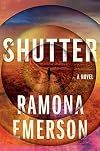
I won this book in a Small Business Saturday at my local, and what an act of serendipity - it has ghosts, mystery and crime scenes, and New Mexico, all told from an Indigenous perspective - the book gods were smiling on me. It's a debut from a Navajo writer, quite the unique circumstance, and it's so well written and such a well-told story. The heroine is a crime-scene photograph who sees and communicates with the dead, sometimes the angry and demanding dead who blackmail her to solve the show more mystery of their deaths.
I can't recommend this one highly enough, because she's a local author for me but also because she's from a community where almost no other natives have been published. But also because it's a well-written mystery.
5 bones!!!!!
Very Highly Recommended show less
I can't recommend this one highly enough, because she's a local author for me but also because she's from a community where almost no other natives have been published. But also because it's a well-written mystery.
5 bones!!!!!
Very Highly Recommended show less
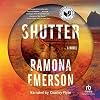
Going into 'Shutter', I thought I knew what to expect from a story about a forensic photographer who can see and hear the spirits of the dead. My expectations were set by characters like Harper Connely in Charlaine Harris' 'Grave Sight' or Charley Davidson in Darynda Jones' 'First Grave On The Right' or by TV characters like Alison DuBois in 'Medium' or Melinda Gordon in 'Ghost Whisperer"
I had my expectations completely reset by the time I'd listened to the chilling, no punches pulled, show more opening scene which is an extended account of a smashed body, spread across a highway at night, illuminated one piece at a time by the flash of Rita's crime scene camera. Rita was there for hours, taking hundreds of close up photographs of things no one should have to see. I knew then that this was going gritty rather than pretty and realistic rather than romantic.
I quickly learned that Rita's job, which she's been doing for more than five years, is more challenging for her than other people both because she's Navajo, and so aised to see dead things as a source of contamination and because she's been able to see and hear the spirits of the dead since she was too young to understand what they were. For me, the central questions of the novel became why Rita does this work, whether or not she can do the work and stay sane and whether the spirits would let her stop if she decided to.
'Shutter' isn't a conventional thriller. It's not even a conventional thriller with supernatural elements. The plot sees Rita caught between the demands and a violent vengeful ghost and the danger of confronting a drugs cartel and corrupt police officers. The level of tension builds throughout the novel as Rita's options narrow and the threat to her life becomes inescapable. What makes 'Shutter' different is that it's not plot driven. The plot is more like the flow of a river pushing at a boat. Rita is the story. The plot is a mostly a device for getting the reader to know and care about her.
The thing that pulled me into the novel was how Rita's life story was told through framed moments of intense feeling with a forward momentum provided by a ghost demanding answers. The relationship between Rita, her mother and her grandmother emerged from layers of memory, assembled the way Hockney would create portraits from multiple images. The moments come from Rita's present day crisis and from her memories of growing up on the Reservation with her grandmother. The first half of the book is dominated more by chidlhood memories than by Rita's present day crisis. Some pople mught find the pacing frustrating. I liked it. The memories didn't disrupt the story, they gave it meaning. The present day crisis mattered because, by the time I was in the thick of it, Rita mattered.
I loved seeing the young Rita with her grandmother. She shines brightly in them. The text feels like a series of treasured memories that Rita visits to evoke the safety of home.
I liked the contrast between the sections when Rita is living with her grandmother which, even when the content is dark, speak of freedom and home and the sections when Rita is a forensic photographer sometimes plagued by the demands of ghosts which are soaked in exhaustion and distress and a voluntary confinement that is wearing her away like sand blowing against stone.
Rita doesn't see herself as a hero. She's not an amateur sleuth using her ability to see the dead to battle crime in Alberqerque. She's working to get enough money to return home to the reservation for good. She's doing forensic photograohy because it was the only way to make a living with her camera. She's trying hard not to interact with the dead. She's also starting to crumble under the stress and suffer from the isolation so, when she finds herself being threatened by a dead woman and stubbling into the path of violent criminals, it's enough to up end her life.
By constucting a portrait of Rita that has depth enough to capture her spirit, not just who she is now, but everyone she's been, Ramona Emerson made it easy to accept the reality of the spirits that Rita has been seeing since childhood. Their reality carries the same weight as the rest of Rita's history. I liked that the spirits for the most part, are not malicious but they are demanding in a way that could overwhelm Rita and detach her from her life. I also liked the way Rita's direct experience with the spirits is set in the context of her grandmother's belief in the spirits of the dead as a source of contamination.
I lovd the storytelling in 'Shutter'. The people felt real to me. The ideas were but still easy to relate to. The plot was strong enough to keep things moving and deliver a tense finish.
I'll be meeting Rita again in October when 'Exposure', the second novel in this series, is published.
I listened to the audiobook version of 'Shutter' because I wanted to hear how the names and places were pronounced. Charley Flyte's narration takes a little getting used to but it matches the text well. I'm hoping she'll also be the narrator for 'Exposure'. show less
I had my expectations completely reset by the time I'd listened to the chilling, no punches pulled, show more opening scene which is an extended account of a smashed body, spread across a highway at night, illuminated one piece at a time by the flash of Rita's crime scene camera. Rita was there for hours, taking hundreds of close up photographs of things no one should have to see. I knew then that this was going gritty rather than pretty and realistic rather than romantic.
I quickly learned that Rita's job, which she's been doing for more than five years, is more challenging for her than other people both because she's Navajo, and so aised to see dead things as a source of contamination and because she's been able to see and hear the spirits of the dead since she was too young to understand what they were. For me, the central questions of the novel became why Rita does this work, whether or not she can do the work and stay sane and whether the spirits would let her stop if she decided to.
'Shutter' isn't a conventional thriller. It's not even a conventional thriller with supernatural elements. The plot sees Rita caught between the demands and a violent vengeful ghost and the danger of confronting a drugs cartel and corrupt police officers. The level of tension builds throughout the novel as Rita's options narrow and the threat to her life becomes inescapable. What makes 'Shutter' different is that it's not plot driven. The plot is more like the flow of a river pushing at a boat. Rita is the story. The plot is a mostly a device for getting the reader to know and care about her.
The thing that pulled me into the novel was how Rita's life story was told through framed moments of intense feeling with a forward momentum provided by a ghost demanding answers. The relationship between Rita, her mother and her grandmother emerged from layers of memory, assembled the way Hockney would create portraits from multiple images. The moments come from Rita's present day crisis and from her memories of growing up on the Reservation with her grandmother. The first half of the book is dominated more by chidlhood memories than by Rita's present day crisis. Some pople mught find the pacing frustrating. I liked it. The memories didn't disrupt the story, they gave it meaning. The present day crisis mattered because, by the time I was in the thick of it, Rita mattered.
I loved seeing the young Rita with her grandmother. She shines brightly in them. The text feels like a series of treasured memories that Rita visits to evoke the safety of home.
I liked the contrast between the sections when Rita is living with her grandmother which, even when the content is dark, speak of freedom and home and the sections when Rita is a forensic photographer sometimes plagued by the demands of ghosts which are soaked in exhaustion and distress and a voluntary confinement that is wearing her away like sand blowing against stone.
Rita doesn't see herself as a hero. She's not an amateur sleuth using her ability to see the dead to battle crime in Alberqerque. She's working to get enough money to return home to the reservation for good. She's doing forensic photograohy because it was the only way to make a living with her camera. She's trying hard not to interact with the dead. She's also starting to crumble under the stress and suffer from the isolation so, when she finds herself being threatened by a dead woman and stubbling into the path of violent criminals, it's enough to up end her life.
By constucting a portrait of Rita that has depth enough to capture her spirit, not just who she is now, but everyone she's been, Ramona Emerson made it easy to accept the reality of the spirits that Rita has been seeing since childhood. Their reality carries the same weight as the rest of Rita's history. I liked that the spirits for the most part, are not malicious but they are demanding in a way that could overwhelm Rita and detach her from her life. I also liked the way Rita's direct experience with the spirits is set in the context of her grandmother's belief in the spirits of the dead as a source of contamination.
I lovd the storytelling in 'Shutter'. The people felt real to me. The ideas were but still easy to relate to. The plot was strong enough to keep things moving and deliver a tense finish.
I'll be meeting Rita again in October when 'Exposure', the second novel in this series, is published.
I listened to the audiobook version of 'Shutter' because I wanted to hear how the names and places were pronounced. Charley Flyte's narration takes a little getting used to but it matches the text well. I'm hoping she'll also be the narrator for 'Exposure'. show less
There were things I really liked about this -- the life of a forensic photographer is compelling, horrifying, exhausting. Rita's backstory growing up on the Navaho reservation is interesting and complicated. Her voice is great.
I'm not sure I would read a second if this turns into a series -- the gore level is high, the visuals are disturbing, and Rita just seems so passive in her own life. It makes sense, with the way the story is told, and she certainly seems to be getting a handle on that show more as the book progresses, but it's got a core of tragedy that makes the book heavy going at times. show less
I'm not sure I would read a second if this turns into a series -- the gore level is high, the visuals are disturbing, and Rita just seems so passive in her own life. It makes sense, with the way the story is told, and she certainly seems to be getting a handle on that show more as the book progresses, but it's got a core of tragedy that makes the book heavy going at times. show less

This book pulled me in, hardly wanted to stop (but I do have a life). The story moves between Rita's work as a police photographer and her early years raised by the Navajo grandmother who first introduced her to a fascination with cameras. She doesn't spare any gritty details of some of the deaths she has to photograph, and you can see how this work eats at her. It isn't only the gruesomeness that bothers her, though, but the spirits of the dead who linger. Mostly she has learned to ignore show more them, as she was warned about their danger by a Navajo medicine singer, but this latest one is too fierce and wants justice for her murder.
This book didn't have too much horror, thankfully, as I'm avoiding taking in more than I can handle of that. As Mr. Bitsilly tells Rita, "If you keep inviting dead things into your life, it could open the door. You never know what path a spirit has taken until they are in your head." There can be an evil in a spirit, "like a cancer, a presence of terminal energy." (p.97) show less
This book didn't have too much horror, thankfully, as I'm avoiding taking in more than I can handle of that. As Mr. Bitsilly tells Rita, "If you keep inviting dead things into your life, it could open the door. You never know what path a spirit has taken until they are in your head." There can be an evil in a spirit, "like a cancer, a presence of terminal energy." (p.97) show less
Lists
Awards


You May Also Like


Associated Authors
Statistics
- Works
- 2
- Also by
- 1
- Members
- 805
- Popularity
- #31,684
- Rating
- 3.8
- Reviews
- 35
- ISBNs
- 15