
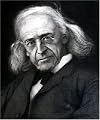
Theodor Mommsen (1817–1903)
Author of The History of Rome
About the Author
Image credit: Courtesy of the NYPL Digital Gallery
(image use requires permission from the New York Public Library)
(image use requires permission from the New York Public Library)
Works by Theodor Mommsen
The history of Rome; an account of events and persons from the conquest of Carthage to the end of the Republic (2010) 50 copies
The History of Rome, Book III From the Union of Italy to the Subjugation of Carthage and the Greek States (1983) — Author — 44 copies, 1 review
A history of Rome : from the foundation of the city to the sole rule of Julius Caesar (2006) 43 copies
The History of Rome, Book I The Period Anterior to the Abolition of the Monarchy (2008) 34 copies, 2 reviews
Historia de Roma. Libro V: Fundación de la monarquía militar: 4 (Biblioteca Turner) (2004) 32 copies, 2 reviews
The History of Rome, Book II From the Abolition of the Monarchy in Rome to the Union of Italy (2004) 21 copies, 1 review
Römische Geschichte Bd. 5 Fünftes Buch: Die Begründung der Militärmonarchie, Zweiter Teil. Der letzte Kampf der römischen Republik (1976) 9 copies
Romeinse geschiedenis - Deel II 8 copies
Romeinse geschiedenis - Deel I 8 copies
Historia de Roma. Vol. II, Desde la expulsi de los reyes hasta la reuni de los estados iticos (1901) 8 copies
Römische Geschichte. Bd. 1, Bis zur Schlacht von Pydna : Mit einer Militärkarte von Italien (2010) 8 copies
Römische Geschichte Bd. 2 Drittes Buch: Von der Einigung Italiens bis auf die Unterwerfung Karthagos und der griechischen Staaten (1986) 7 copies
History of Rome (Mommsen, Vol 5) 7 copies
Storia di Roma vol 2 7 copies
Storia di Roma vol. 1 6 copies
Storia di Roma, vol 3 6 copies
Storia di Roma antica. Volume secondo. Tomo primo: La rivoluzione. I Gracchi. Mario e Silla (2001) 6 copies
Storia di Roma antica, volume primo 5 copies
Theodor Mommsen: Römische Geschichte (Komplettausgabe mit allen Bänden) (kommentiert) (German Edition) (2015) 5 copies
Corpus iuris civilis (Cambridge Library Collection - Classics) (Volume 1) (Latin Edition) (2014) 5 copies
The History of the Roman Republic, Abridged from the History of Professor Mommsen (2010) 4 copies, 1 review
L'impero di Roma, vol VI 4 copies
Storia di Roma, vol 4 4 copies
Römische Charaktere 3 copies
L' Impero di Roma - vol. 5 3 copies
Le opere 3 copies
Historia de Roma. I 2 copies
Gesammelte Schriften von Theodor Mommsen, Sechster Band: Historische Schriften, Dritter Band 2 copies
Römisches Staatsrecht iii:1 2 copies
Römisches Staatsrecht. Erster Band 2 copies
Storia di Roma 1 - Fino alla cacciata dei re: Traduzione fedele di Salvatore Caporaso (Italian Edition) (2022) 2 copies
Caesar 2 copies
Chronica minora. Vol. II / Saec. IV, V, VI, VII (Monumenta Germaniae Historica: Auctores Antiquissimi. Tomus XI) (1981) 2 copies
Codex Theodosianus: Vol. I, Theodosiani Libri XVI cum Constitutionibus Sirmondianis: Pars prior, Prolegomena (2005) 2 copies
Judaea und die Juden 2 copies
Geschichte Des Romischen Munzwesens 2 copies
Römische Geschichte III. 2 copies
Viaggio in Italia 1844-1845 2 copies
Römisches Staatsrecht ii 1 copy
Römisches Staatsrecht, Vol I 1 copy
Römische Geschichte II. 1 copy
Romisches Staatsrecht II.1 1 copy
The History of Rome, Book 2: From the Abolition of the Monarchy in Rome to the Union of Italy (2016) 1 copy
Römisches Staatsrecht i 1 copy
Römisches Staatsrecht 1 copy
Historia de Roma IV 1 copy
"Aus dem Freund ein Sohn" : Theodor Mommsen und Ulrich von Wilamowitz-Moellendorff ; Briefwechsel 1872 - 1903 — Author — 1 copy
Scipione 1 copy
Gesammelte Schriften 1 copy
Chronica minora. Vol. III / Saec. IV, V, VI, VII (Monumenta Germaniae Historica: Auctores Antiquissimi. Tomus XIII) (1980) 1 copy
Römische Geschichte — Band 8 1 copy
Römische Geschichte — Band 5 1 copy
Römische Geschichte — Band 4 1 copy
Römische Geschichte — Band 3 1 copy
Römische Geschichte — Band 2 1 copy
L'impero di Roma (3 volumi) 1 copy
Corpus iuris civilis 3 Volume Set (Cambridge Library Collection - Classics) (Latin Edition) (2014) 1 copy
L'Histoire romaine 1 copy
Mommsen Theodor 1 copy
Romisches Staatsrecht III.2 1 copy
Romisches Staatsrecht III.1 1 copy
Romisches Staatsrecht II.2. 1 copy
Romisches Staatsrecht I. 1 copy
Opere 1 copy
Die Römische Republik 1 copy
The History of Rome (Volumes 1-5): A Scholarly Journey through Ancient Rome's Evolution and Triumphs (2019) 1 copy
Histoire romaine tome 1 1 copy
Historia de Roma II 1 copy
Oskische studien 1 copy
Römisches Staatsrecht. Bd. 2 1 copy
[Dl.] 2 1 copy
Gesammelte Schrifen. 8 Bände 1 copy
Sittengeschichte Roms 1 copy
História de Roma (excertos) 1 copy
Associated Works
Theodosiani libri XVI cum constitutionibus Sirmondianis et leges novellae ad Theodosianum pertinentes. Volumen II: Leges novellae ad Theodosianum pertinentes (1954) — Editor, some editions — 1 copy
Tagged
Common Knowledge
- Legal name
- Mommsen, Christian Matthias Theodor
- Other names
- Моммзен, Теодор
- Birthdate
- 1817-11-30
- Date of death
- 1903-11-01
- Gender
- male
- Education
- University of Kiel
- Occupations
- historian
- Awards and honors
- Nobel Prize (Literature, 1902)
- Relationships
- Mommsen, Wilhelm (grandson)
- Nationality
- Germany
- Birthplace
- Garding, Schleswig, Deutschland
- Places of residence
- Berlin, Germany
- Place of death
- Charlottenburg, Berlin, Deutschland
- Map Location
- Germany
Members
Reviews

Un testo monumentale dietro cui sta uno studio immenso e una sapienza storica veramente immensa, se si pensa che è stato scritto nell'800 senza ausilio di mezzi tecnologici ma solo per ricerca sui luoghi e sulle fonti. Per questo meriterebbe 5 stelle. Ancora oggi le basi dello studio della storia romana repubblicana sono quelle delineate dal Mommsen. Ha inoltre il merito di raccontare in modo quasi romanzesco alcune vicende, anche se lo stile risente del tempo e quindi può sembrare pomposo show more (in questo non aiuta la traduzione italiana fatta in pieno periodo fascista, con un lessico ricercato, da addetti ai lavori).
Paradossalmente, è un testo che illustra piuttosto bene anche la storia e la cultura a cavallo tra XIX° e XX° secolo. E qui vengo ai difetti. Uno è la prolissità. Nei capitoli di azione il testo si distende ampio ma lo si segue. Nei capitoli meno narrativi, in cui si analizzano le arti, la cultura e la lingua latine, è piuttosto noioso. L'altro (grave) difetto (credo comune ai suoi contemporanei) e il fare storiografia giudicando i tempi andati col metro di oggi. Ogni aspetto della vita e della cultura, ogni comportamento è giudicato sulla base di valori non contemporanei e con categorie moderne (riferimenti alla democrazia parlamentare, per esempio, che sono tirati un po' per i capelli, anche se magari possono servire per far capire meglio). Al Mommsen per esempio stava notevolmente antipatico Cicerone, che viene stroncato come scrittore e come uomo. Lo stesso giudizio piuttosto spietato viene espresso su Pompeo, che emerge come un eterno indeciso, mentre è piuttosto benevolo con il grande Cesare. Ma il difetto peggiore è sicuramente l'alone nazionalistico che pervade il testo. Interi capitoli sulla cultura sono letti alla luce di una sorta di superiorità tedesca (la frase secondo cui i tedeschi sono eredi dei greci, la cui filosofia e cultura Mommsen ritiene superiore a quella italica, mentre gli italiani non sono mai stati poeti di alto livello... fa sorridere se pensiamo a Dante, Petrarca... e alla enorme differenza che esiste tra greci e tedeschi. Oggi diciami che siamo tutti eredi dei Greci e anche dei Romanim in quanti Europei). In questo senso, dicevo, il testo insegna a noi posteri anche il quadro del dibattito culturale tra '800 e '900, intriso appunto di pregiudizi su popoli e razze, su presunte superiorità, che poi ahimé porteranno a certi estremi. E il Mommsen era un liberale. Quindi se un liberale aveva queste idee (oggi quasi ridicole) immaginiamoci quale dovesse essere il dibattito tra i monarchici e tra quelle forze estremiste che poi avranno il loro peso nei decenni successivi. Insomma, un testo assolutamente fondamentale per la storia antica ma che sente tutti i suoi anni e ha il limite di una impostazione non totalmente scientifica ed eccessivamente giudicante. Tanto di cappello comunque a uno studioso di importanza mondiale. show less
Paradossalmente, è un testo che illustra piuttosto bene anche la storia e la cultura a cavallo tra XIX° e XX° secolo. E qui vengo ai difetti. Uno è la prolissità. Nei capitoli di azione il testo si distende ampio ma lo si segue. Nei capitoli meno narrativi, in cui si analizzano le arti, la cultura e la lingua latine, è piuttosto noioso. L'altro (grave) difetto (credo comune ai suoi contemporanei) e il fare storiografia giudicando i tempi andati col metro di oggi. Ogni aspetto della vita e della cultura, ogni comportamento è giudicato sulla base di valori non contemporanei e con categorie moderne (riferimenti alla democrazia parlamentare, per esempio, che sono tirati un po' per i capelli, anche se magari possono servire per far capire meglio). Al Mommsen per esempio stava notevolmente antipatico Cicerone, che viene stroncato come scrittore e come uomo. Lo stesso giudizio piuttosto spietato viene espresso su Pompeo, che emerge come un eterno indeciso, mentre è piuttosto benevolo con il grande Cesare. Ma il difetto peggiore è sicuramente l'alone nazionalistico che pervade il testo. Interi capitoli sulla cultura sono letti alla luce di una sorta di superiorità tedesca (la frase secondo cui i tedeschi sono eredi dei greci, la cui filosofia e cultura Mommsen ritiene superiore a quella italica, mentre gli italiani non sono mai stati poeti di alto livello... fa sorridere se pensiamo a Dante, Petrarca... e alla enorme differenza che esiste tra greci e tedeschi. Oggi diciami che siamo tutti eredi dei Greci e anche dei Romanim in quanti Europei). In questo senso, dicevo, il testo insegna a noi posteri anche il quadro del dibattito culturale tra '800 e '900, intriso appunto di pregiudizi su popoli e razze, su presunte superiorità, che poi ahimé porteranno a certi estremi. E il Mommsen era un liberale. Quindi se un liberale aveva queste idee (oggi quasi ridicole) immaginiamoci quale dovesse essere il dibattito tra i monarchici e tra quelle forze estremiste che poi avranno il loro peso nei decenni successivi. Insomma, un testo assolutamente fondamentale per la storia antica ma che sente tutti i suoi anni e ha il limite di una impostazione non totalmente scientifica ed eccessivamente giudicante. Tanto di cappello comunque a uno studioso di importanza mondiale. show less
I don't know about other disciplines, but I'm pretty sure that in most specialties of history, there are some basic, "classic" volumes, often 19th century, that are assumed to contain the "facts" which subsequent academic careerists are assumed to know and therefore need not recall. Much more fun to speculate with interpretation and "revisionist" readings without having to remember who did what when. In ancient history, one of these is "Mommsen". I was surprised, therefore, to find, on show more reading the great Herr Doktor Professor's "History of Rome" (which became available cheap, that is, free, on Kindle) that the proportion of fact to imagination and speculation was pretty small. Mommsen is the quintessential nineteenth century authority. He plows through eight centuries of pre-imperial history with magnificent assurance, confidently judging the historical figures whose doings he describes, giving extensive resumes of their thoughts and assigning moral strengths and defects with aplomb, all leading up to his hero, Julius Caesar, who is praised so fulsomely that one really does rub one's eyes in disbelief. Lack of source material is no real hindrance to the good professor-- he knows. He can provide a character sketch and a psychoanalysis of just about anybody in ancient times.
Professor Mommsen makes no pretense of explaining or justifying his point of view--it is simply and self-evidently correct. In English writers of the same period this assurance is often bracing--translated from German, where it is based on slightly different conventional attitudes, it is ridiculous.
My undergraduate years left me with scant respect for academia. Otherwise, I imagine Mommsen would have grieved me. Possibly ancient and medieval history is unusual in the vast and evident superiority of modern efforts over those of the more distant historiographical past. But I bet it's not.
This work, all five volumes, is mighty entertaining. Either Professor Mommsen or his translator was able to avoid the dullness of so much academic writing--but at what cost! I recommend it to anyone who is inclined to admire authority--it should be a good corrective. show less
Professor Mommsen makes no pretense of explaining or justifying his point of view--it is simply and self-evidently correct. In English writers of the same period this assurance is often bracing--translated from German, where it is based on slightly different conventional attitudes, it is ridiculous.
My undergraduate years left me with scant respect for academia. Otherwise, I imagine Mommsen would have grieved me. Possibly ancient and medieval history is unusual in the vast and evident superiority of modern efforts over those of the more distant historiographical past. But I bet it's not.
This work, all five volumes, is mighty entertaining. Either Professor Mommsen or his translator was able to avoid the dullness of so much academic writing--but at what cost! I recommend it to anyone who is inclined to admire authority--it should be a good corrective. show less
The History of Rome, Book III From the Union of Italy to the Subjugation of Carthage and the Greek States by Theodor Mommsen

Mommsen's prejudices are showing. He REALLY doesn't like the Hellenistic Greeks. Nevertheless still an interesting read.

When I finished it, my first reaction was "Poor man, fancy spending all that time studying people who, apart from Caesar, he despises so much."
But then Gibbon wasn't exactly a fan of late antiquity. And yet Gibbon seems to be enjoying himself in a way Mommsen doesn't. Is it just an artefact of the rather clunky translation?
But then Gibbon wasn't exactly a fan of late antiquity. And yet Gibbon seems to be enjoying himself in a way Mommsen doesn't. Is it just an artefact of the rather clunky translation?
Lists
Awards

You May Also Like


Associated Authors
Statistics
- Works
- 234
- Also by
- 7
- Members
- 1,845
- Popularity
- #13,950
- Rating
- 3.9
- Reviews
- 31
- ISBNs
- 246
- Languages
- 13
- Favorited
- 4

