
Marita Conlon-McKenna
Author of Under the Hawthorn Tree
About the Author
Image credit: via Goodreads
Series
Works by Marita Conlon-McKenna
Associated Works
Thicker Than Water: Coming-of-Age Stories by Irish & Irish American Writers (2001) — Contributor — 56 copies, 1 review
Tagged
Common Knowledge
Members
Reviews
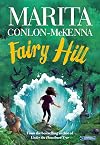
This atmospheric adventure draws on the folk-belief that fairies swap children for ‘changelings’. Anna is visiting her divorced father on her grandmother’s farm in Sligo, to get to know his new partner and their son, Jack. Anna discovers that the stones of a fairy-fort lie where her father is planning to plough, and, through her great-aunt Lily, learns that the sídhe will take revenge.
Anna’s enthusiasm for new experiences—sport, defences against the sídhe, pottery—is very show more engaging, and she is both kind and thoughtful. The atmosphere of Fairy Hill is very attractive. Anna watches a heron fishing by Starling Lake, learns horse-riding, enjoys food, and attends a family get-together. At the same time, though, the descriptions of place are sometimes oddly generic. Anna seems to enjoy herself, though there is some lack of consistency in her reactions, as she jumps from enjoyment to boredom and back again.
The story itself is a little slow to start, and transpires to be the story of changelings, children stolen away by the sídhe of the fairy-fort. The disruptive intrusion of the ousted world of the intangible, the world that can only be spoken of in compromised terms of superstition, fairytales, is well-handled. The threat comes close to Anna’s family, and she is able to recruit her great-aunt Lily to help. Lily recalls a time when those who believed in the sidhe would deal with them respectfully—showing respect to that which is very ‘other’. She is also able to offer practical help in negotiating with the sídhe.
The family dynamics, though, strike extremely uncomfortable notes. Anna’s anxiety to ‘fit in’, and her acceptance of responsibility for other people’s feelings, is exploited by her father, Rob, and her stepmother, Maggie. They assume that they can use Anna as unpaid child-minder to her baby stepbrother, obliging her to play with him and help him to eat; her father tells her that this is ‘what big sisters are for’. Her stepmother is sharp with her when she makes a mistake, laughs at her first attempt at using a pottery-wheel, and suborns her into helping at the market-stall. Distressingly, Anna internalizes the role that is laid out for her: she accepts that she should fit in and be nice. She feels guilt at being ‘selfish and irresponsible’ for not taking better care of her stepbrother. Frankly, by the time Anna has been emotionally manipulated into accepting that she will only be loved if she is an obedient girl, it is hard to see exactly why being stolen away by the sídhe is such a bad option.
The effective eeriness of the sídhe’s intrusions and threats are balanced by the cheerful, friendly ambiance of Anna’s visits to, and explorations with, relatives. She repeatedly encounters the past, too, through her grandmother’s diaries, Lily’s memories, and meeting the mysterious, lonely Daniel. This ruffling up of time adds subtlety to the tale, especially as the excitement and pace increase around the final encounter, when Anna must brave the dangers of the fairy-ring. The landscape is excellently rendered as a borderland between worlds: the familiar becomes unfamiliar; everything might be more than it seems, and Anna must understand the natural, as well as the ‘other’, world if she is to succeed in negotiating with the sídhe.
If the reader can set aside the quick-witted and brave Anna’s recruitment into the performance of sexist ideology, this is a lively, atmospheric adventure, somewhere between the waters and the wild of Yeats’s 'The Stolen Child' and the hostile forest of Stevie Smith’s 'Little Boy Lost'. show less
Anna’s enthusiasm for new experiences—sport, defences against the sídhe, pottery—is very show more engaging, and she is both kind and thoughtful. The atmosphere of Fairy Hill is very attractive. Anna watches a heron fishing by Starling Lake, learns horse-riding, enjoys food, and attends a family get-together. At the same time, though, the descriptions of place are sometimes oddly generic. Anna seems to enjoy herself, though there is some lack of consistency in her reactions, as she jumps from enjoyment to boredom and back again.
The story itself is a little slow to start, and transpires to be the story of changelings, children stolen away by the sídhe of the fairy-fort. The disruptive intrusion of the ousted world of the intangible, the world that can only be spoken of in compromised terms of superstition, fairytales, is well-handled. The threat comes close to Anna’s family, and she is able to recruit her great-aunt Lily to help. Lily recalls a time when those who believed in the sidhe would deal with them respectfully—showing respect to that which is very ‘other’. She is also able to offer practical help in negotiating with the sídhe.
The family dynamics, though, strike extremely uncomfortable notes. Anna’s anxiety to ‘fit in’, and her acceptance of responsibility for other people’s feelings, is exploited by her father, Rob, and her stepmother, Maggie. They assume that they can use Anna as unpaid child-minder to her baby stepbrother, obliging her to play with him and help him to eat; her father tells her that this is ‘what big sisters are for’. Her stepmother is sharp with her when she makes a mistake, laughs at her first attempt at using a pottery-wheel, and suborns her into helping at the market-stall. Distressingly, Anna internalizes the role that is laid out for her: she accepts that she should fit in and be nice. She feels guilt at being ‘selfish and irresponsible’ for not taking better care of her stepbrother. Frankly, by the time Anna has been emotionally manipulated into accepting that she will only be loved if she is an obedient girl, it is hard to see exactly why being stolen away by the sídhe is such a bad option.
The effective eeriness of the sídhe’s intrusions and threats are balanced by the cheerful, friendly ambiance of Anna’s visits to, and explorations with, relatives. She repeatedly encounters the past, too, through her grandmother’s diaries, Lily’s memories, and meeting the mysterious, lonely Daniel. This ruffling up of time adds subtlety to the tale, especially as the excitement and pace increase around the final encounter, when Anna must brave the dangers of the fairy-ring. The landscape is excellently rendered as a borderland between worlds: the familiar becomes unfamiliar; everything might be more than it seems, and Anna must understand the natural, as well as the ‘other’, world if she is to succeed in negotiating with the sídhe.
If the reader can set aside the quick-witted and brave Anna’s recruitment into the performance of sexist ideology, this is a lively, atmospheric adventure, somewhere between the waters and the wild of Yeats’s 'The Stolen Child' and the hostile forest of Stevie Smith’s 'Little Boy Lost'. show less

This was the final book in the "Children of the Famine" trilogy, and what a delightful historical series it was. I have loved watching Eily, Michael and Peggy grow from hungry children to young adults struggling to make ends meet.
At first I didn't think I would enjoy "Fields of Home" as much as the first two books as it jumped between Michael, Peggy and Mary Brigid, Eily's young daughter, but the dramas they all faced soon won me over. I did find Michael's story, by far, the most interesting show more as he worked with the horses he loved.
The book ended satisfactorily, especially for young readers, thanks to Eily, Michael and Peggy's hard work, perseverance and strong family ties. show less
At first I didn't think I would enjoy "Fields of Home" as much as the first two books as it jumped between Michael, Peggy and Mary Brigid, Eily's young daughter, but the dramas they all faced soon won me over. I did find Michael's story, by far, the most interesting show more as he worked with the horses he loved.
The book ended satisfactorily, especially for young readers, thanks to Eily, Michael and Peggy's hard work, perseverance and strong family ties. show less

This one really didn't live up to the hype. It's a pretty straightforward tale about a naive young girl from County Connemara who loves well but not wisely, and is introduced to harsh reality when she becomes pregnant and the child's father refuses to marry her, having better prospects at hand.
As was not unusual in Ireland in the 1950s, Esther's only practical choice is to enter a Catholic convent specializing in the housing of "wayward girls and fallen women" to await the birth of her show more child, which she must agree to place in the attached orphanage and make available for adoption. During her confinement, she works in the convent's commercial laundry and undergoes various hardships both physical and emotional.
At the end, she gives birth, realizes she loves her baby, has second thoughts about releasing it for adoption, is told she has no choice in the matter, and chooses to stay in Dublin afterwards rather than returning to the family which scorned her. She is sure she can survive and still holds the dream of someday being united with her lost child.
And while there's nothing really wrong with the book, there's nothing particularly significant about it, either. The characters are internally consistent; Esther's actions in the throes of first love are believable; the reader can tell from a mile away where the boyfriend's true intentions lie; the nuns are suitably unsympathetic to their charges; and the girls with whom Esther shares her confinement fall neatly into various categories.
Readers looking for an overview of the whole Magdalene Laundry system would probably be better off with nonfiction studies. Those looking for an engrossing fictional tale of one of its graduates will need to keep searching. show less
As was not unusual in Ireland in the 1950s, Esther's only practical choice is to enter a Catholic convent specializing in the housing of "wayward girls and fallen women" to await the birth of her show more child, which she must agree to place in the attached orphanage and make available for adoption. During her confinement, she works in the convent's commercial laundry and undergoes various hardships both physical and emotional.
At the end, she gives birth, realizes she loves her baby, has second thoughts about releasing it for adoption, is told she has no choice in the matter, and chooses to stay in Dublin afterwards rather than returning to the family which scorned her. She is sure she can survive and still holds the dream of someday being united with her lost child.
And while there's nothing really wrong with the book, there's nothing particularly significant about it, either. The characters are internally consistent; Esther's actions in the throes of first love are believable; the reader can tell from a mile away where the boyfriend's true intentions lie; the nuns are suitably unsympathetic to their charges; and the girls with whom Esther shares her confinement fall neatly into various categories.
Readers looking for an overview of the whole Magdalene Laundry system would probably be better off with nonfiction studies. Those looking for an engrossing fictional tale of one of its graduates will need to keep searching. show less

While plainly told, this book provides insight into the experience of thousands of unwed mothers and other "undesirable" women in the Ireland of the last century. Sent off to convents, the women more or less became slaves in huge laundries, and many spent entire lives there--becoming well aware of the underbelly of Irish life as they washed bed sheets and undergarments, including those of the well-to-do and the clergy. Conlon McKenna's book relates the story of young, naive Esther Doyle and show more her hardscrabble life in Connemara. After the death of her father, Esther is powerfully attracted to Con, the handsome and opportunistic young stranger who works a "spinster" neighbour's land. Esther's journey to Dublin to a Magdalen home and her experiences there with other women form the content of the book. Somewhat slow at the beginning, the book does gain momentum and some scenes are powerfully told. While not stellar, this is a solid story and a part of Irish social history that is certainly worth treatment. show less
Lists
Awards


You May Also Like


Associated Authors
Statistics
- Works
- 32
- Also by
- 3
- Members
- 1,555
- Popularity
- #16,568
- Rating
- 3.9
- Reviews
- 29
- ISBNs
- 230
- Languages
- 8
- Favorited
- 2