
Albert Woodfox (1947–2022)
Author of Solitary: A Biography (National Book Award Finalist; Pulitzer Prize Finalist)
About the Author
Albert Woodfox was born in 1947 in New Orleans. A committed activist in prison, he remains so today, speaking to a wide array of audiences, including the Innocence Project, Harvard, Yale, and other universities, the National Lawyers Guild, as well as at Amnesty International events in London, show more Paris, Denmark, Sweden, and Belgium. He lives in New Orleans. show less
Works by Albert Woodfox
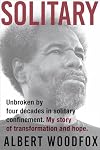
Solitary: A Biography (National Book Award Finalist; Pulitzer Prize Finalist) (2019) 383 copies, 14 reviews
Tagged
Common Knowledge
- Birthdate
- 1947-02-19
- Date of death
- 2022-08-04
- Gender
- male
- Occupations
- Angola Three (three wrongly convicted three African-Americans)
- Cause of death
- COVID-19 (complications)
- Nationality
- USA
- Places of residence
- Louisiana State Penitentiary ('Angola Prison')
Members
Reviews
“Prison is designed to break one’s spirit and destroy one’s resolve. To do this, the authorities attempt to exploit every weakness, demolish every initiative, negate all signs of individuality—all with the idea of stamping out that spark that makes each of us human and each of us who we are. Our survival depended on understanding what the authorities were attempting to do to us, and sharing that understanding with each other. —Nelson Mandela”
“If any white man in the world says show more ‘Give me liberty, or give me death,’ the entire world applauds. When a black man says exactly the same thing, word for word, he is judged a criminal and treated like one.”
—James Baldwin
“When you see organizations like Black Lives Matter under attack for being “racist,” you are seeing the agenda of an unjust economic system at play—a system that seeks to separate groups of people within the majority to benefit the top 1 percent.”
Albert Woodfox was released from prison in February 2016. He was in his mid-60s. He spent over 40 years in solitary confinement, trapped in a 9 by 6 cell, for a crime he did not commit. This was in the notorious Angola prison, in Louisiana. This is Albert's story and it is heart-breaking, rage-inducing and in the end triumphant. Instead of becoming a broken man, he became a strong advocate for prison reform, which he continues to do, as he travels the world speaking out. This memoir reminded me of The Autobiography of Malcolm X, in many ways. It is that powerful, articulate and focused. Our prison system is destroying many lives and needs a complete overhaul. I hope, one day, our leaders will correct this American travesty. show less
“If any white man in the world says show more ‘Give me liberty, or give me death,’ the entire world applauds. When a black man says exactly the same thing, word for word, he is judged a criminal and treated like one.”
—James Baldwin
“When you see organizations like Black Lives Matter under attack for being “racist,” you are seeing the agenda of an unjust economic system at play—a system that seeks to separate groups of people within the majority to benefit the top 1 percent.”
Albert Woodfox was released from prison in February 2016. He was in his mid-60s. He spent over 40 years in solitary confinement, trapped in a 9 by 6 cell, for a crime he did not commit. This was in the notorious Angola prison, in Louisiana. This is Albert's story and it is heart-breaking, rage-inducing and in the end triumphant. Instead of becoming a broken man, he became a strong advocate for prison reform, which he continues to do, as he travels the world speaking out. This memoir reminded me of The Autobiography of Malcolm X, in many ways. It is that powerful, articulate and focused. Our prison system is destroying many lives and needs a complete overhaul. I hope, one day, our leaders will correct this American travesty. show less
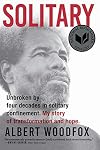
This is a much reviewed and much read book, so I'll just toss my own thoughts into the mix.
When I first came across the book, I was fascinated by the question how someone could survive with his sanity through so many years in solitary confinement.
The answer was pretty straight-forward. He had a cause, a challenge, a reason to go to work in the world every day.
Albert Woodfox lived a life massively different from mine and 99%+ of his readers. With interruptions, so many of us live through show more our lives like I have, in stages from childhood, to college years, to building a career, through prime work years, and maybe into retirement. His life was childhood, then prison and solitary confinement. Period.
His story is part history lesson and part survival lesson.
A young African American in New Orleans, in the “game” — inevitably caught and building a prison record. He was sent to prison several times before finally being sentenced to 50 years in 1971 for armed robbery, after escaping his sentencing hearing in New Orleans and being re-captured in New York.
While serving his sentence in Louisiana’s Angola Prison , Woodfox was prosecuted and convicted for killing a prison guard in 1972 and sentenced to life imprisonment.
At first, in prison, Woodfox was just another inmate with a long sentence to serve. But he met members of the Black Panther Party and, with their friendship and support, he turned his personality around. A lot of people have a lot of (probably ill-founded) opinions about the Black Panthers of that era. Regardless, Woodfox’s experience was life-changing.
He learned dignity, purpose, and he learned that there were positive causes to undertake even while in prison. He became an activist, resisting abuse from prisoners and prison personnel alike, fighting back against inhumane treatment. Of course he became a target for prison administrators, especially as he tried to call them to account for abuses of prisoners and inhumane living conditions. And they did what they do with troublesome cases — they punished him further, placing him in solitary confinement. All told, he spent over 40 years in solitary confinement.
And the prison authorities accused him of a crime , the murder of the prison guard, that by all appearances, he had nothing to do with. His conviction put him in the hands of those authorities for life.
“Solitary confinement” may not mean what you think — I was certainly unclear. Woodfox was confined to a small cell in Angola Prison for 23 hours a day, with a one hour period during which he could leave his cell and join other prisoners from solitary in a common space. For many of those years, he was never permitted to go outside the prison building into the exercise yard. His meals were slid through a slot into his cell. He could watch television through the cell bars, and he had access to some library books. His mail was monitored and censored for, among other things, content considered politically objectionable to the prison administration.
Woodfox, by his own account, spent many of those years without hope of ever being released. He maintained his innocence in the murder of the prison guard, but his access to legal help was limited until his story, as one of the Angola 3, became publicly known and supporters began to take up his case, with legal resources and the money to pay for them.
He spent much of his time supporting other prisoners, forming lifelong friendships with his fellow Angola 3 prisoners, Herman Wallace and Robert King. And he befriended and supported countless other prisoners, helping them to turn their outlooks around and build dignity and self-respect just as he had with guidance from the principles taught to him by the Black Panthers.
That’s how he survived with his sanity. Even in the final days of his imprisonment, as he and his lawyers went through appeal after appeal, and obstacle after obstacle, at least in his own telling, he retained the dignity and sense of justice that he had learned. His final release was itself troubling to him, as it required him to accept a plea deal regarding a crime for which he believed he had been framed.
It’s hard to blame Woodfox for his anger toward many aspects of American life, given how the America he encountered treated him. His story confronts us with things we know to be true, unless we hide or obscure the truth from ourselves::
We know that people are convicted of crimes they didn’t commit.
We know that African Americans are convicted more often and given longer sentences than white Americans.
We know that prisons are places where prisoners have very little power and prison authorities more power than should be entrusted to them.
We know there is no pretense of rehabilitation or punishment commensurate with crimes in many if not most of America’s prisons.
We know there is no pretense of fairness in treatment of prisoners within the prison system.
We know there is little or no answerability on the part of prison authorities.
And none of that is new. Woodfox’s life is testimony. When he was finally released in 2016, he found different times, different actors, but the same theme.
His book is personal, and you can read it that way — what makes a person’s life worth living, what gives it purpose, what keeps a person’s life grounded?
And it is political history, a wake-up call. show less
When I first came across the book, I was fascinated by the question how someone could survive with his sanity through so many years in solitary confinement.
The answer was pretty straight-forward. He had a cause, a challenge, a reason to go to work in the world every day.
Albert Woodfox lived a life massively different from mine and 99%+ of his readers. With interruptions, so many of us live through show more our lives like I have, in stages from childhood, to college years, to building a career, through prime work years, and maybe into retirement. His life was childhood, then prison and solitary confinement. Period.
His story is part history lesson and part survival lesson.
A young African American in New Orleans, in the “game” — inevitably caught and building a prison record. He was sent to prison several times before finally being sentenced to 50 years in 1971 for armed robbery, after escaping his sentencing hearing in New Orleans and being re-captured in New York.
While serving his sentence in Louisiana’s Angola Prison , Woodfox was prosecuted and convicted for killing a prison guard in 1972 and sentenced to life imprisonment.
At first, in prison, Woodfox was just another inmate with a long sentence to serve. But he met members of the Black Panther Party and, with their friendship and support, he turned his personality around. A lot of people have a lot of (probably ill-founded) opinions about the Black Panthers of that era. Regardless, Woodfox’s experience was life-changing.
He learned dignity, purpose, and he learned that there were positive causes to undertake even while in prison. He became an activist, resisting abuse from prisoners and prison personnel alike, fighting back against inhumane treatment. Of course he became a target for prison administrators, especially as he tried to call them to account for abuses of prisoners and inhumane living conditions. And they did what they do with troublesome cases — they punished him further, placing him in solitary confinement. All told, he spent over 40 years in solitary confinement.
And the prison authorities accused him of a crime , the murder of the prison guard, that by all appearances, he had nothing to do with. His conviction put him in the hands of those authorities for life.
“Solitary confinement” may not mean what you think — I was certainly unclear. Woodfox was confined to a small cell in Angola Prison for 23 hours a day, with a one hour period during which he could leave his cell and join other prisoners from solitary in a common space. For many of those years, he was never permitted to go outside the prison building into the exercise yard. His meals were slid through a slot into his cell. He could watch television through the cell bars, and he had access to some library books. His mail was monitored and censored for, among other things, content considered politically objectionable to the prison administration.
Woodfox, by his own account, spent many of those years without hope of ever being released. He maintained his innocence in the murder of the prison guard, but his access to legal help was limited until his story, as one of the Angola 3, became publicly known and supporters began to take up his case, with legal resources and the money to pay for them.
He spent much of his time supporting other prisoners, forming lifelong friendships with his fellow Angola 3 prisoners, Herman Wallace and Robert King. And he befriended and supported countless other prisoners, helping them to turn their outlooks around and build dignity and self-respect just as he had with guidance from the principles taught to him by the Black Panthers.
That’s how he survived with his sanity. Even in the final days of his imprisonment, as he and his lawyers went through appeal after appeal, and obstacle after obstacle, at least in his own telling, he retained the dignity and sense of justice that he had learned. His final release was itself troubling to him, as it required him to accept a plea deal regarding a crime for which he believed he had been framed.
It’s hard to blame Woodfox for his anger toward many aspects of American life, given how the America he encountered treated him. His story confronts us with things we know to be true, unless we hide or obscure the truth from ourselves::
We know that people are convicted of crimes they didn’t commit.
We know that African Americans are convicted more often and given longer sentences than white Americans.
We know that prisons are places where prisoners have very little power and prison authorities more power than should be entrusted to them.
We know there is no pretense of rehabilitation or punishment commensurate with crimes in many if not most of America’s prisons.
We know there is no pretense of fairness in treatment of prisoners within the prison system.
We know there is little or no answerability on the part of prison authorities.
And none of that is new. Woodfox’s life is testimony. When he was finally released in 2016, he found different times, different actors, but the same theme.
His book is personal, and you can read it that way — what makes a person’s life worth living, what gives it purpose, what keeps a person’s life grounded?
And it is political history, a wake-up call. show less
What a powerful book. Albert Woodfox spent 40 years in solitary confinement innocent of any crime that would warrant that sort of inhuman punishment. The things he endured and saw happen to others are unimaginable. It is truly horrifying and embarrassing that these type of atrocities take place in our country. We can do better. We need to do better.
Solitary is a long read, but absolutely a book with reading. Albert is not an author, but it is a story so powerful it transcends the need for show more writing perfection. If this book doesn't leave you wondering what is wrong with our justice system and prison system you might want to reevaluate your values.
"The need to be treated with human dignity touches everyone. And the key to resistance is unity" show less
Solitary is a long read, but absolutely a book with reading. Albert is not an author, but it is a story so powerful it transcends the need for show more writing perfection. If this book doesn't leave you wondering what is wrong with our justice system and prison system you might want to reevaluate your values.
"The need to be treated with human dignity touches everyone. And the key to resistance is unity" show less
I rank it alongside "No Friend But the Mountains: Writing from Manus Prison" as a commentary on the corruptible nature of power. The carelessness with which political powers, bureaucratic systems, profit-making enterprises and racist belief inflict egregious and enduring violence beggars belief. The profound lack of humanity spills off every page of this thick book. The book's very endlessness evokes the unrelenting nature of the violence endured by so many in the Louisiana prison system. show more And, lest we think the American South is an exception, also the hope-destroying violence of Manus Prison and Australia's treatment of boat people and others in detention. show less
Lists
Awards


You May Also Like


Associated Authors
Statistics
- Works
- 1
- Members
- 383
- Popularity
- #63,100
- Rating
- 4.2
- Reviews
- 14
- ISBNs
- 10
- Languages
- 1