
Caitlin Starling
Author of The Death of Jane Lawrence
About the Author
Image credit: Author promo photo from her website
Series
Works by Caitlin Starling
Associated Works
The Long List Anthology Volume 7: More Stories from the Hugo Award Nomination List (2022) — Contributor — 38 copies, 2 reviews
Tagged
Common Knowledge
- Gender
- female
- Agent
- Caitlin McDonald
- Nationality
- USA
- Associated Place (for map)
- USA
Members
Reviews
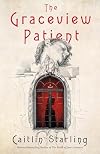
“The Graceview Patient” creeps under your skin and makes itself at home. Imagine a hospital so squeaky-clean it almost dares you to trust it, but then you catch whispers in the walls and start wondering if the doctors are auditioning for a mad scientist reality show. It’s a story that proves the scariest experiments aren’t always in the lab; some might be happening in your own head.
Meg is living with a brutal autoimmune disease that has stolen nearly everything from her. I could feel show more the exhaustion in my bones just reading her daily reality. She signs up for an experimental trial at Graceview, and suddenly the hospital is a gothic funhouse where survival is a full-time job. Here’s the real mind-bender: are the meds making her see things, or is there actually something lurking in those endless, echoing halls?
Caitlin Starling turns up the tension, slow and steady. The body horror is definitely squirm-worthy, but what really got me was Meg’s stubborn, scrappy will to survive, even when her own body was in full rebellion. She wasn’t just a patient; she’s the main character in her own haunted house.
The pacing drags here and there, but the concept is wild, the execution is deliciously unsettling, and I’m giving it a big, creepy 4.5 stars. I’ll be raiding Caitlin Starling’s backlist for more brain-melting reads. She clearly knows how to mess with my head, and I’m weirdly into it.
Thanks to the author and St. Martin’s Press for providing this ARC via NetGalley. All opinions are my own.
#TheGraceviewPatient #CaitlinStarling #StMartinsPress #CapCut #NetGalley
Horror - Medical Trials - Rare Disease - Experiments - Psychological Thriller - Gothic Terror show less
Meg is living with a brutal autoimmune disease that has stolen nearly everything from her. I could feel show more the exhaustion in my bones just reading her daily reality. She signs up for an experimental trial at Graceview, and suddenly the hospital is a gothic funhouse where survival is a full-time job. Here’s the real mind-bender: are the meds making her see things, or is there actually something lurking in those endless, echoing halls?
Caitlin Starling turns up the tension, slow and steady. The body horror is definitely squirm-worthy, but what really got me was Meg’s stubborn, scrappy will to survive, even when her own body was in full rebellion. She wasn’t just a patient; she’s the main character in her own haunted house.
The pacing drags here and there, but the concept is wild, the execution is deliciously unsettling, and I’m giving it a big, creepy 4.5 stars. I’ll be raiding Caitlin Starling’s backlist for more brain-melting reads. She clearly knows how to mess with my head, and I’m weirdly into it.
Thanks to the author and St. Martin’s Press for providing this ARC via NetGalley. All opinions are my own.
#TheGraceviewPatient #CaitlinStarling #StMartinsPress #CapCut #NetGalley
Horror - Medical Trials - Rare Disease - Experiments - Psychological Thriller - Gothic Terror show less
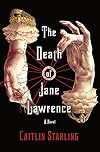
Jane has always been logical and self controlled. Now, with her guardians moving on Jane makes the logical decision to marry. From a list she compiled, Jane has chosen to ask Dr. Augustine Lawrence to enter into what she considers a business arrangement. She will keep his books and reside at his surgery while he resides at Lindridge Hall. Despite their differences, an attraction forms. Dr. Augustine agrees to the match with the caveat Jane must never enter Lindridge. However, on the first show more night of their marriage, a mistake places the pair at Lindridge and Augustine becomes unhinged as the night progresses. With each night Jane stays at Lindridge she watches Augustine change. Jane also uncovers a bevy of secrets that open doubts in her union and begins to believe in the secrets of Lindridge herself. As Augustine succumbs to the terrors surrounding him, he believes Jane is an apparition and he attempts to kill her. In a desperate attempt for her life, Jane unleashes something she never believed she could do; but the consequences of her actions might be her undoing.
The Death of Jane Lawrence is a highly atmospheric gothic romance. From the beginning, I was transported into the alternate history of Great Beltraine where magic is possible. Jane and Augustine fill the trope of a marriage for convenience. I loved Jane's character with her persistent logic, pursuit of knowledge and willingness to open herself up to emotions and the supernatural. Augustine is a curious character from the beginning. I enjoyed the care he took in his surgery, it was obvious that he truly cared for his patients and was skilled at his job; however, it was also clear that he was hiding something big. Jane and Augustine seem to fit together perfectly, even though they shouldn't. Lindridge Hall is the biggest character, with locked rooms, mysterious shadows and plenty of secrets to uncover, Lindridge is the quintessential gothic setting. With the addition of magic a whole new world of suspense and possibilities opens up to Jane. I was amazed at how well Jane took to magic her mind opened up to it. With more magic, Lindridge opens more doors to Jane. The writing took me on a wild ride and thoroughly explored LIndridge and the effects of magic. With the creation of a truly unique setting and an even more interesting romance, The Death of Jane Lawrence is the perfect mind-bending gothic horror.
This book was received for free in return for an honest review. show less
The Death of Jane Lawrence is a highly atmospheric gothic romance. From the beginning, I was transported into the alternate history of Great Beltraine where magic is possible. Jane and Augustine fill the trope of a marriage for convenience. I loved Jane's character with her persistent logic, pursuit of knowledge and willingness to open herself up to emotions and the supernatural. Augustine is a curious character from the beginning. I enjoyed the care he took in his surgery, it was obvious that he truly cared for his patients and was skilled at his job; however, it was also clear that he was hiding something big. Jane and Augustine seem to fit together perfectly, even though they shouldn't. Lindridge Hall is the biggest character, with locked rooms, mysterious shadows and plenty of secrets to uncover, Lindridge is the quintessential gothic setting. With the addition of magic a whole new world of suspense and possibilities opens up to Jane. I was amazed at how well Jane took to magic her mind opened up to it. With more magic, Lindridge opens more doors to Jane. The writing took me on a wild ride and thoroughly explored LIndridge and the effects of magic. With the creation of a truly unique setting and an even more interesting romance, The Death of Jane Lawrence is the perfect mind-bending gothic horror.
This book was received for free in return for an honest review. show less
Rating: 4* of five
The Publisher Says: Misery meets Invasion of the Body Snatchers in this genre-bending, claustrophobic hospital gothic from the bestselling author of The Death of Jane Lawrence.
Margaret lives with a rare autoimmune condition that has destroyed her life, leaving her isolated. It has no cure, but she’s making do as best she can—until she’s offered a fully paid-for spot in an experimental medical trial at Graceview Memorial.
The conditions are simple, if grueling; she will show more live at the hospital as a full-time patient, subjecting herself to the near-total destruction of her immune system and its subsequent regeneration. The trial will essentially kill most of, but not all of her. But as the treatment progresses and her body begins to fail, she stumbles upon something sinister living and spreading within the hospital.
Unsure of what's real and what is just medication-induced delusion, Margaret struggles to find a way out as her body and mind succumb further to the darkness lurking throughout Graceview's halls.
I RECEIVED A DRC FROM THE PUBLISHER VIA NETGALLEY. THANK YOU.
My Review: I've had gout for decades, starting in my earliest twenties. My family has gout throughout it. I'm convinced, and medical orthodoxy agrees, there is a genetic component to the condition. If someone had told me in the 1980s "we have a truly horrifyingly painful way to rid you forever of your gout" I'd've had my bags packed for the trip to Graceview Hospital before I stopped smelling the garlic the utterer had eaten for lunch.
So this story was a "sign me up!" from giddy-up to whoa. As I got to know Margaret, to be in her familiar-but-dreadful world of "how much is there for me to do, versus how much is there available for me to do it with?" calculus of living, worry with her as she tries to balance practical necessities, dealing with a narcissistic parent, and leap with joy at the sudden promise of the lifeline she's flung, I wanted so badly for things to go well for her.
Bait-and-switch much, Author Starling? It's a spooky place, Graceview, and Margaret's a very vulnerable lassie. Bad stuff's gonna happen! It's part of the read!
As Margaret gets deeper and deeper into the medical hell she was warned awaited her, odd things occur. One of her nurses becomes a patient. The weird offness of Graceview Hospital intensifies, though of course the medication and the extreme nature of the treatment combine to present mental-health challenges to the participants. As you'd expect! Still, having experienced medication-induced psychosis first hand, I can tell you Margaret's utter horror at the psychotic break's symptoms is spot-on.
So that's the secret to my four-star rating of this weird, creepy, deeply unsettling story: I never for an instant believed this was anything other than a perfect;y reasonable side-effect of a perfectly horrible medication that was meant to cure something previously incurable. Spooky stuff seldom gets even this far up in my literary estimation because I'm so deeply materialist in my worldview.
Author Starling writes her socks off creating this setting, making it a very real place, imbuing it with eerieness and thus setting Margaret up for her nightmarish experiences. That she would've had them no matter what is what kept me from feeling this was more or less a prurient exercise in psychological torment as entertainment. It is real and honest in its presentation of what a psychotic break feels like. The terror of being unmoored from reality while undergoing very physically challenging treatment to improve your quality of life is the central fact we're dealing with here.
And that is the reason I enjoyed this story as a horror read for #Deathtober. It's got gothic rags draped over its granny-panties, so I can trust it to deal with the scary stuff as *feelings* not Reality, which they manifestly are not. Mostly, anyway.
The lack of even a fraction of a fifth star is down to a more serious problem I had: the ending is as ambiguous as possible, leaving every concerning thing well and truly unresolved. I'm as unhappy as the next reader when authors spoon-feed me a little-bow-wrapped ending; but there exists a middle ground between "the end" and this book's stopping place.
I'd say more but y'all're really, really spoiled and complain about spoilers with the verve of the wronged adolescent denied the car keys. show less
The Publisher Says: Misery meets Invasion of the Body Snatchers in this genre-bending, claustrophobic hospital gothic from the bestselling author of The Death of Jane Lawrence.
Margaret lives with a rare autoimmune condition that has destroyed her life, leaving her isolated. It has no cure, but she’s making do as best she can—until she’s offered a fully paid-for spot in an experimental medical trial at Graceview Memorial.
The conditions are simple, if grueling; she will show more live at the hospital as a full-time patient, subjecting herself to the near-total destruction of her immune system and its subsequent regeneration. The trial will essentially kill most of, but not all of her. But as the treatment progresses and her body begins to fail, she stumbles upon something sinister living and spreading within the hospital.
Unsure of what's real and what is just medication-induced delusion, Margaret struggles to find a way out as her body and mind succumb further to the darkness lurking throughout Graceview's halls.
I RECEIVED A DRC FROM THE PUBLISHER VIA NETGALLEY. THANK YOU.
My Review: I've had gout for decades, starting in my earliest twenties. My family has gout throughout it. I'm convinced, and medical orthodoxy agrees, there is a genetic component to the condition. If someone had told me in the 1980s "we have a truly horrifyingly painful way to rid you forever of your gout" I'd've had my bags packed for the trip to Graceview Hospital before I stopped smelling the garlic the utterer had eaten for lunch.
So this story was a "sign me up!" from giddy-up to whoa. As I got to know Margaret, to be in her familiar-but-dreadful world of "how much is there for me to do, versus how much is there available for me to do it with?" calculus of living, worry with her as she tries to balance practical necessities, dealing with a narcissistic parent, and leap with joy at the sudden promise of the lifeline she's flung, I wanted so badly for things to go well for her.
Bait-and-switch much, Author Starling? It's a spooky place, Graceview, and Margaret's a very vulnerable lassie. Bad stuff's gonna happen! It's part of the read!
As Margaret gets deeper and deeper into the medical hell she was warned awaited her, odd things occur. One of her nurses becomes a patient. The weird offness of Graceview Hospital intensifies, though of course the medication and the extreme nature of the treatment combine to present mental-health challenges to the participants. As you'd expect! Still, having experienced medication-induced psychosis first hand, I can tell you Margaret's utter horror at the psychotic break's symptoms is spot-on.
So that's the secret to my four-star rating of this weird, creepy, deeply unsettling story: I never for an instant believed this was anything other than a perfect;y reasonable side-effect of a perfectly horrible medication that was meant to cure something previously incurable. Spooky stuff seldom gets even this far up in my literary estimation because I'm so deeply materialist in my worldview.
Author Starling writes her socks off creating this setting, making it a very real place, imbuing it with eerieness and thus setting Margaret up for her nightmarish experiences. That she would've had them no matter what is what kept me from feeling this was more or less a prurient exercise in psychological torment as entertainment. It is real and honest in its presentation of what a psychotic break feels like. The terror of being unmoored from reality while undergoing very physically challenging treatment to improve your quality of life is the central fact we're dealing with here.
And that is the reason I enjoyed this story as a horror read for #Deathtober. It's got gothic rags draped over its granny-panties, so I can trust it to deal with the scary stuff as *feelings* not Reality, which they manifestly are not. Mostly, anyway.
The lack of even a fraction of a fifth star is down to a more serious problem I had: the ending is as ambiguous as possible, leaving every concerning thing well and truly unresolved. I'm as unhappy as the next reader when authors spoon-feed me a little-bow-wrapped ending; but there exists a middle ground between "the end" and this book's stopping place.
I'd say more but y'all're really, really spoiled and complain about spoilers with the verve of the wronged adolescent denied the car keys. show less
THE GRACEVIEW PATIENT by Caitlin Starling is a surprisingly effective horror story. In several ways, it reminds me of THE YELLOW WALLPAPER with the narrator's slow descent into madness. But that comparison is one of the reasons why THE GRACEVIEW PATIENT is so effective. Our hero may be going insane, or she might not be. We simply do not know, and that is what is truly terrifying.
Ms. Starling draws on a person's innate dislike of hospitals, along with a slew of other healthcare concerns, to show more create her horror story. THE GRACEVIEW PATIENT works because most readers hold similar ideas about hospitals and healthcare as Meg. Hospitals are scary places, prone to bad news rather than good, and full of unfamiliar equipment, disruptive routines, harsh odors, and a lack of control that comes with ill health. Graceview Hospital is all that. When you add the potential for unethical medical staff, untested treatments, and a (fictional) medical disorder so disruptive and yet so rare, you have the perfect ingredients for a horror story.
Meg has every right to consider her new "home" with trepidation and fear, but the power of THE GRACEVIEW PATIENT lies in whether we believe her story or not. Ms. Starling is careful to leave open the idea that the entire story is one massive hallucination with any number of causes for them. She does this while also hinting that Meg has more moments of lucidity than her health team knows or understands. At the same time, Meg is mentally and emotionally fragile before she starts the study, and her time at Graceview is anything but pleasant. It would not take much to break her.
Depending on what you think the truth is behind Meg's story, your view of THE GRACEVIEW PATIENT will differ. If you believe Meg is having a mental health crisis, the horror lies in the fact that a medical team allows her to fall so far. If you think she is hallucinating because of the myriad of drugs being injected into her body at any given time, that is a completely different type of horror for her medical team. And still, if you think Meg's story is accurate, that is yet a third type of horror story. That two out of the three options make THE GRACEVIEW PATIENT somewhat plausible ups the ante even more.
THE GRACEVIEW PATIENT surprised me in a good way with its quiet submersion into horror. Meg's plight is immensely readable, even as you remain thankful that you are not her. In addition, no matter where you fall on the "Meg truthfulness" issue, her story is discomforting enough to make you think twice the next time you have to set foot inside a hospital. show less
Ms. Starling draws on a person's innate dislike of hospitals, along with a slew of other healthcare concerns, to show more create her horror story. THE GRACEVIEW PATIENT works because most readers hold similar ideas about hospitals and healthcare as Meg. Hospitals are scary places, prone to bad news rather than good, and full of unfamiliar equipment, disruptive routines, harsh odors, and a lack of control that comes with ill health. Graceview Hospital is all that. When you add the potential for unethical medical staff, untested treatments, and a (fictional) medical disorder so disruptive and yet so rare, you have the perfect ingredients for a horror story.
Meg has every right to consider her new "home" with trepidation and fear, but the power of THE GRACEVIEW PATIENT lies in whether we believe her story or not. Ms. Starling is careful to leave open the idea that the entire story is one massive hallucination with any number of causes for them. She does this while also hinting that Meg has more moments of lucidity than her health team knows or understands. At the same time, Meg is mentally and emotionally fragile before she starts the study, and her time at Graceview is anything but pleasant. It would not take much to break her.
Depending on what you think the truth is behind Meg's story, your view of THE GRACEVIEW PATIENT will differ. If you believe Meg is having a mental health crisis, the horror lies in the fact that a medical team allows her to fall so far. If you think she is hallucinating because of the myriad of drugs being injected into her body at any given time, that is a completely different type of horror for her medical team. And still, if you think Meg's story is accurate, that is yet a third type of horror story. That two out of the three options make THE GRACEVIEW PATIENT somewhat plausible ups the ante even more.
THE GRACEVIEW PATIENT surprised me in a good way with its quiet submersion into horror. Meg's plight is immensely readable, even as you remain thankful that you are not her. In addition, no matter where you fall on the "Meg truthfulness" issue, her story is discomforting enough to make you think twice the next time you have to set foot inside a hospital. show less
Lists
Female Author (1)
First Novels (1)
Awards


You May Also Like


Associated Authors
Statistics
- Works
- 10
- Also by
- 2
- Members
- 2,944
- Popularity
- #8,684
- Rating
- 3.5
- Reviews
- 117
- ISBNs
- 43
- Languages
- 1
- Favorited
- 2