
Emma Copley Eisenberg
Author of The Third Rainbow Girl: The Long Life of a Double Murder in Appalachia
About the Author
Image credit: pulled from author's website
Works by Emma Copley Eisenberg
The Third Rainbow Girl: The Long Life of a Double Murder in Appalachia (2020) 370 copies, 15 reviews
Sundays 1 copy
Tagged
Common Knowledge
- Birthdate
- 20th c. BCE
- Gender
- female
- Occupations
- fiction editor for AGNI
- Agent
- Jin Auh at The Wylie Agency
- Nationality
- USA
- Birthplace
- USA
- Places of residence
- Philadelphia, Pennsylvania, USA
- Map Location
- USA
Members
Reviews

i loved just about everything about this. the writing is fantastic and i was primed to be the exact right audience for a story about someone taking documentary photographs with a large format camera pairing with someone else writing stories that go with the images. make it sapphic and this is basically everything i want in fiction. the power of art, friendship, place, love. it's all here and so well executed. this is fantastic.
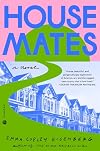
Two housemates undertake a roadtrip across Pennsylvania. One of the main characters is a photographer who had been taught and mentored by a prominent photographer who later was accused of sexual harassment. Although he had never been inappropriate with our character, this tainted her memories and put her off of photography. Also the narrative structure was interesting, the story being told by an older lesbian photographer who lived in their Philly neighborhood.
Interesting, but book had show more several other, also interesting, themes, and in the end I feel that there was too much going on and it all ended up a bit surface. show less
Interesting, but book had show more several other, also interesting, themes, and in the end I feel that there was too much going on and it all ended up a bit surface. show less

surprisingly, the least interesting parts in this book were actually about the killings this book is supposed to be about. the information about west virginia and its changing politics was the most interesting, and i appreciated her personal introspection even as it was at most peripherally related to the main story. i found myself much less interested in the story she was ostensibly writing about, and i don't know if that was her writing or the fact that it's not a solved crime (there are show more theories, though), or my inconsistent attention as i was listening.
it was kind of shocking to me to learn that west virginia split from virginia in part to join the union and fight the confederacy (although it was more a two thirds majority, not super overwhelming, but still), that they were against slavery and wanted to fight it. that they voted democratic consistently (like in all but 3 elections) until basically 2000. i thought the deep red had been entrenched for many years. like many people, i guess i have some misconceptions about west virginia.
she's a good writer, and makes some interesting points and connections, but i didn't find that i was very engaged with the book. overall this was just ok for me, but i'd read her again.
"In America, protecting or avenging white women from a violation of their safety or sexual autonomy has been used time and time again to justify the unlawful incarceration of men, particularly poor men and men of color."
"You start to think maybe you can abdicate your privilege like a crown, if only you try hard enough, and that maybe that will settle the score. I felt broken and running from the system in my mind, in which the only choices were to dominate or be dominated, stay completely still or get annihilated by my feelings and the terror of history. It was a system of impossible twos and endless double-binds, and I was afraid to move within it, or choose anything. I felt that no one I knew had a clue about America, it's true texture and shape and flavor and that the ways I had been taught to live in it were no longer working." show less
it was kind of shocking to me to learn that west virginia split from virginia in part to join the union and fight the confederacy (although it was more a two thirds majority, not super overwhelming, but still), that they were against slavery and wanted to fight it. that they voted democratic consistently (like in all but 3 elections) until basically 2000. i thought the deep red had been entrenched for many years. like many people, i guess i have some misconceptions about west virginia.
she's a good writer, and makes some interesting points and connections, but i didn't find that i was very engaged with the book. overall this was just ok for me, but i'd read her again.
"In America, protecting or avenging white women from a violation of their safety or sexual autonomy has been used time and time again to justify the unlawful incarceration of men, particularly poor men and men of color."
"You start to think maybe you can abdicate your privilege like a crown, if only you try hard enough, and that maybe that will settle the score. I felt broken and running from the system in my mind, in which the only choices were to dominate or be dominated, stay completely still or get annihilated by my feelings and the terror of history. It was a system of impossible twos and endless double-binds, and I was afraid to move within it, or choose anything. I felt that no one I knew had a clue about America, it's true texture and shape and flavor and that the ways I had been taught to live in it were no longer working." show less
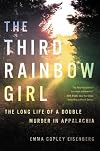
In 1980, a festival called the Rainbow Gathering was held in a National Park deep in West Virginia's Pocahontas county. Attended by hippies and free spirits, some of the local residents were not pleased with the influx of outsiders. Then two young women on their way to the Gathering were found murdered not far from their destination. The local police quickly reach the conclusion that the murderer was a local, but who the culprit was, in an isolated part of the country where most people know show more each other and many are related, is no small task.
Emma Copley Eisenberg lived in Pocahontas county after finishing university. She was employed by a camp working to improve educational outcomes among local girls and she found the work both inspiring and frustrating. At the same time, her own life was spinning out of control, even as she fell in love with the people and the landscape of West Virginia.
This work is that odd hybrid of true crime and personal memoir, a new format that includes books like The Fact of a Body by Alexandria Marzano-Lesnevich and Dead Girls: Essays on Surviving an American Obsession by Alice Bolin. It's an odd mix of an intensely personal account of the years the author lived in West Virgina, where her behavior grew uncontrolled and then dangerous, until she moved back to the safety of a big city, and an impersonal account of a true crime. The depth of the one is not met by depth on the account she writes of the double murder, so there's the feeling of reading two different books sandwiched together. The true crime account is hampered by the large cast of characters, who all presented conflicting accounts of what happened and the identity of the likely actual murderer. Eisenberg isn't able to create a cohesive narrative out of the sheer amount of information she has to work with, and all her character studies remain frustratingly superficial. One is left with the feeling that the author would have been better served by writing a long article about the crime and saving her personal story for a later time. The writing was solid and once Eisenberg finds her subject matter, she's certain to write something well worth reading. show less
Emma Copley Eisenberg lived in Pocahontas county after finishing university. She was employed by a camp working to improve educational outcomes among local girls and she found the work both inspiring and frustrating. At the same time, her own life was spinning out of control, even as she fell in love with the people and the landscape of West Virginia.
This work is that odd hybrid of true crime and personal memoir, a new format that includes books like The Fact of a Body by Alexandria Marzano-Lesnevich and Dead Girls: Essays on Surviving an American Obsession by Alice Bolin. It's an odd mix of an intensely personal account of the years the author lived in West Virgina, where her behavior grew uncontrolled and then dangerous, until she moved back to the safety of a big city, and an impersonal account of a true crime. The depth of the one is not met by depth on the account she writes of the double murder, so there's the feeling of reading two different books sandwiched together. The true crime account is hampered by the large cast of characters, who all presented conflicting accounts of what happened and the identity of the likely actual murderer. Eisenberg isn't able to create a cohesive narrative out of the sheer amount of information she has to work with, and all her character studies remain frustratingly superficial. One is left with the feeling that the author would have been better served by writing a long article about the crime and saving her personal story for a later time. The writing was solid and once Eisenberg finds her subject matter, she's certain to write something well worth reading. show less
Awards


You May Also Like


Associated Authors
Statistics
- Works
- 4
- Members
- 554
- Popularity
- #45,049
- Rating
- 3.2
- Reviews
- 20
- ISBNs
- 16