
A. K. Ramanujan (1929–1993)
Author of Folktales from India: A Selection of Oral Tales from Twenty-two Languages
About the Author
A. K. Ramanujan taught at the University of Chicago and at various other institutions for forty years.
Image credit: Wikipedia
Works by A. K. Ramanujan
Folktales from India: A Selection of Oral Tales from Twenty-two Languages (1994) 447 copies, 3 reviews
Poems of Love and War: From the Eight Anthologies and the Ten Long Poems of Classical Tamil (1985) — Translator — 57 copies
“Elements of Composition” 1 copy
Poems of Love and War 1 copy
Associated Works
World Poetry: An Anthology of Verse from Antiquity to Our Time (1998) — Contributor — 500 copies, 2 reviews
Tagged
Common Knowledge
- Canonical name
- Ramanujan, A. K.
- Legal name
- Ramanujan, Attipat Krishnaswami
- Birthdate
- 1929-03-16
- Date of death
- 1993-07-13
- Gender
- male
- Education
- Mysore University
Deccan College
Indiana University
Maharaja College of Mysore
Marimallappa's High School - Occupations
- professor
poet
essayist
philologist
folklorist
translator (show all 7)
playwright - Organizations
- University of Chicago
- Nationality
- India (birth)
- Birthplace
- Mysore, India
- Places of residence
- Chicago, Illinois, USA
Mysore, India - Place of death
- Chicago, Illinois, USA
- Associated Place (for map)
- Chicago, Illinois, USA
Members
Reviews

Read and reread multiple times over the last few decades. Was reminded of this scholarly essay today while discussing The Ramayana with my family. Read it today once again - brilliantly researched, informative and enlightening. There is so much we don't know! Growing up on these stories , reading and listening to the sources available to us, many of us are unaware of the variations in the different versions of The Ramayana. I remember being fascinated by the paintings depicting scenes from show more the Ramakien at the Grand Palace in Bangkok, Thailand and pondering over how it seemed a bit different from the story I had read (as a child and adult in India).
The author limits his discussion to five “tellings” of the story - highlighting both the similarities and the differences, namely Kampan’s Tamil Iramavataram , Valmiki’s Sanskrit Ramayana, the Jain tellings, the South Indian folk Ramayana and the Southeast Asian Thai Ramakirti /Ramakien. The author mentions, “I have come to prefer the word tellings to the usual terms versions or variants because the latter terms can and typically do imply that there is an invariant, an original or Ur-text—usually Valmiki's Sanskrit Ramayana , the earliest and most prestigious of them all. But as we shall see, it is not always Valmiki's narrative that is carried from one language to another.”
A.K. Ramanujan’s “Three Hundred Ramayanas: Five Examples and Three Thoughts on Translation" is an excellent research-based essay that would appeal to those who are interested to know how the stories from The Ramayana have been told, retold, shared and interpreted through the ages. However, I would strongly recommend that you familiarize yourself with the story before you read this. show less
The author limits his discussion to five “tellings” of the story - highlighting both the similarities and the differences, namely Kampan’s Tamil Iramavataram , Valmiki’s Sanskrit Ramayana, the Jain tellings, the South Indian folk Ramayana and the Southeast Asian Thai Ramakirti /Ramakien. The author mentions, “I have come to prefer the word tellings to the usual terms versions or variants because the latter terms can and typically do imply that there is an invariant, an original or Ur-text—usually Valmiki's Sanskrit Ramayana , the earliest and most prestigious of them all. But as we shall see, it is not always Valmiki's narrative that is carried from one language to another.”
A.K. Ramanujan’s “Three Hundred Ramayanas: Five Examples and Three Thoughts on Translation" is an excellent research-based essay that would appeal to those who are interested to know how the stories from The Ramayana have been told, retold, shared and interpreted through the ages. However, I would strongly recommend that you familiarize yourself with the story before you read this. show less
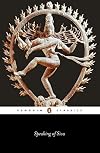
Speaking of Siva is a selection of vacanas or free-verse sayings from the Virasaiva religious movement, dedicated to Siva as the supreme god. Written by four major saints, the greatest exponents of this poetic form, between the tenth and twelfth centuries, they are passionate lyrical expressions of the search for an unpredictable and spontaneous spiritual vision of 'now'. Here, yogic and tantric symbols, riddles and enigmas subvert the language of ordinary experience, as references to night show more and day, sex and family relationships take on new mystical meanings. These intense poems of personal devotion to a single deity also question traditional belief systems, customs, superstitions, image worship and even moral strictures, in verse that speaks to all men and women regardless of class and caste. show less
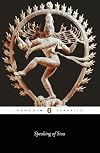
This is an English translation of some Kannada bhakti poems composed by four saints of the Virasaiva bhakti movement in the 12th century CE. The samplings are from Basavanna, Allama prabhu, Mahadevi akka and Dasimayya.
The Bhakti movement is a monotheistic socio-religious movement that promoted personal faith and devotion. They were opposed to Vedic rituals and caste hierarchy. They emphasised equality of everyone, as opposed to the Vedic religion where women, shudras and outcastes were show more treated as impure. Virasaiva saints acknowledge Siva as the Supreme Being.
The translation is excellent. Ramanujan does his best to retain the meaning and style. The poems themselves are beautiful and filled with passion and devotion. The wit of Basavanna, the allusions and paradoxes of Allama Prabhu and the love and ardour of Mahadevi akka.
There are two interesting appendices at the end. One a short one on the Virasaivik theology and philosophy and the other an anthropological article on the contemporary position of the Virasaiva movement as the Lingayat caste. That was written in 1960’s and so is a bit outdated. show less
The Bhakti movement is a monotheistic socio-religious movement that promoted personal faith and devotion. They were opposed to Vedic rituals and caste hierarchy. They emphasised equality of everyone, as opposed to the Vedic religion where women, shudras and outcastes were show more treated as impure. Virasaiva saints acknowledge Siva as the Supreme Being.
The translation is excellent. Ramanujan does his best to retain the meaning and style. The poems themselves are beautiful and filled with passion and devotion. The wit of Basavanna, the allusions and paradoxes of Allama Prabhu and the love and ardour of Mahadevi akka.
There are two interesting appendices at the end. One a short one on the Virasaivik theology and philosophy and the other an anthropological article on the contemporary position of the Virasaiva movement as the Lingayat caste. That was written in 1960’s and so is a bit outdated. show less
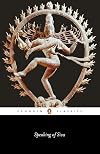
"Speaking of Siva" is a selection of vacanas or free-verse sayings from the Virasaiva religious movement, dedicated to Siva as the supreme god. Written by four major saints, the greatest exponents of this poetic form, between the tenth and twelfth centuries, they are passionate lyrical expressions of the search for an unpredictable and spontaneous spiritual vision of 'now'. Here, yogic and tantric symbols, riddles and enigmas subvert the language of ordinary experience, as references to show more night and day, sex and family relationships take on new mystical meanings. These intense poems of personal devotion to a single deity also question traditional belief systems, customs, superstitions, image worship and even moral strictures, in verse that speaks to all men and women regardless of class and caste. show less
Lists
Awards


You May Also Like


Associated Authors
Statistics
- Works
- 26
- Also by
- 12
- Members
- 1,135
- Popularity
- #22,615
- Rating
- 4.0
- Reviews
- 10
- ISBNs
- 44
- Languages
- 3