
Mary Ellen Copeland
Author of Fibromyalgia and Chronic Myofascial Pain: A Survival Manual
About the Author
Works by Mary Ellen Copeland
The Depression Workbook: A Guide for Living with Depression and Manic Depression, Second Edition (1992) 235 copies
Living Without Depression and Manic Depression: A Workbook for Maintaining Mood Stability (New Harbinger Workbooks) (1994) 51 copies
Winning Against Relapse: A Workbook of Action Plans for Recurring Health and Emotional Problems (1999) 23 copies
Recovering your mental health: action planning for prevention and recovery: A self-help guide (Consumer information series) (2002) 8 copies
Wellness Recovery Action Plan & Peer Support: Personal, Group and Program Development (2004) 5 copies
Developing a recovery and wellness lifestyle: A self-help guide (Consumer information series) (2002) 4 copies
The WRAP Story: First Person Account of Personal and System Recovery and Transformation (2008) 1 copy
WRAP 1 copy
Tagged
Common Knowledge
- Gender
- female
- Organizations
- Copeland Center for Wellness and Recovery
- Awards and honors
- John Beard Award (Outstanding Contribution to Psychosocial Recovery, 2006)
Voices Award (Lifetime Achievement, 2009) - Nationality
- USA
- Places of residence
- Vermont, USA
- Associated Place (for map)
- Vermont, USA
Members
Reviews
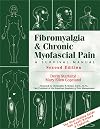
(4.5)
I wish everyone (and especially doctors) knew the basic information from this book. It's been nearly two decades since its publication, and doctors still aren't even close to being sort of informed on FMS or CMP. Some don't even believe they're real conditions.
I've been "officially diagnosed" with fibromyalgia for about two years now and since then, all I've got from medical professionals has been misunderstandings, frustration, the bare minimum of medications, and physical therapy that show more have harmed me more than helped. I finally decided to educate myself on my own condition, and I'm so, so glad that this was the first book I picked up.
It demystified so many aspects of FMS (and CMP, which I'm 100% sure is something I also have, but most--including my--doctors just lump together because of inadequate knowledge) that were unclear to me and gave me resources that made me feel empowered instead of always helpless.
What makes this book so great is that the author has fibromyalgia, and she speaks from a point of view that's so relatable and understanding. It doesn't sound distant, even when she's talking about extremely scientific things with long terms that could be text book material.
If I had to make one critique (because this book was, is, and will be helpful for anyone with these conditions), it would be that it is evident the author is pretty comfortable regarding money. Many solutions for delegating home tasks and chores, etc. is to hire someone, and if money is an issue, simply hire a teen who will work for lower rates. This was repeated so many times (hire someone) that it became more than an annoyance, because there are many people who could never be able to hire someone to help. It was also assumed that people could just talk to their bosses about needing help with their illnesses (without getting fired--or as if they already had a stable job--or as if they weren't people job searching, people who would probably need to start at the bottom with no way to ask for better accommodations if they wanted to be hired).
In any case, the book was so educational and the resources provided make it invaluable. show less
I wish everyone (and especially doctors) knew the basic information from this book. It's been nearly two decades since its publication, and doctors still aren't even close to being sort of informed on FMS or CMP. Some don't even believe they're real conditions.
I've been "officially diagnosed" with fibromyalgia for about two years now and since then, all I've got from medical professionals has been misunderstandings, frustration, the bare minimum of medications, and physical therapy that show more have harmed me more than helped. I finally decided to educate myself on my own condition, and I'm so, so glad that this was the first book I picked up.
It demystified so many aspects of FMS (and CMP, which I'm 100% sure is something I also have, but most--including my--doctors just lump together because of inadequate knowledge) that were unclear to me and gave me resources that made me feel empowered instead of always helpless.
What makes this book so great is that the author has fibromyalgia, and she speaks from a point of view that's so relatable and understanding. It doesn't sound distant, even when she's talking about extremely scientific things with long terms that could be text book material.
If I had to make one critique (because this book was, is, and will be helpful for anyone with these conditions), it would be that it is evident the author is pretty comfortable regarding money. Many solutions for delegating home tasks and chores, etc. is to hire someone, and if money is an issue, simply hire a teen who will work for lower rates. This was repeated so many times (hire someone) that it became more than an annoyance, because there are many people who could never be able to hire someone to help. It was also assumed that people could just talk to their bosses about needing help with their illnesses (without getting fired--or as if they already had a stable job--or as if they weren't people job searching, people who would probably need to start at the bottom with no way to ask for better accommodations if they wanted to be hired).
In any case, the book was so educational and the resources provided make it invaluable. show less
This book is an incredible companion for someone, like me, with FMS. I felt so shocked when I started reading about TrPs and how they manifest into the symptoms I know too well.
My favorite parts of this book were the chapters that discussed treatment. I am in the beginning stages of treatment and need all the helpful information I can get. The book offers non-biased perspectives - whether you are religious or not, whether you practice homeopathic methods of treatment or not..
Some common show more things that I found in this book (that the book advocates) is exercise and mindfulness. Personally I have found these things to be difficult at first, but they get better and have made my condition more manageable. I highly recommend this book if you are in need of guidance, or even if you don't know anything about fibromyalgia and would like to learn more. show less
My favorite parts of this book were the chapters that discussed treatment. I am in the beginning stages of treatment and need all the helpful information I can get. The book offers non-biased perspectives - whether you are religious or not, whether you practice homeopathic methods of treatment or not..
Some common show more things that I found in this book (that the book advocates) is exercise and mindfulness. Personally I have found these things to be difficult at first, but they get better and have made my condition more manageable. I highly recommend this book if you are in need of guidance, or even if you don't know anything about fibromyalgia and would like to learn more. show less
This was a very comprehensive overview of FM, very well written and informative.
This book is very helpful! It took me quite some time to finish though because it does stir up the past and un settled traumas. Once you push through all of the emotions though, the book truly feels freeing.
You May Also Like


Statistics
- Works
- 30
- Members
- 908
- Popularity
- #28,240
- Rating
- 3.7
- Reviews
- 7
- ISBNs
- 42
- Languages
- 1