
Fred Rosen (1)
Author of Lobster Boy
For other authors named Fred Rosen, see the disambiguation page.
About the Author
Fred Rosen teaches criminal justice and film at Ulster County Community College.
Works by Fred Rosen
There But For the Grace of God: Survivors of the 20th Century's Infamous Serial Killers (2007) 47 copies
Flesh Collectors: Their Ghoulish Appetites Drove Them to Crimes that Only (2003) 46 copies, 4 reviews
Four Shocking True Crime Tales: Body Dump, Flesh Collectors, Lobster Boy, and Deacon of Death (2017) 18 copies
Murdering the President: Alexander Graham Bell and the Race to Save James Garfield (2016) 15 copies, 1 review
Born to the Mob: The True-Life Story of the Only Man to Work for All Five of New York's Mafia Families (2004) — Author — 10 copies
Associated Works
Tagged
Common Knowledge
- Gender
- male
- Nationality
- USA
- Birthplace
- Brooklyn, New York, USA
- Associated Place (for map)
- New York, USA
Members
Reviews
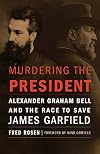
On page 45, I gave up.
Let that be stated in advance. I can't tell you exactly what this book is about. But I think I have justification.
The general background: James A. Garfield -- probably the smartest man ever to become president, although not good at making decisions -- was elected president in 1880, and found himself with the problem of reconciling the conflicting factions of the Republican party. Everybody wanted a patronage job! And they couldn't all be satisfied. One who could not was show more a very strange man named Charles Guiteau, who had delusions of competence. He lived by sponging off people and disappearing before his creditors could catch up with him. But he became convinced that he had done a tremendous amount of work to get Garfield elected. (In reality, if he had any effect on Garfield's election at all, it was probably negative, because anyone who listened to him would be so put off by him.)
Guiteau, in his delusions, eventually concluded that the only way to save the Republican party from itself was to assassinate Garfield. He managed to procure a pistol, and, reading of a train trip Garfield was to make, he showed up at the station and put two bullets into Garfield. (He would be apprehended, tried, and eventually hanged.)
Garfield's wounds were serious but need not have been fatal. A modern doctor would have extracted the bullets and probably had him resting in bed at home in a couple of days. A competent doctor of 1881 would have sterilized the wound and helped Garfield rest, and he would likely have recovered in a few months.
Garfield did not have a competent doctor. The man who took charge of his care was Doctor Willard Bliss. (That's his first name, "Doctor." He was Dr. Doctor Willard Bliss.) He was well into middle age, and he had learned surgery before Joseph Lister's work on antisepsis was known, and what was good enough for doctors in 1860 was good enough for Willard Bliss in 1881, yes, sirree. He spent three months sticking his dirty fingers into the more severe of Garfield's wounds (without ever extracting the bullet). Garfield would die as a result -- not of the bullets, but of the diseases contracted from his doctors' desire to act like they were doing something.
A few other things were tried along the line, such as a primitive try at air conditioning. Alexander Graham Bell of telephone fame had made a sort of metal detector by then; they tried to use it to find the bullet. It didn't work (there are various explanations for why; Bell's gadget should have worked in principle). Much of the book is about that.
So there are the basic facts: Garfield was shot, and Garfield died, and Doctor Bliss was at fault. Stated that simply, there is no argument.
There is argument about just why Bliss did what he did. The obvious answer is that he was a self-aggrandizing dunderhead. Every other history I've seen of these events accepts that. But Fred Rosen tries to blacken Bliss even more extensively.
That's where the problem comes in. Because most of his information is simply wrong.
Take his first major dig at Bliss, on pages 25-26. The time is the beginning of the Civil War, and Bliss is an army surgeon at the First Battle of Bull Run, serving with the Third Michigan Regiment. Rosen accuses Bliss of deserting because surgeons were needed and Bliss wasn't with his regiment.
Just one thing: The Third Michigan didn't need a surgeon just then. The records clearly show this. JoAnna M. McDonald, We Shall Meet Again, has a list of casualties at Bull Run, regiment by regiment. On page 192, she gives us the casualties of the Third Michigan. Or, rather, the non-casualties. The regiment had no killed, no missing, and just one man wounded. The regiment wasn't seriously engaged, it didn't need its surgeon, and Bliss didn't neglect his duties. (His superiors would testify to this effect. Rosen prints some of this, and sneers at it.)
Oh, and by the way, Yankees referred to Southrons as "The Sesech," not "The Sechers."
This pattern of not looking up basic facts continues. On page 29, Rosen refers to William Birney as a Major General. He wasn't; he eventually became a brevet Major General -- which means zilch. A brevet major general is a brigadier general (or, sometimes, a lower rank) who was recognized for doing something gallant but who still served at his old rank. And William Birney wasn't even a brevet major general at the time Rosen is talking about. (See Frederick Phisterer, Statistical Record of the Armies of the United States, p. 192. You see, unlike Rosen, I do my research.)
Or page 34. Hannibal was "the only general to defeat the Romans in battle." Ever hear of Carrhae? The battle where the Parthians destroyed the Roman army of Crassus, leaving it to Cassius, the future murderer of Caesar, to rescue what few troops he could? How about the battle of the Teutoburger Wald, which caused the Emperor Augustus to scream at the memory of his defeated commander, "Give me back my legions"? (From Suetonius's account of the life of Augustus; p. 65 in the Penguin translation.) Oh, and Alaric the Goth would sack Rome....
I finally quit on page 45, when Rosen decided that errors in history weren't enough; he'd add science, too. On that page, he suggests Abraham Lincoln had Marfan's Syndrome. He bases this on Lincoln's elongated limbs. But Marfan's has a number of other side effects that Lincoln didn't display. (Go ahead, google "Abraham Lincoln Marfan's Syndrome." There is a relevant Wikipedia entry that states that most competent authorities conclude Lincoln didn't have Marfan's.) If we want to hypothesize, there are plenty of better wild theories -- e.g. Lincoln was kicked in the head by a horse in his youth, which could have affected his pituitary gland, which regulates growth.
Maybe Willard Bliss truly was a sociopath -- after all, he billed the government for his work in killing the President! But if author Rosen wants to prove it, he needs to show that he can sift facts from... whatever this book is. James A. Garfield was a great mind. He deserves better than this. show less
Let that be stated in advance. I can't tell you exactly what this book is about. But I think I have justification.
The general background: James A. Garfield -- probably the smartest man ever to become president, although not good at making decisions -- was elected president in 1880, and found himself with the problem of reconciling the conflicting factions of the Republican party. Everybody wanted a patronage job! And they couldn't all be satisfied. One who could not was show more a very strange man named Charles Guiteau, who had delusions of competence. He lived by sponging off people and disappearing before his creditors could catch up with him. But he became convinced that he had done a tremendous amount of work to get Garfield elected. (In reality, if he had any effect on Garfield's election at all, it was probably negative, because anyone who listened to him would be so put off by him.)
Guiteau, in his delusions, eventually concluded that the only way to save the Republican party from itself was to assassinate Garfield. He managed to procure a pistol, and, reading of a train trip Garfield was to make, he showed up at the station and put two bullets into Garfield. (He would be apprehended, tried, and eventually hanged.)
Garfield's wounds were serious but need not have been fatal. A modern doctor would have extracted the bullets and probably had him resting in bed at home in a couple of days. A competent doctor of 1881 would have sterilized the wound and helped Garfield rest, and he would likely have recovered in a few months.
Garfield did not have a competent doctor. The man who took charge of his care was Doctor Willard Bliss. (That's his first name, "Doctor." He was Dr. Doctor Willard Bliss.) He was well into middle age, and he had learned surgery before Joseph Lister's work on antisepsis was known, and what was good enough for doctors in 1860 was good enough for Willard Bliss in 1881, yes, sirree. He spent three months sticking his dirty fingers into the more severe of Garfield's wounds (without ever extracting the bullet). Garfield would die as a result -- not of the bullets, but of the diseases contracted from his doctors' desire to act like they were doing something.
A few other things were tried along the line, such as a primitive try at air conditioning. Alexander Graham Bell of telephone fame had made a sort of metal detector by then; they tried to use it to find the bullet. It didn't work (there are various explanations for why; Bell's gadget should have worked in principle). Much of the book is about that.
So there are the basic facts: Garfield was shot, and Garfield died, and Doctor Bliss was at fault. Stated that simply, there is no argument.
There is argument about just why Bliss did what he did. The obvious answer is that he was a self-aggrandizing dunderhead. Every other history I've seen of these events accepts that. But Fred Rosen tries to blacken Bliss even more extensively.
That's where the problem comes in. Because most of his information is simply wrong.
Take his first major dig at Bliss, on pages 25-26. The time is the beginning of the Civil War, and Bliss is an army surgeon at the First Battle of Bull Run, serving with the Third Michigan Regiment. Rosen accuses Bliss of deserting because surgeons were needed and Bliss wasn't with his regiment.
Just one thing: The Third Michigan didn't need a surgeon just then. The records clearly show this. JoAnna M. McDonald, We Shall Meet Again, has a list of casualties at Bull Run, regiment by regiment. On page 192, she gives us the casualties of the Third Michigan. Or, rather, the non-casualties. The regiment had no killed, no missing, and just one man wounded. The regiment wasn't seriously engaged, it didn't need its surgeon, and Bliss didn't neglect his duties. (His superiors would testify to this effect. Rosen prints some of this, and sneers at it.)
Oh, and by the way, Yankees referred to Southrons as "The Sesech," not "The Sechers."
This pattern of not looking up basic facts continues. On page 29, Rosen refers to William Birney as a Major General. He wasn't; he eventually became a brevet Major General -- which means zilch. A brevet major general is a brigadier general (or, sometimes, a lower rank) who was recognized for doing something gallant but who still served at his old rank. And William Birney wasn't even a brevet major general at the time Rosen is talking about. (See Frederick Phisterer, Statistical Record of the Armies of the United States, p. 192. You see, unlike Rosen, I do my research.)
Or page 34. Hannibal was "the only general to defeat the Romans in battle." Ever hear of Carrhae? The battle where the Parthians destroyed the Roman army of Crassus, leaving it to Cassius, the future murderer of Caesar, to rescue what few troops he could? How about the battle of the Teutoburger Wald, which caused the Emperor Augustus to scream at the memory of his defeated commander, "Give me back my legions"? (From Suetonius's account of the life of Augustus; p. 65 in the Penguin translation.) Oh, and Alaric the Goth would sack Rome....
I finally quit on page 45, when Rosen decided that errors in history weren't enough; he'd add science, too. On that page, he suggests Abraham Lincoln had Marfan's Syndrome. He bases this on Lincoln's elongated limbs. But Marfan's has a number of other side effects that Lincoln didn't display. (Go ahead, google "Abraham Lincoln Marfan's Syndrome." There is a relevant Wikipedia entry that states that most competent authorities conclude Lincoln didn't have Marfan's.) If we want to hypothesize, there are plenty of better wild theories -- e.g. Lincoln was kicked in the head by a horse in his youth, which could have affected his pituitary gland, which regulates growth.
Maybe Willard Bliss truly was a sociopath -- after all, he billed the government for his work in killing the President! But if author Rosen wants to prove it, he needs to show that he can sift facts from... whatever this book is. James A. Garfield was a great mind. He deserves better than this. show less
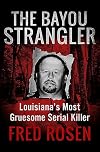
This was a hard book to read, the fact that those who were being killed were homosexual and not worth the bother in the eyes of the law at the time upset me. Knowing that being different made you less of a human being, and less of a priority, when others of the same orientation were being systematically killed was just wrong. I do not remember any of these murders being mentioned on the news during that time, showing even more, that the men being killed didn't matter. It's horrible that it show more took so long for the various police agencies to work together. If they had maybe they would have stopped the killings sooner. It's definitely worth the read for the true crime lover who hadn't heard of this episode in hate crimes. show less
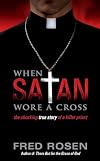
On Saturday, April 5, 1980 in Toledo, Ohio - on one of the holiest days of the Church calendar - the body of a nun was discovered in the sacristy of the hospital chapel. Seventy-one year old Sister Margaret Ann Pahl had been brutally murdered - strangled and stabbed, her body arranged in a shocking and shameful pose. But the police's most likely suspect was inexplicably released from custody and the investigation was quietly buried. Despite damning evidence, Father Gerald Robinson went show more free.
Twenty-three years later the priest's name resurfaced in connection with a bizarre case of satanic ritual and abuse. This prompted investigators to exhume the remains of Sister Margaret Ann to search for the incontrovertible proof that would indelibly mark Father Robinson as Sister Margaret Ann's killer: the sign of the Devil.
When Satan Wore a Cross is the shocking true story of official cover-ups, madness, murder and lies - and of an unholy human monster who disguised himself in holy garb.
I loved this book. The case was shocking to begin with, and I actually do remember when Gerald Robinson finally went on trial for Sister Margaret Ann's murder. Although, the television coverage that I watched certainly tamped down the satanic ritualistic element of the crime. This book was very clearly written, and I enjoyed the author's writing style - it was just detailed enough to be interesting, and not cluttered too much with technical jargon. I give this book an A+! show less
Twenty-three years later the priest's name resurfaced in connection with a bizarre case of satanic ritual and abuse. This prompted investigators to exhume the remains of Sister Margaret Ann to search for the incontrovertible proof that would indelibly mark Father Robinson as Sister Margaret Ann's killer: the sign of the Devil.
When Satan Wore a Cross is the shocking true story of official cover-ups, madness, murder and lies - and of an unholy human monster who disguised himself in holy garb.
I loved this book. The case was shocking to begin with, and I actually do remember when Gerald Robinson finally went on trial for Sister Margaret Ann's murder. Although, the television coverage that I watched certainly tamped down the satanic ritualistic element of the crime. This book was very clearly written, and I enjoyed the author's writing style - it was just detailed enough to be interesting, and not cluttered too much with technical jargon. I give this book an A+! show less
Excellent book on Ronald J. Dominique, a little known serial killer in Louisiana. He was there during the time that Todd Derrick Lee was, so he was overshadowed. However, this book is worth the read! It is very well researched and written. I had a hard time putting it down. If you enjoy reading about serial killers, especially ones that are not so popular or in the public eye as much, this is for you! Great book!
You May Also Like


Associated Authors
Statistics
- Works
- 23
- Also by
- 1
- Members
- 659
- Popularity
- #38,282
- Rating
- 3.0
- Reviews
- 24
- ISBNs
- 110
- Languages
- 1