
Lewis L. Gould
Author of Grand Old Party: A History of the Republicans
About the Author
Lewis L. Gould's many books include The Presidency of Theodore Roosevelt, Four Hats in the Ring: The 1912 Election and the Birth of Modern American Politics, and The William Howard Taft Presidency. He lives in Austin, Texas.
Image credit: Perseus Books Group
Series
Works by Lewis L. Gould
Four Hats in the Ring: The 1912 Election and the Birth of Modern American Politics (2008) 103 copies, 1 review
The First Modern Clash over Federal Power: Wilson versus Hughes in the Presidential Election of 1916 (American Presidential Elections) (2016) 12 copies
Watching Television Come of Age: The New York Times Reviews by Jack Gould (Focus on American History Series) (2002) 7 copies
My Dearest Nellie: The Letters of William Howard Taft to Helen Herron Taft, 1909-1912 (2011) 4 copies
Rhode Island's First Ladies 1 copy
Tagged
Common Knowledge
- Legal name
- Gould, Lewis Ludlow
- Birthdate
- 1939-09-21
- Gender
- male
- Education
- Brown University
Yale University (M.A.)
Yale University (Ph.D.) - Occupations
- historian
university professor emeritus - Organizations
- University of Texas, Austin
- Nationality
- USA
- Places of residence
- Austin, Texas, USA
- Associated Place (for map)
- Texas, USA
Members
Reviews
Four Hats in the Ring: The 1912 Election and the Birth of Modern American Politics (American Presidential Elections) by Lewis L. Gould
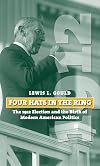
Which was the first modern presidential election in American history? It’s a question the answer to which depends on how you define the elements that make an election “modern.” Is it with the establishment of the present bi-polar party system in 1860? Or is it with the introduction of television in 1952 and the increasing personalization of presidential campaigns that it brought?
In this book Lewis Gould makes the case for viewing the 1912 presidential election as the first modern one show more in American history. For Gould, the election that year deserves this distinction for a number of key factors, including its incorporation of presidential primaries into the selection process, the year-long campaigning in which the candidates engaged, the growing role of the media, and the shift from voter mobilization to voter education as the main focus of the campaigns. These are all valid and significant points, yet Gould undermines his argument somewhat by noting the transitional nature of these elements: for example, while presidential primaries received considerable attention, in the end the candidates were at the party conventions in much the same way as they had been over the previous eight decades. Conversely, media influence was hardly new to presidential campaigns, and the growing competition of sports and lurid criminal trials that Gould describes arguably diminished their influence on the contest rather than enhanced it.
While these factors might point to regarding the 1912 presidential contest as embodying transitions taking place rather than being a fully modern one in its own right, it was no less remarkable for it. In 1912 American voters faced a unique range of choices thanks to a series of developments that Gould describes. He traces the beginnings of these developments to the presidential election of 1908, in which Theodore Roosevelt’s handpicked nominee, William Howard Taft, won a comfortable victory over perennial Democratic contender William Jennings Bryan. Roosevelt had selected Taft in the belief that he shared Roosevelt’s views on political issues. Yet Taft soon demonstrated otherwise, and his handling of such matters as antitrust cases and the controversy surrounding the Ballinger-Pinchot affair increasingly soured Roosevelt on Taft’s conduct in office.
The growing dissension among Republicans gave Democrats an opportunity they were eager to take. Having lost the last four presidential elections, the Democrats were hungry for victory. While Champ Clark, the Speaker of the House of Representatives, was regarded as the front runner. Many Democrats looked to the newly elected governor of New Jersey, Woodrow Wilson, as the man best able to win the White House. Though long regarded as a conservative, Wilson’s embrace of progressive reforms enhanced his image as a broadly appealing candidate around whom the entire party could unite while the Republican Party fractured.
This fracture came when the Republicans gathered to decide their nominee. Gould’s description of the Republican primary is among the best parts of the book, as he offers a convincing explanation of the factors that led to the split. Foremost among them was Roosevelt himself, who though a beloved former president and national celebrity was out of touch with many political elements. While he dithered on whether to challenge Taft the president’s secretary, Charles Hilles, laid the groundwork for Taft to claim the nomination at the convention. Complicating everything was Robert La Follette, the Wisconsin senator who sought the presidency for himself. Even after Roosevelt announced his candidacy in February La Follette refused to withdraw, splitting the party’s progressives and paving the way for Taft’s forces to dominate the party’s convention.
As Gould makes clear, though, Taft knew that he stood no chance of winning a second term. Though his reelection was doomed the moment the progressive faction walked out of the convention, Gould makes the case that even if Roosevelt had not mounted a third-party candidacy Wilson would likely have won in 1912, as the split only laid bare the growing tension that already existed between the conservative and progressive wings of the GOP. Instead American voters that year were given a range of candidates distinguished by real ideological differences, ranging from Taft’s conservatism, Roosevelt’s “New Nationalism,” Wilson’s “New Freedom,” and the Socialist policies advocated by Eugene Debs. Yet the debate over the contrasting choices did little to alter the outcome, which Gould sees as ultimately decided by Democratic unity in the face of Republican division.
In his preface to the book Gould notes that his is far from the first account of the momentous 1912 election. It is easily the best so far, though, thanks to the author’s prodigious knowledge about the era and the depth of his research. His examination of the role of women in the presidential campaigns and how African Americans responded to the lamentable options open to them is especially valuable for the broader perspective Gould brings to his examination of voters’ responses. Though his prose is more workmanlike than engaging and his book suffers from an annoying degree of repetition, it is nonetheless the best work available about a fascinating presidential contest, and one that everyone interested in it should read. show less
In this book Lewis Gould makes the case for viewing the 1912 presidential election as the first modern one show more in American history. For Gould, the election that year deserves this distinction for a number of key factors, including its incorporation of presidential primaries into the selection process, the year-long campaigning in which the candidates engaged, the growing role of the media, and the shift from voter mobilization to voter education as the main focus of the campaigns. These are all valid and significant points, yet Gould undermines his argument somewhat by noting the transitional nature of these elements: for example, while presidential primaries received considerable attention, in the end the candidates were at the party conventions in much the same way as they had been over the previous eight decades. Conversely, media influence was hardly new to presidential campaigns, and the growing competition of sports and lurid criminal trials that Gould describes arguably diminished their influence on the contest rather than enhanced it.
While these factors might point to regarding the 1912 presidential contest as embodying transitions taking place rather than being a fully modern one in its own right, it was no less remarkable for it. In 1912 American voters faced a unique range of choices thanks to a series of developments that Gould describes. He traces the beginnings of these developments to the presidential election of 1908, in which Theodore Roosevelt’s handpicked nominee, William Howard Taft, won a comfortable victory over perennial Democratic contender William Jennings Bryan. Roosevelt had selected Taft in the belief that he shared Roosevelt’s views on political issues. Yet Taft soon demonstrated otherwise, and his handling of such matters as antitrust cases and the controversy surrounding the Ballinger-Pinchot affair increasingly soured Roosevelt on Taft’s conduct in office.
The growing dissension among Republicans gave Democrats an opportunity they were eager to take. Having lost the last four presidential elections, the Democrats were hungry for victory. While Champ Clark, the Speaker of the House of Representatives, was regarded as the front runner. Many Democrats looked to the newly elected governor of New Jersey, Woodrow Wilson, as the man best able to win the White House. Though long regarded as a conservative, Wilson’s embrace of progressive reforms enhanced his image as a broadly appealing candidate around whom the entire party could unite while the Republican Party fractured.
This fracture came when the Republicans gathered to decide their nominee. Gould’s description of the Republican primary is among the best parts of the book, as he offers a convincing explanation of the factors that led to the split. Foremost among them was Roosevelt himself, who though a beloved former president and national celebrity was out of touch with many political elements. While he dithered on whether to challenge Taft the president’s secretary, Charles Hilles, laid the groundwork for Taft to claim the nomination at the convention. Complicating everything was Robert La Follette, the Wisconsin senator who sought the presidency for himself. Even after Roosevelt announced his candidacy in February La Follette refused to withdraw, splitting the party’s progressives and paving the way for Taft’s forces to dominate the party’s convention.
As Gould makes clear, though, Taft knew that he stood no chance of winning a second term. Though his reelection was doomed the moment the progressive faction walked out of the convention, Gould makes the case that even if Roosevelt had not mounted a third-party candidacy Wilson would likely have won in 1912, as the split only laid bare the growing tension that already existed between the conservative and progressive wings of the GOP. Instead American voters that year were given a range of candidates distinguished by real ideological differences, ranging from Taft’s conservatism, Roosevelt’s “New Nationalism,” Wilson’s “New Freedom,” and the Socialist policies advocated by Eugene Debs. Yet the debate over the contrasting choices did little to alter the outcome, which Gould sees as ultimately decided by Democratic unity in the face of Republican division.
In his preface to the book Gould notes that his is far from the first account of the momentous 1912 election. It is easily the best so far, though, thanks to the author’s prodigious knowledge about the era and the depth of his research. His examination of the role of women in the presidential campaigns and how African Americans responded to the lamentable options open to them is especially valuable for the broader perspective Gould brings to his examination of voters’ responses. Though his prose is more workmanlike than engaging and his book suffers from an annoying degree of repetition, it is nonetheless the best work available about a fascinating presidential contest, and one that everyone interested in it should read. show less
A fascinating look inside one of the special collections at the University of Texas that deals with Mississippi's history and culture. The disappointing thing is that the collection itself seems to be misnamed "The Natchez Trace Collection" when it primarily focuses on the Natchez area rather than the entire Natchez Trace which runs from Tennessee, through the northwest corner of Alabama, and through Mississippi. My primary purpose in reading this book was to try to assess what the show more collection held in terms of value to genealogists exploring their Mississippi ancestry. My conclusion is that it is very valuable if your ancestors resided in the Southern portion of the state and far less valuable if your ancestors, like mine, were in the northern portion. The book contains several overview essays written from different perspectives to show what is available in that area (such as slave studies, women's studies, sectionalism, etc.) The essays are well-written. I would have liked to have seen an essay included written from a genealogist's perspective. I was, however, impressed that one of the authors did recognize the value of genealogy to historical research. This is a good overview volume, but to really mine the worth of the collection, one has to go to Austin and use it. show less
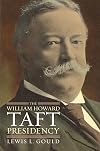
There are not a lot of biographies written about Taft. This book is a part of the American Presidency Series. It focuses only on Taft's presidency, providing a relatively comprehensive account of those four years.
Although Taft was hand selected by Theodore Roosevelt as his successor, Taft struggled to fill the shoes of the charismatic Roosevelt. Taft faced a number of controversies during his first two years in office, and never seemed to find his political footing. When the Democrats show more gained Congressional seats in the 1910 elections, Taft had even more trouble achieving his goals. As it became obvious that Taft's stance on major issues and on the powers of the President differed substantially from Roosevelt's, Taft and Roosevelt became openly antagonistic towards one another. When Roosevelt ran as a third party candidate in the 1912 election, Taft finished a distant third and became a one-term president.
Because Taft was President exactly 100 years ago, it was interesting to compare the Presidency from then to now. For example, the State of the Union was not a televised speech (or even a radio-broadcast speech), but a letter to Congress. Taft's use of government funds to travel around the country was controversial, and his trip to Panama was even more unusual.
While this book provided a good description of Taft's presidency, informed by documents that had not been used by previous biographers, it was a little dry. While the major events were covered, there was less analysis of Taft's presidency as a whole. Because Roosevelt played such a big part in Taft's presidency, many of these same events were covered in the Roosevelt biography that I read last month. Even so, I was glad to get a better understanding of this President. show less
Although Taft was hand selected by Theodore Roosevelt as his successor, Taft struggled to fill the shoes of the charismatic Roosevelt. Taft faced a number of controversies during his first two years in office, and never seemed to find his political footing. When the Democrats show more gained Congressional seats in the 1910 elections, Taft had even more trouble achieving his goals. As it became obvious that Taft's stance on major issues and on the powers of the President differed substantially from Roosevelt's, Taft and Roosevelt became openly antagonistic towards one another. When Roosevelt ran as a third party candidate in the 1912 election, Taft finished a distant third and became a one-term president.
Because Taft was President exactly 100 years ago, it was interesting to compare the Presidency from then to now. For example, the State of the Union was not a televised speech (or even a radio-broadcast speech), but a letter to Congress. Taft's use of government funds to travel around the country was controversial, and his trip to Panama was even more unusual.
While this book provided a good description of Taft's presidency, informed by documents that had not been used by previous biographers, it was a little dry. While the major events were covered, there was less analysis of Taft's presidency as a whole. Because Roosevelt played such a big part in Taft's presidency, many of these same events were covered in the Roosevelt biography that I read last month. Even so, I was glad to get a better understanding of this President. show less
As with all of the volumes in this series, this is a straightforward narrative on the topic, with a minimum of subjectivity or analysis. As such, it is good, solid old-school history. Although it is written in a rather plodding style, the book is not time-consuming to read and is a very good treatment of the administration.
Lists
You May Also Like


Associated Authors
Statistics
- Works
- 33
- Members
- 1,083
- Popularity
- #23,732
- Rating
- 3.6
- Reviews
- 13
- ISBNs
- 117
- Favorited
- 1