

Cynthia Freeman (1915–1988)
Author of The Last Princess
About the Author
Works by Cynthia Freeman
Money does grow on trees! Kids, learn how to earn, spend, save, and invest your money. (2000) 3 copies
Tagged
Common Knowledge
- Legal name
- Feinburg, Beatrice Cynthia Freeman
- Birthdate
- 1915-01-10
- Date of death
- 1988-10-22
- Gender
- female
- Occupations
- interior decorator
- Short biography
- Beatrice Cynthia Freeman (January 10, 1915 - October 22, 1988) was an American novelist. She was born in New York City, where, as a young girl, she began writing books but abandoned writing to pursue a career running an interior decoration business. When poor health forced her to give up her business, she decided to dust off an old manuscript from childhood but discovered the cleaning lady had thrown it out. From memory, she rewrote the story.
Ms Freeman specialized in multi-generational stories of Jewish families, centering on a female protagonist. Her novel, "No Time For Tears," was No.10 on the list of bestselling novels in the United States for 1981 as determined by the New York Times. Her books were translated into thirty-three languages, selling more than twenty million copies worldwide.
Cynthia Freeman died of cancer in San Francisco in 1988, aged 73. - Nationality
- USA
- Places of residence
- New York, New York, USA
San Francisco, California, USA - Associated Place (for map)
- USA
Members
Reviews
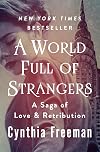
This saga of New York City, Chicago and San Francisco in the 1930's, 40's and 50's, of Jewish identity, prejudice and the cost of living a lie at the expense of your character is a real page turner, one that's tough to put down, and will make you sad, angry, empathetic and compassionate all at the same time.
You'll feel sorry for David Rezinetsky/Reid, even when you want to throttle him. Both tough and vulnerable, he lets his ambition get the better of him and makes a life choice without show more figuring the long term, which will later be felt by his wife, Katie and their son, Mark. Even when he has his own doubts, he feels compelled to stick to his deception, despite the cost.
The novel shows the passage of time through the changes in personality, as David loses the balance he had in keeping his ambitions from taking over his better self, while his love and desire go from down to earth Katie to sophisticated socialite Maggie Kent. Katie, meanwhile, changes from adoring wife to betrayed one, and in the process develops a stronger character and more forceful personality, as she refuses to be anyone's fool.
Meanwhile, their son Mark grows from a boy desperate for his father's time and attention to a young man who makes some discoveries about the past that affect his future and jeopardize his already precarious relationship with David.
There are minor characters that add to the story, like Chaim, Adrienne and Jim Fowler, each important in their own way.
My only complaint Maggie's marriage to Peter, which, considering her strong, independent character, I find implausible. Aside from that, this book is a great one, and shouldn't be passed up. show less
You'll feel sorry for David Rezinetsky/Reid, even when you want to throttle him. Both tough and vulnerable, he lets his ambition get the better of him and makes a life choice without show more figuring the long term, which will later be felt by his wife, Katie and their son, Mark. Even when he has his own doubts, he feels compelled to stick to his deception, despite the cost.
The novel shows the passage of time through the changes in personality, as David loses the balance he had in keeping his ambitions from taking over his better self, while his love and desire go from down to earth Katie to sophisticated socialite Maggie Kent. Katie, meanwhile, changes from adoring wife to betrayed one, and in the process develops a stronger character and more forceful personality, as she refuses to be anyone's fool.
Meanwhile, their son Mark grows from a boy desperate for his father's time and attention to a young man who makes some discoveries about the past that affect his future and jeopardize his already precarious relationship with David.
There are minor characters that add to the story, like Chaim, Adrienne and Jim Fowler, each important in their own way.
My only complaint Maggie's marriage to Peter, which, considering her strong, independent character, I find implausible. Aside from that, this book is a great one, and shouldn't be passed up. show less

This was the first Cynthia Freeman book I read, and because I enjoyed it so much I looked forward to reading the rest. What a disappointment, as I never cared for any of them, couldn't even read them the whole way through. (I've wondered if she really wrote those others, or did some less talented author steal her identity?)
But enough of that. This book probably reflected the lives of real people, who felt they had to deny their heritage in order to succeed in what's supposed to be a country show more of equal opportunity. (Excuse me while I choke.) American hypocrisy at its best. David Rezinetsky becomes David Reid, escapes his Jewish past,(and the prejudice that goes with it) and becomes more successful than he ever dreamed, but pays a price for it. His wife, Katie, also pays, for going along with what she knew in her heart was wrong. She was in love and wanted to be a good wife and be a part of her husband's dream, but when she can't share that dream, where does that leave her?
David and Katie were a mismatch from the start. She was lonely, he was restless and dissatisfied, they were drawn together but didn't belong together. A HEA was not in the cards.
Neither was David's relationship with Maggie Kent destined to work. To be honest, I don't know what he saw in her, she was a self involved socialite, who seemed to think she was God's gift, strung nice guy Peter along, knowing that he loved her, because he was convenient to date and sleep with, dumped him to start an affair with David, knowing he was married and had a son and - even worse - he was a client of hers (she was a decorator, working on his house),which today would be seen as unethical behavior. She boo hoos over her lack of a social life when she and David can't be seen as a couple in public, and, despite her claims about being independent, when things start coming apart she elopes with Peter, who was such a beta he actually still loved her, didn't even move on with his life all the time she was with David. (She made a hypocritical speech about how marriage where one partner was in love and the other wasn't wouldn't work for her, then she goes and gets herself in that situation. Talk about pathetic.)
Katie disappointed me as well. No one could fault her for trying to make her marriage work, but there came a time when she should have realized how hopeless it was, long before she found out about Maggie. When she did, she should have confronted David with the truth, gotten a divorce (and with a good lawyer ended up a rich divorcee) and found herself a man who could really love her. Instead, she keeps quiet, bides her time, and then gets back at David by refusing to divorce him. She gained nothing from that, except to make things tougher for her son, Mark, who got caught up in all the lies, deceptions, and unhappiness. Because David no longer wanted to be Jewish, and Katie didn't want to become Christian, they had no religion at all, and Mark felt the loss of it, as that's so often a part of identity.
Ironically, one of the things that bothered David the most was that he never felt his father really cared for him, he never seemed to have time to listen or really get to know him, and then he went and repeated that pattern with Mark.
When David has moments of guilt for the decision he made (which included turning his back on his family after his father disowned him), especially when confronted with people who stayed true to their Jewish heritage and still became successful, it makes him bitter and angry, and turns him into one of the bigots he sought to escape from. He goes so far as to order Mark to end a friendship when he finds out the boy's Jewish, and later on completely loses it when Mark falls in love with a young Jewish woman.
Who knows what would have happened if David hadn't overheard those anti-semitic remarks when he went for that job interview, if his father had been more understanding instead of quoting the Torah, if the rest of his family had the guts to stand up to his father.....he may have stayed Jewish and been a much happier person. show less
But enough of that. This book probably reflected the lives of real people, who felt they had to deny their heritage in order to succeed in what's supposed to be a country show more of equal opportunity. (Excuse me while I choke.) American hypocrisy at its best. David Rezinetsky becomes David Reid, escapes his Jewish past,(and the prejudice that goes with it) and becomes more successful than he ever dreamed, but pays a price for it. His wife, Katie, also pays, for going along with what she knew in her heart was wrong. She was in love and wanted to be a good wife and be a part of her husband's dream, but when she can't share that dream, where does that leave her?
David and Katie were a mismatch from the start. She was lonely, he was restless and dissatisfied, they were drawn together but didn't belong together. A HEA was not in the cards.
Neither was David's relationship with Maggie Kent destined to work. To be honest, I don't know what he saw in her, she was a self involved socialite, who seemed to think she was God's gift, strung nice guy Peter along, knowing that he loved her, because he was convenient to date and sleep with, dumped him to start an affair with David, knowing he was married and had a son and - even worse - he was a client of hers (she was a decorator, working on his house),which today would be seen as unethical behavior. She boo hoos over her lack of a social life when she and David can't be seen as a couple in public, and, despite her claims about being independent, when things start coming apart she elopes with Peter, who was such a beta he actually still loved her, didn't even move on with his life all the time she was with David. (She made a hypocritical speech about how marriage where one partner was in love and the other wasn't wouldn't work for her, then she goes and gets herself in that situation. Talk about pathetic.)
Katie disappointed me as well. No one could fault her for trying to make her marriage work, but there came a time when she should have realized how hopeless it was, long before she found out about Maggie. When she did, she should have confronted David with the truth, gotten a divorce (and with a good lawyer ended up a rich divorcee) and found herself a man who could really love her. Instead, she keeps quiet, bides her time, and then gets back at David by refusing to divorce him. She gained nothing from that, except to make things tougher for her son, Mark, who got caught up in all the lies, deceptions, and unhappiness. Because David no longer wanted to be Jewish, and Katie didn't want to become Christian, they had no religion at all, and Mark felt the loss of it, as that's so often a part of identity.
Ironically, one of the things that bothered David the most was that he never felt his father really cared for him, he never seemed to have time to listen or really get to know him, and then he went and repeated that pattern with Mark.
When David has moments of guilt for the decision he made (which included turning his back on his family after his father disowned him), especially when confronted with people who stayed true to their Jewish heritage and still became successful, it makes him bitter and angry, and turns him into one of the bigots he sought to escape from. He goes so far as to order Mark to end a friendship when he finds out the boy's Jewish, and later on completely loses it when Mark falls in love with a young Jewish woman.
Who knows what would have happened if David hadn't overheard those anti-semitic remarks when he went for that job interview, if his father had been more understanding instead of quoting the Torah, if the rest of his family had the guts to stand up to his father.....he may have stayed Jewish and been a much happier person. show less

Freeman brilliantly uses a single family to give the reader a complete picture of what was happening in the world to all the Jews. It primarily focuses on the life and points of view of Chavala and Dovid.
Chavala is the eldest sister of four sisters and a brother. She feels a responsibility for the whole family, which is understandable, given the events of the first chapter. Dovid, on the other hand, feels his greatest responsibility is to Israel and doing everything in his power to attempt show more to convince any empire to create the State of Israel. Though Dovid himself is fictional, I'm sure that the creation of Israel is due to real men out there who had the dedication and determination of this character. Overall, I loved the book. Each of the five sisters were different and they had their problems. Like sisters do. They also had problems within their families that they sometimes shared and sometimes didn't with each other. No one went completely unscathed by life, which is realistic. The one brother also had good and bad times. Each of the siblings start with opinions and ideas of the world that change and grow as circumstances and conflict destroy those ideas. Each goes through life changing events and are realistically changed.It also didn't end with too neat a bow, but was still a happy ending.
The book covers a lot of time and a lot of places. The way that Freeman manages to cover all of this is just amazing. She depends on the reader to know of the more popularized world events such as the Holocaust and the Great Depression, so she doesn't do much more than refer to them as things that are going on. Then she tells you where everyone sits with this events, bringing them in but not feeling the need to get into how they went down. The how isn't as important as recognizing that these events shaped the characters and that most people know exactly what has happening during these times. The Holocaust was mostly covered from the point of view of Israel as a set of settlements in Palestine yearning to be a state which I had never seen before. It wasn't even until recently that I had been made aware that there had been Jews living in Israel/Palestine prior to WWII. I get how ridiculous it sounds, but I just didn't get that part in high school history class. I originally got it from another book. show less
Chavala is the eldest sister of four sisters and a brother. She feels a responsibility for the whole family, which is understandable, given the events of the first chapter. Dovid, on the other hand, feels his greatest responsibility is to Israel and doing everything in his power to attempt show more to convince any empire to create the State of Israel. Though Dovid himself is fictional, I'm sure that the creation of Israel is due to real men out there who had the dedication and determination of this character. Overall, I loved the book. Each of the five sisters were different and they had their problems. Like sisters do. They also had problems within their families that they sometimes shared and sometimes didn't with each other. No one went completely unscathed by life, which is realistic. The one brother also had good and bad times. Each of the siblings start with opinions and ideas of the world that change and grow as circumstances and conflict destroy those ideas. Each goes through life changing events and are realistically changed.It also didn't end with too neat a bow, but was still a happy ending.
The book covers a lot of time and a lot of places. The way that Freeman manages to cover all of this is just amazing. She depends on the reader to know of the more popularized world events such as the Holocaust and the Great Depression, so she doesn't do much more than refer to them as things that are going on. Then she tells you where everyone sits with this events, bringing them in but not feeling the need to get into how they went down. The how isn't as important as recognizing that these events shaped the characters and that most people know exactly what has happening during these times. The Holocaust was mostly covered from the point of view of Israel as a set of settlements in Palestine yearning to be a state which I had never seen before. It wasn't even until recently that I had been made aware that there had been Jews living in Israel/Palestine prior to WWII. I get how ridiculous it sounds, but I just didn't get that part in high school history class. I originally got it from another book. show less

Tudo começa com sua chegada a Nova York, vinda do interior, uma ingênua moça de 19 anos, aterrorizada com o gigantismo da cidade, totalmente insegura pelo pouco conhecimento que tinha de si própria e de suas origens. A história continua com o casamento e a maturidade, posteriormente com a inconsolável separação e o divórcio, e chega ao ponto máximo quando, já na casa dos 40, ela vem conhecer um homem que provoca uma mudança em sua vida, fazendo-a sentir não somente todo o legado show more de sua raça, como também oferecendo-lhe uma oportunidade para se realizar de maneira plena como mulher. show less
Awards


You May Also Like


Statistics
- Works
- 27
- Members
- 1,046
- Popularity
- #24,627
- Rating
- 3.4
- Reviews
- 17
- ISBNs
- 160
- Languages
- 9
- Favorited
- 1