
Douglas L. Wilson
Author of Honor's Voice
About the Author
Douglas L. Wilson is codirector of the Lincoln Studies Center at Knox College.
Image credit: Library of Congress
Works by Douglas L. Wilson
Herndon's Informants: Letters, Interviews, and Statements about Abraham Lincoln (1997) 46 copies, 1 review
Great Lincoln Documents: Historians Present Treasures from the Gilder Lehrman Collection (2009) 18 copies
Long Remembered: Lincoln and His Five Versions of the Gettysburg Address (2011) — Contributor — 9 copies
LINCOLN THE PERSUADER 1 copy
Jefferson unbound 1 copy
Associated Works
The Genteel Tradition in American Philosophy and Character and Opinion in the United States (1967) — Editor, some editions — 99 copies
Tagged
Common Knowledge
- Birthdate
- 1935-11-10
- Gender
- male
- Nationality
- USA
- Associated Place (for map)
- USA
Members
Reviews
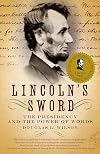
In light of today's presidential practice of communicating via impulsive, shallow and boorish "tweets" it is inspiring to study the magnificent writing skill of our greatest president. This book is a deep analysis of Lincoln's approach to writing and his mastery of communicating complex ideas to the general public in an accessible fashion.
Lincoln used writing to crystallize and communicate his thinking on the principles and values that defined and gave meaning to the purposes of the war. show more For Lincoln the main issue of the war was not slavery (although for Lincoln slavery was morally repulsive), it was the preservation of the union; not only for its own sake, but for the guiding light the American example of self-governance offered to the world. One must always remember that while Lincoln was deeply committed to the Constitution and the rule of law, to him the under girding principle at the foundation of the polity was the principle enunciated in the Declaration that "All men are created equal." As the war progressed, Lincoln saw that the perpetuation of slavery in a reunited nation would be inimical to long-term sustainable union. Hence, he surely realized, that the Emancipation Proclamation, overtly intended as a war measure, opened the inevitable prospect of permanent emancipation.
The author tells us that Lincoln spent hours in deep contemplation as he wrote, often making multiple revisions to speeches or letters. He also made use of "pre-writing" where he would jot down ideas and concepts for later inclusion in written works. Lincoln was not formally educated in the rhetorical styles of the 19th century, and his writing was sometimes criticized by the literary elite for its "homespun" structure, but it can be said that he reformed the nature of writing style in ways that created an authentic American voice. This is not to suggest that the ideas he sought to convey were unsophisticated, quite the contrary, but the accessibility of these ideas made his written communications so powerful an influence on the public mind.
The book analyzes Lincoln's writing through several of its notable modes. It discusses the "Farewell Address" to his followers as he departed Springfield for Washington to take the oath of office. Here what might have been a spontaneous and extemporaneous expression of thanks was actually a deeply thought out view of the challenges facing the nation. The First Inaugural Address and his July 4, 1861 address to Congress are similarly analyzed, particularly in terms of the pitch perfect tone and careful attention to meaning Lincoln sought to convey to various audiences. Lincoln did seek and made use of opinions of others as he went through the drafting process and he often read his speeches or letters aloud to get the sense of how they would be perceived by the listener and reader -- indeed Lincoln was somewhat of an "aural" writer and this shaped the reception he wished the formal structure to elicit. (His "overuse" of commas was actually a purposeful phrasing means to structure how the oral message would be heard.)
The Emancipation Proclamation went through a series of drafts over many months. Here Lincoln was exceedingly careful and cautious about the message in the context of his political aims. He knew that he must tread lightly on the fears of the border slave states even though emancipation did not pertain there. He was aware that Northern sentiments were far from comfortable with abolition as a purpose of the war. He also knew that the proclamation would be highly vulnerable to Constitutional challenges if not narrowly justified as a necessary war measure, the authority to impose he had as commander-in-chief during rebellion. The proclamation also included his intention to recruit blacks into the union army. Lincoln certainly knew that once the gates of freedom were opened, and the war effort supported by blacks, they could never be closed.
Lincoln initiated a new approach to educating the general public. He wrote letters to prominent newspapers and to individuals that he expected would be published widely. His unorthodoxy raised some eyebrows among the political establishment, but his letters were so compelling and so powerful that even his detractors acknowledged how public opinion was being shaped by Lincoln. The Greeley letter, the Corning letter and the Conkling letter are examined in close detail. In a sense this method of communicating directly with the public is mirrored in our current president's use of social media, but the substance, content and aims of the two could not stand in greater contrast.
The Gettysburg Address is explored in great depth including an examination of the facts and myths of its preparation. While the reviews of the speech were initially mixed, it soon dawned on all that the dedication and consecration of a battlefield cemetery was actually a powerful consecration of a new conception of the meaning of freedom in a self-governed nation. It has been said, quite aptly, that the republic's tripod of liberty is the Declaration of Independence, the Constitution and the Gettysburg Address.
The book concludes with an in-depth look at the Second Inaugural Address, arguably the finest speech in American history. In it Lincoln boldly focuses the nation on moral responsibility for the war. Lincoln had by this time taken a view that the mystery of Providence's will that a war of such horror and suffering should be fought meant that responsibility resided not solely on the South. Rather, both North and South shared in the "offense" of perpetuating two hundred and fifty years of slavery; hence, both must jointly bear the burdens of rebuilding a unified nation. Opening a path for reconciliation could not have been more compellingly stated.
We think today about the nature of populism in American politics and the kinds of leaders populist sentiment produces. Lincoln surely was a populist president. He frequently was disparaged by the intellectual elite as a man without education who was known for risque story telling; a man of little substance and depth. While Lincoln was unquestionably a man for the common man, he was a genius in divining the great depths of meanings about the American experience and expressing these meanings so clearly and powerfully. show less
Lincoln used writing to crystallize and communicate his thinking on the principles and values that defined and gave meaning to the purposes of the war. show more For Lincoln the main issue of the war was not slavery (although for Lincoln slavery was morally repulsive), it was the preservation of the union; not only for its own sake, but for the guiding light the American example of self-governance offered to the world. One must always remember that while Lincoln was deeply committed to the Constitution and the rule of law, to him the under girding principle at the foundation of the polity was the principle enunciated in the Declaration that "All men are created equal." As the war progressed, Lincoln saw that the perpetuation of slavery in a reunited nation would be inimical to long-term sustainable union. Hence, he surely realized, that the Emancipation Proclamation, overtly intended as a war measure, opened the inevitable prospect of permanent emancipation.
The author tells us that Lincoln spent hours in deep contemplation as he wrote, often making multiple revisions to speeches or letters. He also made use of "pre-writing" where he would jot down ideas and concepts for later inclusion in written works. Lincoln was not formally educated in the rhetorical styles of the 19th century, and his writing was sometimes criticized by the literary elite for its "homespun" structure, but it can be said that he reformed the nature of writing style in ways that created an authentic American voice. This is not to suggest that the ideas he sought to convey were unsophisticated, quite the contrary, but the accessibility of these ideas made his written communications so powerful an influence on the public mind.
The book analyzes Lincoln's writing through several of its notable modes. It discusses the "Farewell Address" to his followers as he departed Springfield for Washington to take the oath of office. Here what might have been a spontaneous and extemporaneous expression of thanks was actually a deeply thought out view of the challenges facing the nation. The First Inaugural Address and his July 4, 1861 address to Congress are similarly analyzed, particularly in terms of the pitch perfect tone and careful attention to meaning Lincoln sought to convey to various audiences. Lincoln did seek and made use of opinions of others as he went through the drafting process and he often read his speeches or letters aloud to get the sense of how they would be perceived by the listener and reader -- indeed Lincoln was somewhat of an "aural" writer and this shaped the reception he wished the formal structure to elicit. (His "overuse" of commas was actually a purposeful phrasing means to structure how the oral message would be heard.)
The Emancipation Proclamation went through a series of drafts over many months. Here Lincoln was exceedingly careful and cautious about the message in the context of his political aims. He knew that he must tread lightly on the fears of the border slave states even though emancipation did not pertain there. He was aware that Northern sentiments were far from comfortable with abolition as a purpose of the war. He also knew that the proclamation would be highly vulnerable to Constitutional challenges if not narrowly justified as a necessary war measure, the authority to impose he had as commander-in-chief during rebellion. The proclamation also included his intention to recruit blacks into the union army. Lincoln certainly knew that once the gates of freedom were opened, and the war effort supported by blacks, they could never be closed.
Lincoln initiated a new approach to educating the general public. He wrote letters to prominent newspapers and to individuals that he expected would be published widely. His unorthodoxy raised some eyebrows among the political establishment, but his letters were so compelling and so powerful that even his detractors acknowledged how public opinion was being shaped by Lincoln. The Greeley letter, the Corning letter and the Conkling letter are examined in close detail. In a sense this method of communicating directly with the public is mirrored in our current president's use of social media, but the substance, content and aims of the two could not stand in greater contrast.
The Gettysburg Address is explored in great depth including an examination of the facts and myths of its preparation. While the reviews of the speech were initially mixed, it soon dawned on all that the dedication and consecration of a battlefield cemetery was actually a powerful consecration of a new conception of the meaning of freedom in a self-governed nation. It has been said, quite aptly, that the republic's tripod of liberty is the Declaration of Independence, the Constitution and the Gettysburg Address.
The book concludes with an in-depth look at the Second Inaugural Address, arguably the finest speech in American history. In it Lincoln boldly focuses the nation on moral responsibility for the war. Lincoln had by this time taken a view that the mystery of Providence's will that a war of such horror and suffering should be fought meant that responsibility resided not solely on the South. Rather, both North and South shared in the "offense" of perpetuating two hundred and fifty years of slavery; hence, both must jointly bear the burdens of rebuilding a unified nation. Opening a path for reconciliation could not have been more compellingly stated.
We think today about the nature of populism in American politics and the kinds of leaders populist sentiment produces. Lincoln surely was a populist president. He frequently was disparaged by the intellectual elite as a man without education who was known for risque story telling; a man of little substance and depth. While Lincoln was unquestionably a man for the common man, he was a genius in divining the great depths of meanings about the American experience and expressing these meanings so clearly and powerfully. show less
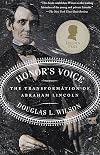
Hands down, this is one of the best (if not the best) Lincoln books I've read. Wilson takes documents that researchers have had for years (although some have been found fairly recently) and puts them together like a puzzle and discovers what REALLY happened to Lincoln during his formative years. Do you think you know how the Lincoln/Todd relationship developed? Well, you probably don't unless you have read this book. Do you think you know all about his duel. Nope. What about that wrestlin' show more match with the Clary's Grove boys? Nope. This book looks at these and other events in minute detail, looking at all available evidence to understand what really happened. This book rightly won the Lincoln prize. If any future biography of Lincoln fails to use this book when discussing Lincoln's early years, then that biography will not be worth reading. This book is that important. Highly highly recommended. show less
A closely detailed and highly analytical assessment of Lincoln's early adulthood. Wilson examine and critiques many of the existing biographical works covering the years from 1831 to 1842. He utilizes source documents to construct new insights into Lincoln's emergence as a political leader. He also describes in depth Lincoln's several courtships, including his tortuous relationship with Mary Todd that culminated in an angst and guilt-ridden decision to marry her.
The personal traits that drew show more many people to him are made clear in this book: his sociability, humor, kindness and honesty shine through at this early of his life, as does his ambition to rise up in the world. Also described are Lincoln's bouts with mental illness. Lincoln experienced episodes of depression so that his friends worried about suicide.
Wilson gives considerable insights in the rise of Lincoln as a political leader of the times in Illinois and the Whig party. Lincoln was highly partisan and occasionally attacked his opponents through the newspapers in ways that were not entirely reputable. show less
The personal traits that drew show more many people to him are made clear in this book: his sociability, humor, kindness and honesty shine through at this early of his life, as does his ambition to rise up in the world. Also described are Lincoln's bouts with mental illness. Lincoln experienced episodes of depression so that his friends worried about suicide.
Wilson gives considerable insights in the rise of Lincoln as a political leader of the times in Illinois and the Whig party. Lincoln was highly partisan and occasionally attacked his opponents through the newspapers in ways that were not entirely reputable. show less
In the recent resurgence of books about Abraham Lincoln, which rivals the output of the early 1900s in quantity and significance, there have been a number of books about individual Lincoln speeches. Beginning with the Pulitzer Prize-winning "Lincoln at Gettysburg" by Garry Wills, recent books by Harold Holzer, Gabor Boritt, and Ronald White have focused on the Cooper Union Address, Gettysburg (again), and the Second Inaugural Address, respectively. These books, and others like them, capably show more show the context within which Lincoln wrote these famous speeches and include an often excellent examination of the meaning of Lincoln's words.
Douglas Wilson goes deeper, though, in his excellent study "Lincoln's Sword: The Presidency and the Power of Words." While he refers to the context and meaning of the Lincoln works that he studies, he focuses on Lincoln's process of deliberately shaping his words. Focusing on the writings and speeches of President Lincoln for which there are multiple drafts, Wilson paints a picture of a man who skillfully crafts his public statements through careful writing, editing, and re-writing.
Following an opening chapter on Lincoln's famous "Farewell Address," given as he departed his hometown Springfield for Washington to assume the presidency, where Wilson examines how Lincoln edited his extemporaneous remarks into a more polished speech for publication in newspapers, Wilson digs into several key Lincoln writings, including the famous speeches (First and Second Inaugurals and Gettysburg), the key government papers (the Emancipation Proclamation, messages to Congress), and some public letters (famously Lincoln's famous response to Horace Greeley's editorial "The Prayer of Twenty Millions").
Wilson's observation that Lincoln meticulously prepared his words is not original; others have detailed how Lincoln carefully wrote things like the Cooper Union Address or the First Inaugural. In the case of the latter, attention has been paid to how Lincoln incorporated the advice of others who read a draft of his speech, notably Secretary of State-designate William Seward, into his final address. Wilson instead details how Lincoln consistently crafted his words and shows how the process allowed Lincoln to clarify his aims.
The analysis of the July 4, 1861 Message to Congress, in which Lincoln called for a massive increase in war spending to counter the rebellion, exemplifies Wilson's skillful attention to the nuances of Lincoln's drafting. One particularly interesting passage involves Lincoln's use of the word "sugar-coated" to describe the public rationale given by southern leaders supporting secession. The printer thought the word undignified; Wilson shows that it perfectly conveys the thrust of Lincoln's argument against secession.
At the end of this particular chapter, Wilson details some of the reactions to Lincoln's message, including a couple that remark favorably on Lincoln's skill as a writer. With these comments, Wilson begins the overarching and original argument of his book: Lincoln grew to recognize the power of his own words and became more confident and capable using them to shape public opinion and public understanding. Such an hypothesis is perhaps not novel; being a sophisticated reader able to demonstrate a shift in context through written words alone, though, is indeed unique. In the process, Wilson offers satisfying analyses of these selected writings and adds to the understanding of why Lincoln's writing remains so influential, while rather convincingly arguing that Lincoln's greatest attribute as a wartime leader was his disciplined writing.
It is not surprising that Wilson, co-director of the Lincoln Studies Center at Knox College, offers such a sophisticated study, given his previous work with Lincoln. After spending years, with his co-director Rodney Davis, sorting through and editing all of the letters and interviews William Herndon collected about Lincoln's youth from people "who knew him when," Wilson then wrote the best account of Lincoln as a young adult: "Honor's Voice," which won the Lincoln Prize in 1999. After spending years overseeing the transcription and annotation of the Library of Congress' collection of Lincoln materials (again with Davis), he wrote this fine volume, which won the Lincoln Prize in 2007.
It is difficult to quibble with Wilson's work. Certainly those without a working knowledge of the timeline of the Lincoln presidency will find it challenging to get their bearings, as Wilson supposes some familiarity with the Lincoln presidency and the issues surrounding the Civil War. However, the writing itself is clear and comprehensible, if not rather beguiling. It is a significant addition to the vast bibliography of Lincoln-related scholarship, particularly relating to Lincoln the writer, Lincoln the orator, and Lincoln the shaper of American memory.
This review is also published at http://lincolniana.blogspot.com/2009/08/book-review-lincolns-sword-presidency.ht.... show less
Douglas Wilson goes deeper, though, in his excellent study "Lincoln's Sword: The Presidency and the Power of Words." While he refers to the context and meaning of the Lincoln works that he studies, he focuses on Lincoln's process of deliberately shaping his words. Focusing on the writings and speeches of President Lincoln for which there are multiple drafts, Wilson paints a picture of a man who skillfully crafts his public statements through careful writing, editing, and re-writing.
Following an opening chapter on Lincoln's famous "Farewell Address," given as he departed his hometown Springfield for Washington to assume the presidency, where Wilson examines how Lincoln edited his extemporaneous remarks into a more polished speech for publication in newspapers, Wilson digs into several key Lincoln writings, including the famous speeches (First and Second Inaugurals and Gettysburg), the key government papers (the Emancipation Proclamation, messages to Congress), and some public letters (famously Lincoln's famous response to Horace Greeley's editorial "The Prayer of Twenty Millions").
Wilson's observation that Lincoln meticulously prepared his words is not original; others have detailed how Lincoln carefully wrote things like the Cooper Union Address or the First Inaugural. In the case of the latter, attention has been paid to how Lincoln incorporated the advice of others who read a draft of his speech, notably Secretary of State-designate William Seward, into his final address. Wilson instead details how Lincoln consistently crafted his words and shows how the process allowed Lincoln to clarify his aims.
The analysis of the July 4, 1861 Message to Congress, in which Lincoln called for a massive increase in war spending to counter the rebellion, exemplifies Wilson's skillful attention to the nuances of Lincoln's drafting. One particularly interesting passage involves Lincoln's use of the word "sugar-coated" to describe the public rationale given by southern leaders supporting secession. The printer thought the word undignified; Wilson shows that it perfectly conveys the thrust of Lincoln's argument against secession.
At the end of this particular chapter, Wilson details some of the reactions to Lincoln's message, including a couple that remark favorably on Lincoln's skill as a writer. With these comments, Wilson begins the overarching and original argument of his book: Lincoln grew to recognize the power of his own words and became more confident and capable using them to shape public opinion and public understanding. Such an hypothesis is perhaps not novel; being a sophisticated reader able to demonstrate a shift in context through written words alone, though, is indeed unique. In the process, Wilson offers satisfying analyses of these selected writings and adds to the understanding of why Lincoln's writing remains so influential, while rather convincingly arguing that Lincoln's greatest attribute as a wartime leader was his disciplined writing.
It is not surprising that Wilson, co-director of the Lincoln Studies Center at Knox College, offers such a sophisticated study, given his previous work with Lincoln. After spending years, with his co-director Rodney Davis, sorting through and editing all of the letters and interviews William Herndon collected about Lincoln's youth from people "who knew him when," Wilson then wrote the best account of Lincoln as a young adult: "Honor's Voice," which won the Lincoln Prize in 1999. After spending years overseeing the transcription and annotation of the Library of Congress' collection of Lincoln materials (again with Davis), he wrote this fine volume, which won the Lincoln Prize in 2007.
It is difficult to quibble with Wilson's work. Certainly those without a working knowledge of the timeline of the Lincoln presidency will find it challenging to get their bearings, as Wilson supposes some familiarity with the Lincoln presidency and the issues surrounding the Civil War. However, the writing itself is clear and comprehensible, if not rather beguiling. It is a significant addition to the vast bibliography of Lincoln-related scholarship, particularly relating to Lincoln the writer, Lincoln the orator, and Lincoln the shaper of American memory.
This review is also published at http://lincolniana.blogspot.com/2009/08/book-review-lincolns-sword-presidency.ht.... show less
Awards


You May Also Like


Associated Authors
Statistics
- Works
- 21
- Also by
- 2
- Members
- 864
- Popularity
- #29,636
- Rating
- 4.0
- Reviews
- 15
- ISBNs
- 19
- Favorited
- 1