

William Lee Miller (1926–2012)
Author of Lincoln's Virtues
About the Author
William Lee Miller has taught at Yale University, Smith College, Indiana University, and the University of Virginia, where he is currently Miller Center of Public Affairs Scholar in Ethics and Institutions
Works by William Lee Miller
Associated Works
Articles of Faith, Articles of Peace: The Religious Liberty Clauses and the American Public Philosophy (1990) — Contributor — 24 copies
Tagged
Common Knowledge
- Legal name
- Miller, William Lee, Jr.
- Birthdate
- 1926-04-21
- Date of death
- 2012-05-27
- Gender
- male
- Education
- Yale University (BDiv, PhD - Religious Ethics)
University of Nebraska (BA) - Occupations
- historian
professor - Organizations
- University of Virginia
Indiana University
Yale University
Smith College - Nationality
- USA
- Birthplace
- Bloomington, Indiana, USA
- Places of residence
- Charlottesville, Virginia, USA
Brooklyn, New York, USA - Place of death
- Manhattan, New York, USA
- Associated Place (for map)
- USA
Members
Reviews
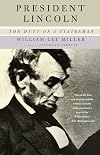
Miller endeavors to examine “the moral performance of Abraham Lincoln” as President. Therefore, as the author explains, the book is only indirectly about Lincoln’s statesmanship and more about his moral conduct in office. He is also careful to distinguish (as Lincoln himself did) choices Lincoln made in fulfillment of his oath of office from those he might have made based on his personal predispositions.
It’s an interesting perspective in one sense, because, as Miller observes, many show more politicians have had more political experience than Lincoln but “[a] fool or knave can rise through many eminent positions and still be a fool or knave.” So Miller wants to show how Lincoln excelled in spite of his lack of experience, because he had such a strong moral fiber.
My biggest criticism with this book is that it reads more like a billet doux than a history. It is overly reverential: Lincoln may have taken an oath to preserve, protect, and defend the Constitution, but Miller seems to have taken the same oath vis-a-vis Lincoln. He repeatedly characterizes Lincoln as “decisive,” “steadfast” tenderhearted,” “resilient,” “resolute” – a lot of adjectives making the basic point of “strong yet gentle.”
My other complaint is that the prose is anachronistically florid. Not only does Miller hijack and recycle many of Lincoln’s own familiar phrases (“mystic chords,” “mighty scourge” and so on), but he also interjects his own overly dramatic prose. He refers to “the golden thread of magnanimity and generosity that would wind its way through his presidency.” He makes reference to events that “would ring forever thereafter in American memory” and provide “stories forever.”
Those criticisms aside, the book contains some interesting observations and analyses. In attempting to justify Lincoln’s very hesitant stance on the abolition of slavery, Miller does a thorough job of detailing the tenuous positions of the border states, and how essential it was for the viability of the Union for Lincoln to hold on to them.
He also includes an interesting theory of how the Emancipation Proclamation – so legalistic and even exclusionary – came to be seen as a great document of liberation. The Proclamation did not set all the slaves free, but only those in the Confederacy, over whom Lincoln did not have any control. In fact, Miller charges, it was white Southerners who, greatly exaggerating the document’s import out of fear and hyperbole, conveyed a much more momentous significance to this decree. Their indiscriminate condemnations reached into the slave community, convincing blacks that northerners wanted them liberated. Great waves of escaped slaves thus attached themselves to invading northern armies, much to the chagrin of the latter who then had to care for them.
Lincoln, for his part, continually protested that if he could save the Union without freeing any slaves he would do so. However, when he thought the North was losing the war and that he would not be re-elected, he encouraged Frederick Douglass to familiarize slaves with the Emancipation Proclamation. Slaves who had made their way behind Union lines by war’s end could stay out of bondage.
Immense changes took place during Lincoln’s time in office. When he began as President, the U.S. Army totaled just over 17,000 men and just over 1,000 officers. When war was declared, one-third of the officers promptly resigned and joined the Confederacy. There were significant defections in civilian departments as well; ninety employees in the War Department alone resigned. Confusion and corruption characterized the early days of the Administration. Lincoln’s generals in the field made their own policies, sometimes in direct contradiction to Lincoln’s commands, threatening his fragile coalitions and alliances. Lincoln had not only to surmount all of these obstacles but to do it in such a way that minimized alienating his fragile governing coalition. He also had to exercise control over the war machine while resisting the excesses of wartime governance. By the war’s end, close to 3 million soldiers had served in both North and South. This number included 186,017 free blacks and freed slaves in the army and 10,000 in the navy. Some 620,000 soldiers were dead (one-third of those from battle; the rest succumbed to disease or the effects of hardship).
In Lincoln’s second inaugural address, he argued that both sides were complicitous in the war. Nevertheless, he noted: “It may seem strange that any men should dare to ask a just God’s assistance in wringing their bread from the sweat of other men’s faces; but let us judge not that we be not judged.” Rather, he asked for “malice toward none, and charity towards all,” and then six weeks later he was dead. Many politicians in the victorious North had no such qualms about revenge, and Lincoln’s successor had no moral authority to temper their vengeance.
Lincoln’s policies and positions can easily be vindicated without couching them in an encomium. Although the book includes quite a bit of interesting primary source material, its value is diminished by its non-scholarly tone. show less
It’s an interesting perspective in one sense, because, as Miller observes, many show more politicians have had more political experience than Lincoln but “[a] fool or knave can rise through many eminent positions and still be a fool or knave.” So Miller wants to show how Lincoln excelled in spite of his lack of experience, because he had such a strong moral fiber.
My biggest criticism with this book is that it reads more like a billet doux than a history. It is overly reverential: Lincoln may have taken an oath to preserve, protect, and defend the Constitution, but Miller seems to have taken the same oath vis-a-vis Lincoln. He repeatedly characterizes Lincoln as “decisive,” “steadfast” tenderhearted,” “resilient,” “resolute” – a lot of adjectives making the basic point of “strong yet gentle.”
My other complaint is that the prose is anachronistically florid. Not only does Miller hijack and recycle many of Lincoln’s own familiar phrases (“mystic chords,” “mighty scourge” and so on), but he also interjects his own overly dramatic prose. He refers to “the golden thread of magnanimity and generosity that would wind its way through his presidency.” He makes reference to events that “would ring forever thereafter in American memory” and provide “stories forever.”
Those criticisms aside, the book contains some interesting observations and analyses. In attempting to justify Lincoln’s very hesitant stance on the abolition of slavery, Miller does a thorough job of detailing the tenuous positions of the border states, and how essential it was for the viability of the Union for Lincoln to hold on to them.
He also includes an interesting theory of how the Emancipation Proclamation – so legalistic and even exclusionary – came to be seen as a great document of liberation. The Proclamation did not set all the slaves free, but only those in the Confederacy, over whom Lincoln did not have any control. In fact, Miller charges, it was white Southerners who, greatly exaggerating the document’s import out of fear and hyperbole, conveyed a much more momentous significance to this decree. Their indiscriminate condemnations reached into the slave community, convincing blacks that northerners wanted them liberated. Great waves of escaped slaves thus attached themselves to invading northern armies, much to the chagrin of the latter who then had to care for them.
Lincoln, for his part, continually protested that if he could save the Union without freeing any slaves he would do so. However, when he thought the North was losing the war and that he would not be re-elected, he encouraged Frederick Douglass to familiarize slaves with the Emancipation Proclamation. Slaves who had made their way behind Union lines by war’s end could stay out of bondage.
Immense changes took place during Lincoln’s time in office. When he began as President, the U.S. Army totaled just over 17,000 men and just over 1,000 officers. When war was declared, one-third of the officers promptly resigned and joined the Confederacy. There were significant defections in civilian departments as well; ninety employees in the War Department alone resigned. Confusion and corruption characterized the early days of the Administration. Lincoln’s generals in the field made their own policies, sometimes in direct contradiction to Lincoln’s commands, threatening his fragile coalitions and alliances. Lincoln had not only to surmount all of these obstacles but to do it in such a way that minimized alienating his fragile governing coalition. He also had to exercise control over the war machine while resisting the excesses of wartime governance. By the war’s end, close to 3 million soldiers had served in both North and South. This number included 186,017 free blacks and freed slaves in the army and 10,000 in the navy. Some 620,000 soldiers were dead (one-third of those from battle; the rest succumbed to disease or the effects of hardship).
In Lincoln’s second inaugural address, he argued that both sides were complicitous in the war. Nevertheless, he noted: “It may seem strange that any men should dare to ask a just God’s assistance in wringing their bread from the sweat of other men’s faces; but let us judge not that we be not judged.” Rather, he asked for “malice toward none, and charity towards all,” and then six weeks later he was dead. Many politicians in the victorious North had no such qualms about revenge, and Lincoln’s successor had no moral authority to temper their vengeance.
Lincoln’s policies and positions can easily be vindicated without couching them in an encomium. Although the book includes quite a bit of interesting primary source material, its value is diminished by its non-scholarly tone. show less
In one sense, this book is the natural sequel to Miller's previous _Lincoln's Virtues_, with that other volume covering the pre-presidential years, and this one covering his years as president. In another sense, however, these two books are quite different. In that earlier book, Miller had no problem admitting Lincoln's failings, but in _Duty of a Statesman_ Miller seems to want to play Lincoln's defense attorney, putting the most generous construction on all of Lincoln's actions and the show more least generous construction on the actions of Lincoln's opponents. In this hagiography of President Lincoln, Miller seems even to have forgotten those prior admissions.
Perhaps defensive attorney is not the right analogy. At times, Miller shares curious facts with us and is apparently oblivious that there is anything in need of defending. For example, on page 218 Miller quotes Lincoln to the effect that John J. Key was not chargeable with "disloyalty", then on page 219 quotes Lincoln to the effect that Key's talk was "treasonable", and Miller comments not at all about the inconsistency.
It is ironic that Shelby Foote, who viewed Lincoln as good but not uniquely so, seemed to exemplify "malice toward none" in his writings so much better than some of Lincoln's enthusiasts. show less
Perhaps defensive attorney is not the right analogy. At times, Miller shares curious facts with us and is apparently oblivious that there is anything in need of defending. For example, on page 218 Miller quotes Lincoln to the effect that John J. Key was not chargeable with "disloyalty", then on page 219 quotes Lincoln to the effect that Key's talk was "treasonable", and Miller comments not at all about the inconsistency.
It is ironic that Shelby Foote, who viewed Lincoln as good but not uniquely so, seemed to exemplify "malice toward none" in his writings so much better than some of Lincoln's enthusiasts. show less
William Lee Miller, who was widely praised for his previous book, "Lincoln's Virtues: An Ethical Biography," which focused on Lincoln's pre-presidential life, considers the presidential years of Abraham Lincoln in this companion volume, "President Lincoln: The Duty of a Statesman." At the outset, Miller is clear on the study of this book, which "examines the moral performance of Abraham Lincoln in the office of president of the United States" (ix).
To do so, Miller explores the decisions made show more by Lincoln as president ethically. His moral standard, as evidenced by the opening chapters of the book, is the Constitutional oath of office which Lincoln swore to upon becoming president. However, this moral standard shifts for Miller, as he thinks it did for Lincoln, as Lincoln considers emancipating the slaves, an act which Lincoln himself recognized seemed to go against his responsibilities as laid out by the Constitution. At that point in his study, it becomes less clear what ethical standard Miller uses to judge President Lincoln.
During his presidency, George W. Bush famously remarked that he was "the decider"; in this book, Miller seeks to describe Lincoln's presidency by moving from big decision to big decision. In doing so, Miller focuses almost exclusively on Lincoln's war-related decisions, covering the typical events of Lincoln Civil War biography: Fort Sumter, cries for quick victory, dealing with McClellan, the Trent affair, emancipation and its long-term effects, planning for the post-war reunion of north and south. Lincoln's decisions concerning other issues, such as his far-reaching territorial policy, including the construction of the transcontinental railroad and federal regulations for homesteading and land grant universities are never mentioned. Worse, some key war-related decisions, especially as dealt with the economics of the war, are not considered.
It quickly becomes clear that Miller, despite including a chapter on Lincoln's "big mistake" trying to dispatch the USS Powhatan to help with the situations at either Fort Sumter or Fort Pickens, that he is writing a hagiography of Lincoln. The moral standard Miller seems to use is Lincoln himself. As someone who believes that Lincoln was a man of great integrity, I admit one could choose a worse moral compass. However, the inherent problem with using Lincoln to judge Lincoln is clear in the following example: imagine someone wrote an ethical biography of Richard Nixon's presidency using Nixon's moral standard. And if you've never heard of the USS Powhatan, or thought that it was a mere footnote to history, you'll be amazed at Miller's pointing to it as "show[ing] the president making a big mistake" (72).
It is difficult to find other examples in Miller's analysis of Lincoln making a mistake or making a less than desirable decision. Evidently, Lincoln could virtually do no wrong, especially after learning his lesson from the Powhatan mistake. Such one-sided presentation, even when honoring an acknowledged great leader like Lincoln, reflects poorly on a historian of Miller's stature. This is surprising, given Miller's standing as a scholar, long affiliated with the University of Virginia, and the delicate analysis of "Lincoln's Virtues," a book which I very much liked, especially its insightful opening chapters. But regardless of Miller's academic use and citation of sources, the book sadly is not an even-handed treatment of Lincoln.
This is especially evident given the narrative framing within which Miller places his analysis. He opens the book with a brief recounting of the international diplomatic responses to Lincoln's inauguration as president. Kings and queens and emperors sent notes of congratulations to the new ruler of the United States, who had once been a humble uneducated frontier boy. In the international community, Lincoln would now be an equal with these other rulers, and above his name appropriate tributes, salutations, congratulations, and condolences would be sent while he was president. It becomes clear, however, when Miller closes the book with a longer section of the international response to Lincoln's assassination, that he hasn't explained how Lincoln the statesman transformed world opinion about the humble frontier lawyer who became king/president. The only international incident really dealt with in the book concerns the Americans seizing two confederate agents off the British ship HMS Trent early in the war. Exactly how did these foreign people, who sent 837 pages worth of condolences after Lincoln's death, judge Lincoln? Miller's unstated point is that even they could recognize Lincoln's greatness, but his domestic focused account of Lincoln offers no explanation of how they recognized it.
More aggravating to me, but probably not to most readers, regards Miller's obviously intentional, but mostly unstated, answer to a recent book that consciously examined the morality of the Civil War, Harry Stout's "Upon the Altar of the Nation: A Moral History of the Civil War" (Viking, 2006). Stout's analysis is an epic groundbreaking attempt to consider the ethics of the Civil War, but even for its significance and solid scholarship, it is not without its problems. Miller writes an entire chapter "A Hard War without Hatred" to counter one of Stout's main claims in which he finds the total war waged by the Union under Gens. Ulysses S. Grant and William T. Sherman to be immoral. But Miller does not engage Stout's ideas explicitly in that chapter, but only briefly several chapters before; neither does he divulge the shape of his disagreement in the footnotes of that chapter. This is rather embarrassing for a scholar of Miller's reputation; if he wants to argue with Stout's conclusions, he owes Stout, and his general readership, the courtesy of at least pointing directly to this disagreement -- so deep that it requires an entire chapter -- in the footnotes. And I say this as someone who disagrees with Stout's argument as well.
Some readers will enjoy Miller's book. He has an obvious affinity for Lincoln and he writes extremely well; indeed, it is a pleasant experience to read his writing. But hagiography, regardless how well written, is not to be broadly recommended, particularly among the wealth of Lincoln books.
This review is also published at http://lincolniana.blogspot.com/2009/01/book-review-president-lincoln-duty-of.ht.... show less
To do so, Miller explores the decisions made show more by Lincoln as president ethically. His moral standard, as evidenced by the opening chapters of the book, is the Constitutional oath of office which Lincoln swore to upon becoming president. However, this moral standard shifts for Miller, as he thinks it did for Lincoln, as Lincoln considers emancipating the slaves, an act which Lincoln himself recognized seemed to go against his responsibilities as laid out by the Constitution. At that point in his study, it becomes less clear what ethical standard Miller uses to judge President Lincoln.
During his presidency, George W. Bush famously remarked that he was "the decider"; in this book, Miller seeks to describe Lincoln's presidency by moving from big decision to big decision. In doing so, Miller focuses almost exclusively on Lincoln's war-related decisions, covering the typical events of Lincoln Civil War biography: Fort Sumter, cries for quick victory, dealing with McClellan, the Trent affair, emancipation and its long-term effects, planning for the post-war reunion of north and south. Lincoln's decisions concerning other issues, such as his far-reaching territorial policy, including the construction of the transcontinental railroad and federal regulations for homesteading and land grant universities are never mentioned. Worse, some key war-related decisions, especially as dealt with the economics of the war, are not considered.
It quickly becomes clear that Miller, despite including a chapter on Lincoln's "big mistake" trying to dispatch the USS Powhatan to help with the situations at either Fort Sumter or Fort Pickens, that he is writing a hagiography of Lincoln. The moral standard Miller seems to use is Lincoln himself. As someone who believes that Lincoln was a man of great integrity, I admit one could choose a worse moral compass. However, the inherent problem with using Lincoln to judge Lincoln is clear in the following example: imagine someone wrote an ethical biography of Richard Nixon's presidency using Nixon's moral standard. And if you've never heard of the USS Powhatan, or thought that it was a mere footnote to history, you'll be amazed at Miller's pointing to it as "show[ing] the president making a big mistake" (72).
It is difficult to find other examples in Miller's analysis of Lincoln making a mistake or making a less than desirable decision. Evidently, Lincoln could virtually do no wrong, especially after learning his lesson from the Powhatan mistake. Such one-sided presentation, even when honoring an acknowledged great leader like Lincoln, reflects poorly on a historian of Miller's stature. This is surprising, given Miller's standing as a scholar, long affiliated with the University of Virginia, and the delicate analysis of "Lincoln's Virtues," a book which I very much liked, especially its insightful opening chapters. But regardless of Miller's academic use and citation of sources, the book sadly is not an even-handed treatment of Lincoln.
This is especially evident given the narrative framing within which Miller places his analysis. He opens the book with a brief recounting of the international diplomatic responses to Lincoln's inauguration as president. Kings and queens and emperors sent notes of congratulations to the new ruler of the United States, who had once been a humble uneducated frontier boy. In the international community, Lincoln would now be an equal with these other rulers, and above his name appropriate tributes, salutations, congratulations, and condolences would be sent while he was president. It becomes clear, however, when Miller closes the book with a longer section of the international response to Lincoln's assassination, that he hasn't explained how Lincoln the statesman transformed world opinion about the humble frontier lawyer who became king/president. The only international incident really dealt with in the book concerns the Americans seizing two confederate agents off the British ship HMS Trent early in the war. Exactly how did these foreign people, who sent 837 pages worth of condolences after Lincoln's death, judge Lincoln? Miller's unstated point is that even they could recognize Lincoln's greatness, but his domestic focused account of Lincoln offers no explanation of how they recognized it.
More aggravating to me, but probably not to most readers, regards Miller's obviously intentional, but mostly unstated, answer to a recent book that consciously examined the morality of the Civil War, Harry Stout's "Upon the Altar of the Nation: A Moral History of the Civil War" (Viking, 2006). Stout's analysis is an epic groundbreaking attempt to consider the ethics of the Civil War, but even for its significance and solid scholarship, it is not without its problems. Miller writes an entire chapter "A Hard War without Hatred" to counter one of Stout's main claims in which he finds the total war waged by the Union under Gens. Ulysses S. Grant and William T. Sherman to be immoral. But Miller does not engage Stout's ideas explicitly in that chapter, but only briefly several chapters before; neither does he divulge the shape of his disagreement in the footnotes of that chapter. This is rather embarrassing for a scholar of Miller's reputation; if he wants to argue with Stout's conclusions, he owes Stout, and his general readership, the courtesy of at least pointing directly to this disagreement -- so deep that it requires an entire chapter -- in the footnotes. And I say this as someone who disagrees with Stout's argument as well.
Some readers will enjoy Miller's book. He has an obvious affinity for Lincoln and he writes extremely well; indeed, it is a pleasant experience to read his writing. But hagiography, regardless how well written, is not to be broadly recommended, particularly among the wealth of Lincoln books.
This review is also published at http://lincolniana.blogspot.com/2009/01/book-review-president-lincoln-duty-of.ht.... show less
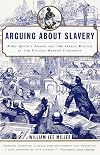
A fascinating history of some of the early congressional debates about slavery. For the most part these were debates about whether it would even be permissible to discuss the "peculiar institution" of the South in the U.S. House of Representatives. Miller makes excellent use of the original records of these debates and does a good job portraying the debates in terms of the concerns of the participants, people who had no foreknowledge that this issue would ultimately lead to the American show more Civil War. The book also provides a larger-than-life look at the last stage of the career of John Quincy Adams, the only former U.S. President to serve in the House of Representatives. show less
Awards


You May Also Like


Associated Authors
Statistics
- Works
- 18
- Also by
- 1
- Members
- 1,541
- Popularity
- #16,713
- Rating
- 4.3
- Reviews
- 19
- ISBNs
- 31
- Languages
- 1
- Favorited
- 2