
Allen C. Guelzo
Author of Gettysburg: The Last Invasion
About the Author
Allen C. Guelzo, the author of Lincoln and Douglas: The Debates That Defined America, is the Henry R. Luce Professor of the Civil War Era at Gettysburg College. He is a member of the National Council for the Humanities and a two-time winner of the Lincoln Prize, for Abraham Lincoln: Redeemer show more President and Lincoln's Emancipation Proclamation: The End of Slavery in America. show less
Image credit: Callie Hawkins; Erin Carlson, Mast, Director of President Lincoln’s Cottage; Professor Spencer Crew; Dr. Lucas Morel; Dr. Allen Guelzo; Ambassador Luis CdeBaca, Director of the State Department’s Office to Monitor and Combat Trafficking in Persons; and Martin Castro, Chair of U.S. Commission on Civil Rights; pose for a photograph at President Abraham Lincoln’s Cottage in Washington, D.C., January 3,2013. January 1, 2013, marked the 150th Anniversary of the Emancipation Proclamation. [State Department photo/ Public Domain]
Works by Allen C. Guelzo
For the Union of Evangelical Christendom: The Irony of the Reformed Episcopalians (1994) 67 copies, 2 reviews
Voices from Gettysburg: Letters, Papers, and Memoirs from the Greatest Battle of the Civil War (2024) 32 copies
The Golden Thread: A History of the Western Tradition, Volume II: The Modern and Contemporary West (The Golden Thread, 2) (2026) 25 copies
The Crisis of the American Republic: A History of the Civil War and Reconstruction Era (1995) 18 copies
Ambitious To Be Well-Pleasing: A "Festschrift" for the Centennial of the Theological Seminary of the Reformed Episcopal Church, 1886/87-1986/87 (1986) 17 copies
The History of the United States, 2nd edition, Lecture 12: The American Revolution - Howe's War 1 copy
Lincoln and Liberty, Too 1 copy
Who should be baptized?: A case for the baptism of infants (Reformed Episcopal pamphlets) (1985) 1 copy
Young Man Lincoln 1 copy
Whig Meteor 1 copy
Lincoln, Law, and Politics 1 copy
The Mind of Abraham Lincoln 1 copy
Lincoln and Slavery 1 copy
The Great Debates 1 copy
The Uncertain President 1 copy
The Emancipation Moment 1 copy
Lincoln’s Triumph 1 copy
The President’s Sword 1 copy
The Dream of Lincoln 1 copy
Associated Works
A House Divided: The Lives of Ulysses S. Grant and Robert E. Lee (1995) — Foreword, some editions — 175 copies, 2 reviews
Lincoln and Freedom: Slavery, Emancipation, and the Thirteenth Amendment (2007) — Contributor — 23 copies
Life, Liberty, and the Pursuit of Happiness: Ten Years of the Claremont Review of Books (2012) — Contributor — 16 copies
Desperta Ferro Moderna. Gettysburg, 1863 — Contributor — 2 copies
Tagged
Common Knowledge
- Legal name
- Guelzo, Allen Carl
- Birthdate
- 1953-02-02
- Gender
- male
- Education
- Philadelphia Biblical University (BS | 1975)
University of Pennsylvania (MA | 1979 | PhD | 1986 | History) - Occupations
- Henry R. Luce III Professor of the Civil War Era, Gettysburg College, USA
- Organizations
- Gettysburg College
American Council of Learned Societies Fellow (1991 - 1992)
National Council on the Humanities (2006)
American Historical Association
Organization of American Historians
Abraham Lincoln Association - Nationality
- USA
- Birthplace
- Yokohama, Japan
- Places of residence
- Yokohama, Japan
Pennsylvania, USA
Gettysburg, Pennsylvania, USA - Associated Place (for map)
- Pennsylvania, USA
Members
Reviews
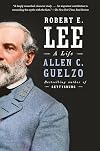
When I first picked up this book I thought gee do I really want to slog through this 700 page documentary/bio. I'm glad I did. It was engaging and insightful and helped me form my own opinion on a man who holds such symbolic imagery to our country, its history, and race and civil rights perspectives.
Lee was and remains to me enigmatic, polarizing, and intriguing but having read the book I now know why I feel that way. It brings out so much in what this man not only stood for but the show more character that drove his stand and his haunting childhood tied to his famous but very wayward father, "Lighthorse Harry. From start to finish the one thing that becomes very evident about Robert E. Lee is that he stuck to his principles of his interpretation of right, honor, and duty. Unfortunately to a very misguided and lost cause.
The great tragedy of this man is that had he stayed on the Federal side to head off the break up of the country which he said he was for how different that war and the duration might have been. His brilliance or perceived brilliance should have been decisive considering the military leadership we as a country were saddled with from the start.
I was intrigued my his extensive family and how important that was to him despite his prolonged absences. His steadfastness to what he saw as honor and duty to his native Virginia never wavered even after the war and I saw that he never did seem to learn how wrong he was. The recent movements to remove his monuments seem justified to me as there is little to respect or honor on what he represented. show less
Lee was and remains to me enigmatic, polarizing, and intriguing but having read the book I now know why I feel that way. It brings out so much in what this man not only stood for but the show more character that drove his stand and his haunting childhood tied to his famous but very wayward father, "Lighthorse Harry. From start to finish the one thing that becomes very evident about Robert E. Lee is that he stuck to his principles of his interpretation of right, honor, and duty. Unfortunately to a very misguided and lost cause.
The great tragedy of this man is that had he stayed on the Federal side to head off the break up of the country which he said he was for how different that war and the duration might have been. His brilliance or perceived brilliance should have been decisive considering the military leadership we as a country were saddled with from the start.
I was intrigued my his extensive family and how important that was to him despite his prolonged absences. His steadfastness to what he saw as honor and duty to his native Virginia never wavered even after the war and I saw that he never did seem to learn how wrong he was. The recent movements to remove his monuments seem justified to me as there is little to respect or honor on what he represented. show less
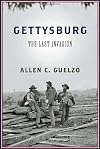
Summary: An account of the three day battle at Gettysburg, the personalities, key turning points, battlefield topography, and movement by movement narratives that both zoom out and come up close in describing the unfolding of the battle.
There are scores of accounts of the confrontation between Union and Confederate forces for a three day battle at Gettysburg, Pennsylvania, July 1-3, 1863. Allen C. Guelzo's account, written on the 150th anniversary of the battle has to rank among the best. show more Guelzo directs the Civil War Era Studies program at Gettysburg College, which means he resides on the site of the battle. I know of no book that reflects such an intimate acquaintance with the topography of Gettysburg, whether it be the two hills that make up Culp's Hill, Sherfy's Peach Orchard, or Little Round Top, or even the locations of fences, that made advances more difficult. At Gettysburg, topography was a critical factor on all three days, and Guelzo helps us see how strategic choices, topography, and leadership in battle all contributed to the outcome.
The book is organized into four parts, one for the decisions and movements leading up to the battle, and one for each day. It's clear that neither Lee nor Meade had "planned" to fight at Gettysburg. Meade had only taken command three days earlier and wanted to gather his army behind Pipe Creek, positioning him between Lee and Washington, a strong position to receive an attack. Lee wanted to scare the North into negotiating, as well as secure much needed supplies for his army. If he could defeat a spread out army in detail, he would take that chance, but without scouting from Stuart's cavalry, absent on a ride around the Union forces, he was guessing.
When lead elements of his forces engaged Union troops under Reynolds and Howard, he thought he had his chance. The Union leaders barely were right that they could get the rest of the army there ahead of the Confederates. On such calculations the battle swayed back and forth all three days. Guelzo traces these through the battle's three days: Howard's decision to leave troops on Cemetery Hill and Ewell's decision not to attack this thinly held position the first night, Longstreet's delayed movements on the second day and Dan Sickle's near fatal advance of his troops to the Peach Orchard, the last minute decisions of Warren and Joshua Chamberlain's stand that held Little Round Top and the near rolling up of the Union position by Barksdale's Mississippians, and the fierce resistance of Alexander Hays troops redeeming their ignominious defeat at Harpers Ferry.
Particularly as I read the second day's account, I found myself on the edge of my seat wondering how the Union managed to hold on. It seemed to me that if Longstreet had attacked a little sooner, and had a bit more support, that the Army of the Potomac could have been shattered. In all this, Meade comes off rather poorly, letting Sickles take a weak position that opened a gap in the rest of his lines, promoting fellow McClellanite John Newton over Abner Doubleday for command of the 1st Division, and preparing for retreat while Winfield Scott Hancock moved troops into gaps, holding Cemetery Ridge and Hill. After they had held the position, according to Guelzo, Meade wanted to retreat and was overruled by his generals.
Then there is the third day and the perennial question of "why Pickett's charge?" Guelzo reminds us of the military precedents for the success of such charges that may have been in Lee's mind. Again we grasp what a near run thing this was as Armistead reaches the high water mark of momentarily seeing no one in front of him, only to fall. Had the artillery barrage been more effective, had Pickett more support, much more support, I would venture, the outcome might have been different.
Beyond understanding the outcome of the battle, Guelzo takes us inside the battle. We hear what soldiers are talking about as they wait to give or receive attacks, we witness the incongruity of fierce fighting and human compassion between opposing soldiers, and the gore of war, as brains spatter, limbs are torn off, and men are eviscerated. We read of the primitive surgeries, piles of limbs stacked up, and no infection measures.
Guelzo also helps us understand the politics in the Army of the Potomac that undermined Lincoln's efforts to defeat Lee. As already noted Meade was a sympathizer with McClellan who wanted a negotiated settlement that likely would have preserved the Confederacy, and he promoted accordingly. Meade was satisfied to drive Lee back across the Potomac when he had an opportunity to defeat him, prolonging the war and the loss of lives (unlike abolitionist John Reynolds, who was spoiling for a fight, and whose aggressive actions precipitated the battle where he would lose his life).
This is a great book to read in conjunction with a battlefield visit. There is something for both Civil War aficionados and those reading their first account of the battle. Most of all, he helps us understand why this battle was "the last invasion" and just what a near run thing it was. show less
There are scores of accounts of the confrontation between Union and Confederate forces for a three day battle at Gettysburg, Pennsylvania, July 1-3, 1863. Allen C. Guelzo's account, written on the 150th anniversary of the battle has to rank among the best. show more Guelzo directs the Civil War Era Studies program at Gettysburg College, which means he resides on the site of the battle. I know of no book that reflects such an intimate acquaintance with the topography of Gettysburg, whether it be the two hills that make up Culp's Hill, Sherfy's Peach Orchard, or Little Round Top, or even the locations of fences, that made advances more difficult. At Gettysburg, topography was a critical factor on all three days, and Guelzo helps us see how strategic choices, topography, and leadership in battle all contributed to the outcome.
The book is organized into four parts, one for the decisions and movements leading up to the battle, and one for each day. It's clear that neither Lee nor Meade had "planned" to fight at Gettysburg. Meade had only taken command three days earlier and wanted to gather his army behind Pipe Creek, positioning him between Lee and Washington, a strong position to receive an attack. Lee wanted to scare the North into negotiating, as well as secure much needed supplies for his army. If he could defeat a spread out army in detail, he would take that chance, but without scouting from Stuart's cavalry, absent on a ride around the Union forces, he was guessing.
When lead elements of his forces engaged Union troops under Reynolds and Howard, he thought he had his chance. The Union leaders barely were right that they could get the rest of the army there ahead of the Confederates. On such calculations the battle swayed back and forth all three days. Guelzo traces these through the battle's three days: Howard's decision to leave troops on Cemetery Hill and Ewell's decision not to attack this thinly held position the first night, Longstreet's delayed movements on the second day and Dan Sickle's near fatal advance of his troops to the Peach Orchard, the last minute decisions of Warren and Joshua Chamberlain's stand that held Little Round Top and the near rolling up of the Union position by Barksdale's Mississippians, and the fierce resistance of Alexander Hays troops redeeming their ignominious defeat at Harpers Ferry.
Particularly as I read the second day's account, I found myself on the edge of my seat wondering how the Union managed to hold on. It seemed to me that if Longstreet had attacked a little sooner, and had a bit more support, that the Army of the Potomac could have been shattered. In all this, Meade comes off rather poorly, letting Sickles take a weak position that opened a gap in the rest of his lines, promoting fellow McClellanite John Newton over Abner Doubleday for command of the 1st Division, and preparing for retreat while Winfield Scott Hancock moved troops into gaps, holding Cemetery Ridge and Hill. After they had held the position, according to Guelzo, Meade wanted to retreat and was overruled by his generals.
Then there is the third day and the perennial question of "why Pickett's charge?" Guelzo reminds us of the military precedents for the success of such charges that may have been in Lee's mind. Again we grasp what a near run thing this was as Armistead reaches the high water mark of momentarily seeing no one in front of him, only to fall. Had the artillery barrage been more effective, had Pickett more support, much more support, I would venture, the outcome might have been different.
Beyond understanding the outcome of the battle, Guelzo takes us inside the battle. We hear what soldiers are talking about as they wait to give or receive attacks, we witness the incongruity of fierce fighting and human compassion between opposing soldiers, and the gore of war, as brains spatter, limbs are torn off, and men are eviscerated. We read of the primitive surgeries, piles of limbs stacked up, and no infection measures.
Guelzo also helps us understand the politics in the Army of the Potomac that undermined Lincoln's efforts to defeat Lee. As already noted Meade was a sympathizer with McClellan who wanted a negotiated settlement that likely would have preserved the Confederacy, and he promoted accordingly. Meade was satisfied to drive Lee back across the Potomac when he had an opportunity to defeat him, prolonging the war and the loss of lives (unlike abolitionist John Reynolds, who was spoiling for a fight, and whose aggressive actions precipitated the battle where he would lose his life).
This is a great book to read in conjunction with a battlefield visit. There is something for both Civil War aficionados and those reading their first account of the battle. Most of all, he helps us understand why this battle was "the last invasion" and just what a near run thing it was. show less
I sat on this book for quite a while, deciding whether I wanted to read another biography of Lee. When I did start reading, I found a different kind of biography with more family background, and a lot more about his army, engineering career. Guelzo stresses that Lee valued his calm exterior, his bearing, his image on a horse. Lee was methodical and practiced, but. often did not communicate well and did worry and did lose patience. Definitely a better strategist than a tactician. From the show more beginning Lee realized that the South did not have the commitment or fortitude to win the war. He constantly fought a losing battle with the Confederate government and knew the South's only chance was to bring the war North and make his enemies sue for peace. Chance and circumstance intervened. This is not hero worship, or a denigration, but balanced coverage, a more complete picture of a fascinating man. He was a traitor. He said he was against slavery, but his family had slaves and he did use them. He knew why the South lost, knew they were probably going to lose from the beginning. This fit his martyr role quite nicely, and made it natural for him, like so many other Southerners, to start perpetuating the myth of "The Lost Cause'. show less
Highly readable yet detailed history of the events leading up to the battle and its aftermath. Guelzo assumes the reader is not conversant with 19th century warfare, and he describes what it's like. How bodies disappear from the line, like magic, raining down body parts. The effects of so much firepower on the wildlife. Flocks of birds dropped out of the sky. There was so much smoke that "aiming" was merely pointing in the general direction of the enemy. In some battles they looked for feet show more underneath the smoke cloud and shot at them, mere yards away. It took on average over 300 musket shots to kill a person, most shots wildly missed.
I learned that Little Round Top (and the Maine regiment's famous charge there) was not so important as is often portrayed. It was more of a remote outpost and not the key to breaking the line. That Confederate commanders made a number of serious mistakes of failed initiative and coordination, while Union forces fought tenaciously. Among the Confederates there was no fundamental "cause" to invade the north, it was purely Lee's grand political strategy to force peace negotiations, but it lacked significance with the troops who ultimately didn't have the same righteous spirit Unionists had defending home ground. show less
I learned that Little Round Top (and the Maine regiment's famous charge there) was not so important as is often portrayed. It was more of a remote outpost and not the key to breaking the line. That Confederate commanders made a number of serious mistakes of failed initiative and coordination, while Union forces fought tenaciously. Among the Confederates there was no fundamental "cause" to invade the north, it was purely Lee's grand political strategy to force peace negotiations, but it lacked significance with the troops who ultimately didn't have the same righteous spirit Unionists had defending home ground. show less
Lists
Awards


You May Also Like


Associated Authors
Statistics
- Works
- 94
- Also by
- 8
- Members
- 3,385
- Popularity
- #7,529
- Rating
- 4.1
- Reviews
- 47
- ISBNs
- 118
- Languages
- 3
- Favorited
- 5