
Megan Madison
Author of Our Skin: A First Conversation about Race
About the Author
Image credit: via Amazon.com
Series
Works by Megan Madison
Tagged
Common Knowledge
There is no Common Knowledge data for this author yet. You can help.
Members
Reviews
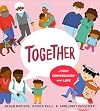
Children are “born ready to love,” but that doesn’t mean the concept isn’t complicated!
Wisely starting with the most intimate first relationship—a cozy newborn being cuddled by a caregiver—the authors of this inclusive book scaffold outward to more complicated relationships. Love of pets, people, and pizza are described dynamically, and constant open-ended questions like “who do you love?” invite readers to tie it back to their own lives. Branching into romantic love, the show more authors name examples of adult relationships, with special attention paid to the oft-glossed-over LGBTQ+ community. Tonally, the frank, unflowery text works especially well here, with enough information to be clear without overwhelming. The book doesn’t shy away from depicting love as challenging—one page portrays children fighting over toys. This is also the rare book that acknowledges that some children lack love and family. The text briefly but poignantly notes that “people in power have made unfair rules about who can love each other and who can be a family.” But by closing with an actionable ministory about a community that changes a Father’s Day event to an inclusive family day, Madison and Ralli remind readers that “we’re building that world together.” Joy and inclusion abound in digital illustrations, with a raucous wedding attended by people of various ethnicities, gender expressions, and abilities. Comprehensive backmatter can facilitate deeper discussions. (This book was reviewed digitally.)
Many caregivers will appreciate this concise, useful, and ultimately hopeful conversation starter.
-Kirkus Review show less
Wisely starting with the most intimate first relationship—a cozy newborn being cuddled by a caregiver—the authors of this inclusive book scaffold outward to more complicated relationships. Love of pets, people, and pizza are described dynamically, and constant open-ended questions like “who do you love?” invite readers to tie it back to their own lives. Branching into romantic love, the show more authors name examples of adult relationships, with special attention paid to the oft-glossed-over LGBTQ+ community. Tonally, the frank, unflowery text works especially well here, with enough information to be clear without overwhelming. The book doesn’t shy away from depicting love as challenging—one page portrays children fighting over toys. This is also the rare book that acknowledges that some children lack love and family. The text briefly but poignantly notes that “people in power have made unfair rules about who can love each other and who can be a family.” But by closing with an actionable ministory about a community that changes a Father’s Day event to an inclusive family day, Madison and Ralli remind readers that “we’re building that world together.” Joy and inclusion abound in digital illustrations, with a raucous wedding attended by people of various ethnicities, gender expressions, and abilities. Comprehensive backmatter can facilitate deeper discussions. (This book was reviewed digitally.)
Many caregivers will appreciate this concise, useful, and ultimately hopeful conversation starter.
-Kirkus Review show less
Children are “born ready to love,” but that doesn’t mean the concept isn’t complicated!
Wisely starting with the most intimate first relationship—a cozy newborn being cuddled by a caregiver—the authors of this inclusive book scaffold outward to more complicated relationships. Love of pets, people, and pizza are described dynamically, and constant open-ended questions like “who do you love?” invite readers to tie it back to their own lives. Branching into romantic love, the show more authors name examples of adult relationships, with special attention paid to the oft-glossed-over LGBTQ+ community. Tonally, the frank, unflowery text works especially well here, with enough information to be clear without overwhelming. The book doesn’t shy away from depicting love as challenging—one page portrays children fighting over toys. This is also the rare book that acknowledges that some children lack love and family. The text briefly but poignantly notes that “people in power have made unfair rules about who can love each other and who can be a family.” But by closing with an actionable ministory about a community that changes a Father’s Day event to an inclusive family day, Madison and Ralli remind readers that “we’re building that world together.” Joy and inclusion abound in digital illustrations, with a raucous wedding attended by people of various ethnicities, gender expressions, and abilities. Comprehensive backmatter can facilitate deeper discussions. (This book was reviewed digitally.)
Many caregivers will appreciate this concise, useful, and ultimately hopeful conversation starter.
-Kirkus Review show less
Wisely starting with the most intimate first relationship—a cozy newborn being cuddled by a caregiver—the authors of this inclusive book scaffold outward to more complicated relationships. Love of pets, people, and pizza are described dynamically, and constant open-ended questions like “who do you love?” invite readers to tie it back to their own lives. Branching into romantic love, the show more authors name examples of adult relationships, with special attention paid to the oft-glossed-over LGBTQ+ community. Tonally, the frank, unflowery text works especially well here, with enough information to be clear without overwhelming. The book doesn’t shy away from depicting love as challenging—one page portrays children fighting over toys. This is also the rare book that acknowledges that some children lack love and family. The text briefly but poignantly notes that “people in power have made unfair rules about who can love each other and who can be a family.” But by closing with an actionable ministory about a community that changes a Father’s Day event to an inclusive family day, Madison and Ralli remind readers that “we’re building that world together.” Joy and inclusion abound in digital illustrations, with a raucous wedding attended by people of various ethnicities, gender expressions, and abilities. Comprehensive backmatter can facilitate deeper discussions. (This book was reviewed digitally.)
Many caregivers will appreciate this concise, useful, and ultimately hopeful conversation starter.
-Kirkus Review show less
Children are “born ready to love,” but that doesn’t mean the concept isn’t complicated!
Wisely starting with the most intimate first relationship—a cozy newborn being cuddled by a caregiver—the authors of this inclusive book scaffold outward to more complicated relationships. Love of pets, people, and pizza are described dynamically, and constant open-ended questions like “who do you love?” invite readers to tie it back to their own lives. Branching into romantic love, the show more authors name examples of adult relationships, with special attention paid to the oft-glossed-over LGBTQ+ community. Tonally, the frank, unflowery text works especially well here, with enough information to be clear without overwhelming. The book doesn’t shy away from depicting love as challenging—one page portrays children fighting over toys. This is also the rare book that acknowledges that some children lack love and family. The text briefly but poignantly notes that “people in power have made unfair rules about who can love each other and who can be a family.” But by closing with an actionable ministory about a community that changes a Father’s Day event to an inclusive family day, Madison and Ralli remind readers that “we’re building that world together.” Joy and inclusion abound in digital illustrations, with a raucous wedding attended by people of various ethnicities, gender expressions, and abilities. Comprehensive backmatter can facilitate deeper discussions. (This book was reviewed digitally.)
Many caregivers will appreciate this concise, useful, and ultimately hopeful conversation starter. (Board book. 2-6)
-Kirkus Review show less
Wisely starting with the most intimate first relationship—a cozy newborn being cuddled by a caregiver—the authors of this inclusive book scaffold outward to more complicated relationships. Love of pets, people, and pizza are described dynamically, and constant open-ended questions like “who do you love?” invite readers to tie it back to their own lives. Branching into romantic love, the show more authors name examples of adult relationships, with special attention paid to the oft-glossed-over LGBTQ+ community. Tonally, the frank, unflowery text works especially well here, with enough information to be clear without overwhelming. The book doesn’t shy away from depicting love as challenging—one page portrays children fighting over toys. This is also the rare book that acknowledges that some children lack love and family. The text briefly but poignantly notes that “people in power have made unfair rules about who can love each other and who can be a family.” But by closing with an actionable ministory about a community that changes a Father’s Day event to an inclusive family day, Madison and Ralli remind readers that “we’re building that world together.” Joy and inclusion abound in digital illustrations, with a raucous wedding attended by people of various ethnicities, gender expressions, and abilities. Comprehensive backmatter can facilitate deeper discussions. (This book was reviewed digitally.)
Many caregivers will appreciate this concise, useful, and ultimately hopeful conversation starter. (Board book. 2-6)
-Kirkus Review show less
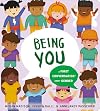
This primer on gender lays the groundwork for affirming conversations and creates opportunities for self-identification.
In straightforward, encouraging prose, Madison and Ralli guide readers through a gentle and interactive introduction to gender, sex, self-expression, and feminism. Beginning with a concrete foundation of commonality (everyone has a body), the lesson continues naturally into specific body parts (elbows, noses, vaginas, penises—the latter two not depicted), all the while show more normalizing that “every person’s body parts look different.” With that understanding, the narrator transitions into the way grown-ups describe babies as boys or girls when they are born, based on genitalia; here there’s a refreshing (but brief) acknowledgement that sometimes grown-ups aren’t sure but make a guess anyway. Emphasizing joy, wonder, the fluidity of identity, and self-expertise, the text carefully distinguishes gender from expression, which leads seamlessly into a developmentally conscious explanation of harmful stereotypes, unfair rules that give boys unearned power, and ultimately a call to action. Prompting questions invite the audience to deepen the facilitated conversation through moments of self-love, reflection, and sharing personal truths. Accompanying illustrations feature a racially diverse cohort of children learning about themselves, playing with one another, and engaging with their community, which includes recurring representations of disabled people as active participants. The final pages, targeted at caregivers, provide additional means of engaging with the conversation and pointedly challenge adults not to underestimate young people.
An invaluable resource that supports ease and confidence. (resources) (Board book. 2-5)
-Kirkus Review show less
In straightforward, encouraging prose, Madison and Ralli guide readers through a gentle and interactive introduction to gender, sex, self-expression, and feminism. Beginning with a concrete foundation of commonality (everyone has a body), the lesson continues naturally into specific body parts (elbows, noses, vaginas, penises—the latter two not depicted), all the while show more normalizing that “every person’s body parts look different.” With that understanding, the narrator transitions into the way grown-ups describe babies as boys or girls when they are born, based on genitalia; here there’s a refreshing (but brief) acknowledgement that sometimes grown-ups aren’t sure but make a guess anyway. Emphasizing joy, wonder, the fluidity of identity, and self-expertise, the text carefully distinguishes gender from expression, which leads seamlessly into a developmentally conscious explanation of harmful stereotypes, unfair rules that give boys unearned power, and ultimately a call to action. Prompting questions invite the audience to deepen the facilitated conversation through moments of self-love, reflection, and sharing personal truths. Accompanying illustrations feature a racially diverse cohort of children learning about themselves, playing with one another, and engaging with their community, which includes recurring representations of disabled people as active participants. The final pages, targeted at caregivers, provide additional means of engaging with the conversation and pointedly challenge adults not to underestimate young people.
An invaluable resource that supports ease and confidence. (resources) (Board book. 2-5)
-Kirkus Review show less
Lists
Awards


You May Also Like


Associated Authors
Statistics
- Works
- 8
- Members
- 1,127
- Popularity
- #22,789
- Rating
- 4.1
- Reviews
- 32
- ISBNs
- 46
- Languages
- 1