
Mira Jacob
Author of Good Talk: A Memoir in Conversations
Works by Mira Jacob
Associated Works
Eat Joy: Stories and Comfort Food from 31 Celebrated Writers (2019) — Contributor — 84 copies, 3 reviews
The People's Project: Poems, Essays, and Art for Looking Forward (2025) — Narrator, some editions — 45 copies, 1 review
Tagged
Common Knowledge
- Birthdate
- c.1970s
- Gender
- female
- Education
- New School for Social Research
- Nationality
- USA
- Birthplace
- New Mexico, USA
- Places of residence
- Brooklyn, New York, USA
- Associated Place (for map)
- USA
Members
Reviews
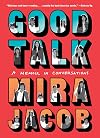
I just stumbled upon this book on Twitter when the author Mira shared a couple of illustrations from the graphic novel about Indian aunties and I couldn’t stop laughing and I decided that I had to read it. However, I ended up not finding the graphic novel at my library and had to listen to the audiobook which turned out to be totally unexpected and wonderful in its own way.
This memoir is completely heartfelt, witty and hilarious while tackling very complex issues surrounding race in the show more America of the current president. The author’s own growing up timeline felt familiar, irrespective of the fact that I grew up in India. The relationship she shared with her parents and relatives, their conversations and ideas and values all felt so relatable (not always in a good way though). When she talks about the colorism that she faced in India due to being darker toned than her parents and brother, it hit me very hard. Just like her, I too heard a lot growing up that my parents were going to have a tough time finding a guy for me because I wasn’t as fair as I used to be when I was a child. As a young well educated woman, I was constantly told I shouldn’t want to marry an equally highly educated man because neither was I very pretty nor was I rich enough to harbor such dreams. This whole idea of reducing a woman’s self worth to the color of her skin is still far too common in India even years after when the author’s own story takes place.
The other thing the author talks about is the othering she felt both while trying to date (as a bisexual woman of color) and as an aspiring author trying to make it. There are numerous occasions in the story where she encounters little statements or micro aggressions by white people, who are completely tone deaf and clueless as to how racist they come across. As an author, she has to explain to a radio producer that referring to her characters as Asian Indian instead of East Indian just so that Americans can understand it better is so darn ignorant. And all these little things just add up and go on and the author (like many other POC) doesn’t confront or argue with these people because that will not change anything. There is a frustration that is reflected in the author’s narration that I totally empathized with because it’s a reality for many of us.
And the most important and also the most difficult and heartbreaking parts of the book were her conversations with her six year old biracial son. He is an inquisitive little child always asking her lots of questions, which she wants to answer honestly - until he starts listening to the 2016 election campaign rhetoric on the news and wants to know if Trump hates him, if his white Jewish dad will have to give him and his mom up if Trump wins the election and has lots of questions about racism and prejudice and more other issues that affect him profoundly - she doesn’t know how to answer them all in a way he can understand, but can’t avoid them either because they will affect his daily life. When Mira has to explain to him that his Trump supporting republican grandparents still love him, he is truly confused and wants to beg them not to vote for him and it broke her heart along with mine. The line “sometimes the people who love you will choose a world that doesn’t” is still haunting me hours after finishing the book. While she spent the election night with her husband and their friends lamenting on the result (and also not feeling completely surprised by it), I was all alone in my home reeling with what I was seeing on tv - but the thoughts that were running through our head were the same. These conversations that she has with her kid and everything she is grappling with about her son’s future, are the same I think about when I envision having a kid who will probably be born American, but will ultimately always be defined by their skin color.
I have read in other reviews that the author’s illustration style is amazing but the full cast audio (with music and situational background score) is absolutely spectacular and I would highly recommend this format too. This book is very thought provoking and funny and also sad and I think POC readers will find some very relatable experiences in it. Thats not to say others won’t, but I feel people who have lived these experiences will have a unique appreciation for this book. show less
This memoir is completely heartfelt, witty and hilarious while tackling very complex issues surrounding race in the show more America of the current president. The author’s own growing up timeline felt familiar, irrespective of the fact that I grew up in India. The relationship she shared with her parents and relatives, their conversations and ideas and values all felt so relatable (not always in a good way though). When she talks about the colorism that she faced in India due to being darker toned than her parents and brother, it hit me very hard. Just like her, I too heard a lot growing up that my parents were going to have a tough time finding a guy for me because I wasn’t as fair as I used to be when I was a child. As a young well educated woman, I was constantly told I shouldn’t want to marry an equally highly educated man because neither was I very pretty nor was I rich enough to harbor such dreams. This whole idea of reducing a woman’s self worth to the color of her skin is still far too common in India even years after when the author’s own story takes place.
The other thing the author talks about is the othering she felt both while trying to date (as a bisexual woman of color) and as an aspiring author trying to make it. There are numerous occasions in the story where she encounters little statements or micro aggressions by white people, who are completely tone deaf and clueless as to how racist they come across. As an author, she has to explain to a radio producer that referring to her characters as Asian Indian instead of East Indian just so that Americans can understand it better is so darn ignorant. And all these little things just add up and go on and the author (like many other POC) doesn’t confront or argue with these people because that will not change anything. There is a frustration that is reflected in the author’s narration that I totally empathized with because it’s a reality for many of us.
And the most important and also the most difficult and heartbreaking parts of the book were her conversations with her six year old biracial son. He is an inquisitive little child always asking her lots of questions, which she wants to answer honestly - until he starts listening to the 2016 election campaign rhetoric on the news and wants to know if Trump hates him, if his white Jewish dad will have to give him and his mom up if Trump wins the election and has lots of questions about racism and prejudice and more other issues that affect him profoundly - she doesn’t know how to answer them all in a way he can understand, but can’t avoid them either because they will affect his daily life. When Mira has to explain to him that his Trump supporting republican grandparents still love him, he is truly confused and wants to beg them not to vote for him and it broke her heart along with mine. The line “sometimes the people who love you will choose a world that doesn’t” is still haunting me hours after finishing the book. While she spent the election night with her husband and their friends lamenting on the result (and also not feeling completely surprised by it), I was all alone in my home reeling with what I was seeing on tv - but the thoughts that were running through our head were the same. These conversations that she has with her kid and everything she is grappling with about her son’s future, are the same I think about when I envision having a kid who will probably be born American, but will ultimately always be defined by their skin color.
I have read in other reviews that the author’s illustration style is amazing but the full cast audio (with music and situational background score) is absolutely spectacular and I would highly recommend this format too. This book is very thought provoking and funny and also sad and I think POC readers will find some very relatable experiences in it. Thats not to say others won’t, but I feel people who have lived these experiences will have a unique appreciation for this book. show less
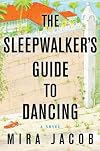
Amina is a special event photographer living in 1998's Seattle, Washington. Amina was a photojournalist, but she seems to get too attached to photos that show too much real & raw in a human being, images that others might not want to see. She goes back to New Mexico to check on her parents, because something is wrong with her dad: he spends nights talking seemingly to himself on the porch and he is a brain surgeon, so if there is something wrong, there is more at risk if he continues his show more work. Being home brings back hurtful memories for Amina, so the book also flashes back to her 1980s Mesa high school days, growing up with her brother & cousin. One chapter of the book also takes place in India, where Amina's parents are from. I did wish more of the book was spent in India. It seems many people in Amina's family have different harmful sleeping disorders. The book is much better than I'm describing.
While reading this book, I just think of all the color, color, color. I thought I was imagining what New Mexico looked like and searching for photos of the state, this is exactly what I envision: http://d2dxvtbjf2drh.cloudfront.net/wp-content/uploads/2013/03/red-rock-new-mexi... All those burnt orange mesas and super blue skies. If New Mexico itself isn't colorful enough, then add lovely silk saris and imagine all those chutneys! I wish I had a shelf in my fridge just for chutneys! (At least I was sipping some masala chai while reading.) Also, at certain points in the book it's the 1980s: color enough there. This book invents colors.
I adored this book. Amina & her entire family, you just grow to care so much! I love the idea that Amina has an extended family that isn't really related to her, just fellow immigrants from India that were invited over to the house one day, and they all stuck together. I'd love to think this happens for immigrants all of the time, because it sounds much nicer than remaining so isolated in a new country. It's almost difficult to imagine it was possible for Amina's family to have this much support, as at one point in the book the emotion of everyone almost became unbelievable (which probably says more about my own family and what I'm accustomed to). It was also unbelievable that with that much support, they couldn't overcome certain challenges: "They say it's unlike anything else. A grief so profound it can bring people closer to the dying than the living." (page 457) This might be a problem for both the characters and the book itself. Yes, those no longer around are important to remember, but I wanted to hear more from the laughter inspiring living. I'd say the book's main theme is family, no matter who you choose them to be, or if they are still with you. The entire time, Jacob has your heart in her hands, both for the characters and this perfect and at times darkly hilarious writing style. I was both tearing up and laughing at times. I had no expectations from this new author, and I was very surprised at how well written this is. It's very fluid and detailed. Though I feel like the author's note did a better job at explaining one of the plot points than the story itself. I would have liked to see more of that, so I think some things could have been expanded (the book wasn't long enough for me anyway, even at 500 pages!) No spoilers, but it was tough for me to see if some of this was magical realism or if I was supposed to take it as real, but I usually have that problem. I will DEFINITELY be keeping an eye out for Mira Jacob's other books, if the first is this good. I loved this much more than this year's Pulitzer Prize winner, 'The Goldfinch' by Donna Tartt. If only a book like this could win, but it doesn't need awards, it stands on its own sleepwalking dancing feet. I can't say enough about this one. I'm very happy I caught this one! show less
While reading this book, I just think of all the color, color, color. I thought I was imagining what New Mexico looked like and searching for photos of the state, this is exactly what I envision: http://d2dxvtbjf2drh.cloudfront.net/wp-content/uploads/2013/03/red-rock-new-mexi... All those burnt orange mesas and super blue skies. If New Mexico itself isn't colorful enough, then add lovely silk saris and imagine all those chutneys! I wish I had a shelf in my fridge just for chutneys! (At least I was sipping some masala chai while reading.) Also, at certain points in the book it's the 1980s: color enough there. This book invents colors.
I adored this book. Amina & her entire family, you just grow to care so much! I love the idea that Amina has an extended family that isn't really related to her, just fellow immigrants from India that were invited over to the house one day, and they all stuck together. I'd love to think this happens for immigrants all of the time, because it sounds much nicer than remaining so isolated in a new country. It's almost difficult to imagine it was possible for Amina's family to have this much support, as at one point in the book the emotion of everyone almost became unbelievable (which probably says more about my own family and what I'm accustomed to). It was also unbelievable that with that much support, they couldn't overcome certain challenges: "They say it's unlike anything else. A grief so profound it can bring people closer to the dying than the living." (page 457) This might be a problem for both the characters and the book itself. Yes, those no longer around are important to remember, but I wanted to hear more from the laughter inspiring living. I'd say the book's main theme is family, no matter who you choose them to be, or if they are still with you. The entire time, Jacob has your heart in her hands, both for the characters and this perfect and at times darkly hilarious writing style. I was both tearing up and laughing at times. I had no expectations from this new author, and I was very surprised at how well written this is. It's very fluid and detailed. Though I feel like the author's note did a better job at explaining one of the plot points than the story itself. I would have liked to see more of that, so I think some things could have been expanded (the book wasn't long enough for me anyway, even at 500 pages!) No spoilers, but it was tough for me to see if some of this was magical realism or if I was supposed to take it as real, but I usually have that problem. I will DEFINITELY be keeping an eye out for Mira Jacob's other books, if the first is this good. I loved this much more than this year's Pulitzer Prize winner, 'The Goldfinch' by Donna Tartt. If only a book like this could win, but it doesn't need awards, it stands on its own sleepwalking dancing feet. I can't say enough about this one. I'm very happy I caught this one! show less
 This review was written for LibraryThing Early Reviewers.
Not my usual type of book, but I'm so glad I read it. This graphic novel memoir is in turn heartbreaking, funny, romantic, horrifying, intimate and universal. Mira Jacob is unsparing and honest about her life, from her childhood in New Mexico to her young adulthood as an aspiring writer. She eventually makes her way to New York City, gets married, experiences 9/11, has a child, and watches the rise of Donald Trump with horror and disbelief. She doesn't quite fit in with her traditional show more Indian parents (and her skin is too dark for her to be considered a good match in an arranged marriage) but she also experiences countless examples of outright prejudice and more subtle microaggressions from white people. The unusual visual style - repetitive portraits of the characters superimposed on photographic backgrounds - is distinctive, but I came and stayed for the conversations and Jacob's reflections on life of being a person of color in America. After a party at her in-laws' house where a guest assumes she is "the help," she muses
This book made me even more horrified at the prospect of Trump 2020. When Jacob's 6-year old son asks her if white people are scared of him because he's brown, and then follows that question up by wondering if his white dad is also scared of him...it's hard not to imagine that this complicated situation is only going to get worse if racism is allowed to flourish unchecked. What kind of questions will he ask now that he's 12? show less
Sometimes, you go along with it and pretend nothing happened. Sometimes, you hold your breath until the feeling of wanting to be believed passes. Sometimes, you weigh explaining against staying quiet and know they're both just different kinds of heavy. Sometimes when it's your mother-in-law - a woman you started calling Mom the day you got engaged because you admired the ferocity with which she loved her children, and maybe even wanted some of it for yourself - you look ahead and see all the years of birthdays and graduations and weddings that will be shadowed by things that she can't imagine about your life. Sometimes, you can't hold your breath long enough.
This book made me even more horrified at the prospect of Trump 2020. When Jacob's 6-year old son asks her if white people are scared of him because he's brown, and then follows that question up by wondering if his white dad is also scared of him...it's hard not to imagine that this complicated situation is only going to get worse if racism is allowed to flourish unchecked. What kind of questions will he ask now that he's 12? show less

A beautiful and compelling story of family, grief, loss, memory and the fraught dance of the immigrant experience.
Amina comes of age in an unhappy home although it will take her awhile to realize this. Her father is a celebrated surgeon but his wife is an overlooked and overwhelmed mother struggling to make a life in a foreign country.
After a family blow up in India, Amina's parents become even more isolated in America. After a memorable quarrel, Amina's father, Thomas, essentially abandons show more them to his job. Her mother Kamala, lives most of her life as a single mother. Tragedy seems to stalk them, further shaking their already precarious home.
First Thomas' entire side of the family perishes in a fire caused by one of their uncles. Then Amina's brother and golden child, Akhil dies in an accident following a disturbing medical diagnosis.
Her parents descend into grief and abandon Amina again. Eventually her parents recover but that just means her father goes back to the hospital. We don't really get much glimpse of Amina's life between this teenage loss and her mid thirties when her father begins acting strangely, but I can only assume it was profoundly lonely.
Now she has to move home and care for her father - a profoundly ill-behaved patient while her mother does little but sow chaos. In the end, grief brings the family together again, but little is resolved.
The book was extremely beautifully written and plotted, but I also found the family dynamics to be endlessly frustrating which I fully attribute to the author's skill. However, I'm not sure if I was supposed to be so critical of Thomas. The narrative of the book seemed to idolize him while casting the mother an erratic and irrational force of nature. I wonder if there was a bit of unexamined misogyny in all of that.
To me, Thomas seemed like the unmitigated villain of the family. He seems to have married hastily against his family's wishes for unknown reasons. I guess Kamala was beautiful or a good cook or something, it's only hinted at, but quickly found that he didn't actually like her. They have nothing in common, fight constantly, and want profoundly different things from life. After a lifetime together, they seem to hold each other in contempt which is painful to witness.
Thomas, it appears, wants only to work and seems deeply inconvenienced by the existence of his family. He has a vague sort of fondness for them, but isn't particularly interested in them or their lives.
Akhil very astutely tells Thomas shortly before his death, that he doesn't think Thomas even likes them. Which I agree with. Perhaps he likes them in so much as they are an extension of himself, but he doesn't know them as people and doesn't devote any time or effort to change that.
Amina herself is extremely overlooked by both her parents. They don't bother to check or correct her grandmother's colorism where Amina's skin tone is concerned and they both just want her to get married regardless of her feelings.
At one point in her childhood, Thomas remarks to Amina that Akhil is going to be someone important and impactful someday. Amina seems to accept that innocuously because she is also in awe of her older brother but I found that profoundly hurtful. There's nothing special about Akhil. He's an intelligent and disaffected youth like many others but he's not ambitious or anything. To me it just seemed like Thomas expected Akhil to be amazing because he is a boy. Thomas clearly has no such expectations of Amina, and seems not to consider her future at all.
Likewise Kamala thinks Akhil is a genius and bound for greatness while spoiling him in every possible way. He gets away with everything. Naturally, when he dies her parents' lives essentially end. They have nothing left to live for.
Of course the final betrayal comes with Thomas' diagnosis. He starts seeing visions of his dead family and decides to forgo treatments so that hopefully he will eventually see Akhil. He spends his final days ignoring Amina with his eyes trained into the garden hoping to finally see his son that he completely ignored during his life.
He's also spent his life ignoring his daughter, but I guess he doesn't regret that.
I don't think I could escape resenting such parents if they were mine. I really don't know how Amina was able to reconcile with her father after the death of Akhil. She clearly blames herself, but that's nonsense.
Again, none of this is criticism of the author. Such a powerful reaction to her characters is a result of her writing and character development. Despite my criticism of them, both Kamala and Thomas are fully fledge complex characters.
Ultimately, I really enjoyed this book for the vividness and authenticity of the characters. It was a moving and haunting meditation upon life, death, grief and family connections. show less
Amina comes of age in an unhappy home although it will take her awhile to realize this. Her father is a celebrated surgeon but his wife is an overlooked and overwhelmed mother struggling to make a life in a foreign country.
After a family blow up in India, Amina's parents become even more isolated in America. After a memorable quarrel, Amina's father, Thomas, essentially abandons show more them to his job. Her mother Kamala, lives most of her life as a single mother. Tragedy seems to stalk them, further shaking their already precarious home.
First Thomas' entire side of the family perishes in a fire caused by one of their uncles. Then Amina's brother and golden child, Akhil dies in an accident following a disturbing medical diagnosis.
Her parents descend into grief and abandon Amina again. Eventually her parents recover but that just means her father goes back to the hospital. We don't really get much glimpse of Amina's life between this teenage loss and her mid thirties when her father begins acting strangely, but I can only assume it was profoundly lonely.
Now she has to move home and care for her father - a profoundly ill-behaved patient while her mother does little but sow chaos. In the end, grief brings the family together again, but little is resolved.
The book was extremely beautifully written and plotted, but I also found the family dynamics to be endlessly frustrating which I fully attribute to the author's skill. However, I'm not sure if I was supposed to be so critical of Thomas. The narrative of the book seemed to idolize him while casting the mother an erratic and irrational force of nature. I wonder if there was a bit of unexamined misogyny in all of that.
To me, Thomas seemed like the unmitigated villain of the family. He seems to have married hastily against his family's wishes for unknown reasons. I guess Kamala was beautiful or a good cook or something, it's only hinted at, but quickly found that he didn't actually like her. They have nothing in common, fight constantly, and want profoundly different things from life. After a lifetime together, they seem to hold each other in contempt which is painful to witness.
Thomas, it appears, wants only to work and seems deeply inconvenienced by the existence of his family. He has a vague sort of fondness for them, but isn't particularly interested in them or their lives.
Akhil very astutely tells Thomas shortly before his death, that he doesn't think Thomas even likes them. Which I agree with. Perhaps he likes them in so much as they are an extension of himself, but he doesn't know them as people and doesn't devote any time or effort to change that.
Amina herself is extremely overlooked by both her parents. They don't bother to check or correct her grandmother's colorism where Amina's skin tone is concerned and they both just want her to get married regardless of her feelings.
At one point in her childhood, Thomas remarks to Amina that Akhil is going to be someone important and impactful someday. Amina seems to accept that innocuously because she is also in awe of her older brother but I found that profoundly hurtful. There's nothing special about Akhil. He's an intelligent and disaffected youth like many others but he's not ambitious or anything. To me it just seemed like Thomas expected Akhil to be amazing because he is a boy. Thomas clearly has no such expectations of Amina, and seems not to consider her future at all.
Likewise Kamala thinks Akhil is a genius and bound for greatness while spoiling him in every possible way. He gets away with everything. Naturally, when he dies her parents' lives essentially end. They have nothing left to live for.
Of course the final betrayal comes with Thomas' diagnosis. He starts seeing visions of his dead family and decides to forgo treatments so that hopefully he will eventually see Akhil. He spends his final days ignoring Amina with his eyes trained into the garden hoping to finally see his son that he completely ignored during his life.
He's also spent his life ignoring his daughter, but I guess he doesn't regret that.
I don't think I could escape resenting such parents if they were mine. I really don't know how Amina was able to reconcile with her father after the death of Akhil. She clearly blames herself, but that's nonsense.
Again, none of this is criticism of the author. Such a powerful reaction to her characters is a result of her writing and character development. Despite my criticism of them, both Kamala and Thomas are fully fledge complex characters.
Ultimately, I really enjoyed this book for the vividness and authenticity of the characters. It was a moving and haunting meditation upon life, death, grief and family connections. show less
Lists
Awards


You May Also Like


Associated Authors
Statistics
- Works
- 3
- Also by
- 6
- Members
- 1,532
- Popularity
- #16,794
- Rating
- 4.1
- Reviews
- 162
- ISBNs
- 29
- Languages
- 3
- Favorited
- 2
