
Rob Thompson (2)
Author of The Glycemic-Load Diet: A powerful new program for losing weight and reversing insulin resistance
For other authors named Rob Thompson, see the disambiguation page.
About the Author
Rob Thompson, MD, is a board-certified cardiologist in private practice who has counseled patients with high cholesterol, diabetes, and heart disease for more than twenty-five years. He is the author of The New Low-Carb Way of Life, The Glycemic-Load Diet, and The Glycemic-Load Diet Cookbook. show more Thompson resides in Seattle. show less
Works by Rob Thompson
The Glycemic-Load Diet: A powerful new program for losing weight and reversing insulin resistance (2006) 99 copies, 1 review
The Insulin Resistance Solution: Reverse Pre-Diabetes, Repair Your Metabolism, Shed Belly Fat, and Prevent Diabetes - with more than 75 recipes by Dana Carpender (2016) 25 copies, 1 review
The Glycemic-Load Diet Cookbook: 150 Recipes to Help You Lose Weight and Reverse Insulin Resistance (2008) 19 copies
The Sugar Blockers Diet: The Doctor-Designed 3-Step Plan to Lose Weight, Lower Blood Sugar, and Beat Diabetes--While Eating the Carbs You Love (2012) 15 copies
The Glycemic Load Diabetes Solution: Six Steps to Optimal Control of Your Adult-Onset (Type 2) Diabetes (2012) 12 copies, 1 review
Tagged
Common Knowledge
- Gender
- male
Members
Reviews
The Insulin Resistance Solution: Reverse Pre-Diabetes, Repair Your Metabolism, Shed Belly Fat, and Prevent Diabetes - with more than 75 recipes by Dana Carpender by Rob Thompson
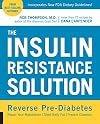
Anyone who's following my reviews knows that I am an unapologetic Dana Carpender fangirl. Her recipes never disappoint, and I have always appreciated her ability to explain complex nutritional concepts in a way that the average reader can easily understand. So I was intrigued when I learned of her collaboration with Dr. Rob Thompson on The Insulin Resistance Solution. And I was not disappointed.
Dr. Thompson, like Ms. Carpender, has a talent for presenting medical information in a show more layman-friendly, easy to understand way. His analysis of what insulin resistance is and how to reclaim a normal metabolism are probably the best that I have read. Dr. Thompson debunks the "eat less and exercise more" myth of weight loss and explains the best way to activate the specific muscle tissues that can help increase your insulin sensitivity. In addition to the very clear explanations of the various diabetes drugs and what they actually do, I really appreciated the explanation of glycemic load, "the magic number" for weight loss, and the tips for reducing the glycemic load without becoming one of those annoying dieters who makes every social occasion an eating nightmare. The appendix that provides the glycemic load for about a hundred different foods is a really useful resource.
Ms. Carpender's recipes are, as always, easy to understand, easy to follow, and undeniably delicious. When you receive your copy, the first thing you should try is the Fudgy Chocolate Whatchamacallit. That recipe alone is worth the price of the book. (And if you are missing your Chex© Party Mix on your low-carb diet, make a batch of Snack Crack. You'll be glad you did.) I really thought that everything that could be said about eggs had been said, but here you will find some great new ideas, including an amazing chicken and asparagus frittata and a delicious cheese quiche flavored with curry. show less
Dr. Thompson, like Ms. Carpender, has a talent for presenting medical information in a show more layman-friendly, easy to understand way. His analysis of what insulin resistance is and how to reclaim a normal metabolism are probably the best that I have read. Dr. Thompson debunks the "eat less and exercise more" myth of weight loss and explains the best way to activate the specific muscle tissues that can help increase your insulin sensitivity. In addition to the very clear explanations of the various diabetes drugs and what they actually do, I really appreciated the explanation of glycemic load, "the magic number" for weight loss, and the tips for reducing the glycemic load without becoming one of those annoying dieters who makes every social occasion an eating nightmare. The appendix that provides the glycemic load for about a hundred different foods is a really useful resource.
Ms. Carpender's recipes are, as always, easy to understand, easy to follow, and undeniably delicious. When you receive your copy, the first thing you should try is the Fudgy Chocolate Whatchamacallit. That recipe alone is worth the price of the book. (And if you are missing your Chex© Party Mix on your low-carb diet, make a batch of Snack Crack. You'll be glad you did.) I really thought that everything that could be said about eggs had been said, but here you will find some great new ideas, including an amazing chicken and asparagus frittata and a delicious cheese quiche flavored with curry. show less
The Glycemic-Load Diet: A powerful new program for losing weight and reversing insulin resistance by Rob Thompson
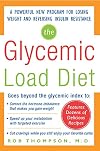
Highly sensible, science-based recommendations for losing weight. Roughly aligns with Gary Taubes's (Good Calories, Bad Calories; Why We Get Fat) conclusions about the importance of insulin in determining body composition, but offers more in the way of practical advice.
Takeaways: 1) starch is much more of a culprit than sugar, because we tend to eat so much at a serving; 2) whole grains are not really much better than white versions when it comes to insulin response (they do have more show more nutrients, however); 3) allowing some sugar is actually better for diet adherence, just keep portions small and eat after fat & protein; 4) exercising slow-twitch muscles can help greatly with improving insulin sensitivity; he recommends at least 30 minutes of walking, every other day; 5) the objective of strength training is primarily to avoid losing muscle (and hence lowering metabolism) while losing pounds.
Drawbacks: Pretty repetitive and not a lot of content in the end. I wanted to know more about the glycemic effects of food combining, and how to gauge the glycemic load of actual foods. show less
Takeaways: 1) starch is much more of a culprit than sugar, because we tend to eat so much at a serving; 2) whole grains are not really much better than white versions when it comes to insulin response (they do have more show more nutrients, however); 3) allowing some sugar is actually better for diet adherence, just keep portions small and eat after fat & protein; 4) exercising slow-twitch muscles can help greatly with improving insulin sensitivity; he recommends at least 30 minutes of walking, every other day; 5) the objective of strength training is primarily to avoid losing muscle (and hence lowering metabolism) while losing pounds.
Drawbacks: Pretty repetitive and not a lot of content in the end. I wanted to know more about the glycemic effects of food combining, and how to gauge the glycemic load of actual foods. show less
The Glycemic Load Diabetes Solution: Six Steps to Optimal Control of Your Adult-Onset (Type 2) Diabetes (All Other Health) by Rob Thompson
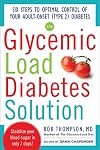
This is the best book about diabetes (and preventing it) that I've ever read. The author not only talks about what other people should do, he actually practices what he preaches as he was diagnosed with diabetes as well. It's a great book that explains in easy-to-read terms what diabetes is, how you get it, how you can prevent it, and what foods to eat to manage it. I highly recommend to anyone currently living with diabetes or with a family member with diabetes and as a guidebook to prevent show more diabetes and generally eat healthier. show less
You May Also Like


Statistics
- Works
- 9
- Members
- 190
- Popularity
- #114,773
- Rating
- 3.8
- Reviews
- 3
- ISBNs
- 31
- Languages
- 3