
Dana Canedy
Author of Unseen: Unpublished Black History from the New York Times Photo Archives
Works by Dana Canedy
Unseen: Unpublished Black History from the New York Times Photo Archives (2017) 147 copies, 1 review
Tagged
Common Knowledge
- Birthdate
- 1965-06-08
- Gender
- female
- Education
- University of Kentucky
- Occupations
- journalist
senior editor - Organizations
- The New York Times
- Awards and honors
- Pulitzer Prize (2001)
- Birthplace
- Indianapolis, Indiana, USA
- Places of residence
- Indianapolis, Indiana, USA
Radcliff, Kentucky, USA
New York, New York, USA - Associated Place (for map)
- USA
Members
Reviews
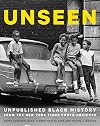
This is a beautiful coffee table book full of great photographs and fascinating back stories. In 2016, New York Times photo editor Darcy Eveleigh tumbled onto the fact that there were tens of thousands of photographs and negatives languishing, usually unseen for decades, in the Times photo archives. In many cases, Times photographers or freelancers would have shot several rolls of film (remember film?) while on assignment, and either only one of the photos would have been chosen for printing show more in the paper, or the editors would have ended up running the story without any photos, or the stories might never have been run at all. Because of the prejudices of the day (impossible to confirm of course but highly likely) or for other journalistic reasons, many of the most expressive photographs were of black New Yorkers. Eveleigh and the three colleagues listed as authors here began a months-long process of deep diving into the archives to assemble a collection that could then be published. They began with an online project whereby they would post photos they wanted more information about (the names of the people in the photos when the subjects were not famous, primarily), asking folks who could help identify any of the portrayed people to contact them They also did their research into the photographs they'd chosen, in many cases interviewing the figures still alive to find out what those people remembered about the day and the circumstances of the photographs there were in. But the authors also gleaned a lot of information, and valuable starting points, from the notes included in the archives written by the editors of the day and/or the photographers themselves.
In many cases the photographs provided scenes of triumph and accomplishment, such as a photograph taken backstage at Carnegie Hall in 1982 depicting opera singers Shirley Verrett and Grace Bumbry embracing Marian Anderson after an evening of music celebrating Anderson's art and career. That 1982 photo is in fact one of the most recent. Most are from the 1950s through the 1970s. Many portray moments from the Civil Rights Movement and the uprisings of the 1960s. There are several searing photographs depicting the fierce Detroit riots of 1968 and the aftermath of destruction and anger.
Sometimes the juxtapositions the editors have chosen are interesting. A series of "you are there" photos showing the daily life of Resurrection City, the settlement that arose on the National Mall in Washington, D.C. during the 1968 Poor People's Campaign is followed immediately by a photograph of Arthur Mitchell, "the legendary African-American dancer, choreographer and co-founder of the Dance Theater of Harlem" in a posed setting during a rehearsal for the Dance Theater's upcoming production of Creole Giselle.
Sometimes the reasons for particular photographs remaining unpublished are essentially prosaic, reinforcing the Times' reputation as the staid "Gray Lady." Expressive, movement filled photos set aside in favor of more static photos: headshots or posed portraits and the like. Other times, prejudice seems certainly to have played a part. For example, there's a photograph of President Truman shaking hands with William H. Lastie, who had just been named the first black governor of the Virgin Islands. In the photograph in the book, they are standing next to each other shaking hands. The photo that the paper actually ran was identical, but with no handshake ongoing.
There are heartbreaking and horrifying historical photographs: Coretta Scott King at her husband's funeral, inside Malcolm X's house in Queens just after it was firebombed. No one was injured, but soon we see the photograph of Malcolm X's funeral after he was assassinated by rifle fire just eight days later. There is a photograph of Fred Hampton's bullet-ridden apartment immediately after his murder by Chicago policemen, and a series of photos of black soldiers in Vietnam.
Given that many of these photographs are of black people in New York City during the 60s and 70s, it's not surprising that most of the street scenes depict areas of Harlem, where my wife and I are staying for a year, through May 2024. In fact, I bought the book in a gift shop on Lennox Avenue (a.k.a. Malcolm X Boulevard) just a few blocks from our apartment on W. 117th.
Each of the photographs/photo series is accompanied by a short essay describing the photograph, the circumstances behind its creation and information about what photo was chosen to run in its place (or whether a photo was used at all or whether a story about the incident or scene was ever run). When possible, followup information and/or relatively contemporary interviews with the subjects are included, and a few times those essays are even written by the original photographer. This is simply a wonderful book that you'll want to take your time paging through and studying. show less
In many cases the photographs provided scenes of triumph and accomplishment, such as a photograph taken backstage at Carnegie Hall in 1982 depicting opera singers Shirley Verrett and Grace Bumbry embracing Marian Anderson after an evening of music celebrating Anderson's art and career. That 1982 photo is in fact one of the most recent. Most are from the 1950s through the 1970s. Many portray moments from the Civil Rights Movement and the uprisings of the 1960s. There are several searing photographs depicting the fierce Detroit riots of 1968 and the aftermath of destruction and anger.
Sometimes the juxtapositions the editors have chosen are interesting. A series of "you are there" photos showing the daily life of Resurrection City, the settlement that arose on the National Mall in Washington, D.C. during the 1968 Poor People's Campaign is followed immediately by a photograph of Arthur Mitchell, "the legendary African-American dancer, choreographer and co-founder of the Dance Theater of Harlem" in a posed setting during a rehearsal for the Dance Theater's upcoming production of Creole Giselle.
Sometimes the reasons for particular photographs remaining unpublished are essentially prosaic, reinforcing the Times' reputation as the staid "Gray Lady." Expressive, movement filled photos set aside in favor of more static photos: headshots or posed portraits and the like. Other times, prejudice seems certainly to have played a part. For example, there's a photograph of President Truman shaking hands with William H. Lastie, who had just been named the first black governor of the Virgin Islands. In the photograph in the book, they are standing next to each other shaking hands. The photo that the paper actually ran was identical, but with no handshake ongoing.
There are heartbreaking and horrifying historical photographs: Coretta Scott King at her husband's funeral, inside Malcolm X's house in Queens just after it was firebombed. No one was injured, but soon we see the photograph of Malcolm X's funeral after he was assassinated by rifle fire just eight days later. There is a photograph of Fred Hampton's bullet-ridden apartment immediately after his murder by Chicago policemen, and a series of photos of black soldiers in Vietnam.
Given that many of these photographs are of black people in New York City during the 60s and 70s, it's not surprising that most of the street scenes depict areas of Harlem, where my wife and I are staying for a year, through May 2024. In fact, I bought the book in a gift shop on Lennox Avenue (a.k.a. Malcolm X Boulevard) just a few blocks from our apartment on W. 117th.
Each of the photographs/photo series is accompanied by a short essay describing the photograph, the circumstances behind its creation and information about what photo was chosen to run in its place (or whether a photo was used at all or whether a story about the incident or scene was ever run). When possible, followup information and/or relatively contemporary interviews with the subjects are included, and a few times those essays are even written by the original photographer. This is simply a wonderful book that you'll want to take your time paging through and studying. show less

I listened to the audio book edition of "A Journal for Jordan" and I enjoyed it very much. From the first couple of words I was drawn in by the warmth and strength of Dana's voice.
I felt as if I was listening to a good friend telling me her personal story. And what a moving story it was. Dana Canedy recounts the unfolding love story between her and First Sergeant Charles Monroe King. She tells us about their days of courtship, their plans to marry and the conception of their son Jordan. And show more finally, she shares the pain that Charles untimely death in Iraq caused her and all of his family.
Thankfully Charles left behind a journal for his infant son, which he had started during his deployment. His journal entries build the foundation for the book. In them, he counsels his son on everything from dating to becoming a respectable human being. Throughout the book you can just feel the love that the author, her fiancé and their son shared. And you can't help but join in the mourning of their fallen soldier. I was at times crying so hard that I had to take a break from listening. Yet at other times the author made me laugh out loud with some of her witty observations.
Canedy’s way with words is marvelous. And I think she created a gift for Jordan that he will forever treasure. If only every child of a fallen soldier could have a book like this. show less
I felt as if I was listening to a good friend telling me her personal story. And what a moving story it was. Dana Canedy recounts the unfolding love story between her and First Sergeant Charles Monroe King. She tells us about their days of courtship, their plans to marry and the conception of their son Jordan. And show more finally, she shares the pain that Charles untimely death in Iraq caused her and all of his family.
Thankfully Charles left behind a journal for his infant son, which he had started during his deployment. His journal entries build the foundation for the book. In them, he counsels his son on everything from dating to becoming a respectable human being. Throughout the book you can just feel the love that the author, her fiancé and their son shared. And you can't help but join in the mourning of their fallen soldier. I was at times crying so hard that I had to take a break from listening. Yet at other times the author made me laugh out loud with some of her witty observations.
Canedy’s way with words is marvelous. And I think she created a gift for Jordan that he will forever treasure. If only every child of a fallen soldier could have a book like this. show less

Adult nonfiction. Someone else might really love this book, but I didn't. Journalists always think we want to read whatever story they have to tell, and they take their sweet time telling it, too. Sometimes we do want to read it, but I just couldn't bring myself to care about this one (though the mother's letters to her son in regards to his deceased dad probably do make a good story). I had wanted to read more of what the dad had to say (for he also wrote letters to the son--in fact, a show more whole book full of them, and unlike the journalist ma, he had experienced the war in person, and had taken the time to record what he would have wanted to say to his son had he survived), and I didn't want to have to wade through the long-winded slush to find it. I don't know if it would have been appropriate to publish his writings, anyway, as it was intended for his son, but it would have been a lot more interesting. show less

I appreciate First Sergeant King's service and many sacrifices during his long and distinguished enlistment in the US Armed Forces. I also appreciate the author sharing her personal memories and grief with us as she continues to navigate the very demanding role of a bereaved woman managing a demanding career while single parenting a toddler son. Canedy, who is military child who grew into a Pulitzer Prize winning civilian, gives a fair and balanced account of her sometimes frustrating and show more sometimes beautiful encounters with military life--a rare occurrence in modern books detailing military casualties. The family photographs were a welcome addition and did much to humanize her and her son's story. Her foresight in gifting the fatherhood journal was admirable and I believe First Sergeant King was fortunate to have his story and offspring left in such capable hands. show less
You May Also Like


Associated Authors
Statistics
- Works
- 3
- Members
- 289
- Popularity
- #80,897
- Rating
- 3.6
- Reviews
- 5
- ISBNs
- 14