
Ann Thwaite
Author of A. A. Milne: His Life
About the Author
Works by Ann Thwaite
Goodbye Christopher Robin: A. A. Milne and the Making of Winnie-the-Pooh (2017) 127 copies, 3 reviews
The Only Treasure 2 copies
Allsorts 5 1 copy
Associated Works
Tagged
Common Knowledge
- Legal name
- Thwaite, Ann Barbara Harrop
- Birthdate
- 1932-10-04
- Gender
- female
- Education
- Queen Elizabeth's Grammar School, Barnet, England, UK
University of Oxford (St Hilda's College) - Occupations
- teacher
reviewer
editor
biographer - Relationships
- Thwaite, Anthony (husband)
- Nationality
- UK (England)
- Birthplace
- Hampstead, London, England, UK
- Places of residence
- London, England, UK
New Zealand
Norfolk, England, UK
Tokyo, Japan
Benghazi, Libya
Nashville, Tennessee, USA - Associated Place (for map)
- Hampstead, London, England, UK
Members
Reviews
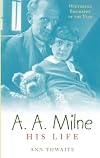
This is a rich, well-researched, engaging biography of a writer whose breadth of work extends far beyond the few children's stories for which he is so famous. Her subject, of course, is easy to relate to - Milne was not an altogether completely nice man, perhaps, but he was a gentleman, a wit - in writing, most certainly - a family man, an idealist, and best of all from a biographers viewpoint, had a life with enough facets to keep a reader more than interested while waiting to hear about show more Pooh. In fact, by the end of her book, one sympathises with Milne's position on the bear, and resolves to read at least one other book or play by the man, just to even the score a little.
Thwaite shows us the whole man, unapologetically; His enmity of Wodehouse during the war was surprising and saddening; more so - despite Thwaite's attempt not to bias the reader in the matter of Milne's relationship with his son - is the knowledge that the relationship between this well-loved children's author and the son who's fictional namesake so delights us, soured so completely. It seems a waste and a shame, and while it is not Thwaite's fault, the fact remains that despite the excellence of this biography, I would have preferred not to have read it at all.
Bother. show less
Thwaite shows us the whole man, unapologetically; His enmity of Wodehouse during the war was surprising and saddening; more so - despite Thwaite's attempt not to bias the reader in the matter of Milne's relationship with his son - is the knowledge that the relationship between this well-loved children's author and the son who's fictional namesake so delights us, soured so completely. It seems a waste and a shame, and while it is not Thwaite's fault, the fact remains that despite the excellence of this biography, I would have preferred not to have read it at all.
Bother. show less
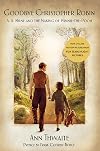
A.A. Milne didn't intend to use his son as a stepping-stone to fame and fortune. So writes Ann Thwaite in “Goodbye Christopher Robin,” the basis for a recent movie with the same title.
For one thing, Milne already had fame and fortune. He was, in the early 1920s, the most successful playwright in Great Britain. He had also written novels, including “The Red House Mystery,” and had been a popular writer for Punch. He didn't need either Christopher Robin or Winnie-the-Pooh to make his show more mark in the world.
For another, while Christopher Robin may have been his little boy's real name, it isn't what Milne or anyone else called him. He was called Billy Moon, or just Billy or, more often, just Moon. At the time the "Christopher Robin" of the poems and stories almost seemed like somebody else, an invented character.
This latter point seems a stretch. Other characters, including Winnie-the-Pooh himself, were clearly based on his son's toys. He and his wife even went shopping for new toys for their son, Kanga and Roo, to give Milne more characters to work with. E.H. Shepard came to the nursery to see both Christopher Robin and his toys before doing his drawings for the books. So how could Milne have imagined the character of Christopher Robin was anyone other than his own son?
But the young author never expected his poetry for children (“When We Were Very Young” and “Now We Are Six”) and his Winnie-the-Pooh books to become as popular as they did or to cast everything else he wrote into the shadows. Besides, at the time both Milne's wife and his little boy loved the books and the attention they brought. Only later, as Christopher Robin grew into manhood and struggled to find his own place in the world, did resentment grow and Milne fully realize his mistake.
The son later referred to the attention received through his father's books, both as a child and as an adult, as "empty fame." It had nothing to do with anything he did. Christopher Milne ran a bookshop and later wrote memoirs of his life as Winnie-the-Pooh's friend and A.A. Milne's son.
Thwaite quotes extensively from these books, as well as from A.A. Milne's letters and other sources. These long, usually dull, excerpts are her book's major weakness. They interrupt her narrative and suggest that she, or her publisher, felt padding was needed to make her book, barely 250 pages, longer. But fans of Winnie-the-Pooh, the people who will read “Goodbye Christopher Robin,” don't mind short books. show less
For one thing, Milne already had fame and fortune. He was, in the early 1920s, the most successful playwright in Great Britain. He had also written novels, including “The Red House Mystery,” and had been a popular writer for Punch. He didn't need either Christopher Robin or Winnie-the-Pooh to make his show more mark in the world.
For another, while Christopher Robin may have been his little boy's real name, it isn't what Milne or anyone else called him. He was called Billy Moon, or just Billy or, more often, just Moon. At the time the "Christopher Robin" of the poems and stories almost seemed like somebody else, an invented character.
This latter point seems a stretch. Other characters, including Winnie-the-Pooh himself, were clearly based on his son's toys. He and his wife even went shopping for new toys for their son, Kanga and Roo, to give Milne more characters to work with. E.H. Shepard came to the nursery to see both Christopher Robin and his toys before doing his drawings for the books. So how could Milne have imagined the character of Christopher Robin was anyone other than his own son?
But the young author never expected his poetry for children (“When We Were Very Young” and “Now We Are Six”) and his Winnie-the-Pooh books to become as popular as they did or to cast everything else he wrote into the shadows. Besides, at the time both Milne's wife and his little boy loved the books and the attention they brought. Only later, as Christopher Robin grew into manhood and struggled to find his own place in the world, did resentment grow and Milne fully realize his mistake.
The son later referred to the attention received through his father's books, both as a child and as an adult, as "empty fame." It had nothing to do with anything he did. Christopher Milne ran a bookshop and later wrote memoirs of his life as Winnie-the-Pooh's friend and A.A. Milne's son.
Thwaite quotes extensively from these books, as well as from A.A. Milne's letters and other sources. These long, usually dull, excerpts are her book's major weakness. They interrupt her narrative and suggest that she, or her publisher, felt padding was needed to make her book, barely 250 pages, longer. But fans of Winnie-the-Pooh, the people who will read “Goodbye Christopher Robin,” don't mind short books. show less

Waiting For the Party is a biography of Frances Hodgeson Burnett who wrote Secret Garden, Little Princess.
FHB has a terrible reputation for soppiness - Fauntleroy is far less cloying than you'd think - but sentiment and babytalk were fashionable and while FHB earned huge sums, she also developed expensive tastes which put her under pressure to keep producing bestsellers. This biography does her strength and intelligence (and, all right, occasional cheesiness; The One I Knew Best Of All, a show more autobiog of her childhood, is gruesomely winsome) full justice. show less
FHB has a terrible reputation for soppiness - Fauntleroy is far less cloying than you'd think - but sentiment and babytalk were fashionable and while FHB earned huge sums, she also developed expensive tastes which put her under pressure to keep producing bestsellers. This biography does her strength and intelligence (and, all right, occasional cheesiness; The One I Knew Best Of All, a show more autobiog of her childhood, is gruesomely winsome) full justice. show less
Beyond the Secret Garden: The Life of Frances Hodgson Burnett (with a Foreword by Jacqueline Wilson) by Ann Thwaite
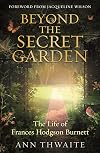
This is a fine biography, but maybe every author doesn't live a life that creates a fascinating story. I love the Secret Garden, so was curious about the life of the author. I'd say this was a pretty average life.
Lists
Awards


You May Also Like


Associated Authors
Statistics
- Works
- 34
- Also by
- 6
- Members
- 628
- Popularity
- #40,131
- Rating
- 3.6
- Reviews
- 8
- ISBNs
- 79
- Languages
- 4