
Elizabeth MacLeod
Author of Alexander Graham Bell: An Inventive Life
About the Author
Elizabeth MacLeod is a prolific author of nonfiction. A masterful researcher and excellent storyteller, she is the recipient of many awards for books such as Bones Never Lie: How Forensics Helps Solve History's Mysteries and Top Dogs: True Stories of Canines That Made History. Elizabeth lives in show more Toronto, Ontario. show less
Image credit: via Scholastic Canada
Series
Works by Elizabeth MacLeod
Marie Curie: A Brilliant Life (Snapshots: Images of People and Places in History) (2004) 238 copies, 2 reviews
Everything But the Kitchen Sink: Weird Stuff You Didn't Know About Food (2008) — Author — 179 copies, 1 review
What Did Dinosaurs Eat?: And Other Things You Want to Know About Dinosaurs (2001) 47 copies, 1 review
A History of Just About Everything: 180 Events, People and Inventions That Changed the World (2013) 31 copies, 1 review
Canadian Women Now and Then: More than 100 Stories of Fearless Trailblazers (2020) 19 copies, 1 review
The Phone Book: Instant Communication From Smoke Signals to Satellites and Beyond ? (1995) 14 copies
Canada at War 3 copies
What do dinosaurs eat? 1 copy
Le lion 1 copy
Nature's Children 1 copy
Tagged
Common Knowledge
- Gender
- female
Members
Reviews
Power in the Blood
Review of the Scholastic Canada Ltd. hardcover edition (May 2, 2023).
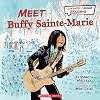
I don't usually review picture books, but I've enjoyed Buffy Sainte-Marie in concert many times and recently saw the premiere of the documentary about her life Buffy Sainte-Marie: Carry It On (2022) directed by Madison Thomas in September 2022 at TIFF (Toronto International Film Festival).
Sidenote: Buffy Sainte-Marie came to the screening we went to and sat in the first row of the risers with a huge bag show more of popcorn 🍿 which she proceeded to share with the people next to her and with the people in the 2nd row directly behind her, before the movie started. We were in the 3rd row and could not reach far enough to grab any for ourselves 😋. After the film ended to a roaring standing ovation, she leapt up and participated in an enthusiastic Q&A session.
Having such a recent biographical overview via that excellent film, I can also say that the picture book Meet Buffy Sainte-Marie does an excellent job in portraying that life for its 6-10 years old targeted audience. But hey! this 70-year-old Buffy Sainte-Marie fan enjoyed it just as much.
A sample 2-page panel from 'Meet Buffy Sainte-Marie' portraying her early career of singing in folk clubs and coffee houses. Image sourced from Scholastic Canada.
In its short 32 pages, the book covers all the major life and career highlights. It does include some of the more depressing issues such as racism and discrimination, first mentioned through the fact that as a young child she was removed from her Piapot Cree Nation birth parents in the Sixties Scoop (which actually began much earlier than the 1960s) in the Indigenous Oppression led by the Canadian government. There is also her blacklisting by American radio stations in the 1970s due to her anti-Vietnam War stance. Some of these difficult issues may have to be explained to curious and observant youngsters, so teachers and parents should also know the meaning of the red dress that Buffy hangs on stage during concerts and which is seen in some of the illustrations here, but without an explanation.
Trivia and Links
Scholastic Canada provides a School Class Discussion Guide for Meet Buffy Sainte-Marie which you can read here (the link opens a pdf file).
Meet Buffy Sainte-Marie is part of the Scholastic Canada Biography series of picture books on a variety of Canadian personalities, not necessarily just celebrities but gamechangers in various ways. You can see a selection of the books at Scholastic Canada. show less
Review of the Scholastic Canada Ltd. hardcover edition (May 2, 2023).
I don't usually review picture books, but I've enjoyed Buffy Sainte-Marie in concert many times and recently saw the premiere of the documentary about her life Buffy Sainte-Marie: Carry It On (2022) directed by Madison Thomas in September 2022 at TIFF (Toronto International Film Festival).
Sidenote: Buffy Sainte-Marie came to the screening we went to and sat in the first row of the risers with a huge bag show more of popcorn 🍿 which she proceeded to share with the people next to her and with the people in the 2nd row directly behind her, before the movie started. We were in the 3rd row and could not reach far enough to grab any for ourselves 😋. After the film ended to a roaring standing ovation, she leapt up and participated in an enthusiastic Q&A session.
Having such a recent biographical overview via that excellent film, I can also say that the picture book Meet Buffy Sainte-Marie does an excellent job in portraying that life for its 6-10 years old targeted audience. But hey! this 70-year-old Buffy Sainte-Marie fan enjoyed it just as much.
A sample 2-page panel from 'Meet Buffy Sainte-Marie' portraying her early career of singing in folk clubs and coffee houses. Image sourced from Scholastic Canada.
In its short 32 pages, the book covers all the major life and career highlights. It does include some of the more depressing issues such as racism and discrimination, first mentioned through the fact that as a young child she was removed from her Piapot Cree Nation birth parents in the Sixties Scoop (which actually began much earlier than the 1960s) in the Indigenous Oppression led by the Canadian government. There is also her blacklisting by American radio stations in the 1970s due to her anti-Vietnam War stance. Some of these difficult issues may have to be explained to curious and observant youngsters, so teachers and parents should also know the meaning of the red dress that Buffy hangs on stage during concerts and which is seen in some of the illustrations here, but without an explanation.
Trivia and Links
Scholastic Canada provides a School Class Discussion Guide for Meet Buffy Sainte-Marie which you can read here (the link opens a pdf file).
Meet Buffy Sainte-Marie is part of the Scholastic Canada Biography series of picture books on a variety of Canadian personalities, not necessarily just celebrities but gamechangers in various ways. You can see a selection of the books at Scholastic Canada. show less
My six-year-old daughter knows Anne Shirley very well. Having watched the made for television Anne of Green Gables series several times, and meeting Anne within the pages of the original Anne of Green Gables, my eldest has developed quite a love for the red-headed orphan girl who has captured the hearts of so many readers worldwide.
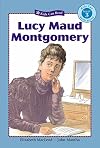
Anne’s creatrix Lucy Maud Montgomery is a figure who my daughter is much less familiar with. Settling in to read Lucy Maud Montgomery — a Kids Can Read Level show more 3 reader (designed for children just starting to read alone) from the Inspiring Lives series — I kept Maud’s identity a secret. Drawn in by the beautiful illustrations, and simple but flowing narrative, my daughter beamed with delight when she discovered that Montgomery wrote the Anne series.
Following Lucy Maud Montgomery’s life from birth to adulthood, Elizabeth MacLeod’s introduction to the author focuses tightly upon her journey to successful publication and the emotional forces in her life that led her to writing.
While written as part of a leveled reading series, this charming title should in no way be relegated to a space between the often-inane readers for young children. Instead it offers an excellent read-aloud for sharing with early elementary students before or after an introduction to Montgomery’s work, inspiration for young girls with a literary bent, and a lovely visual experience.
For independent reading, children will need to be able to tackle some advanced vocabulary and longer sentences while not having repetitive words and visual clues to guide their way.
Without becoming bogged down in facts and detail, Macleod’s simple juvenile biography of one of Canada’s most beloved authors has enchanted our family. Macleod’s strong emphasis on Montgomery’s emotions concerning her solitude and desire to be published provide a very personal glimpse into the author’s life.
Arranged in typical reader style – text and illustration clearly separated – artist John Mantha’s oil paintings clearly place Montgomery in mood and time. Softly pastoral nature scenes, period appropriate attire and hairstyles, and a lightly muted palette combine to evoke a distinctly historic air. It’s truly a delight to find a reader filled with such lovely artistic compositions
If Lucy Maud Montgomery is a representative example of the quality to be found in the Inspiring Lives sub-series of Kids Can Read titles, I strongly recommend parents, educators, and librarians to consider adding these titles to their libraries. This series installment has certainly found a permanent home in our collection. The historic significance, wonderful art, personal narrative biography, and of course the opportunity to practice newly formed reading skills mark the series as one to watch for.
Reviewed at quiverfullfamily.com show less
Anne’s creatrix Lucy Maud Montgomery is a figure who my daughter is much less familiar with. Settling in to read Lucy Maud Montgomery — a Kids Can Read Level show more 3 reader (designed for children just starting to read alone) from the Inspiring Lives series — I kept Maud’s identity a secret. Drawn in by the beautiful illustrations, and simple but flowing narrative, my daughter beamed with delight when she discovered that Montgomery wrote the Anne series.
Following Lucy Maud Montgomery’s life from birth to adulthood, Elizabeth MacLeod’s introduction to the author focuses tightly upon her journey to successful publication and the emotional forces in her life that led her to writing.
While written as part of a leveled reading series, this charming title should in no way be relegated to a space between the often-inane readers for young children. Instead it offers an excellent read-aloud for sharing with early elementary students before or after an introduction to Montgomery’s work, inspiration for young girls with a literary bent, and a lovely visual experience.
For independent reading, children will need to be able to tackle some advanced vocabulary and longer sentences while not having repetitive words and visual clues to guide their way.
Without becoming bogged down in facts and detail, Macleod’s simple juvenile biography of one of Canada’s most beloved authors has enchanted our family. Macleod’s strong emphasis on Montgomery’s emotions concerning her solitude and desire to be published provide a very personal glimpse into the author’s life.
Arranged in typical reader style – text and illustration clearly separated – artist John Mantha’s oil paintings clearly place Montgomery in mood and time. Softly pastoral nature scenes, period appropriate attire and hairstyles, and a lightly muted palette combine to evoke a distinctly historic air. It’s truly a delight to find a reader filled with such lovely artistic compositions
If Lucy Maud Montgomery is a representative example of the quality to be found in the Inspiring Lives sub-series of Kids Can Read titles, I strongly recommend parents, educators, and librarians to consider adding these titles to their libraries. This series installment has certainly found a permanent home in our collection. The historic significance, wonderful art, personal narrative biography, and of course the opportunity to practice newly formed reading skills mark the series as one to watch for.
Reviewed at quiverfullfamily.com show less
2014 is the 100th anniversary of World War I, so I've been seeing a lot of WWI books coming out. Why you would want to commemorate a horrific world war I'm not sure, but it is what it is.
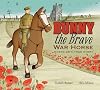
This is a picture book featuring a popular topic, animals in war. It's based on the true story of Bunny, one of the horses used in World War I. Bunny was a police horse chosen by the army. He and his rider, Bud, survive poison gas, help move supplies and wounded men, and pull cannons. After Bud is killed, show more his brother Tom is given Bunny and together they suffer the privations of war; Bunny is so hungry he eats his own blanket at one point. Bunny proves himself to Tom and the other soldiers and eventually the war is won and Tom returns home. Bunny, however, like all the other horses is left behind with farmers in Belgium.
A brief history of World War I, the 9th Battery, horses in war, and the end of war and the fate of the horses is included in the back. There are no sources listed or anything to delineate the difference between historical fact (which is apparently very thin on this story) and the author's imagination.
Lafrance's illustrations have a friendly, cartoon feel to them. The people look like wooden dolls and the battlefields are remarkably tidy. Review suggest this as a good introduction to World War I for young children; it doesn't shy away from the death, but the pictures and story are sanitized for younger readers and there is no blood or graphic depictions of violence. Which, frankly, to me makes no sense. Why would you want to introduce the concept of world war to a six year old anyways? Bunny always looks sturdy and healthy, even when he is starving. The battlefields are as orderly as a well-groomed park and the soldiers all look reasonably healthy and in good spirits.
Verdict: My review of this is pretty much personally biased. This is, in my opinion, a completely inappropriate introduction to a horrific war. I'm doubtful about the need to have books on world war for very young children anyways, but I certainly wouldn't recommend this one. The completely sanitized pictures convey nothing about the realities of war and make it look like they're going for a little vacation in Europe. This is just my opinion - many other review sources thought this was an excellent introduction to the war for young children. I won't be purchasing it for my library though.
ISBN: 9781771380249; Published 2014 by Kids Can Press; Borrowed from another library in my consortium show less
This is a picture book featuring a popular topic, animals in war. It's based on the true story of Bunny, one of the horses used in World War I. Bunny was a police horse chosen by the army. He and his rider, Bud, survive poison gas, help move supplies and wounded men, and pull cannons. After Bud is killed, show more his brother Tom is given Bunny and together they suffer the privations of war; Bunny is so hungry he eats his own blanket at one point. Bunny proves himself to Tom and the other soldiers and eventually the war is won and Tom returns home. Bunny, however, like all the other horses is left behind with farmers in Belgium.
A brief history of World War I, the 9th Battery, horses in war, and the end of war and the fate of the horses is included in the back. There are no sources listed or anything to delineate the difference between historical fact (which is apparently very thin on this story) and the author's imagination.
Lafrance's illustrations have a friendly, cartoon feel to them. The people look like wooden dolls and the battlefields are remarkably tidy. Review suggest this as a good introduction to World War I for young children; it doesn't shy away from the death, but the pictures and story are sanitized for younger readers and there is no blood or graphic depictions of violence. Which, frankly, to me makes no sense. Why would you want to introduce the concept of world war to a six year old anyways? Bunny always looks sturdy and healthy, even when he is starving. The battlefields are as orderly as a well-groomed park and the soldiers all look reasonably healthy and in good spirits.
Verdict: My review of this is pretty much personally biased. This is, in my opinion, a completely inappropriate introduction to a horrific war. I'm doubtful about the need to have books on world war for very young children anyways, but I certainly wouldn't recommend this one. The completely sanitized pictures convey nothing about the realities of war and make it look like they're going for a little vacation in Europe. This is just my opinion - many other review sources thought this was an excellent introduction to the war for young children. I won't be purchasing it for my library though.
ISBN: 9781771380249; Published 2014 by Kids Can Press; Borrowed from another library in my consortium show less
It’s not often we think of what’s below our feet, and if we do, we might think of aquifers or underground pipes. But what about secret tunnels? Or hidden military bunkers? What if we were walking over a forgotten lost city?
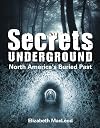
This book takes a look at some of those realities in North America. Each section takes on a different portion of the world: for example, the once-forgotten Aztec city of Tenochtitlán; buried sailing ships in San Francisco; the hidden Organ Cave in West Virginia, where show more Confederate soldiers mined saltpeter for ammunition; and a bunker in West Virginia prepared for the country’s politicians if the Cold War were to erupt.
Readers will be delighted to read about how something like sailing ships could be lost, or how an entire city can disappear. Even more, the extensive recovery efforts of these lost treasures are also highlighted. It also prompts the question: what could be hiding underneath your feet right now? Is it simply an aquifer, or maybe something else? Most likely, it will encourage kids’ interest in archaeology and history, and may even find them digging up their own backgrounds. Highly recommended. Grades 3 to 6. show less
This book takes a look at some of those realities in North America. Each section takes on a different portion of the world: for example, the once-forgotten Aztec city of Tenochtitlán; buried sailing ships in San Francisco; the hidden Organ Cave in West Virginia, where show more Confederate soldiers mined saltpeter for ammunition; and a bunker in West Virginia prepared for the country’s politicians if the Cold War were to erupt.
Readers will be delighted to read about how something like sailing ships could be lost, or how an entire city can disappear. Even more, the extensive recovery efforts of these lost treasures are also highlighted. It also prompts the question: what could be hiding underneath your feet right now? Is it simply an aquifer, or maybe something else? Most likely, it will encourage kids’ interest in archaeology and history, and may even find them digging up their own backgrounds. Highly recommended. Grades 3 to 6. show less
Lists
Awards


A History of Just About Everything: 180 Events, People and Inventions That Changed the World (Nominee – Non-Fiction – 2015)


You May Also Like


Associated Authors
Statistics
- Works
- 86
- Members
- 3,546
- Popularity
- #7,159
- Rating
- 3.8
- Reviews
- 51
- ISBNs
- 290
- Languages
- 3
- Favorited
- 1