

Alfred Russel Wallace (1823–1913)
Author of The Malay Archipelago
About the Author
Born in Usk, Wales, Alfred Wallace had a very limited education, yet he became a noted naturalist and independently developed the theory of evolution, which is most commonly associated with the name of Charles Darwin. Wallace's formal education was completed with his graduation from grammar school show more at the age of 14. Having developed an interest in natural history, he avidly pursued this study during his years as a teacher in Leicester, England. In 1848 Wallace went to Brazil to study animals of the Amazon. Returning to England in 1853, he departed a year later on an expedition to the East Indies, where he remained for nine years. It was during this time that he developed his theory of evolution, essentially the same theory of natural selection and survival of the fittest that Darwin had developed and had been painstakingly perfecting before making his views known. Wallace sent his paper setting forth his theory to Darwin, who recognized that his and Wallace's theories were the same. The theory was presented in a joint paper before the Linnaean Society, an organization of scientists, in London in 1858. With Wallace's agreement, Darwin was given the major credit for developing the theory because of the wide-ranging body of evidence that he had amassed in support of it. (Bowker Author Biography) show less
Image credit: Image from The Darwin-Wallace celebration held on Thursday, 1st July, 1908 by the Linnean Society of London (1908)
Works by Alfred Russel Wallace
Darwinism: An Exposition of the Theory of Natural Selection, with Some of its Applications (1975) 39 copies
Man's place in the universe; a study of the results of scientific research in relation to the unity or plurality of worlds (2017) 20 copies
The world of life; a manifestation of creative power, directive mind and ultimate purpose (2006) 15 copies
Is Mars Habitable? : A Critical Examination of Professor Percival Lowell's Book "Mars and Its Canals," with an Alternative Explanation (1907) 14 copies
On the Organic Law of Change: A Facsimile Edition and Annotated Transcription of Alfred Russel Wallace's Species Notebook of 1855-1859 (2013) 13 copies
Charles Darwin : herinneringen — Author — 9 copies
Natural Selection and Tropical Nature: Essays on Descriptive and Theoretical Biology (1998) 7 copies
The geographical distribution of animals, with a study of the relations of living and extinct faunas as elucidating the (2011) 7 copies
Natural Selection 3 copies
The Progress of the century 3 copies
Studies Scientific and Social 2 copies
Esiste un'altra vita? 2 copies
Australasia 2 copies
On Natural Selection 2 copies
The Letter from Ternate 1 copy
Spiritualistic experiences 1 copy
Darwinism, Part 2 of 2 1 copy
Darwinism, Part 1 of 2 1 copy
Естественный подбор 1 copy
Associated Works
Tagged
Common Knowledge
- Legal name
- Wallace, Alfred Russel
- Birthdate
- 1823-01-08
- Date of death
- 1913-11-07
- Gender
- male
- Occupations
- naturalist
explorer
geographer
anthropologist
biologist - Organizations
- British Association
Entomological Society of London
Royal Society - Awards and honors
- Darwin Medal (1890)
Linnean Medal (1892)
Royal Medal (1868)
Gold Medal of the Société de Géographie (1870)
Founder's Medal (1892)
Copley Medal (1908) (show all 8)
Darwin-Wallace Medal (1908)
Order of Merit (1908) - Nationality
- UK
- Birthplace
- Llanbadoc, Monmouthshire, Wales, UK
- Places of residence
- London, England, UK
Kington, Hereford, England, UK
Neath, Wales
Grays, Essex, England, UK
Broadstone, Dorset, England, UK - Place of death
- Broadstone, Dorset, England, UK
- Burial location
- Broadstone Cemetery, Broadstone, Dorset, England, UK
- Map Location
- Wales, UK
Members
Reviews
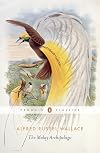
This book completes the quartet of famous nature/travel writings by great scientists of the nineteenth century. It follows in the footsteps of Humboldt's "Personal Narrative", Darwin's "Voyage of the Beagle" and Bates's "The Naturalist on the River Amazons". All four books are thoroughly entertaining, though all are also rather long.
Before he went on the expedition described in this book, Wallace had already travelled to South America (initially with Bates), and the dangers of such show more expeditions are shown by the fact that Wallace's younger brother died of yellow fever in South America and by the fact that, while he was returning to England, Wallace's ship sank and he lost most of the specimens he had collected, with Wallace and the crew being rescued after spending ten days in an open boat.
The travels described in this book form the background to the contribution that Wallace made to the development of the field of biogeography. Berry explains the significance of "Wallace's Line" in his introduction.
But Wallace is best known for coming up with the theory of evolution by natural selection independently from Darwin. In fact the idea occurred to him when he was laid up suffering from fever while on the expedition detailed in this book. (Though Wallace does not actually mention this in "The Malay Archipelago".)
Wallace certainly deserves credit for independently coming up with the same idea as Darwin, but nobody should take seriously the ridiculous conspiracy theory which claims that Darwin stole the theory of natural selection from Wallace.
Wallace himself was always happy to play second fiddle to Darwin. For example, in 1908 Wallace made a speech to the Linnaean Society in which he explicitly defended Darwin's priority, pointing out that "...the idea occurred to Darwin in October 1838, nearly twenty years earlier than to myself (in February 1858); and that during the whole of that twenty years he had been laboriously collecting evidence..."
Darwin's notebooks from the 1830s and his essays of 1842 and 1844 show that Darwin had developed his theory long before he published "On the Origin of Species" and long before Wallace had his brainwave.
Wallace was an admirable character. He did not have the advantages of wealth that Darwin had; he was a socialist (of sorts) who had progressive views on many issues; and his attitude towards native peoples was, as Berry says, "unusually enlightened" for an era when racism was rife.
Wallace also disagreed (later in his life, at least) with Darwin's mistaken decision to allow into his evolutionary theory a subsidiary role for the Lamarckian idea of the inheritance of acquired characteristics. In this, Wallace has been said to be more Darwinian than Darwin himself.
Unfortunately, on the negative side, Wallace also ended up believing in spiritualism and arguing that the human brain/mind could not have evolved. Darwin and Wallace had become good friends, but Darwin was disappointed with Wallace over this issue. Darwin and Wallace also differed over the relative importance of natural selection and sexual selection. But these differences of opinion did not stop Darwin successfully campaigning to get a state pension for Wallace.
I thoroughly recommend this book, which incidentally was a favourite of David Attenborough's when he was a boy. But if you want to know more about Wallace, I would also recommend "Alfred Russel Wallace: A Life" by Peter Raby, and "Infinite Tropics: An Alfred Russel Wallace Anthology" edited by Andrew Berry. show less
Before he went on the expedition described in this book, Wallace had already travelled to South America (initially with Bates), and the dangers of such show more expeditions are shown by the fact that Wallace's younger brother died of yellow fever in South America and by the fact that, while he was returning to England, Wallace's ship sank and he lost most of the specimens he had collected, with Wallace and the crew being rescued after spending ten days in an open boat.
The travels described in this book form the background to the contribution that Wallace made to the development of the field of biogeography. Berry explains the significance of "Wallace's Line" in his introduction.
But Wallace is best known for coming up with the theory of evolution by natural selection independently from Darwin. In fact the idea occurred to him when he was laid up suffering from fever while on the expedition detailed in this book. (Though Wallace does not actually mention this in "The Malay Archipelago".)
Wallace certainly deserves credit for independently coming up with the same idea as Darwin, but nobody should take seriously the ridiculous conspiracy theory which claims that Darwin stole the theory of natural selection from Wallace.
Wallace himself was always happy to play second fiddle to Darwin. For example, in 1908 Wallace made a speech to the Linnaean Society in which he explicitly defended Darwin's priority, pointing out that "...the idea occurred to Darwin in October 1838, nearly twenty years earlier than to myself (in February 1858); and that during the whole of that twenty years he had been laboriously collecting evidence..."
Darwin's notebooks from the 1830s and his essays of 1842 and 1844 show that Darwin had developed his theory long before he published "On the Origin of Species" and long before Wallace had his brainwave.
Wallace was an admirable character. He did not have the advantages of wealth that Darwin had; he was a socialist (of sorts) who had progressive views on many issues; and his attitude towards native peoples was, as Berry says, "unusually enlightened" for an era when racism was rife.
Wallace also disagreed (later in his life, at least) with Darwin's mistaken decision to allow into his evolutionary theory a subsidiary role for the Lamarckian idea of the inheritance of acquired characteristics. In this, Wallace has been said to be more Darwinian than Darwin himself.
Unfortunately, on the negative side, Wallace also ended up believing in spiritualism and arguing that the human brain/mind could not have evolved. Darwin and Wallace had become good friends, but Darwin was disappointed with Wallace over this issue. Darwin and Wallace also differed over the relative importance of natural selection and sexual selection. But these differences of opinion did not stop Darwin successfully campaigning to get a state pension for Wallace.
I thoroughly recommend this book, which incidentally was a favourite of David Attenborough's when he was a boy. But if you want to know more about Wallace, I would also recommend "Alfred Russel Wallace: A Life" by Peter Raby, and "Infinite Tropics: An Alfred Russel Wallace Anthology" edited by Andrew Berry. show less
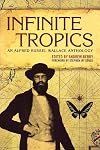
Andrew Berry has brought together an excellent collection of the writings of Alfred Russel Wallace. The selection covers Wallace's career as a widely-travelling professional collector of plants and animals, as a naturalist, and as a scientific theorist. It also covers his political views and his later belief in spiritualism.
Wallace is best known for coming up with the theory of evolution by natural selection independently from Darwin. He certainly deserves credit for this, but nobody should show more take seriously the ridiculous conspiracy theory which claims that Darwin stole the theory of natural selection from Wallace.
Wallace himself was always happy to play second fiddle to Darwin. For example, in 1908 Wallace made a speech to the Linnaean Society in which he explicitly defended Darwin's priority, pointing out that "...the idea occurred to Darwin in October 1838, nearly twenty years earlier than to myself (in February 1858); and that during the whole of that twenty years he had been laboriously collecting evidence..."
Darwin's notebooks from the 1830s and his essays of 1842 and 1844 show that Darwin had developed his theory long before he published "On the Origin of Species" and long before Wallace had his brainwave.
Wallace was an admirable character. He did not have the advantages of wealth that Darwin had; he was a socialist (of sorts) who had progressive views on many issues; and his attitude towards native peoples was unusually enlightened for an era when racism was rife.
Wallace also disagreed (later in his life, at least) with Darwin's mistaken decision to allow into his evolutionary theory a subsidiary role for the Lamarckian idea of the inheritance of acquired characteristics. In this, Wallace has been said to be more Darwinian than Darwin himself.
Unfortunately, on the negative side, Wallace also ended up believing in spiritualism and arguing that the human brain/mind could not have evolved. Darwin and Wallace had become good friends, but Darwin was disappointed with Wallace over this issue. Darwin and Wallace also differed over the relative importance of natural selection and sexual selection. But these differences of opinion did not stop Darwin successfully campaigning to get a state pension for Wallace. show less
Wallace is best known for coming up with the theory of evolution by natural selection independently from Darwin. He certainly deserves credit for this, but nobody should show more take seriously the ridiculous conspiracy theory which claims that Darwin stole the theory of natural selection from Wallace.
Wallace himself was always happy to play second fiddle to Darwin. For example, in 1908 Wallace made a speech to the Linnaean Society in which he explicitly defended Darwin's priority, pointing out that "...the idea occurred to Darwin in October 1838, nearly twenty years earlier than to myself (in February 1858); and that during the whole of that twenty years he had been laboriously collecting evidence..."
Darwin's notebooks from the 1830s and his essays of 1842 and 1844 show that Darwin had developed his theory long before he published "On the Origin of Species" and long before Wallace had his brainwave.
Wallace was an admirable character. He did not have the advantages of wealth that Darwin had; he was a socialist (of sorts) who had progressive views on many issues; and his attitude towards native peoples was unusually enlightened for an era when racism was rife.
Wallace also disagreed (later in his life, at least) with Darwin's mistaken decision to allow into his evolutionary theory a subsidiary role for the Lamarckian idea of the inheritance of acquired characteristics. In this, Wallace has been said to be more Darwinian than Darwin himself.
Unfortunately, on the negative side, Wallace also ended up believing in spiritualism and arguing that the human brain/mind could not have evolved. Darwin and Wallace had become good friends, but Darwin was disappointed with Wallace over this issue. Darwin and Wallace also differed over the relative importance of natural selection and sexual selection. But these differences of opinion did not stop Darwin successfully campaigning to get a state pension for Wallace. show less
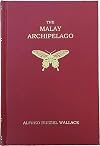
This book completes the quartet of famous nature/travel writings by great scientists of the nineteenth century. It follows in the footsteps of Humboldt’s “Personal Narrative”, Darwin’s “Voyage of the Beagle” and Bates’s “The Naturalist on the River Amazons”. All four books are thoroughly entertaining, though all are also rather long.
I thoroughly recommend this beautiful hardback facsimile edition. It is great value.
Before he went on the expedition described in this book, show more Wallace had already travelled to South America (initially with Bates), and the dangers of such expeditions are shown by the fact that Wallace’s younger brother died of yellow fever in South America and by the fact that, while he was returning to England, Wallace’s ship sank and he lost most of the specimens he had collected, with Wallace and the crew being rescued after spending ten days in an open boat.
The travels described in this book form the background to the contribution that Wallace made to the development of the field of biogeography, through what became known as “Wallace’s Line”.
But Wallace is best known for coming up with the theory of evolution by natural selection independently from Darwin. In fact, the idea occurred to him when he was laid up suffering from fever while on the expedition detailed in this book. (Though Wallace does not actually mention this in “The Malay Archipelago”.)
Wallace certainly deserves credit for independently coming up with the same idea as Darwin, but nobody should take seriously the ridiculous conspiracy theory which claims that Darwin stole the theory of natural selection from Wallace.
Wallace himself was always happy to play second fiddle to Darwin. For example, in 1908 Wallace made a speech to the Linnaean Society in which he explicitly defended Darwin’s priority, pointing out that “...the idea occurred to Darwin in October 1838, nearly twenty years earlier than to myself (in February 1858); and that during the whole of that twenty years he had been laboriously collecting evidence...”
Darwin’s notebooks from the 1830s and his essays of 1842 and 1844 show that Darwin had developed his theory long before he published “On the Origin of Species” and long before Wallace had his brainwave.
Wallace was an admirable character. He did not have the advantages of wealth that Darwin had; he was a socialist (of sorts) who had progressive views on many issues; and his attitude towards native peoples was, as one commentator has said, “unusually enlightened” for an era when racism was rife.
Wallace also disagreed (later in his life, at least) with Darwin’s mistaken decision to allow into his evolutionary theory a subsidiary role for the Lamarckian idea of the inheritance of acquired characteristics. In this, Wallace has been said to be more Darwinian than Darwin himself.
Unfortunately, on the negative side, Wallace also ended up believing in spiritualism and arguing that the human brain/mind could not have evolved. Darwin and Wallace had become good friends, but Darwin was disappointed with Wallace over this issue. Darwin and Wallace also differed over the relative importance of natural selection and sexual selection. But these differences of opinion did not stop Darwin successfully campaigning to get a state pension for Wallace.
Incidentally, this book was a favourite of David Attenborough’s when he was a boy. And if you want to know more about Wallace, I would also recommend “Alfred Russel Wallace: A Life” by Peter Raby, and “Infinite Tropics: An Alfred Russel Wallace Anthology” edited by Andrew Berry show less
I thoroughly recommend this beautiful hardback facsimile edition. It is great value.
Before he went on the expedition described in this book, show more Wallace had already travelled to South America (initially with Bates), and the dangers of such expeditions are shown by the fact that Wallace’s younger brother died of yellow fever in South America and by the fact that, while he was returning to England, Wallace’s ship sank and he lost most of the specimens he had collected, with Wallace and the crew being rescued after spending ten days in an open boat.
The travels described in this book form the background to the contribution that Wallace made to the development of the field of biogeography, through what became known as “Wallace’s Line”.
But Wallace is best known for coming up with the theory of evolution by natural selection independently from Darwin. In fact, the idea occurred to him when he was laid up suffering from fever while on the expedition detailed in this book. (Though Wallace does not actually mention this in “The Malay Archipelago”.)
Wallace certainly deserves credit for independently coming up with the same idea as Darwin, but nobody should take seriously the ridiculous conspiracy theory which claims that Darwin stole the theory of natural selection from Wallace.
Wallace himself was always happy to play second fiddle to Darwin. For example, in 1908 Wallace made a speech to the Linnaean Society in which he explicitly defended Darwin’s priority, pointing out that “...the idea occurred to Darwin in October 1838, nearly twenty years earlier than to myself (in February 1858); and that during the whole of that twenty years he had been laboriously collecting evidence...”
Darwin’s notebooks from the 1830s and his essays of 1842 and 1844 show that Darwin had developed his theory long before he published “On the Origin of Species” and long before Wallace had his brainwave.
Wallace was an admirable character. He did not have the advantages of wealth that Darwin had; he was a socialist (of sorts) who had progressive views on many issues; and his attitude towards native peoples was, as one commentator has said, “unusually enlightened” for an era when racism was rife.
Wallace also disagreed (later in his life, at least) with Darwin’s mistaken decision to allow into his evolutionary theory a subsidiary role for the Lamarckian idea of the inheritance of acquired characteristics. In this, Wallace has been said to be more Darwinian than Darwin himself.
Unfortunately, on the negative side, Wallace also ended up believing in spiritualism and arguing that the human brain/mind could not have evolved. Darwin and Wallace had become good friends, but Darwin was disappointed with Wallace over this issue. Darwin and Wallace also differed over the relative importance of natural selection and sexual selection. But these differences of opinion did not stop Darwin successfully campaigning to get a state pension for Wallace.
Incidentally, this book was a favourite of David Attenborough’s when he was a boy. And if you want to know more about Wallace, I would also recommend “Alfred Russel Wallace: A Life” by Peter Raby, and “Infinite Tropics: An Alfred Russel Wallace Anthology” edited by Andrew Berry show less
The Malay Archipelago: The Land of the Orang-utan and the Bird of Paradise (Oxford in Asia hardback reprints) by Alfred Russel Wallace
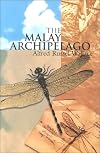
This is quite an interesting book covering Wallace's many years of residence in Indonesia, in the mid 1800s. Obviously a lot has changed since then, but this is a marvelous snapshot of the historical period and the naturalistic thinking of the time.
I paid 48,300 rupiahs for a hard-cover copy at a book stall in Denpasar, in 1990. (It's actually an "Oxford in Asia Handbook" edition, printed on cheap paper in Singapore for the local southeast Asian market.) I read it cover to cover on the Tokyo show more subways during my commute sometime in the following months. Once in a while, I long not only for the glory days before everything was McDiscovered™ and McPackaged™ for tourists, when travel was difficult and time-consuming, but also for the days when I had two hours per day of nearly uninterrupted reading time on the subway and could devote serious attention to tomes like this... show less
I paid 48,300 rupiahs for a hard-cover copy at a book stall in Denpasar, in 1990. (It's actually an "Oxford in Asia Handbook" edition, printed on cheap paper in Singapore for the local southeast Asian market.) I read it cover to cover on the Tokyo show more subways during my commute sometime in the following months. Once in a while, I long not only for the glory days before everything was McDiscovered™ and McPackaged™ for tourists, when travel was difficult and time-consuming, but also for the days when I had two hours per day of nearly uninterrupted reading time on the subway and could devote serious attention to tomes like this... show less
Lists
Awards

You May Also Like


Associated Authors
Statistics
- Works
- 74
- Also by
- 4
- Members
- 1,187
- Popularity
- #21,659
- Rating
- 4.0
- Reviews
- 13
- ISBNs
- 214
- Languages
- 9
- Favorited
- 4


