

Manuel Rivas
Author of The Carpenter's Pencil
About the Author
Works by Manuel Rivas
Vivir sin permiso y otras historias de Oeste / Unauthorized Living and Other Stories from Oeste (Spanish Edition) (2018) 10 copies
Galicia, el bonsái atlántico: Descripción del antiguo reino del oeste (El viaje interior) (Spanish Edition) (1990) 5 copies
Episodios Galegos / Galician Episodes: Tempos De Esperpento / Strange Times (Cronica / Chronicle) (2009) 3 copies
Conciencia de clase (vol. 1): Historias de las comisiones obreras: 808 (COLECCION MAYOR) (2020) — Author — 2 copies
Os partidos políticos na galiza. 2 copies
Associated Works
Tagged
Common Knowledge
- Birthdate
- 1957-10-24
- Gender
- male
- Organizations
- Greenpeace
- Awards and honors
- Premio Nacional de Narrativa 1996
- Nationality
- Spain
- Birthplace
- A Coruna, Galicia, Spain
- Places of residence
- A Coruña, Galicia, Spain
- Associated Place (for map)
- Galicia, Spain
Members
Reviews

The Carpenter's Pencil is set in 1936 and concerns early months of the Spanish Civil War and Franco's brutal suppression of any opposition. It is a portrayal of those involved on both sides of the conflict.
The story contains two main characters - Doctor Daniel da Barca and the prison guard, Herbal. Herbal is the narrator so it is through his eyes that we see the doctor. Herbal is a conflicted character, both fascinated and hating the doctor and at the same time, at times his persecutor and show more others his protector. In contrast the doctor is portrayed as having almost religious qualities, working tirelessly to treat his fellow prisoners whilst seemingly having divine protection akin to the biblical character that he is named after. On his release from prison the doctor goes into exile in America and only returns to his native Galicia after Franco's death.
The story is told many years after the end of the civil war and moves backwards and forwards through time and from one viewpoint to another. Herbal is recounting the doctor's story to a young prostitute in a brothel.
Early in the book Herbal blows the top off the head of an artist. The pencil in the title is one used by the artist to sketch a church porch in which the faces of the prophets and elders are replaced by the heads of his fellow Republican prisoners. Herbal takes the pencil as a keepsake, but finds when he puts it behind his ear that the artist has conversations with him about art and Da Barca. But this isn't a book that is full of doom and gloom because alongside the horror there is also an enduring love story.
The book is little more than a novella (my copy had 160 pages) and the writing is poetic in nature. But it isn't overblown poetry but simple and powerful poetical phrases that evoke imagery and emotions perfectly and is full of humanity and tenderness. As one of the blurbs on the back of my copy states "I have rarely read a piece of writing so poetic."
Perhaps I wanted to enjoy this book too much or perhaps I just wanted and hoped to learn more about a conflict that I know little about but despite really admiring the writing style, at the end of this book I felt a little disappointed. The book was originally written in the author's native Galician so perhaps it lost something in translation. But don't let me put you off as all the same I would heartily recommend it to anyone who admires great writing and certainly wouldn't shy away from reading another of the author's works. show less
The story contains two main characters - Doctor Daniel da Barca and the prison guard, Herbal. Herbal is the narrator so it is through his eyes that we see the doctor. Herbal is a conflicted character, both fascinated and hating the doctor and at the same time, at times his persecutor and show more others his protector. In contrast the doctor is portrayed as having almost religious qualities, working tirelessly to treat his fellow prisoners whilst seemingly having divine protection akin to the biblical character that he is named after. On his release from prison the doctor goes into exile in America and only returns to his native Galicia after Franco's death.
The story is told many years after the end of the civil war and moves backwards and forwards through time and from one viewpoint to another. Herbal is recounting the doctor's story to a young prostitute in a brothel.
Early in the book Herbal blows the top off the head of an artist. The pencil in the title is one used by the artist to sketch a church porch in which the faces of the prophets and elders are replaced by the heads of his fellow Republican prisoners. Herbal takes the pencil as a keepsake, but finds when he puts it behind his ear that the artist has conversations with him about art and Da Barca. But this isn't a book that is full of doom and gloom because alongside the horror there is also an enduring love story.
The book is little more than a novella (my copy had 160 pages) and the writing is poetic in nature. But it isn't overblown poetry but simple and powerful poetical phrases that evoke imagery and emotions perfectly and is full of humanity and tenderness. As one of the blurbs on the back of my copy states "I have rarely read a piece of writing so poetic."
Perhaps I wanted to enjoy this book too much or perhaps I just wanted and hoped to learn more about a conflict that I know little about but despite really admiring the writing style, at the end of this book I felt a little disappointed. The book was originally written in the author's native Galician so perhaps it lost something in translation. But don't let me put you off as all the same I would heartily recommend it to anyone who admires great writing and certainly wouldn't shy away from reading another of the author's works. show less
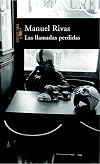
Las llamadas perdidas
Manuel Rivas
Publicado: 2002 | 129 páginas
Relato Realista
Los relatos de Las llamadas perdidas se rebelan contra la fatalidad, se hacen fuertes con su brizna de esperanza, con sus puñetazos de humor e ironía. Como cuando las paredes oyen a los amantes, «¡Así, más, más, más!», esta nueva obra del autor de La lengua de las mariposas y El lápiz del carpintero no huye de la realidad sino que reclama más y más: ¡Más realidad! La memoria viaja sobre los hombros show more del lenguaje. Los recuerdos aquí no son pasado, son una reconstrucción de la vida por medio de las sensaciones y de una mirada táctil.
El impacto de las pérdidas hace tambalear la existencia cotidiana. Esa excitación, ese levantarse en la caída, es el punto de partida de este libro emocionante. Estamos ante un realismo íntimo , donde golpean a puñetazos la conmoción y la sorpresa, pero que rechaza la convención de lo mágico como etiqueta limitadora. Al contrario, reclama más realidades: la que se oculta, esconde o se disfraza. La literatura viene siendo nuestra intrahistoria, y el camino que aquí va abriendo la escritura es un paso clandestino, con tramos inquietantes, que nos conduce al paisaje de la emoción. Pero son relatos, los de Las llamadas perdidas , que se rebelan contra la fatalidad. En ellos surgen siempre personajes que luchan, cuerpo a cuerpo, contra la adversidad y la tristeza. Se hacen fuertes con su brizna de esperanza, con sus puñetazos de humor e ironía. show less
Manuel Rivas
Publicado: 2002 | 129 páginas
Relato Realista
Los relatos de Las llamadas perdidas se rebelan contra la fatalidad, se hacen fuertes con su brizna de esperanza, con sus puñetazos de humor e ironía. Como cuando las paredes oyen a los amantes, «¡Así, más, más, más!», esta nueva obra del autor de La lengua de las mariposas y El lápiz del carpintero no huye de la realidad sino que reclama más y más: ¡Más realidad! La memoria viaja sobre los hombros show more del lenguaje. Los recuerdos aquí no son pasado, son una reconstrucción de la vida por medio de las sensaciones y de una mirada táctil.
El impacto de las pérdidas hace tambalear la existencia cotidiana. Esa excitación, ese levantarse en la caída, es el punto de partida de este libro emocionante. Estamos ante un realismo íntimo , donde golpean a puñetazos la conmoción y la sorpresa, pero que rechaza la convención de lo mágico como etiqueta limitadora. Al contrario, reclama más realidades: la que se oculta, esconde o se disfraza. La literatura viene siendo nuestra intrahistoria, y el camino que aquí va abriendo la escritura es un paso clandestino, con tramos inquietantes, que nos conduce al paisaje de la emoción. Pero son relatos, los de Las llamadas perdidas , que se rebelan contra la fatalidad. En ellos surgen siempre personajes que luchan, cuerpo a cuerpo, contra la adversidad y la tristeza. Se hacen fuertes con su brizna de esperanza, con sus puñetazos de humor e ironía. show less
“I can picture the eyes poring over the last of the books, weighing their value, their health, color, musculature, and the state of their spines, meanwhile the books are in a state of shock as they feel the ground vanish out from under them.”
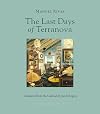
The Last Days of Terranova by Manuel Rivas (translated by Jacob Rogers) revolves around a family-owned bookstore in Galicia, Spain that is facing closure and the property to be handed over to real estate developers. As the story begins, we meet show more Vicenzo Fontana in 2014 as he broods over the imminent closure of The Terranova Bookstore, that has been in his family for decades, the fruition of his mother Comba’s dream to own her bookstore - the plans for which started taking shape in 1935. Her father, Vincenzo’s grandfather, worked very hard, in his lifetime, to make her dreams come true. Finally in 1946, she opened the store, marrying her husband Amaro the following year.
The story of the Terranova Bookstore and its owners is inextricably linked to the changing political and social landscape of the country and the surrounding region and moves through the years of the Francoist regime and the censorship of literature and the exile of intellectuals through the years to the democratic transition in the 1970s and the present day plagued by failing local independent businesses and economic recession. The narrative moves back and forth between various points of time in the past and the present day.
Vicenzo is dejected as he prepares for the liquidation of his inventory. He spends the last few days in his store with his dog, a few of the family's long time employees (who are more like family than staff) , and a new friend who has turned to him for help. As he prepares for the closure of the store and his imminent eviction from the property his memories take him back to the people and the events that have shaped his life.
“What did it matter if one bookstore closed, when so many other shops were closing too? A hole, an empty space, another hole. Emptiness grows, but due to its nature no one notices its reign until they find themselves trapped inside it. The eviction of souls, the cheapening of the imagination, the loss of oxygen.”
Vincenzo’s father, Amaro, a scholar of classical languages known for his passion for Homer’s Odyssey and a member of the Seminary of Galician Studies, loses his teaching job during the regime and devotes his time to the bookstore and writing articles under the pseudonym “Polytropos”, hosting intellectuals and facilitating debates and discussions and along with Vincenzo's Uncle Eliseo, facilitates the smuggling of banned books by emigrants and travelers in false bottomed suitcases across the seas and borders. They earn the reputation of a “banned book provider", acquiring books written by authors in exile and translations of international works banned in Francoist Spain,
braving inquiries, interrogations, informants and targeted raids through the years. Vincenzo, having suffered from polio and undergone a long, painful treatment using Iron Lung apparatus in the Marine Sanitarium as a child, found comfort among the shelves of the bookstore where his love for books and reading was nurtured. He also dreamed of leaving Galicia and did spend some of his early adult years in Madrid, returning with his friend Garua, an Argentinian revolutionary on the run, when it becomes unsafe for them to remain in Madrid in the aftermath of General Franco’s demise in the mid-1970s, gradually becoming more involved with the store.
The vivid descriptions of the bookstore with its owners and their friends, family and patrons, the historical backdrop and the numerous literary references make for an absorbing read. It does take a bit of effort to get used to the jumping timelines. Though we meet several characters whose stories are interwoven throughout the novel, nowhere did I feel that the author digressed from the main narrative and I did not lose interest at any point. With its beautiful prose and nostalgic tone, superb characterizations and relevant themes, this is an immersive and thought-provoking read that not only highlights the role of bookstores, books and literature in the lives of those who find comfort and solace in reading but also emphasizes the power of the written word in preserving history and instigating change and advancement of society as a whole. This was my first time reading Manuel Rivas and I was not disappointed!
“The link between a person’s life and what they like to read is unpredictable. According to the saying, we are what we read. But it could just as easily be said that we are what we don’t read.”
Many thanks to Archipelago Books and NetGalley for the digital review copy of this novel. All opinions expressed in this review are my own. This book is due to be released on October 11. 2022. show less
The Last Days of Terranova by Manuel Rivas (translated by Jacob Rogers) revolves around a family-owned bookstore in Galicia, Spain that is facing closure and the property to be handed over to real estate developers. As the story begins, we meet show more Vicenzo Fontana in 2014 as he broods over the imminent closure of The Terranova Bookstore, that has been in his family for decades, the fruition of his mother Comba’s dream to own her bookstore - the plans for which started taking shape in 1935. Her father, Vincenzo’s grandfather, worked very hard, in his lifetime, to make her dreams come true. Finally in 1946, she opened the store, marrying her husband Amaro the following year.
The story of the Terranova Bookstore and its owners is inextricably linked to the changing political and social landscape of the country and the surrounding region and moves through the years of the Francoist regime and the censorship of literature and the exile of intellectuals through the years to the democratic transition in the 1970s and the present day plagued by failing local independent businesses and economic recession. The narrative moves back and forth between various points of time in the past and the present day.
Vicenzo is dejected as he prepares for the liquidation of his inventory. He spends the last few days in his store with his dog, a few of the family's long time employees (who are more like family than staff) , and a new friend who has turned to him for help. As he prepares for the closure of the store and his imminent eviction from the property his memories take him back to the people and the events that have shaped his life.
“What did it matter if one bookstore closed, when so many other shops were closing too? A hole, an empty space, another hole. Emptiness grows, but due to its nature no one notices its reign until they find themselves trapped inside it. The eviction of souls, the cheapening of the imagination, the loss of oxygen.”
Vincenzo’s father, Amaro, a scholar of classical languages known for his passion for Homer’s Odyssey and a member of the Seminary of Galician Studies, loses his teaching job during the regime and devotes his time to the bookstore and writing articles under the pseudonym “Polytropos”, hosting intellectuals and facilitating debates and discussions and along with Vincenzo's Uncle Eliseo, facilitates the smuggling of banned books by emigrants and travelers in false bottomed suitcases across the seas and borders. They earn the reputation of a “banned book provider", acquiring books written by authors in exile and translations of international works banned in Francoist Spain,
braving inquiries, interrogations, informants and targeted raids through the years. Vincenzo, having suffered from polio and undergone a long, painful treatment using Iron Lung apparatus in the Marine Sanitarium as a child, found comfort among the shelves of the bookstore where his love for books and reading was nurtured. He also dreamed of leaving Galicia and did spend some of his early adult years in Madrid, returning with his friend Garua, an Argentinian revolutionary on the run, when it becomes unsafe for them to remain in Madrid in the aftermath of General Franco’s demise in the mid-1970s, gradually becoming more involved with the store.
The vivid descriptions of the bookstore with its owners and their friends, family and patrons, the historical backdrop and the numerous literary references make for an absorbing read. It does take a bit of effort to get used to the jumping timelines. Though we meet several characters whose stories are interwoven throughout the novel, nowhere did I feel that the author digressed from the main narrative and I did not lose interest at any point. With its beautiful prose and nostalgic tone, superb characterizations and relevant themes, this is an immersive and thought-provoking read that not only highlights the role of bookstores, books and literature in the lives of those who find comfort and solace in reading but also emphasizes the power of the written word in preserving history and instigating change and advancement of society as a whole. This was my first time reading Manuel Rivas and I was not disappointed!
“The link between a person’s life and what they like to read is unpredictable. According to the saying, we are what we read. But it could just as easily be said that we are what we don’t read.”
Many thanks to Archipelago Books and NetGalley for the digital review copy of this novel. All opinions expressed in this review are my own. This book is due to be released on October 11. 2022. show less
A story about two men - a Francoist jailer and a Republican prisoner-of-war - and one woman (and one ghost) set in and around the Spanish civil war. Avoids the obvious traps of either becoming a maudlin love triangle or an angry political novel, thanks both to Rivas' almost-too-poetic prose and the central idea: The story is, for the most part, narrated by the one who'd ordinarily be the bad guy - Herbal, the man who fought for Franco, who became a jailer and an executioner ridding the show more fascists of political prisoners, and who then becomes haunted by the soul of a painter kills. He takes the painter's pencil, puts it behind his ear, and cannot stop hearing his voice; empathy forced upon those who can't use it.
It's a great idea, and Rivas' prose is often stunningly beautiful. The problem, if there is such a thing because this is a quite good novel, is that its two strengths don't necessarily pull in the same direction. Rivas gets so busy shifting perspective, timelines and character focus that the novel gets a bit vaguer than I'd like, at least for a holiday read (which is my bad). In bits and pieces it's breathtaking, I just feel like the heart of it gets lost a bit at times. But very worthwhile nonetheless, and definitely marked for a re-read at some point. show less
It's a great idea, and Rivas' prose is often stunningly beautiful. The problem, if there is such a thing because this is a quite good novel, is that its two strengths don't necessarily pull in the same direction. Rivas gets so busy shifting perspective, timelines and character focus that the novel gets a bit vaguer than I'd like, at least for a holiday read (which is my bad). In bits and pieces it's breathtaking, I just feel like the heart of it gets lost a bit at times. But very worthwhile nonetheless, and definitely marked for a re-read at some point. show less
Lists
Awards


You May Also Like


Associated Authors
Statistics
- Works
- 66
- Also by
- 3
- Members
- 2,190
- Popularity
- #11,712
- Rating
- 3.6
- Reviews
- 82
- ISBNs
- 258
- Languages
- 17
- Favorited
- 2
