
Moshe Dayan (1915–1981)
Author of Story of My Life: An Autobiography
About the Author
Disambiguation Notice:
(yid) VIAF:22140607
Image credit: MSGT DENHAM, 3/21/1978 (cropped)
defenseimagery.mil
Works by Moshe Dayan
The Walls Of Israel 1 copy
Associated Works
Tagged
Common Knowledge
- Canonical name
- Dayan, Moshe
- Other names
- Даян, Моше
- Birthdate
- 1915-05-20
- Date of death
- 1981-10-16
- Gender
- male
- Occupations
- soldier
military officer
Chief of Staff of the Israel Defense Forces (1955-1958)
Israeli Minister of Agriculture (1959-1964 ∙ Mapai)
Israeli Minister of Defense (1967-1974 ∙ Labor)
Israeli Minister of Foreign Affairs (1977-1979 ∙ Labor) - Organizations
- Haganah
Israel Defense Forces - Relationships
- Dayan, Yael (daughter)
Dayan, Assi (son)
Dayan, Ruth (wife|divorced) - Nationality
- Israel
- Birthplace
- Degania Alef, Palestine, Ottoman Empire
- Places of residence
- Israel
- Place of death
- Tel Aviv, Israel
- Burial location
- Nahalal, Israel
- Disambiguation notice
- VIAF:22140607
- Associated Place (for map)
- Israel
Members
Reviews
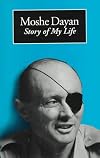
I just finished reading Story of My Life by Moshe Dayan. The book is fascinating.
I am quite familiar with the back-story of the Zionist settlement of what is now the State of Israel. I find the tale inspiring each time I read about it. He was born, if I remember correctly, around 1911 in Ottoman-empire controlled Palestine. He was one of the original Sabras, or Jews born in what is now Israel, that made it to national leadership.
He famously lost his eye in a military accident in the early show more 1940s. Nevertheless, his role in the 1948 and 1956 Wars was heroic and his role as Israel's Defense Minister in the 1967 rout of the Arab forces legendary. He does not come out looking so well in the 1973 War, but as he points out the international situation had decidedly tipped against Israel during that period. In 1967 Israel was still the darling of many of the countries in the world, though France had started shifting from being an ally of Israel to neutrality in favor of the Arabs. By then Algeria had gained independence and many of their people, along with other Arabs didn't hang around for the "fun." During the period between 1967 and 1973 the Soviet Union began adventuring in the area. Further, by 1973 world oil supplies had tightened, even before the "Arab oil embargo." Thus, Dayan's freedom of action was limited.
Dayan, as the author, obviously portrayed himself in the best light possible, certainly with regard to his limited discussion of his personal life. Other accounts do not paint a rosy picture. That being said, a leader in a country as embattled as Israel, and of a people who have had it as tough as the Jews, tend not to be saints.
On the positive side, he highlights his interest in archaeology and nature. The epilogue (spoiler alert) is particularly moving. I highly recommend this book. show less
I am quite familiar with the back-story of the Zionist settlement of what is now the State of Israel. I find the tale inspiring each time I read about it. He was born, if I remember correctly, around 1911 in Ottoman-empire controlled Palestine. He was one of the original Sabras, or Jews born in what is now Israel, that made it to national leadership.
He famously lost his eye in a military accident in the early show more 1940s. Nevertheless, his role in the 1948 and 1956 Wars was heroic and his role as Israel's Defense Minister in the 1967 rout of the Arab forces legendary. He does not come out looking so well in the 1973 War, but as he points out the international situation had decidedly tipped against Israel during that period. In 1967 Israel was still the darling of many of the countries in the world, though France had started shifting from being an ally of Israel to neutrality in favor of the Arabs. By then Algeria had gained independence and many of their people, along with other Arabs didn't hang around for the "fun." During the period between 1967 and 1973 the Soviet Union began adventuring in the area. Further, by 1973 world oil supplies had tightened, even before the "Arab oil embargo." Thus, Dayan's freedom of action was limited.
Dayan, as the author, obviously portrayed himself in the best light possible, certainly with regard to his limited discussion of his personal life. Other accounts do not paint a rosy picture. That being said, a leader in a country as embattled as Israel, and of a people who have had it as tough as the Jews, tend not to be saints.
On the positive side, he highlights his interest in archaeology and nature. The epilogue (spoiler alert) is particularly moving. I highly recommend this book. show less

Il libro è molto lungo e non sempre scorrevole: Dayan è un soldato e non uno scrittore. È estremamente interessante leggere la storia della sua vita che corrisponde alla storia militare di Israele, da prima dell’indipendenza, prima della seconda guerra mondiale, alla fine della guerra del Kippur. Il libro finisce prima di settembre nero, quando ancora l’Egitto non aveva intenzione di stipulare un trattato di pace ed erano in una situazione di belligeranza permanente. Quello che ho show more apprezzato del libro è che Dayan, pur avendo come obiettivo principale la salvaguardia di Israele, che era la sopravvivenza del suo popolo, ha sempre cercato di giungere ad una situazione di pace onorevole e non umiliante anche per le nazioni confinanti. show less
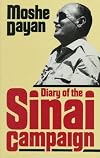
Quick and penetrating read of a lightning military campaign.
Lists
You May Also Like


Statistics
- Works
- 7
- Also by
- 1
- Members
- 724
- Popularity
- #35,064
- Rating
- 3.7
- Reviews
- 7
- ISBNs
- 25
- Languages
- 6