

Neil Douglas-Klotz
Author of Prayers of the Cosmos
About the Author
Neil Douglas-Klotz, Ph.D., a former departmental head of comparative spirituality at Holy Names College in California, now lives in Edinburgh, Scotland, where he codirects the Institute for Advanced Learning and Conscious Living.
Image credit: The Douglas Archives
Works by Neil Douglas-Klotz
The Genesis Meditations: A Shared Practice of Peace for Christians, Jews, and Muslims (2003) 39 copies
Wild Wisdom: Zen Masters, Mountain Monks, and Rebellious Eccentrics Reflect on the Healing Power of Nature (2021) 9 copies
Associated Works
Tagged
Common Knowledge
- Other names
- Klotz, Neil
Klotz, Saadi - Birthdate
- 1951
- Gender
- male
- Education
- University of California, Berkeley
- Organizations
- Edinburgh Institute for Advanced Learning
Edinbrugh International Festival of Middle Eastern Spirituality and Peace
International Network for the Dances of Universal Peace
Institute in Culture and Creation Spirituality
American Academy of Religions (Mysticism Group co-chair) - Nationality
- UK
- Places of residence
- Edinburgh, Scotland, UK
- Associated Place (for map)
- Scotland, UK
Members
Reviews

Douglas-Klotz examines the words of Jesus in their original language of Aramaic, drawing out the many beautiful layers and facets of meaning in each line of the Lord's Prayer, Beatitudes, and other well-loved verses. Additional "body prayers" suggest ways to immerse oneself further into this deep wisdom.
After decades of Bible study, the well-worn words of the Greek-to-English scripture translations had become like a locked door to me. This book drew that door back like a curtain... and what show more was behind it was so much bigger and truer than anything I'd encountered before that my heart was set aflame. show less
After decades of Bible study, the well-worn words of the Greek-to-English scripture translations had become like a locked door to me. This book drew that door back like a curtain... and what show more was behind it was so much bigger and truer than anything I'd encountered before that my heart was set aflame. show less
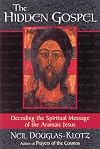
Several times I was ready to give up on this book because it's so mystic and new-age... then it'd wallop me with some mind-blowing insight that made it all worthwhile.
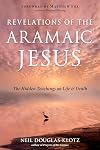
The promise of the book is to reveal the inside story of Jesus' teachings and sayings. The premise is that the more standard versions of the Bible that people read obscure the actual words of Jesus. As a result, the author's expertise about the Aramaic language promises to reveal more than theologians, most biblical experts, and ordinary believers understand about Jesus. Reading the book should encourage a more fulfilling interior, spiritual life. Revelations according to the author are show more mystical akin to other prophets and religious figures.
John 1:1 is reevaluated with reference to the Gospel of Thomas revealing light about the four traditional Gospel accounts. Thomas is an extra-canonical sayings gospel that the author cites alongside the four canonical Gospels. Scholars have proposed dates of composition as early as 60 AD and as late as 250 AD.The work is useful for the author's purpose as a Coptic-language text of which almost two-thirds of these sayings resemble those found in the canonical gospels and its editio princeps counts more than 80% of parallels, while it is speculated that the other sayings were added from Gnostic tradition. As such, the phrase "the Word was God" becomes an ongoing conversation, or messaging in that "this Word-Wisdom exists as, with and within Reality itself" (p. 117).
The mystic tradition in the history of religions often exists in conflict with religious authorities and the Aramaic Jesus is no exception. John 14:6b "No man comes to the Father, but by me" becomes similar to other
"intermediaries--saints, bodhisattvas, Orishas, ancestor, spirit guides and more--in order to help establish a clear connection to this Source, by whatever name it was known" (p. 169).
In John 17:2 "As thou hast given him power over all flesh, that he should give eternal life to as many as thou hast given him" is not a reference to "religious officials" (p. 191) as to the forgiveness of sin or the necessity to believe in Jesus to receive eternal life. Rather, for the author, Jesus is simply the anointed one clarifying the misunderstanding that believing in Jesus "is the prerequisite for life eternal, or that Jesus and God are the same" (p. 192).
The interior mystical and inside knowledge of Jesus followers are codified in the fourth century and in Chapter 19 the author refers us to online sources about what are the canonical and non-canonical teachings of the Jesus figure (note the Chapter 19 reference on p. 232 n. 1.).
The book includes abundant references to Aramaic words and meanings while including prayer references throughout as well. It is a contemplative and spiritually mystical work. show less
John 1:1 is reevaluated with reference to the Gospel of Thomas revealing light about the four traditional Gospel accounts. Thomas is an extra-canonical sayings gospel that the author cites alongside the four canonical Gospels. Scholars have proposed dates of composition as early as 60 AD and as late as 250 AD.The work is useful for the author's purpose as a Coptic-language text of which almost two-thirds of these sayings resemble those found in the canonical gospels and its editio princeps counts more than 80% of parallels, while it is speculated that the other sayings were added from Gnostic tradition. As such, the phrase "the Word was God" becomes an ongoing conversation, or messaging in that "this Word-Wisdom exists as, with and within Reality itself" (p. 117).
The mystic tradition in the history of religions often exists in conflict with religious authorities and the Aramaic Jesus is no exception. John 14:6b "No man comes to the Father, but by me" becomes similar to other
"intermediaries--saints, bodhisattvas, Orishas, ancestor, spirit guides and more--in order to help establish a clear connection to this Source, by whatever name it was known" (p. 169).
In John 17:2 "As thou hast given him power over all flesh, that he should give eternal life to as many as thou hast given him" is not a reference to "religious officials" (p. 191) as to the forgiveness of sin or the necessity to believe in Jesus to receive eternal life. Rather, for the author, Jesus is simply the anointed one clarifying the misunderstanding that believing in Jesus "is the prerequisite for life eternal, or that Jesus and God are the same" (p. 192).
The interior mystical and inside knowledge of Jesus followers are codified in the fourth century and in Chapter 19 the author refers us to online sources about what are the canonical and non-canonical teachings of the Jesus figure (note the Chapter 19 reference on p. 232 n. 1.).
The book includes abundant references to Aramaic words and meanings while including prayer references throughout as well. It is a contemplative and spiritually mystical work. show less
You May Also Like


Associated Authors
Statistics
- Works
- 21
- Also by
- 1
- Members
- 956
- Popularity
- #26,956
- Rating
- 4.1
- Reviews
- 3
- ISBNs
- 58
- Languages
- 6
- Favorited
- 1