
Anna Perera
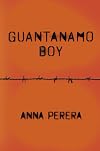
Author of Guantanamo Boy
About the Author
Image credit: via goodreads
Works by Anna Perera
Tagged
Common Knowledge
Members
Reviews
This was simpy a fantastic read. I read it cover to cover in one sitting.
This book is so far out of what I normally read. I don't read a lot of these 'issues' books written for teens. I feel they are usually over-done to say the least. This story is not in the same league as anything like those. This book is about an English-born Pakistani boy who leads the life of most normal English boys. He very rarely has seen the hate that is directed at Muslims or Pakistanis until he visits his own show more homeland, Pakistan.
Together with his parents he travels to Pakistan, where he is caught up in events which are really beyond his control and before he knows it he has been kidnapped by US forces believing him to be a terrorist and he eventually finds himself in Guantanamo Bay.
This is a harrowing tale, which had me completely engrossed in this young man's life. The emotions and trauma displayed by this young man have been portrayed so realisticly, I felt like I was experiencing them with him. I don't want to go into detail as it would be more than spoilers, they would ruin the storyline for people who want to read it.
I NEVER thought I would read anything like this, but it was so highly recommended by book reviewers here in NZ, I just had to find out what they thought was so wonderful.
This is NOT a tale of American bashing or pro-muslim (which I thought it would be at first). It is a true-to-life story(the authors' note says it is "inspired by real events".) that has certainly got me looking at things in a new way. This story is scary and wonderful, harrowing and moving and a book that I recommend to everyone.
I am a 44 year-old, white christian woman and yet I was moved to tears and to a stronger understanding of those people in this world who, though they might believe differently than me, want and desire the same things I do. A must read for everyone over the age of 14 no matter their race, creed, colour or religion. show less
This book is so far out of what I normally read. I don't read a lot of these 'issues' books written for teens. I feel they are usually over-done to say the least. This story is not in the same league as anything like those. This book is about an English-born Pakistani boy who leads the life of most normal English boys. He very rarely has seen the hate that is directed at Muslims or Pakistanis until he visits his own show more homeland, Pakistan.
Together with his parents he travels to Pakistan, where he is caught up in events which are really beyond his control and before he knows it he has been kidnapped by US forces believing him to be a terrorist and he eventually finds himself in Guantanamo Bay.
This is a harrowing tale, which had me completely engrossed in this young man's life. The emotions and trauma displayed by this young man have been portrayed so realisticly, I felt like I was experiencing them with him. I don't want to go into detail as it would be more than spoilers, they would ruin the storyline for people who want to read it.
I NEVER thought I would read anything like this, but it was so highly recommended by book reviewers here in NZ, I just had to find out what they thought was so wonderful.
This is NOT a tale of American bashing or pro-muslim (which I thought it would be at first). It is a true-to-life story(the authors' note says it is "inspired by real events".) that has certainly got me looking at things in a new way. This story is scary and wonderful, harrowing and moving and a book that I recommend to everyone.
I am a 44 year-old, white christian woman and yet I was moved to tears and to a stronger understanding of those people in this world who, though they might believe differently than me, want and desire the same things I do. A must read for everyone over the age of 14 no matter their race, creed, colour or religion. show less
A harrowing account of how a fifteen year old boy gets caught up in George Bush's ill conceived "war on terror". Accused of planning to bomb London afet he and some friends collaborated on the creation of a computer game, British school child, Khalid is abducted from Karachi in Pakistan, where he was visiting relatives. His CIA kidnappers will not believe he is 15, nor that he was just passing through a demonstration in Karachi to find his father. They fly him to Kandahar, where he is show more tortured into signing a confession that is then uses to send him to Guantanamo bay.
This is an immensely painful story - mostly because so much of it is based in real events. If anything, the inhumanity is toned down to make it suitable for young adult readers. Khalid, the protagonist, is fictional - but the story is true, and it is a book that will make you angry, depressed, frightened and sad. And yet there is a message of hope there too. Hope that we can answer evil with good, and turn away from the violence that is perpetrated against us.
This book moved me deeply. I knew it would have to - it is one of those subjects that cannot leave you untouched. But depressing as the subject material must inevitably be, and despite the evil it describes - I cannot recommend this book highly enough. There is no glossing over of unhelpful facts here. There is no wallowing in self pity or partisanship. Instead there is a story of evil, injustice, understanding, love and ultimately hope. show less
This is an immensely painful story - mostly because so much of it is based in real events. If anything, the inhumanity is toned down to make it suitable for young adult readers. Khalid, the protagonist, is fictional - but the story is true, and it is a book that will make you angry, depressed, frightened and sad. And yet there is a message of hope there too. Hope that we can answer evil with good, and turn away from the violence that is perpetrated against us.
This book moved me deeply. I knew it would have to - it is one of those subjects that cannot leave you untouched. But depressing as the subject material must inevitably be, and despite the evil it describes - I cannot recommend this book highly enough. There is no glossing over of unhelpful facts here. There is no wallowing in self pity or partisanship. Instead there is a story of evil, injustice, understanding, love and ultimately hope. show less
"We must remember that once we divide the world into good and bad, then we have to join one camp or the other, and, as you've found out, life's a bit more complex than that."
With the worldwide paranoia and fear of terrorism as a backdrop for Guantanamo Boy, Anna Perera has crafted an entirely plausible story about a 15-year-old British boy, Khalid, from Rochdale, a large town in Greater Manchester, England.
Khalid is much like any other boy from his town, interested in good grades, his mates, show more soccer ("footy"), girls, and online gaming. Though his family is Muslim, Khalid is a casual practitioner. When his family visits Pakistan to assist an aunt, Khalid's father inexplicably disappears. Khalid goes to check the address where his father was last seen, threading his way through a street protest enroute. Unable to find his father, he returns to his aunt's home where he is later kidnapped in the late night hours,
"Surely only his dad could be coming through the door without knocking this time of night?
But he's badly mistaken. Blocking the hallway is a gang of fierce-looking men dressed in dark shalwar kameez. Black cloths wrapped around their heads. Black gloves on their hands. Two angry blue eyes, the rest brown, burn into Khalid as the figures move towards him like cartoon gangsters with square bodies. Confused by the image, he staggers, bumping backwards into the wall. Arms up to stop them getting nearer. Too shocked and terrified to react as they shoulder him to the kitchen and close the door before pushing him to his knees and waving a gun at him as if he's a violent criminal. Then vice-like hands clamp his mouth tight until they plaster it with duct tape. No chance to wonder what the hell is going on, let alone scream out loud."
And so begins Khalid's descent into a frightening labyrinth of secret prisons, interrogation rooms, and finally Guantanamo Bay detention center.
A few lengthy passages are didactic in nature, but they are few in number. Khalid's unique perspective as a boy, a British citizen and non-practicing Muslim of Pakistani descent, offers a superb vantage point into the previously termed War on Terror. His sensibilities are Western, his concerns are adolescent, his perspective is that of outsider - he has known discrimination in England, he is too Western for his Pakistani relatives, he has little in common with his fellow inmates. Khalid is the perfect protagonist for this third-person narrative.
Heart-wrenching and frighteningly enlightening, Guantanmo Boy is not without bright spots - the power of small acts of kindness, the love of family, the virtue of forgiveness. A thought-provoking read for teens and young adults.
www.shelf-employed.blogspot.com show less
With the worldwide paranoia and fear of terrorism as a backdrop for Guantanamo Boy, Anna Perera has crafted an entirely plausible story about a 15-year-old British boy, Khalid, from Rochdale, a large town in Greater Manchester, England.
Khalid is much like any other boy from his town, interested in good grades, his mates, show more soccer ("footy"), girls, and online gaming. Though his family is Muslim, Khalid is a casual practitioner. When his family visits Pakistan to assist an aunt, Khalid's father inexplicably disappears. Khalid goes to check the address where his father was last seen, threading his way through a street protest enroute. Unable to find his father, he returns to his aunt's home where he is later kidnapped in the late night hours,
"Surely only his dad could be coming through the door without knocking this time of night?
But he's badly mistaken. Blocking the hallway is a gang of fierce-looking men dressed in dark shalwar kameez. Black cloths wrapped around their heads. Black gloves on their hands. Two angry blue eyes, the rest brown, burn into Khalid as the figures move towards him like cartoon gangsters with square bodies. Confused by the image, he staggers, bumping backwards into the wall. Arms up to stop them getting nearer. Too shocked and terrified to react as they shoulder him to the kitchen and close the door before pushing him to his knees and waving a gun at him as if he's a violent criminal. Then vice-like hands clamp his mouth tight until they plaster it with duct tape. No chance to wonder what the hell is going on, let alone scream out loud."
And so begins Khalid's descent into a frightening labyrinth of secret prisons, interrogation rooms, and finally Guantanamo Bay detention center.
A few lengthy passages are didactic in nature, but they are few in number. Khalid's unique perspective as a boy, a British citizen and non-practicing Muslim of Pakistani descent, offers a superb vantage point into the previously termed War on Terror. His sensibilities are Western, his concerns are adolescent, his perspective is that of outsider - he has known discrimination in England, he is too Western for his Pakistani relatives, he has little in common with his fellow inmates. Khalid is the perfect protagonist for this third-person narrative.
Heart-wrenching and frighteningly enlightening, Guantanmo Boy is not without bright spots - the power of small acts of kindness, the love of family, the virtue of forgiveness. A thought-provoking read for teens and young adults.
www.shelf-employed.blogspot.com show less
Guantanamo Boy (Albert Whitman, 2011 reprint) is the story of a teenager in the wrong place at the wrong time in a dangerous political climate. It’s a story of closed ears, fearful eyes and silent mouths. A story in which the small kindnesses buried deep in the heart have the power to keep a person alive, like the power of a good book (a Reader’s Digest copy of To Kill A Mockingbird read over and over again) or a piece of chocolate. Perera doesn’t just explore the fragility of show more individual rights but the fragility of the human soul. Her protagonist is the most innocent of them all, a mere child.
Though Khalid knows there’s a war on and has heard stories of Muslims suddenly disappearing, he can’t believe that any of it could happen to anyone he knows, much less happen directly to him. His outlook mimics our own post-9/11 cultural shock. War? What war? Not here, not in our backyard. After all, Khalid is just a teenage boy from England so why should he be concerned? He likes to hang out with his friends, play computer games and follow the Rochdale soccer team. He wishes he had the nerve to talk to pretty girls, or one particular classmate named Niamh. Khalid didn’t even want to go with his family to Pakistan and help his aunties move house. He wanted to stay home and play the computer game his cousin Tariq developed. He doesn’t speak Arabic or perform the traditional calls to prayer; he feels no affiliation to his native and familial religion aside from occasional Friday prayers at dinner. If Khalid wasn’t Muslim, the injustices and cruelty which quickly confront him… wouldn’t have happened. There would be no story of torture and survival to tell. But because Khalid got caught in a crowd during a protest in Karachi and wore the wrong clothing, he’s stolen from his family in the middle of the night and taken without charge to Guantanamo Bay. Author Anna Perera makes one thing clear with this novel: no person should suffer what her fictional character experiences in, and getting to, Guantanamo. But plenty do and it’s not a tragic work of fiction that children like Khalid suffered in the ways that Perera has researched and imagined. Though the numbers are disputed, several children have been locked up and tortured at Guantanamo Bay like dangerous terrorists and enemy informants.
Khalid’s experiences in Guantanamo, from start to finish, are astonishing. The possibility of reality – of his fictional experience based on a true, lived experience – is terrifying. How could anyone allow it to happen? Not just to an adult, but to a child! Remember all those news reports on water-boarding that sickened and disturbed us from the comfort of our couches? Rated as highly graphic on CNN and censored on the evening news? Watch any documentary exposé from the last five years and you can’t help but wonder how any rational soldier could abide by and utilize such interrogation practices. When Khalid experiences it – when Perera writes it – I had to put the story down. My stomach was cramped, my head dizzy. Enough, my body said. And yet I had to pick up the book and finish the story. I had to find out what happens because it couldn’t possibly be real. Because Khalid ought to be preparing for college entrance exams and asking Niamh out, not sitting in a cage dreaming of a James Bond-worthy escape. Khalid repeats, over and over again, the same strain: why am I here and how could anyone think I am a terrorist? I’m just a kid. Call my school. Call my parents. Ask them, ask anybody!
No one listens. That’s the red flag, the danger. Listening to each other, sharing stories, empathizing with your fellow man is the human aspect of humanity. The power of good fiction is its ability to suck you in and to feel like the protagonist is sitting there, on your bed, telling you his or her story. You can’t help but empathize and feel concerned. It’s a complicit act on part of the reader to trust the narrator and protagonist and recognize their words in the suspension of disbelief. As a protagonist, Khalid accrues reader empathy in spades. And while Guantanamo Boy doesn’t quite fit the bill of absorbing, compelling fiction à la Phillip Pullman or Suzanne Collins – I lost focus a few times, the action lagged and dragged in the middle sections, and the final chapter concluded with too much joyful familial pomp and fair for my liking – I give it a pass for its effort and agenda. Aside from my small grievances, I believe this story would have flourished if it were a graphic novel. Nothing hits home harder than images of human suffering and some of Perera’s sections begged to be drawn. I could just picture the warehouse where Khalid stayed for weeks waiting in transit, like a dog in a wire mesh cage. That scene deserved visual expression. With abuses and crimes like Khalid’s, words don’t capture enough (and it is clear Perera is trying).
It’s a story that needs to be shared. No one can finish Guantanamo Boy with a cold heart. The story is a call to action and homage to the suffering of thousands of innocents quarantined and labeled enemy combatants. The message of the book may be peace but it is hard not to get angry. The important thing, however, is that young readers are aware of the situation and understand its importance. I believe Guantanamo will haunt Americans for centuries, not only as an institution but as a foreign policy. As of March 2011, the U.S. military installation on Guantanamo is still open (despite President Obama’s promises). Some 171 people remain and, like Khalid, they have been refused basic human rights. Broken down and treated like animals, by animals. show less
Though Khalid knows there’s a war on and has heard stories of Muslims suddenly disappearing, he can’t believe that any of it could happen to anyone he knows, much less happen directly to him. His outlook mimics our own post-9/11 cultural shock. War? What war? Not here, not in our backyard. After all, Khalid is just a teenage boy from England so why should he be concerned? He likes to hang out with his friends, play computer games and follow the Rochdale soccer team. He wishes he had the nerve to talk to pretty girls, or one particular classmate named Niamh. Khalid didn’t even want to go with his family to Pakistan and help his aunties move house. He wanted to stay home and play the computer game his cousin Tariq developed. He doesn’t speak Arabic or perform the traditional calls to prayer; he feels no affiliation to his native and familial religion aside from occasional Friday prayers at dinner. If Khalid wasn’t Muslim, the injustices and cruelty which quickly confront him… wouldn’t have happened. There would be no story of torture and survival to tell. But because Khalid got caught in a crowd during a protest in Karachi and wore the wrong clothing, he’s stolen from his family in the middle of the night and taken without charge to Guantanamo Bay. Author Anna Perera makes one thing clear with this novel: no person should suffer what her fictional character experiences in, and getting to, Guantanamo. But plenty do and it’s not a tragic work of fiction that children like Khalid suffered in the ways that Perera has researched and imagined. Though the numbers are disputed, several children have been locked up and tortured at Guantanamo Bay like dangerous terrorists and enemy informants.
Khalid’s experiences in Guantanamo, from start to finish, are astonishing. The possibility of reality – of his fictional experience based on a true, lived experience – is terrifying. How could anyone allow it to happen? Not just to an adult, but to a child! Remember all those news reports on water-boarding that sickened and disturbed us from the comfort of our couches? Rated as highly graphic on CNN and censored on the evening news? Watch any documentary exposé from the last five years and you can’t help but wonder how any rational soldier could abide by and utilize such interrogation practices. When Khalid experiences it – when Perera writes it – I had to put the story down. My stomach was cramped, my head dizzy. Enough, my body said. And yet I had to pick up the book and finish the story. I had to find out what happens because it couldn’t possibly be real. Because Khalid ought to be preparing for college entrance exams and asking Niamh out, not sitting in a cage dreaming of a James Bond-worthy escape. Khalid repeats, over and over again, the same strain: why am I here and how could anyone think I am a terrorist? I’m just a kid. Call my school. Call my parents. Ask them, ask anybody!
No one listens. That’s the red flag, the danger. Listening to each other, sharing stories, empathizing with your fellow man is the human aspect of humanity. The power of good fiction is its ability to suck you in and to feel like the protagonist is sitting there, on your bed, telling you his or her story. You can’t help but empathize and feel concerned. It’s a complicit act on part of the reader to trust the narrator and protagonist and recognize their words in the suspension of disbelief. As a protagonist, Khalid accrues reader empathy in spades. And while Guantanamo Boy doesn’t quite fit the bill of absorbing, compelling fiction à la Phillip Pullman or Suzanne Collins – I lost focus a few times, the action lagged and dragged in the middle sections, and the final chapter concluded with too much joyful familial pomp and fair for my liking – I give it a pass for its effort and agenda. Aside from my small grievances, I believe this story would have flourished if it were a graphic novel. Nothing hits home harder than images of human suffering and some of Perera’s sections begged to be drawn. I could just picture the warehouse where Khalid stayed for weeks waiting in transit, like a dog in a wire mesh cage. That scene deserved visual expression. With abuses and crimes like Khalid’s, words don’t capture enough (and it is clear Perera is trying).
It’s a story that needs to be shared. No one can finish Guantanamo Boy with a cold heart. The story is a call to action and homage to the suffering of thousands of innocents quarantined and labeled enemy combatants. The message of the book may be peace but it is hard not to get angry. The important thing, however, is that young readers are aware of the situation and understand its importance. I believe Guantanamo will haunt Americans for centuries, not only as an institution but as a foreign policy. As of March 2011, the U.S. military installation on Guantanamo is still open (despite President Obama’s promises). Some 171 people remain and, like Khalid, they have been refused basic human rights. Broken down and treated like animals, by animals. show less
Lists
Awards


You May Also Like


Statistics
- Works
- 8
- Members
- 349
- Popularity
- #68,499
- Rating
- 3.7
- Reviews
- 23
- ISBNs
- 31
- Languages
- 2