
Fernando Morais
Author of Paulo Coelho: A Warrior's Life: The Authorized Biography
About the Author
Fernando Morais is one of the most important and preeminent journalists in South America and is widely credited with making the biography a popular genre in Brazil. He is also a well-known politician and activist whose articles have stirred much debate in both his native country and South America show more in general. He lives in So Paulo. show less
Image credit: Fernando Morais
Works by Fernando Morais
A ilha: Um repórter brasileiro no país de Fidel Castro (Portuguese Edition) (1978) 41 copies, 1 review
Socos na porta 2 copies
Olga: A Vida de Olga Benário Prestes, Judia Comunista Entregue a Hitler pelo Governo de Vargas 2 copies
Transamazônica 1 copy
Lula: Vol 1 1 copy
Rótulos 1 copy
Primeira página 1 copy
Não às Usinas Nucleares 1 copy
Obscuridades 1 copy
Olga - A vida de Olga Benario Prestes, judia comunista entregue a Hitler pelo governo de Vargas 1 copy
A Vendedora de Chicletes 1 copy
Tagged
Common Knowledge
- Other names
- MORAIS,, Fernando
- Birthdate
- 1946
- Gender
- male
- Nationality
- Brazil
- Associated Place (for map)
- Brazil
Members
Reviews
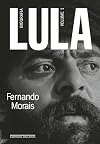
Para além de juízos ou paixões, Lula está entre as maiores figuras políticas da história brasileira. Único presidente do país com origens operárias, e campo magnético de um partido profundamente original em suas raízes, exerceu o poder carismático e a influência de modo mais duradouro que qualquer outro homem público no período republicano, salvo talvez Getúlio Vargas – com quem também compartilha a virulência dos adversários.
Desde 2011, Fernando Morais ganhou acesso show more direto, franco e frequente a Lula. A essas dezenas de horas de depoimentos, somou o faro de repórter e a prosa cativante para compor projeto biográfico que traz um painel do personagem em toda sua grandeza e complexidade.
Em narrativa que faz uso de recuos e avanços cronológicos para manter um ritmo eletrizante, neste primeiro volume Morais vai da infância de Lula até o anulamento de suas condenações, em 2021 ― passando pelo novo sindicalismo, as greves do ABC, a fundação do PT e a primeira campanha eleitoral. show less
Desde 2011, Fernando Morais ganhou acesso show more direto, franco e frequente a Lula. A essas dezenas de horas de depoimentos, somou o faro de repórter e a prosa cativante para compor projeto biográfico que traz um painel do personagem em toda sua grandeza e complexidade.
Em narrativa que faz uso de recuos e avanços cronológicos para manter um ritmo eletrizante, neste primeiro volume Morais vai da infância de Lula até o anulamento de suas condenações, em 2021 ― passando pelo novo sindicalismo, as greves do ABC, a fundação do PT e a primeira campanha eleitoral. show less
Os últimos soldados da guerra fria : a história dos agentes secretos infiltrados por Cuba em organizações de extrema direita nos Estados Unidos by Fernando Morais
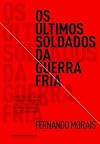
É irônico que os Estados Unidos, o país que acusa alguns países de pertencerem a um eixo do mal de apoio a grupos terroristas, tenha tantas vezes cometido o mesmo crime.
Organizações anti-castristas existem na Flórida desde a Revolução Cubana, e organizavam abertamente vôos sobre Cuba para jogar pragas nas lavouras e interferir nas transmissões do aeroporto de Havana. Com o fim da União Soviética, quando o país começou a depender economicamente do turismo, esses grupos show more seqüestravam aviões comercias com destino a Cuba, planejavam atentados à bomba em hotéis e restaurantes e metralhavam navios de passageiros em águas territoriais. Em 5 anos, foram 127 atentados, e toda a documentação enviada ao governo dos Estados Unidos com solicitações de que esses grupos fossem desmantelados foram ignoradas.
O governo cubano mandou então 13 agentes à Flórida com o objetivo de se infiltrar nessas organizações terroristas. A Rede Vespa atuou por anos nos Estados Unidos e impediu centenas de atentados, antes que seus membros fossem presos pelo FBI, julgados e condenados. O julgamento foi condenado pela Anistia Internacional, pelo Grupo Tortura Nunca Mais e pela Comissão de Direitos Humanos da ONU, e 8 laureados pelo Prêmio Nobel e Jimmy Carter já se manifestaram pela libertação dos cinco cubanos que continuam presos.
Para cobrir essa impressionante história, Fernando Morais fez mais de 40 entrevistas com líderes anti-castristas, com os cinco cubanos, por e-mail ou por intermédio de suas famílias, com as famílias, com mercenários presos em Cuba por atentados além das entrevistas em off com agentes do FBI. Além disso, ele teve acesso a documentos referentes Às investigações feitas pelos dois governos. Com essa base, ele conseguiu escrever um livro de relatos cinematográficas sobre a vida nada glamourosa dos últimos soldados da guerra fria. show less
Organizações anti-castristas existem na Flórida desde a Revolução Cubana, e organizavam abertamente vôos sobre Cuba para jogar pragas nas lavouras e interferir nas transmissões do aeroporto de Havana. Com o fim da União Soviética, quando o país começou a depender economicamente do turismo, esses grupos show more seqüestravam aviões comercias com destino a Cuba, planejavam atentados à bomba em hotéis e restaurantes e metralhavam navios de passageiros em águas territoriais. Em 5 anos, foram 127 atentados, e toda a documentação enviada ao governo dos Estados Unidos com solicitações de que esses grupos fossem desmantelados foram ignoradas.
O governo cubano mandou então 13 agentes à Flórida com o objetivo de se infiltrar nessas organizações terroristas. A Rede Vespa atuou por anos nos Estados Unidos e impediu centenas de atentados, antes que seus membros fossem presos pelo FBI, julgados e condenados. O julgamento foi condenado pela Anistia Internacional, pelo Grupo Tortura Nunca Mais e pela Comissão de Direitos Humanos da ONU, e 8 laureados pelo Prêmio Nobel e Jimmy Carter já se manifestaram pela libertação dos cinco cubanos que continuam presos.
Para cobrir essa impressionante história, Fernando Morais fez mais de 40 entrevistas com líderes anti-castristas, com os cinco cubanos, por e-mail ou por intermédio de suas famílias, com as famílias, com mercenários presos em Cuba por atentados além das entrevistas em off com agentes do FBI. Além disso, ele teve acesso a documentos referentes Às investigações feitas pelos dois governos. Com essa base, ele conseguiu escrever um livro de relatos cinematográficas sobre a vida nada glamourosa dos últimos soldados da guerra fria. show less

There are two things that I look for in a biography - accuracy and readability. Morais has certainly ticked the 'readability' box with this one. It was a really entertaining read and I flew through it. I have a lot of books by Coelho - some I like, some I don't. This book attracted me because I was interested to know who the man was behind the books. It's certainly a detailed look at his past life and Morais appears to have had unfettered access to personal journals and to Coelho and his show more cohort. Coelho is an interesting and incredibly annoying man. He comes across as a person who is in total control of the image he wants to portray. This awoke the sceptic in me with regards to how balanced this book is. While on the surface it seems balanced, it's at odds with the man described within to believe that he would not exert some kind of subtle control of the image that is immortalised here. That said, I wouldn't want to imply that Morais intentionally slanted his book in a particular direction. His use of source material and the list of individuals he interviewed attest to a thorough and meticulous approach. There was imbalance between the treatment of time periods of Coelho's life - more attention was paid to his younger years, but that could be because they were more turbulent than his later life. It appears accurate though, in as far as I can judge it and in as much as you can believe than any authorised or sanctioned biography is wholly accurate.
I would definitely recommend this if you're at all interested in Coelho or in authors in general as biography subjects. Expect to enjoy the book but be prepared to want to bludgeon Coelho over the head with a mallet constructed of copies of 'The Alchemist' by the end of the book. show less
I would definitely recommend this if you're at all interested in Coelho or in authors in general as biography subjects. Expect to enjoy the book but be prepared to want to bludgeon Coelho over the head with a mallet constructed of copies of 'The Alchemist' by the end of the book. show less
 This review was written for LibraryThing Early Reviewers.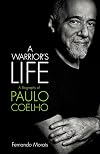
I'm not really a big fan of biographies so I doubt I would have read this if it had not been for LT early reviewers. Cohelo certainly has led an interesting and varied life so far which made for a fascinating read. Although he seems to come across as egotistical he obviously works extremely hard and always seems to make time to meet his large army of fans. The book has been well written with obvious backing from Cohelo himself. Great read, thankyou LT.
This review was written for LibraryThing Early Reviewers.Awards


You May Also Like


Associated Authors
Statistics
- Works
- 27
- Members
- 1,028
- Popularity
- #25,050
- Rating
- 3.7
- Reviews
- 31
- ISBNs
- 78
- Languages
- 13
- Favorited
- 1

