
Euclides da Cunha (1866–1909)
Author of Rebellion in the Backlands
About the Author
Image credit: Euclides da Cunha (1866—1909)
Caricature by Raul Pederneiras, 1903
(Wikipedia)
Works by Euclides da Cunha
Obra Completa, vol II 3 copies
Ondas - MartinClaret 220 2 copies
Ondas e Outros Poemas Esparsos 2 copies
O sertões em cordel 2 copies
Obra Completa - Vol. I 2 copies
Los sertones II 2 copies
Obra completa. Volume II 2 copies
Trechos Escolhidos 1 copy
OS SERTÕES EM CORDEL 1 copy
De binnenlanden 1 copy
OS SERTÕES 1- Brasil- História - Guerra de Canudos,1897.2. Brasil, Nordeste - Descrições e viagens. 1 copy
Sertões - Luz & Trevas 1 copy
Terres de Canudos 1 copy
OS SERTÕES 1 copy
Associated Works
The Green Continent: A Comprehensive View of Latin America by Its Leading Writers (1944) — Contributor — 14 copies
Tagged
Common Knowledge
- Birthdate
- 1866-01-22
- Date of death
- 1909-08-15
- Gender
- male
- Occupations
- writer
engineer - Organizations
- Academia Brasileira de Letras
- Nationality
- Brazil
- Places of residence
- Cantagalo, Brazil
- Associated Place (for map)
- Cantagalo, Brazil
Members
Reviews

Não é a primeira vez que tento ler Os Sertões, mas é a primeira vez que eu de fato consigo tankar esse começo que é dezenas de páginas sobre geologia e nada mais. Continua bastante difícil de tankar, e eu fiquei na dúvida se era válido ou não pular. Provavelmente é, mas eu queria me testar e foi um bom sonífero. Eu não imaginava que ia passar a gostar e ver mérito em tudo, e menos ainda que esse livro inspirou livros do Sandor Marai, Llosa, entre outros. Quero ler o do llosa show more ao menos, é dos 1001.
É até difícil classificar esse livro como qualquer coisa, porque ele não chega a ser uma biografia nem uma tese. É essencialmente o livro de um jornalista tentando explicar como se chegou ao ponto que se chegou em Canudos. Ao longo do livro, que é dividido em três partes, Euclides expõe a história que não pode escrever quando era correspondente e adido do Estado Maior na última expedição à Canudos. Euclides é claramente muito inteligente, estudado e um PORRE. Ele usa um vocabulário que eu nunca vi na minha vida em qualquer livro do português antigo, e foi inclusive criticado na pelo Verissimo por isso. É o estilo do cabra? É, mas é pedante. E piadas à parte, talvez seja a maneira dele dar um verniz de credibilidade pra um livro que era uma espécie de confissão de que a verdade foi omitida por ele.
Vamos aos fatos: a República é decretada por meio de um golpe militar, e começam a surgir alguns focos pra lá e pra cá de resistência, como no Sul. A figura messiânica de Antonio Conselheiro vai surgindo nos sertões do NE como um andarilho extremamente cristão, que anda arrebanhando fiéis e realizando obras em igrejas. Ele inspira medo no poder oficial por sempre se declarar contra a República, o que encaixa um pouco na narrativa de que ‘o povo assistiu àquilo [proclamação] bestializado’. Como católico fervoroso, ele e seus seguidores não se afeiçoaram ao ideal secularista que a República trazia, como casamento civil e afins, e pareciam preferir a monarquia, mas não do jeito revolucionário que outros grupos traziam. Não é exatamente um culto louco porém inocente, por que muitos bandidos se juntavam ao grupo e saqueavam vilas perto. Vai crescendo esse incômodo, a Igreja tenta dar uma segurada nele porque eles tavam já oficiando casamento e afins, invadindo lugares pra pregar, então um conflito vai se avizinhando. Com a proclamação da República, a tensão se acirra com uns impostos novos em tabuletas que ele retira. Conselheiro chega a ser preso ao longos desses vários anos, mas pós Proclamação, ele diz que não vai mais se entregar desse jeito porque não reconhece o novo governo. Aí pronto. Ao fim, a tensão explode quando um acordo comercial legítimo onde madeira lhe seria entregue simplesmente é segurada por um juiz local que tinha tido que fugir quando o bando do Conselheiro invadiu. Aí pronto, começam os rumores de que a turma vem aí meu deus do céu, e o governo baiano é forçado a intervir. Começam assim as expedições pra derrotar Canudos, e eventualmente elas se transmutam de lidar com uma ameaça à segurança local para uma guerra heróica onde o país enfrentaria o reacionarismo dos sertanejos, numa espécie de inimigo comum que unificava a República e que caso não fosse debelado levaria à novos focos de revolta. É muito importante isso aqui: isso foi propaganda PURA do governo e exército com ajuda da imprensa e opinião pública. A farsa começa aí.
Euclides era um militar que queria ser escritor e era politicamente ativo, chegando à ter alguns entreveros disciplinares. Seu sogro era militar e também participava de reuniões, movimentos, etc. O combo de ler isso com Poder camuflado foi absolutamente não intencional mas meu deus do céu, a nossa república é tutelada pela farda desde sempre, é impressionante. Nessa ideia positivista, são os militares que se outorgam a ideia de trazer a república, a civilização, o secularismo e o raio que o parta. Eles seguem embebidos disso em pleno 2023 mesmo se aliando com um anti-democrata, e aí entra a tese de que esse discurso é a mentira conveniente. As motivações são sempre muito mais torpes, e esmagam os próprios militares de baixa patente. Euclides é eventualmente chamado como jornalista para última expedição, que o país acompanhava já com muito ardor. Note-se que foram QUATRO, então nessa altura a coisa já se elevou e vão tipo 6k homens porque tudo mais falhou repetidamente. Euclides como correspondente não vai ao fundo do que ele chama posteriormente de crime, e aí ele ao voltar escreve Os Sertões como uma denúncia. O país ama seu livro e meio que percebe o merdelê que foi feito. Puxando sardinha pra minha questão com os militares, fica evidente o fracasso COMPLETO das campanhas. Soldados afoitos por glória ignoram instruções, comandantes ineptos e arrogantes bolam estratégias pífias (que o Euclides critica e sugere melhor, nerdola). É inadmissível que um exército que de fato tinha experiência de combate, munições, tudo, perca tantas vidas para ao fim massacrar todo mundo, que é o que é feito. Humilhados, inclusive, os soldados tornam-se extremamente cruéis. Massacram prisioneiros, botam fogo no arraial todo, e, de novo, morrem como moscas por ignorarem o cerco e esperarem a desistência. Isso com apoio do tosco oficialato. E é impressionante que o exercicio de memória que o Brasil moderno faz sobre isso é quase zero e depois de 25 MIL MORTOS E UM MASSACRE o Exército siga outorgando-se tutor e moderador da República. Como diz Sobral Pinto, ‘os militares nunca aceitaram não ser os donos da República’.
E como diz Euclides no seu livro: ‘Aquela campanha lembra um refluxo para o passado. E foi, na significação integral da palavra, um crime. Denunciemo-lo" show less
É até difícil classificar esse livro como qualquer coisa, porque ele não chega a ser uma biografia nem uma tese. É essencialmente o livro de um jornalista tentando explicar como se chegou ao ponto que se chegou em Canudos. Ao longo do livro, que é dividido em três partes, Euclides expõe a história que não pode escrever quando era correspondente e adido do Estado Maior na última expedição à Canudos. Euclides é claramente muito inteligente, estudado e um PORRE. Ele usa um vocabulário que eu nunca vi na minha vida em qualquer livro do português antigo, e foi inclusive criticado na pelo Verissimo por isso. É o estilo do cabra? É, mas é pedante. E piadas à parte, talvez seja a maneira dele dar um verniz de credibilidade pra um livro que era uma espécie de confissão de que a verdade foi omitida por ele.
Vamos aos fatos: a República é decretada por meio de um golpe militar, e começam a surgir alguns focos pra lá e pra cá de resistência, como no Sul. A figura messiânica de Antonio Conselheiro vai surgindo nos sertões do NE como um andarilho extremamente cristão, que anda arrebanhando fiéis e realizando obras em igrejas. Ele inspira medo no poder oficial por sempre se declarar contra a República, o que encaixa um pouco na narrativa de que ‘o povo assistiu àquilo [proclamação] bestializado’. Como católico fervoroso, ele e seus seguidores não se afeiçoaram ao ideal secularista que a República trazia, como casamento civil e afins, e pareciam preferir a monarquia, mas não do jeito revolucionário que outros grupos traziam. Não é exatamente um culto louco porém inocente, por que muitos bandidos se juntavam ao grupo e saqueavam vilas perto. Vai crescendo esse incômodo, a Igreja tenta dar uma segurada nele porque eles tavam já oficiando casamento e afins, invadindo lugares pra pregar, então um conflito vai se avizinhando. Com a proclamação da República, a tensão se acirra com uns impostos novos em tabuletas que ele retira. Conselheiro chega a ser preso ao longos desses vários anos, mas pós Proclamação, ele diz que não vai mais se entregar desse jeito porque não reconhece o novo governo. Aí pronto. Ao fim, a tensão explode quando um acordo comercial legítimo onde madeira lhe seria entregue simplesmente é segurada por um juiz local que tinha tido que fugir quando o bando do Conselheiro invadiu. Aí pronto, começam os rumores de que a turma vem aí meu deus do céu, e o governo baiano é forçado a intervir. Começam assim as expedições pra derrotar Canudos, e eventualmente elas se transmutam de lidar com uma ameaça à segurança local para uma guerra heróica onde o país enfrentaria o reacionarismo dos sertanejos, numa espécie de inimigo comum que unificava a República e que caso não fosse debelado levaria à novos focos de revolta. É muito importante isso aqui: isso foi propaganda PURA do governo e exército com ajuda da imprensa e opinião pública. A farsa começa aí.
Euclides era um militar que queria ser escritor e era politicamente ativo, chegando à ter alguns entreveros disciplinares. Seu sogro era militar e também participava de reuniões, movimentos, etc. O combo de ler isso com Poder camuflado foi absolutamente não intencional mas meu deus do céu, a nossa república é tutelada pela farda desde sempre, é impressionante. Nessa ideia positivista, são os militares que se outorgam a ideia de trazer a república, a civilização, o secularismo e o raio que o parta. Eles seguem embebidos disso em pleno 2023 mesmo se aliando com um anti-democrata, e aí entra a tese de que esse discurso é a mentira conveniente. As motivações são sempre muito mais torpes, e esmagam os próprios militares de baixa patente. Euclides é eventualmente chamado como jornalista para última expedição, que o país acompanhava já com muito ardor. Note-se que foram QUATRO, então nessa altura a coisa já se elevou e vão tipo 6k homens porque tudo mais falhou repetidamente. Euclides como correspondente não vai ao fundo do que ele chama posteriormente de crime, e aí ele ao voltar escreve Os Sertões como uma denúncia. O país ama seu livro e meio que percebe o merdelê que foi feito. Puxando sardinha pra minha questão com os militares, fica evidente o fracasso COMPLETO das campanhas. Soldados afoitos por glória ignoram instruções, comandantes ineptos e arrogantes bolam estratégias pífias (que o Euclides critica e sugere melhor, nerdola). É inadmissível que um exército que de fato tinha experiência de combate, munições, tudo, perca tantas vidas para ao fim massacrar todo mundo, que é o que é feito. Humilhados, inclusive, os soldados tornam-se extremamente cruéis. Massacram prisioneiros, botam fogo no arraial todo, e, de novo, morrem como moscas por ignorarem o cerco e esperarem a desistência. Isso com apoio do tosco oficialato. E é impressionante que o exercicio de memória que o Brasil moderno faz sobre isso é quase zero e depois de 25 MIL MORTOS E UM MASSACRE o Exército siga outorgando-se tutor e moderador da República. Como diz Sobral Pinto, ‘os militares nunca aceitaram não ser os donos da República’.
E como diz Euclides no seu livro: ‘Aquela campanha lembra um refluxo para o passado. E foi, na significação integral da palavra, um crime. Denunciemo-lo" show less
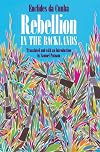
In Canudos, a backlands town in the Northeastern State of Bahia, Antônio Conselheiro (Anthony the Counselor) preached against the republic. His followers, leather-clad ruffians or 'jagungos', terrorised the countryside. In the 1890s the Republic of Brazil was in its infancy and insecure, rumours of monarchist plots abounded, troublemakers like the Counselor needed to be dealt with. He had gathered a large following, apparently for his indifference to suffering rather than his skill as a show more preacher.
“His had been a harsh schooling indeed, in hunger, thirst, bodily weariness, repressed anguish and deep-seated misery. There were no tortures unknown to him. His withered epidermis was wrinkled as an old broken and trampled breastplate over his lifeless flesh. Pain itself had come to be his anaesthetic; he bruised and macerated that flesh with hairshirts more cruel than any matweed; he dragged it over the stones of the road; he scorched it in the embers of the drought; he exposed it to the rigors of the cold night dew; in his brief moments of repose he put it to bed on the lacerating couch of the caatingas.”
Soldiers carrying modern rifles bore down on the five thousand or so mud huts that made up Canudos. The jagungos armed with blunderbusses or 'trabucos' were completely outgunned and outnumbered. However, the Brazilain army was embarrassed, their expeditions from the coast were badly supplied and the march to Canudos was treacherous; their enemy was brave and resilient:
“The truth is, frugal and parsimonious in the extreme, these rude fighting men who in a time of peace would go through the day with two or three handfuls of passoca and a drink of water, had in a time of war made abstinence a matter of discipline and had carried it to so high a point that they were capable of an extraordinary degree of physical endurance.”
The army was bamboozled as the enemy employed hit and run tactics, using the terrain to their advantage. A handful of guerillas hammering a conventional army was a story to be echoed in Vietnam, Algeria and Cuba. The army had krugar artillery guns, labouriously dragged to the field of battle, they fired grenades but intially didn't bring much of an advantage. The army's most effective troops were the mounted 'vaquieros' from the south: gaucho cowboys who could at least round up some cattle for the starving soldiers, and there was a battalion of police who themselves were backlanders and could play the jagungos at their own game of hit and run.
The Canudos campaign happened in 1897 two years before the Boer War started. I’ve heard the British-Africaner conflict named the first to feature guerilla tactics, apparently not, and I doubt Canudos was the first either. Hundreds of wounded government soldiers wandering through the backlands on their return to civilisation became a scourge:
“The country along the roadside, which up to then had been populated, was now turned into a waste land, as these tumultuous bands stormed through it, leaving destruction in their wake, like the remnants of some caravan of limping savages.”
Da Cunha spends Part One of the book detailing the geology, flora and fauna of the backlands and also the racial make-up of its human inhabitants. The summary is that 'os sertões' (the backlands, literally drylands) are plagued by drought, treacherous terrain and prickly bushlands or 'caatingas', which tore through the soldiers' uniforms, but not the jagungos leather. The people, largely isolated from the coast for three hundred years, were of a particular racial mix and culture, in the main they were Caboclos (mixed white and Indians), there were also Cafuzos (mixed black and Indian), and Mulatos (mixed black and white). Da Cunha, who I think was of mixed race himself, calls these mestizos inferior. You have to remember social darwinist theories were popular at the time. Apparently the only pretty women in the backlands were of the “Jewish type”. As the narrative progresses Da Cunha changes his tune and recognises the resilience and resourcefulness of the sertanejos (backlanders). Part one of the book was unnecessary for me, as the author later describes the landscape so well in his battle narrative:
“Meanwhile, it was known that this road ran through long stretches of caatingas, necessitating the use of the pick in clearing a path; and it was further known, that a march of twenty-five miles in this midsummer season was out of the question unless each man carried a supply of water on his back, in the manner of the Roman legions in Tunisia.”
The writing is dense and the conflict in Canudos was a never ending string of muck-ups by the Brazilian army. Aware of course that the real problem came from the lack of strategy from the commanders, Da Cunha also explains the weaknesses of the common soldiers:
“In battle, to be sure, the Brazilian soldier is incapable of imitating the Prussian, by going in and coming out with a pedometer on his boot. He is disorderly, tumultuous, rowdy, a terrible but heroic blackguard, attacking the enemy whether by bullet or sword thrust with an ironic jest on his lips.”
Rebellion in the Backlands is a classic, it reminded me of The Seven Pillars of Wisdom by T.E. Lawrence because of the beautiful descriptions of a desert landscape. I also found there was a lot to wade through in between the odd passage in which Da Cunha’s prose (through translation) really shines. With the historical references and amount of detail, pathos and analysis here, Da Cunha was evidently an incredibly knowledgeable individual, he died in a gunfight with his wife's lover at age forty-three. An unfaithful wife was something he shared with Anthony the Counselor, for whom such a betrayal led to fifteen years wandering the backlands, and his subsequent elevation to mesianic status. show less
“His had been a harsh schooling indeed, in hunger, thirst, bodily weariness, repressed anguish and deep-seated misery. There were no tortures unknown to him. His withered epidermis was wrinkled as an old broken and trampled breastplate over his lifeless flesh. Pain itself had come to be his anaesthetic; he bruised and macerated that flesh with hairshirts more cruel than any matweed; he dragged it over the stones of the road; he scorched it in the embers of the drought; he exposed it to the rigors of the cold night dew; in his brief moments of repose he put it to bed on the lacerating couch of the caatingas.”
Soldiers carrying modern rifles bore down on the five thousand or so mud huts that made up Canudos. The jagungos armed with blunderbusses or 'trabucos' were completely outgunned and outnumbered. However, the Brazilain army was embarrassed, their expeditions from the coast were badly supplied and the march to Canudos was treacherous; their enemy was brave and resilient:
“The truth is, frugal and parsimonious in the extreme, these rude fighting men who in a time of peace would go through the day with two or three handfuls of passoca and a drink of water, had in a time of war made abstinence a matter of discipline and had carried it to so high a point that they were capable of an extraordinary degree of physical endurance.”
The army was bamboozled as the enemy employed hit and run tactics, using the terrain to their advantage. A handful of guerillas hammering a conventional army was a story to be echoed in Vietnam, Algeria and Cuba. The army had krugar artillery guns, labouriously dragged to the field of battle, they fired grenades but intially didn't bring much of an advantage. The army's most effective troops were the mounted 'vaquieros' from the south: gaucho cowboys who could at least round up some cattle for the starving soldiers, and there was a battalion of police who themselves were backlanders and could play the jagungos at their own game of hit and run.
The Canudos campaign happened in 1897 two years before the Boer War started. I’ve heard the British-Africaner conflict named the first to feature guerilla tactics, apparently not, and I doubt Canudos was the first either. Hundreds of wounded government soldiers wandering through the backlands on their return to civilisation became a scourge:
“The country along the roadside, which up to then had been populated, was now turned into a waste land, as these tumultuous bands stormed through it, leaving destruction in their wake, like the remnants of some caravan of limping savages.”
Da Cunha spends Part One of the book detailing the geology, flora and fauna of the backlands and also the racial make-up of its human inhabitants. The summary is that 'os sertões' (the backlands, literally drylands) are plagued by drought, treacherous terrain and prickly bushlands or 'caatingas', which tore through the soldiers' uniforms, but not the jagungos leather. The people, largely isolated from the coast for three hundred years, were of a particular racial mix and culture, in the main they were Caboclos (mixed white and Indians), there were also Cafuzos (mixed black and Indian), and Mulatos (mixed black and white). Da Cunha, who I think was of mixed race himself, calls these mestizos inferior. You have to remember social darwinist theories were popular at the time. Apparently the only pretty women in the backlands were of the “Jewish type”. As the narrative progresses Da Cunha changes his tune and recognises the resilience and resourcefulness of the sertanejos (backlanders). Part one of the book was unnecessary for me, as the author later describes the landscape so well in his battle narrative:
“Meanwhile, it was known that this road ran through long stretches of caatingas, necessitating the use of the pick in clearing a path; and it was further known, that a march of twenty-five miles in this midsummer season was out of the question unless each man carried a supply of water on his back, in the manner of the Roman legions in Tunisia.”
The writing is dense and the conflict in Canudos was a never ending string of muck-ups by the Brazilian army. Aware of course that the real problem came from the lack of strategy from the commanders, Da Cunha also explains the weaknesses of the common soldiers:
“In battle, to be sure, the Brazilian soldier is incapable of imitating the Prussian, by going in and coming out with a pedometer on his boot. He is disorderly, tumultuous, rowdy, a terrible but heroic blackguard, attacking the enemy whether by bullet or sword thrust with an ironic jest on his lips.”
Rebellion in the Backlands is a classic, it reminded me of The Seven Pillars of Wisdom by T.E. Lawrence because of the beautiful descriptions of a desert landscape. I also found there was a lot to wade through in between the odd passage in which Da Cunha’s prose (through translation) really shines. With the historical references and amount of detail, pathos and analysis here, Da Cunha was evidently an incredibly knowledgeable individual, he died in a gunfight with his wife's lover at age forty-three. An unfaithful wife was something he shared with Anthony the Counselor, for whom such a betrayal led to fifteen years wandering the backlands, and his subsequent elevation to mesianic status. show less
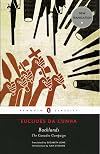
I've wanted to read this book ever since I read The War at the End of the World because Vargas Llosa took the story told here, of the war between the followers of a charismatic religious leader in the backlands of northern Brazil and the army of the relatively young Brazilian republic, as the starting point of his novel. Da Cunha, a journalist who had been in the army himself, was what we now would call "embedded" with the army at the very end of the multi-campaign war; the rest of this show more lengthy and at times overblown book is the result of his detailed research although, in the fashion of the time (?), none of his sources are credited or footnoted.
For the book is not just about the war; nearly half of it paints a portrait of the backlands, or sertão, from a variety of perspectives: geological, meteorological, botanical, and human. And it is when da Cunha gets into the human makeup of the backlands that he gets into trouble with a modern reader, for da Cunha's "scientific" racism is vile. He ranks the races "evolutionarily" (guess which one is most evolved!) and describes in detail the various mixtures of black, white, and Indian blood, each of which has its own name. I suppose in some ways this "scientific" perspective was a step up from thinking of people of color as animals, and certainly it has to be taken in the context of the time, but it's pretty hard to read. Da Cunha also dabbles in psychology.
On the other hand, the geology and natural history of the region were fascinating: the backlands are incredibly rugged, remote, desolate, and alternately mountainous and desert-like. I did feel that his geological writing cried out for maps, and I've spent a lot of time searching the web, without success, for photos that do justice to the dramatic nature of the mountains da Cunha describes, as well as for photos of the plants. These sections did seem a little endless, especially without illustrations and maps.
The second part of the book covers the Brazilian army's four campaigns against Antonio Conselheiro (the counselor) who, through his preaching, attracted thousands of the poor and outcast (for various reasons) to the town of Canudos and built a religious community there. Da Cunha attempts to figure out Conselheiro's psychology, and he covers some of the reasons the powers-that-be in Brazil were so outraged by what might seem to be a localized cult, including that Brazil had only recently become a republic and had to be constantly on the lookout for monarchist rebellions. He calls the Canudos "rebellion" "our Vendée," referring to the monarchist challenge to the French revolution. The material on the movements of the different units of the armies arrayed against Canudos also cries out for maps.
Militarily, the Brazilian army committed one mistake after another, including expecting regular army units to know what to do about guerrilla warfare, underestimating the impact of the terrain on their ability to proceed and to avoid their enemy, getting separated from their supply train, not having enough supplies, letting the enemy capture their weapons and ammunition, and on and on. Da Cunha develops a grudging respect for the jagunços, a term used to refer to the inhabitants of the backlands that can also mean "outlaw" or "cowboy," for their courage, determination, and persistence. He largely credits the eventual success of the Brazilian army, after three failed and one faltering attempt to take the town of Canudos, to an officer named de Bittencourt who finally got their supply trains in order and could regularly supply the troops at the front with food and ammunition. Eventually, the army was able to almost encircle Canudos, bomb the buildings with cannon fire which often set fire to them, and starve the remaining jagunços out, although they continued to fight fiercely until the very end. Except for some prisoners that the army had taken earlier, almost entirely women and children, everyone in Canudos died, often horribly. Atrocities were widespread. Conselheiro himself died of dysentery in the last days of the siege; his body was exhumed by the army and there are pictures of it available on the internet.
In his introduction to my edition, Ilan Stavans says that this book is a classic of Brazilian literature and gave Brazilians a sense of themselves as a people. It was something of a slog at times, but I'm glad I read it. It's given me renewed appreciation for what Vargas Llosa accomplished in The War at the End of the World, and may inspire me to reread it. show less
For the book is not just about the war; nearly half of it paints a portrait of the backlands, or sertão, from a variety of perspectives: geological, meteorological, botanical, and human. And it is when da Cunha gets into the human makeup of the backlands that he gets into trouble with a modern reader, for da Cunha's "scientific" racism is vile. He ranks the races "evolutionarily" (guess which one is most evolved!) and describes in detail the various mixtures of black, white, and Indian blood, each of which has its own name. I suppose in some ways this "scientific" perspective was a step up from thinking of people of color as animals, and certainly it has to be taken in the context of the time, but it's pretty hard to read. Da Cunha also dabbles in psychology.
On the other hand, the geology and natural history of the region were fascinating: the backlands are incredibly rugged, remote, desolate, and alternately mountainous and desert-like. I did feel that his geological writing cried out for maps, and I've spent a lot of time searching the web, without success, for photos that do justice to the dramatic nature of the mountains da Cunha describes, as well as for photos of the plants. These sections did seem a little endless, especially without illustrations and maps.
The second part of the book covers the Brazilian army's four campaigns against Antonio Conselheiro (the counselor) who, through his preaching, attracted thousands of the poor and outcast (for various reasons) to the town of Canudos and built a religious community there. Da Cunha attempts to figure out Conselheiro's psychology, and he covers some of the reasons the powers-that-be in Brazil were so outraged by what might seem to be a localized cult, including that Brazil had only recently become a republic and had to be constantly on the lookout for monarchist rebellions. He calls the Canudos "rebellion" "our Vendée," referring to the monarchist challenge to the French revolution. The material on the movements of the different units of the armies arrayed against Canudos also cries out for maps.
Militarily, the Brazilian army committed one mistake after another, including expecting regular army units to know what to do about guerrilla warfare, underestimating the impact of the terrain on their ability to proceed and to avoid their enemy, getting separated from their supply train, not having enough supplies, letting the enemy capture their weapons and ammunition, and on and on. Da Cunha develops a grudging respect for the jagunços, a term used to refer to the inhabitants of the backlands that can also mean "outlaw" or "cowboy," for their courage, determination, and persistence. He largely credits the eventual success of the Brazilian army, after three failed and one faltering attempt to take the town of Canudos, to an officer named de Bittencourt who finally got their supply trains in order and could regularly supply the troops at the front with food and ammunition. Eventually, the army was able to almost encircle Canudos, bomb the buildings with cannon fire which often set fire to them, and starve the remaining jagunços out, although they continued to fight fiercely until the very end. Except for some prisoners that the army had taken earlier, almost entirely women and children, everyone in Canudos died, often horribly. Atrocities were widespread. Conselheiro himself died of dysentery in the last days of the siege; his body was exhumed by the army and there are pictures of it available on the internet.
In his introduction to my edition, Ilan Stavans says that this book is a classic of Brazilian literature and gave Brazilians a sense of themselves as a people. It was something of a slog at times, but I'm glad I read it. It's given me renewed appreciation for what Vargas Llosa accomplished in The War at the End of the World, and may inspire me to reread it. show less
A bizarre mixture of natural history, muddled evolutionary theory, and brilliant military reporting. Essential because of being probably the first blow by blow description of an army campaign against a guerrilla insurgency, confirming all that we now about how bloody and protracted those are by the nature of such warfare, and how questionable the idea of any gain can be that requires so much bloodshed.
Lists
Awards


You May Also Like


Associated Authors
Statistics
- Works
- 45
- Also by
- 1
- Members
- 953
- Popularity
- #27,013
- Rating
- 4.1
- Reviews
- 12
- ISBNs
- 107
- Languages
- 7
- Favorited
- 1