
Jorge Amado (1912–2001)
Author of Gabriela, Clove and Cinnamon
About the Author
Jorge Amado, August 10, 1912 - August 6, 2001 Elected to the Brazilian Academy of Letters, Jorge Amado possesses a talent for storytelling as well as a deep concern for social and economic justice. He was born in Bahia, Brazil, in 1912. Some critics claim that his early works suffer from his show more politics. Others commonly express reservations concerning Amado's sentimentality and erotico-mythic stereotyping. In the works represented in English translation, his literary merits prevail. The Violent Land (1942) chronicles the development of Brazilian territory and struggles for its resources, memorializing the deeds of those who built the country. Gabriela, Clove and Cinnamon (1958), which achieved critical and popular success in both Brazil and the United States, tells a sensual love story of a Syrian bar owner and his beautiful cook. Home Is the Sailor (1962) introduces Captain Vasco Moscoso de Aragao, a comic figure in the tradition of Don Quixote. In Dona Flor and Her Two Husbands (1966), Amado introduced the folk culture of shamans and Yorube gods. The protagonists of Shepherds of the Night (1964) are Bahia's poor. (Bowker Author Biography) Jorge Amado has been called the greatest twentieth-century Brazilian novelist. He was born in 1912 in Ilheus, in the northeastern-most state of Bahai. This area serves as the backdrop for most of Amado's work, which reflects a deep appreciation of the Brazilian essence. Amado's works have made him a national figure in Brazil. Amado's early novels were shaped by a belief in Marxism, and relate the sufferings of humble fishermen and cocoa plantation workers. By the 1950s, he had turned his attention to the plight of middle-class Bahains. This more jovial approach brought him worldwide acclaim, and his keen comic sense and appreciation of the common man have drawn comparisons to the novels of Charles Dickens. Music, cuisine, and passion figure prominently in Amado's literary output. Amado's works have been translated from Portuguese into more than forty languages, have sold over fifty million copies worldwide, and have been reworked for film, television, and stage. His portraits of commanding female characters, including Gabriela from Gabriela, Clove and Cinnamon, and Dona Flor from Dona Flor and Her Two Husbands, have been adapted to the screen, and actress Sonia Braga earned her initial success in these roles. Other titles include The Sand Captains; Memory of a Child; The War of the Saints; and Home Is the Sailor. (Bowker Author Biography) show less
Image credit: Jorge Amado, 1988.
Series
Works by Jorge Amado
La cucina di Bahia, ovvero Il libro di cucina di Pedro Archanjo e Le merende di dona Flor (1994) 18 copies
literatura comentada 3 copies
Rua Alagoinhas 33, Rio Vermelho: A casa de Zelia e Jorge Amado (Casa de palavras) (Portuguese Edition) (1999) 3 copies
Boa Noite, Querido Coelhinho 2 copies
Boa Noite, Querida Panda 2 copies
OS PASTÔRES DA NOITE 2 copies
نساء البن 2 copies
ميتتان لرجل واحد 2 copies
Romanzi - Volume I 2 copies
Titel aus Agreste 1 copy
Zeme nekonečné : Román 1 copy
LITERATURA BRASILEIRA 1 copy
Fotobiografia 1 copy
طفل من حقول الكاكاو 1 copy
miecio tati rio dos fogados 1 copy
o capitao de longo curso 1 copy
perminio asfora 1 copy
II - AGONIA DA NOITE 1 copy
gabriela crava e canela 1 copy
AGONIA DA NOITE 1 copy
sao jorge dos ilhes 1 copy
I - OS ÁSPEROS TEMPOS 1 copy
A LUZ NO TÚNEL 1 copy
III ~ A LUZ NO TÚNEL 1 copy
Essencial 1 copy
LYGIA MARINA MORAES CONHEÇA 1 copy
TERRAS DO SEM FIM ROMANCE 1 copy
Jorge Amado 1 copy
O MENINO GRAPIÚNA 1 copy
Viva o Povo Brasileiro 1 copy
Amado Jorge 1 copy
Bahia Boa Terra Bahia 1 copy
Bahia Colorida 1 copy
Conversa com Fuanga Félé,(...) Mario de Andrade, chefe da luta de Angola - Tempo Brasileiro, 1 1 copy
רועי-לילה 1 copy
Alınteri 1 copy
فتيان الرمال 1 copy
O País Do Carnaval 1 copy
Габриэла, корица и гвоздика 1 copy
A Luz do Túnel 1 copy
Mies Rojas 1 copy
Gabriela, Clove and Cinnamon / The Double Death of Quincas Water-Bray / Home Is the Sailor (2000) 1 copy
Los viejos marineros 1 copy
Капітани піску - Габрієла 1 copy
Associated Works
A Hammock Beneath the Mangoes: Stories from Latin America (1991) — Contributor — 162 copies, 3 reviews
Antaeus No. 64/65, Spring/Autumn 1990 - Twentieth Anniversary Issue (1990) — Contributor — 14 copies
Tagged
Common Knowledge
- Canonical name
- Amado, Jorge
- Legal name
- Amado de Faria, Jorge
- Birthdate
- 1912-08-10
- Date of death
- 2001-08-06
- Gender
- male
- Education
- Federal University of Rio de Janeiro Faculty of Law
- Occupations
- politician
writer - Organizations
- Federal Deputy for São Paulo
National Constituent Assembly - Awards and honors
- Camões Prize (1994)
International Nonino Prize (1984)
Légion d'Honneur (1984)
Brazilian Academy of Letters (1961)
Stalin Peace Prize (1951)
Commander, Meritoirous Citizen of the Freedom and Social Justice João Mangabeira (2014) (show all 7)
Prêmio Jabuti (Personalidade Literaria do Ano, 1962, 1984) - Relationships
- Gattai, Zélia (wife)
- Short biography
- Blurb: Jorge Amado, geboren in 1912, wordt beschouwd als de grootste schrijver in Brazilië. Met meer dan 8 miljoen exemplaren van zijn boeken in druk is hij de spreekbuis en getuige van zijn geliefde volk. Hij weet zowel hun armoede als hun strijd, hun hartstochten en hun dromen op onnavolgbare wijze op te roepen. Amper 19 jaar oud publiceerde Amado zijn eerste werk en reeds op 23-jarige leeftijd was hij een der succesvolste auteurs van Zuid-Amerika. De tientallen romans die deze eminente volksverteller heeft gecreëerd, waaronder de internationale bestsellers Gabriele, Dona Flore en haar twee echtgenoten, Vlinders van de nacht en Tereza Batista, zijn vertaald in 45 talen en gepubliceerd in 60 landen. Tocaia Grande, in drie haar tijd geschreven, is de meest gedurfde en meest luisterrijke roman uit Amado’s roemrijke schrijversloopbaan. Deze wonderlijke, onvergetelijke geschiedenis van een werkelijk unieke stad, waarin opnieuw de zelfkant van de Braziliaanse samenleving centraal staat, is wederom onmiddelijk een wereldwijde bestseller geworden (flaptekst).
- Cause of death
- heart and lung failure
- Nationality
- Brazil
- Birthplace
- Itabuna, Bahia, Brazil
- Places of residence
- Itabuna, Brazil
Ilhéus, Brazil
Paris, France
Prague, Czechoslovakia - Place of death
- Salvador, Bahia, Brazil
- Burial location
- Cremated, Ashes in his garden
- Associated Place (for map)
- Brazil
Members
Discussions
Group Read, May 2016: Gabriela, Cinnamon and Clove in 1001 Books to read before you die (May 2016)
Reviews

Színes-szagos társadalmi körkép a brazil Bahiáról, mozaikok munkásról, parasztról, birtokosról, értelmiségről és kapitalistáról finoman összefésülve, némi cselekménnyel bolondítva. Amado nagyon ért ehhez a fülledt hangulathoz – az arany kakaógyümölcsök világát úgy tudja ábrázolni, mintha egy nagy görög sorstragédia helyszíne lenne. A föld nála maga is élő személyiséggé változik, valahogy úgy, ahogy Zolánál változnak a jelenségek lélegző, show more önálló identitással rendelkező lénnyé.
Amúgy meg ez a könyv egészen direkt tanmese Marx azon tételéről, hogy a feudalizmust felváltja a kapitalizmus, a kapitalizmus pedig létrehozza (szándéka ellenére) a szervezett munkásságot, aki aztán megteremti a szocializmust. A feudalizmust itt a földbirtokos „ezredesek” képviselik, a kapitalizmust meg az exportőrök, akik felverik a kakaó árát, hogy aztán mindenféle machinációkkal csődbe vigyék Bahia addigi urait. Mögöttük pedig már konspirálnak a munkások és a parasztok, akik (mint Amado megelőlegezi a regény utolsó lapjain) majd egyszer, valamikor elnyerik méltó jutalmukat: a politikai hatalmat. Amado csak annyit csavar az eredeti tézisen, hogy szemmel látható nosztalgiával (szimpátiával?) tekint a feudális nagyurakra, és lanyha megvetéssel az őket legyőző ravaszdi kereskedőkre. Merthogy az ezredesek legalább bátrak és kemények voltak – példának okáért nem bíróságon cseszegették egymást, hanem csak úgy lepuffantották ellenfeleiket a bozótban. Ami tényleg nagyon macsó, és egyben nagyon dél-amerikai is.
Nem tudok amúgy haragudni Amado-ra azért, mert kommunista propagandát művel – egyrészt azért, mert még ezt is emészthetően csinálja, másrészt meg azért, mert a dél-amerikai társadalmi berendezkedés* valóban törvényszerűen taszigálta az összes valamirevaló művészt a marxizmus kebelére**. Ettől függetlenül helyenként nagyon tankönyv-ízű a szöveg, amiért mindenképpen jár a pontlevonás. Összességében egy olyan korai Amado-regény ez, amiben már látszanak az erények, de szükség van még némi finomhangolásra. Ami a későbbi művekben meg is történik majd.
* A gigantikus földbirtokok kialakulása már a gyarmati uralom alatt megágyazott azoknak a társadalmi szakadékoknak, amik a mai napig kihatnak a kontinens gazdasági teljesítőképességére. Mint azt Ferguson a Civilizáció-ban nagyon szépen felvázolja.
** Kivéve egy bizonyos zsenit Buenos Airesből. De ő csak azért van, hogy a szabályt erősítse. show less
Amúgy meg ez a könyv egészen direkt tanmese Marx azon tételéről, hogy a feudalizmust felváltja a kapitalizmus, a kapitalizmus pedig létrehozza (szándéka ellenére) a szervezett munkásságot, aki aztán megteremti a szocializmust. A feudalizmust itt a földbirtokos „ezredesek” képviselik, a kapitalizmust meg az exportőrök, akik felverik a kakaó árát, hogy aztán mindenféle machinációkkal csődbe vigyék Bahia addigi urait. Mögöttük pedig már konspirálnak a munkások és a parasztok, akik (mint Amado megelőlegezi a regény utolsó lapjain) majd egyszer, valamikor elnyerik méltó jutalmukat: a politikai hatalmat. Amado csak annyit csavar az eredeti tézisen, hogy szemmel látható nosztalgiával (szimpátiával?) tekint a feudális nagyurakra, és lanyha megvetéssel az őket legyőző ravaszdi kereskedőkre. Merthogy az ezredesek legalább bátrak és kemények voltak – példának okáért nem bíróságon cseszegették egymást, hanem csak úgy lepuffantották ellenfeleiket a bozótban. Ami tényleg nagyon macsó, és egyben nagyon dél-amerikai is.
Nem tudok amúgy haragudni Amado-ra azért, mert kommunista propagandát művel – egyrészt azért, mert még ezt is emészthetően csinálja, másrészt meg azért, mert a dél-amerikai társadalmi berendezkedés* valóban törvényszerűen taszigálta az összes valamirevaló művészt a marxizmus kebelére**. Ettől függetlenül helyenként nagyon tankönyv-ízű a szöveg, amiért mindenképpen jár a pontlevonás. Összességében egy olyan korai Amado-regény ez, amiben már látszanak az erények, de szükség van még némi finomhangolásra. Ami a későbbi művekben meg is történik majd.
* A gigantikus földbirtokok kialakulása már a gyarmati uralom alatt megágyazott azoknak a társadalmi szakadékoknak, amik a mai napig kihatnak a kontinens gazdasági teljesítőképességére. Mint azt Ferguson a Civilizáció-ban nagyon szépen felvázolja.
** Kivéve egy bizonyos zsenit Buenos Airesből. De ő csak azért van, hogy a szabályt erősítse. show less
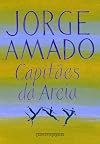
Desde o seu lançamento, em 1937, Capitães da Areia causou escândalo: inúmeros exemplares do livro foram queimados em praça pública, por determinação do Estado Novo. Ao longo de sete décadas a narrativa não perdeu viço nem atualidade, pelo contrário: a vida urbana dos meninos pobres e infratores ganhou contornos trágicos e urgentes. Várias gerações de brasileiros sofreram o impacto e a sedução desses meninos que moram num trapiche abandonado no areal do cais de Salvador, show more vivendo à margem das convenções sociais. Verdadeiro romance de formação, o livro nos torna íntimos de suas pequenas criaturas, cada uma delas com suas carências e suas ambições: do líder Pedro Bala ao religioso Pirulito, do ressentido e cruel Sem-Pernas ao aprendiz de cafetão Gato, do sensato Professor ao rústico sertanejo Volta Seca. Com a força envolvente da sua prosa, Jorge Amado nos aproxima desses garotos e nos contagia com seu intenso desejo de liberdade. show less

For the first 500 pages or so, this pretends to be a straightforward pastiche of an old-fashioned social-realist novel, the sort of thing Balzac would undoubtedly have written, had he been a hundred years younger and living in Bahia. It's all about the flimsiness of the veneer of respectability that (notionally) separates the ambitious, modern, bourgeois, Catholic residents of Salvador de Bahia from the colourful world of gambling, vice, and traditional religion that surrounds them.
Dona show more Flor is a respectable, self-made woman, proprietor of a celebrated cookery school for the daughters of the rich, but her first husband, Vadinho, is an irresponsible gambler and a party-animal who can't give her anything but love. When he meets his untimely end whilst dancing in drag at the carnival, Flor follows the advice of her friends and — after the required decent interval — takes the considerate, methodical and ever-so-slightly-boring pharmacist and amateur bassoonist Teodoro as her second husband. Naturally, she still has occasional pangs for her nights of passion with the late Vadinho, and Amado takes shameless advantage of her weakness to play a Latin-American novelist's trump card in the last 150 pages, producing much very entertaining chaos in the process.
This is the sort of book where you feel you must be missing out on a lot of in-jokes at the expense of Amado's friends and neighbours, but it also sneaks in quite a lot of detailed social analysis of provincial Brazil in the mid-20th century and the changes it was going through. Flor and her friends are women who have been brought up with a very narrow idea of their role in the world, but many of them have found more or less subtle ways to challenge that. show less
Dona show more Flor is a respectable, self-made woman, proprietor of a celebrated cookery school for the daughters of the rich, but her first husband, Vadinho, is an irresponsible gambler and a party-animal who can't give her anything but love. When he meets his untimely end whilst dancing in drag at the carnival, Flor follows the advice of her friends and — after the required decent interval — takes the considerate, methodical and ever-so-slightly-boring pharmacist and amateur bassoonist Teodoro as her second husband. Naturally, she still has occasional pangs for her nights of passion with the late Vadinho, and Amado takes shameless advantage of her weakness to play a Latin-American novelist's trump card in the last 150 pages, producing much very entertaining chaos in the process.
This is the sort of book where you feel you must be missing out on a lot of in-jokes at the expense of Amado's friends and neighbours, but it also sneaks in quite a lot of detailed social analysis of provincial Brazil in the mid-20th century and the changes it was going through. Flor and her friends are women who have been brought up with a very narrow idea of their role in the world, but many of them have found more or less subtle ways to challenge that. show less
La découverte de l'Amérique par les Turcs ou Comment l'Arabe Jamil Bichara, défricheur de terres vierges, venu en la bonne ville d'Itabuna pour satisfaire aux nécessités du corps, s'y vit offrir fortune et mariage ou encore Les fiançailles d'Adma: mini-roman by Jorge Amado

A late novella, written as a tie-in with the celebrations for the 500th anniversary of Columbus's discovery of China Hispaniola. Amado reasons that if Columbus could be said to have "discovered America", the same thing could just as well be said of two Ottoman opportunists who happened to arrive in Bahia on the same immigrant ship in 1903. Raduan becomes a professional poker-player, Jamil a shopkeeper, and there's a comic plot of Raduan trying to marry Jamil off to Adma, fearsome daughter of show more Ibrahim, proprietor of the Bon Marché drapery.
Amado uses a deceptively simple kind of Arabian Nights narrative style to tell the story, but it's all heavily loaded with irony. If it's a rehash of The taming of the shrew then it's one in which the men are shown to be just as shallow and selfish as the women. Ibrahim's chief motivation for marrying off his daughter is to obtain the freedom to go fishing in the mornings again: he apparently sees nothing odd about canvassing a possible suitor for her hand during a party at the local brothel. Amado's narrator seems to be on the side of the men in the battle, but it's not at all clear that the reader is expected to agree with that. show less
Amado uses a deceptively simple kind of Arabian Nights narrative style to tell the story, but it's all heavily loaded with irony. If it's a rehash of The taming of the shrew then it's one in which the men are shown to be just as shallow and selfish as the women. Ibrahim's chief motivation for marrying off his daughter is to obtain the freedom to go fishing in the mornings again: he apparently sees nothing odd about canvassing a possible suitor for her hand during a party at the local brothel. Amado's narrator seems to be on the side of the men in the battle, but it's not at all clear that the reader is expected to agree with that. show less
Lists
Awards


You May Also Like


Associated Authors
Statistics
- Works
- 154
- Also by
- 5
- Members
- 10,846
- Popularity
- #2,185
- Rating
- 3.9
- Reviews
- 216
- ISBNs
- 797
- Languages
- 22
- Favorited
- 32


