

Howard W. Stone
Author of How to Think Theologically
About the Author
Howard W. Stone, Ph.D., is a psychologist, marriage and family therapist, a pastoral counselor, the author or editor of many books in the Fortress Press Creative Pastoral Care and Counseling series, and a professor emeritus at Texas Christian University. Among his books are Defeating Depression, show more Depression and Hope, Brief Pastoral Counseling, and How to Think Theologically (with James Duke). show less
Works by Howard W. Stone
Tagged
Common Knowledge
- Legal name
- Stone, Howard W.
- Other names
- Stone, Howard
霍華.史頓
霍華.斯通
霍華德.斯通 - Birthdate
- 1942-03-11
- Gender
- male
Members
Reviews
How to Think Theologically has helped me reflect on past conversations with friends and colleagues whom I have seen as wise and thoughtful. Today I would say that they are good theologians—doing theology “in the trenches.” Their theologies have been expressed in choices they have made and guidance they have given that make sense of the Christian faith in the context of problems and situations that arise from ministry. These theologians have not published any formal books on theology, show more but they have articulated their theology in their sermons, their newsletter articles, their counseling, and in their own life-choices. They have arrived at the place where they are and they can articulate the faith in the way that they do because they have done their homework: they have done their theological reflection, they’ve worked it out with others, they’ve wrestled with ideas they’ve read and applied them to real ministry situations.
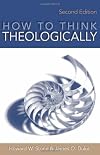
As I read the book, I kept hoping Stone and Duke would talk about the nautilus and why one is pictured on the book’s cover. The chambered nautilus is a mollusk and a member of the cephalopod family (along with octopi and squid) which lives in a chambered shell. As the nautilus grows older and larger, it outgrows its chamber and builds a new, larger one directly on top of the older one. Upon completion, it moves into the newer, larger chamber and seals off the older one, which is filled with gas, contributing to the creature’s buoyancy. Thus, over time, a nautilus builds a series of chambers in a spiral fashion, gradually increasing in size. While some people have become fascinated with the shape of the shell (which is a fine example of a logarithmic spiral), I have heard others speak of the process of moving out of one chamber to live in a larger one (while yet keeping the older, previously inhabited chambers intact) as an analogy for learning and personal growth. Perhaps for Stone and Duke, the growth process for the nautilus is analogous to spiritual growth through theological reflection. It represents the importance of moving beyond the answers of embedded theology while yet holding on to that embedded theology in a different form. In other words, while I can no longer “inhabit” the small-chambered world of my 5-year-old Sunday School conception of God (I’ve grown and my understanding of God has grown), I still carry with me some form of that earlier theology (for instance, in the song, “Jesus loves me.”)
I understand that the 1996 edition of How to Think Theologically had on its cover a series of shells (perhaps from hermit crabs) arranged from smallest to largest. Perhaps that image, too, has to do with moving on from a cramped home to a more spacious and suitable one. show less
As I read the book, I kept hoping Stone and Duke would talk about the nautilus and why one is pictured on the book’s cover. The chambered nautilus is a mollusk and a member of the cephalopod family (along with octopi and squid) which lives in a chambered shell. As the nautilus grows older and larger, it outgrows its chamber and builds a new, larger one directly on top of the older one. Upon completion, it moves into the newer, larger chamber and seals off the older one, which is filled with gas, contributing to the creature’s buoyancy. Thus, over time, a nautilus builds a series of chambers in a spiral fashion, gradually increasing in size. While some people have become fascinated with the shape of the shell (which is a fine example of a logarithmic spiral), I have heard others speak of the process of moving out of one chamber to live in a larger one (while yet keeping the older, previously inhabited chambers intact) as an analogy for learning and personal growth. Perhaps for Stone and Duke, the growth process for the nautilus is analogous to spiritual growth through theological reflection. It represents the importance of moving beyond the answers of embedded theology while yet holding on to that embedded theology in a different form. In other words, while I can no longer “inhabit” the small-chambered world of my 5-year-old Sunday School conception of God (I’ve grown and my understanding of God has grown), I still carry with me some form of that earlier theology (for instance, in the song, “Jesus loves me.”)
I understand that the 1996 edition of How to Think Theologically had on its cover a series of shells (perhaps from hermit crabs) arranged from smallest to largest. Perhaps that image, too, has to do with moving on from a cramped home to a more spacious and suitable one. show less
An outstanding introduction for college, seminary, and lay readers, this second edition of the 1996 volume has been fully updated and expanded with new resources, examples, vignettes, diagnostic exercises, and case studies. Addressing the how and why of theological sources, movements, and methods, Stone and Duke guide readers into their own theological roots and then into major theological topics—such as the Gospel, sin and salvation, vocation, and ethical discernment—through real-life show more case studies.
In the Logos edition, this volume is enhanced by amazing functionality. Important terms link to dictionaries, encyclopedias, and a wealth of other resources in your digital library. Perform powerful searches to find exactly what you’re looking for. Take the discussion with you using tablet and mobile apps. With Logos Bible Software, the most efficient and comprehensive research tools are in one place, so you get the most out of your study.
Top Highlights
“The central operations they perform are three: (1) interpreting the meaning of Christian faith; (2) correlating those interpretations with other interpretations; and (3) assessing the adequacy of the interpretations and their correlations.” (Page 27)
“First, theology is typically expanded to embrace the totality of things having to do with religious life.” (Page 7)
“A bare-bones summary of historical theological classifications of sin, salvation, and the means of grace might provide insight into the problem of relating these themes. Christian views of sin seem to fall into four clusters, in which sin is viewed primarily as ignorance, corruptible mortality, broken relationship or alienation, and bondage or oppression. There are also four corresponding clusters of theological themes regarding salvation: bringing true knowledge, incorruptible immortality, reconciliation (justification), and freedom. Finally, there are four parallel theological clusters concerning the means of salvation, in which Jesus is viewed as the teacher of wisdom, the victor over death, the Crucified and Risen One who restores a right relationship with God, and the Liberator.” (Page 90)
“Yet the whole point of theology is to understand the meaning of God’s message to the world today. The point of correlating theological and nontheological views is to identify what things mean in relation to that message so that Christians may carry out their life of service keenly aware of its distinctiveness.” (Pages 34–35)
“Christians learn what faith is all about from countless daily encounters with their Christianity—formal and informal, planned and unplanned. This understanding of faith, disseminated by the church and assimilated by its members in their daily lives, will be called embedded theology.” (Page 13) show less
In the Logos edition, this volume is enhanced by amazing functionality. Important terms link to dictionaries, encyclopedias, and a wealth of other resources in your digital library. Perform powerful searches to find exactly what you’re looking for. Take the discussion with you using tablet and mobile apps. With Logos Bible Software, the most efficient and comprehensive research tools are in one place, so you get the most out of your study.
Top Highlights
“The central operations they perform are three: (1) interpreting the meaning of Christian faith; (2) correlating those interpretations with other interpretations; and (3) assessing the adequacy of the interpretations and their correlations.” (Page 27)
“First, theology is typically expanded to embrace the totality of things having to do with religious life.” (Page 7)
“A bare-bones summary of historical theological classifications of sin, salvation, and the means of grace might provide insight into the problem of relating these themes. Christian views of sin seem to fall into four clusters, in which sin is viewed primarily as ignorance, corruptible mortality, broken relationship or alienation, and bondage or oppression. There are also four corresponding clusters of theological themes regarding salvation: bringing true knowledge, incorruptible immortality, reconciliation (justification), and freedom. Finally, there are four parallel theological clusters concerning the means of salvation, in which Jesus is viewed as the teacher of wisdom, the victor over death, the Crucified and Risen One who restores a right relationship with God, and the Liberator.” (Page 90)
“Yet the whole point of theology is to understand the meaning of God’s message to the world today. The point of correlating theological and nontheological views is to identify what things mean in relation to that message so that Christians may carry out their life of service keenly aware of its distinctiveness.” (Pages 34–35)
“Christians learn what faith is all about from countless daily encounters with their Christianity—formal and informal, planned and unplanned. This understanding of faith, disseminated by the church and assimilated by its members in their daily lives, will be called embedded theology.” (Page 13) show less
NCLA Review -Dr. Stone, a psychologist and marriage and family therapist wrote this book in layman's language. It is a "must read" for anyone dealing with depression or anyone familiar with someone afflicted with this malfunction of the brain. He uses a Christian perspective throughout. He says depression "does not mean accepting helplessness. It calls for new skills to cope with the loss of old dreams and goals." He says, "those who struggle with depression treat themselves badly, sometimes show more harshly. Frequently they impose an impossible, perfectionistic standard on themselves." The book uses a format easy to understand with specific directions at each chapter's end. Dr. Stone has had first hand experience himself with depression and used many of these ideas and coping skills. Defeating Depression would be a helpful addition for every church library. It would make an excellent study guide for group discussion as well as being an excellent gift idea. Rating: 4 —RE show less
You May Also Like


Associated Authors
Statistics
- Works
- 14
- Members
- 1,305
- Popularity
- #19,662
- Rating
- 3.6
- Reviews
- 6
- ISBNs
- 35
- Languages
- 2
- Favorited
- 1