
Michael Dickman
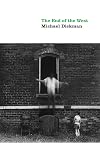
Author of The End of the West (Lannan Literary Selections)
Works by Michael Dickman
Associated Works
The New Yorker, Dec. 14, 2009 — Poem — 1 copy
Tagged
Common Knowledge
- Birthdate
- 1975-10-20
- Gender
- male
- Occupations
- Professor of Creative Writing
- Organizations
- Princeton University
- Awards and honors
- Guggenheim Fellowship for Creative Arts, US & Canada (2015)
- Relationships
- Dickman, Matthew (brother)
- Nationality
- USA
- Birthplace
- Portland, Oregon, USA
- Associated Place (for map)
- Oregon, USA
Members
Reviews
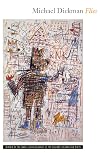
Michael Dickman‘s Flies, published in 2011 and a possible candidate for the Indie Lit Awards if it is nominated in September, won the Academy of American Poets James Laughlin Award, which is the only award for a second book of poetry. The collection is a dark look at family, but also takes a stark look at death and loss. However, there are lighter moments in the book, like in “Emily Dickinson to the Rescue” (page 21) that was highlighted in the Virtual Poetry Circle show more (http://savvyverseandwit.com/2011/07/105th-virtual-poetry-circle.html).
Beneath the whimsical wordplay and imagery of playgrounds and imaginary friends, there is a deep sense of unrest and yet acceptance of how things have turned out, though the narrator has many regrets. In “Imaginary Playground” (page 27), the narrator is playing alone with his imaginary friends, but as the scene fills in, it is clear that where there once were trees and places to play, there is concrete and change. The narrator is nostalgic for those moments, even if they were solitary moments with imaginary friends — wishing there was a way to return to the innocence of childhood and the creativity that period imbued. “The swing sets/aren’t really/there// . . . On the blacktop/we lie down in each other’s arms/and outline our bodies/in chalk// . . . There are no hiding places anymore//” (page 27-9)
Read the full review beginning Aug. 4: http://savvyverseandwit.com/2011/08/flies-by-michael-dickman.html show less
Beneath the whimsical wordplay and imagery of playgrounds and imaginary friends, there is a deep sense of unrest and yet acceptance of how things have turned out, though the narrator has many regrets. In “Imaginary Playground” (page 27), the narrator is playing alone with his imaginary friends, but as the scene fills in, it is clear that where there once were trees and places to play, there is concrete and change. The narrator is nostalgic for those moments, even if they were solitary moments with imaginary friends — wishing there was a way to return to the innocence of childhood and the creativity that period imbued. “The swing sets/aren’t really/there// . . . On the blacktop/we lie down in each other’s arms/and outline our bodies/in chalk// . . . There are no hiding places anymore//” (page 27-9)
Read the full review beginning Aug. 4: http://savvyverseandwit.com/2011/08/flies-by-michael-dickman.html show less
Publishers Weekly said this award-winning book was "deliberately awkward." I agree with the awkward part. It reads like much undergraduate verse I have read, undisciplined, lacking craft, trying to shock with naughty words.
Awards

You May Also Like


Associated Authors
Statistics
- Works
- 7
- Also by
- 3
- Members
- 232
- Popularity
- #97,291
- Rating
- 3.7
- Reviews
- 4
- ISBNs
- 14
- Favorited
- 1