
Wallace Stevens (1879–1955)
Author of The Collected Poems of Wallace Stevens
About the Author
Image credit: Wallace Stevens
Series
Works by Wallace Stevens
Ferio en realo 3 copies
Poèmes. Traduits par Marie-Jean Beraud-Villars et André Ravaute. Introduction de Bernard Delvaille 2 copies
Owl's clover 2 copies
Wallace Stevens Reads the Idea of Order at Key West/Looking Across the Fields and Watching the Birds Fly and Other Poems (1993) 2 copies
A l'instant de quitter la pièce : Le Rocher et derniers poèmes Adagia, édition bilingue français-anglais (2006) 2 copies
Dikter 1 copy
“The Snowman” 1 copy
Poemas 1 copy
The auroras of autumn 1950 1 copy
POEZI TË ZGJEDHURA 1 copy
Cuatro poemas 1 copy
Adagia & Outros Aforismos 1 copy
Esthétique du mal : a poem 1 copy
Origin. Spring 1952 (no 5) — Editor — 1 copy
Three Academic Pieces: The Realm of Resemblance, Someone Puts a Pineapple Together, Of Ideal Time and Choice (1947) 1 copy
Domination of Black [poem] 1 copy
Mattino Domenicale 1 copy
Wallace Stevens: Poemas 1 copy
Trois voyageurs regardent un lever de soleil: [Paris, Théâtre de la Bastille, 8 juin 1988] (1992) 1 copy
Associated Works
The Making of a Poem: A Norton Anthology of Poetic Forms (2000) — Contributor — 1,474 copies, 9 reviews
The Best Poems of the English Language: From Chaucer Through Robert Frost (2004) — Contributor — 1,249 copies, 3 reviews
Literature: An Introduction to Fiction, Poetry, and Drama (1995) — Contributor, some editions — 1,017 copies, 7 reviews
A Book of Luminous Things: An International Anthology of Poetry (1996) — Contributor — 945 copies, 12 reviews
A Patriot's Handbook: Songs, Poems, Stories, and Speeches Celebrating the Land We Love (2003) — some editions — 567 copies, 5 reviews
World Poetry: An Anthology of Verse from Antiquity to Our Time (1998) — Contributor — 500 copies, 2 reviews
American Poetry: The Twentieth Century, Volume One: Henry Adams to Dorothy Parker (2000) — Contributor — 482 copies, 1 review
Teaching with Fire: Poetry That Sustains the Courage to Teach (2003) — Contributor — 226 copies, 1 review
The Graphic Canon, Vol. 3: From Heart of Darkness to Hemingway to Infinite Jest (2013) — Contributor — 162 copies, 1 review
Poetry Speaks Expanded: Hear Poets Read Their Own Work from Tennyson to Plath (2007) — Contributor — 158 copies, 2 reviews
The Norton Anthology of American Literature, Volume 2: 1865 to Present (1979) — Contributor, some editions — 137 copies
Answering Back: Living Poets Reply to the Poetry of the Past (2007) — Contributor — 119 copies, 1 review
Leading from Within: Poetry That Sustains the Courage to Lead (2007) — Contributor — 116 copies, 3 reviews
The Sophisticated Cat: A Gathering of Stories, Poems, and Miscellaneous Writings About Cats (1992) — Contributor — 112 copies, 1 review
The Poet's Work: 29 Poets on the Origins and Practice of Their Art (1979) — Contributor — 96 copies, 1 review
The Heath Anthology of American Literature, Concise Edition (2003) — Contributor — 74 copies, 1 review
Fifty Years: Being a Retrospective Collection of Novels, Novellas, Tales, Drama, Poetry, and Reportage and Essays: All Drawn from Volumes Issued during the Last Half-Century by… (1965) — Contributor — 56 copies
Years of Protest: A Collection of American Writings of the 1930's (1967) — Contributor — 44 copies, 1 review
The Blue Guitar: Etchings by David Hockney Who Was Inspired by Wallace Stevens Who Was Inspired by Pablo Picasso (1977) — some editions — 35 copies, 1 review
William Carlos Williams: A Collection of Critical Essays (1966) — Contributor, some editions — 24 copies
The Serpent and the Fire: Poetries of the Americas from Origins to Present (2024) — Contributor — 18 copies
Sunlight on the River: Poems About Paintings, Paintings About Poems (2015) — Contributor — 11 copies, 2 reviews
New World Writing: Fifth Mentor Selection - Fiction, Drama, Poetry, Criticism (1954) — Contributor — 9 copies
History, memory, and the literary left : modern American poetry, 1935-1968 (2006) — excerpted — 9 copies
American poets : an anthology of contemporary verse — Contributor — 4 copies
Direction Vol.1 No.3 (April-June 1935) — Contributor — 1 copy
Direction, Vol 1 No 1 (Autumn 1934) — Contributor — 1 copy
Tagged
Common Knowledge
- Other names
- Parasol, Peter
- Birthdate
- 1879-10-02
- Date of death
- 1955-08-02
- Gender
- male
- Education
- Harvard University
New York Law School (LL.B|1903) - Occupations
- poet
lawyer
insurance executive
essayist
lecturer
playwright - Organizations
- Hartford Accident and Indemnity Company (vice-president)
National Institute of Arts and Letters
New York State Bar (1904) - Awards and honors
- Harriet Monroe Poetry Award (1946)
Bollingen Prize (1949)
Gold medal, Poetry Society of America
Frost Medal (1951)
Levinson Prize
L.H.D., Hartt College of Music (show all 13)
Litt.D., Bard College
Litt.D., Harvard University
Litt.D., Mount Holyoke College
Litt.D., Columbia University
Litt.D., Yale University
Pulitzer Prize for Poetry (1955)
National Book Award for Poetry (1951 | 1955) - Relationships
- Stevens, Holly (daughter)
Stevens, Elsie (wife) - Cause of death
- stomach cancer
- Nationality
- USA
- Birthplace
- Reading, Pennsylvania, USA
- Places of residence
- New York, New York, USA
Hartford, Connecticut, USA - Place of death
- Hartford, Connecticut, USA
- Burial location
- Cedar Hills Cemetery, Hartford, Connecticut, USA
- Associated Place (for map)
- Connecticut, USA
Members
Reviews
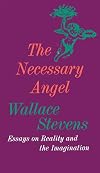
Talking of poetry is a kind of poetry, and Wallace Stevens does his best to assert that. Being a man known for his dense and wildly imaginative poetry, his prose is no different. In the seven essays collected here, he winds a path through reality, imagination, poetry, philosophy, and religion. Along the way, we get a momentary glimmer of his views on the Bible, communism, and the state of literature and art in his day. How any man could be this linguistically and philosophically limber and show more still work as the vice president of an insurance company is beyond me. The casual reader must be warned, though, that this book, although slim, is jam-packed and will take a steady mind to get through. show less

La poesia di Internet. Molto spesso la poesia diventa una chiave per leggere la realtà, per organizzare e filtrare il caos della vita in maniera da creare un ordine interiore perfetto, sia da un punto di vista artistico che gnoseologico. Tutto questo non accade facilmente e con tutti i poeti. Ma con la poesia di Wallace Stevens succede proprio così: la ricerca di una poesia totale in cui l’uomo sia in accordo con la realtà. Anticipando anche il futuro.
Una tendenza questa che ha show more caratterizzato gran parte della poesia negli anni cinquanta. Questa lirica di Wallace Stevens, scritta nel 1923 ne è una prova. Tenete bene a mente la data della composizione. La poesia presenta il magico momento delle identificazioni multiple di quando il lettore, con un libro tra le mani, riconosce se stesso, il suo mondo, la sostanza delle cose che sta leggendo, di modo che il lettore, il libro, la sera d’estate, la casa e il mondo sono fusi in un’unica unità esistenziale di verità vera, interna ed esterna. Tutti diventiamo parte di questo tutto eguagliandoci con il lettore immaginario, in una identificazione di ruoli che confonde e crea una specie di collocazione nell’infinito.
Il lettore si trasforma così in strumento di letteratura. La poesia che egli legge diventa non soltanto uno specchio della sua condizione in quanto lettore, ma piuttosto una realtà ancora più vivida, in cui le emozioni sono più forti, i concetti più chiari, gli eventi molto più concreti ma corrispondenti e complementari a quelli che possiamo sperimentare mentre non stiamo leggendo, nella così detta vita reale. Ci possono essere richiami a filosofie orientali secondo le quali l’unità è una somma di tante parti combinate nella pace universale, nella fusione di elementi antitetici. Il poeta riesce a fondere i vari elementi notturni in un momento onirico, immaginario per mezzo di ripetizioni crescenti le quali arricchiscono il senso delle parole con nuovi attributi per meglio specificare e precisare. La poesia sembra offrire al lettore vero o immaginario la possibilità di trasfondersi in essa diventando anch’egli creatore della realtà alla quale tutto appartiene, in una mescolanza di arte e vita, parole ed esperienza. Ed anche di anticipazione.
“La casa era silenziosa e il mondo era tranquillo” è una poesia che parla di come si recepisce la creazione artistica. Ascoltatela qui al link recitata in lingua originale e notate come il poeta presenta il momento magico di quando un lettore, con un libro tra le mani, si fonde con esso, in una sorta di unità esistenziale con il mondo e la vita stessa. Questa unità è un tutto che si trasfonde nella quiete universale che la poesia evoca. Il tono dei versi è solenne e sostenuto, come sostenuta è la meraviglia della lettura. La poesia si distende con un ritmo tranquillo nel mentre evoca l’immobilità della notte d’estate, la casa e il mondo. E’ come se l’esistenza stessa facesse di tutto per mettere su l’ambiente più adatto per favorire quel momento felice della lettura. Questa unità viene ulteriormente spiegata man mano che la poesia si presenta a chi legge:
The house was quiet and the world was calm.
The reader became the book; and summer night
La casa era silenziosa e il mondo calmo.
Il lettore divenne il libro; e la notte d’estate
Was like the conscious being of the book.
The house was quiet and the world was calm.
Era come l’io consapevole del libro.
La casa era silenziosa e il mondo calmo.
The words were spoken as if there was no book,
Except that the reader leaned above the page,
Le parole vennero dette come se non ci fosse alcun libro,
Si vedeva soltanto il lettore chino sulla pagina,
Wanted to lean, wanted much to be
The scholar to whom his book is true, to whom
Voleva chinarsi, voleva essere lui
Lo studioso per il quale il libro è vero,
The summer night is like a perfection of thought,
The house was quiet because it had to be.
A cui la notte estiva è come un pensiero perfetto,
La casa era silenziosa perchè così doveva essere.
Le parole sulla pagina non hanno bisogno di ulteriori mediazioni se si eccettua il fatto che il lettore “si affaccia” chinandosi sul foglio come se avvertisse un bisogno, quasi come una preghiera da rivolgere al libro. Egli ha sete di sapere, voglia di scoprire, di essere lo studioso che sa che il libro è la sua verità. Questo bisogno di vicinanza tra lettore e libro viene ulteriormente sviluppato con l’invocazione all’ambiente. La “notte estiva è come una perfezione di pensiero” e la casa non osa fare rumore. Ma la stessa non è tranquilla di per sè, sembra che sia l’esperienza del lettore a trasmettere questa influenza e farla silenziosa.
Da una condizione di contemplazione studiata si passa ad un bisogno di scoperta e termina con l’acquisizione di un significato più profondo quando ogni cosa si colloca al suo posto:
The quiet was part of the meaning, part of the mind:
The access of perfection to the page.
Il silenzio era parte del significato, parte della mente:
L’accesso della perfezione alla pagina.
La poesia cattura un raro momento di erudizione come quando si è presi nella lettura di un libro e si è staccati dalle distrazioni della vita. Il lettore diventa tutt’uno con l’opera d’arte e il libro che egli legge diventa “la verità in un mondo tranquillo/in cui non c’è altro significato”. Sembra che le poesie permettano al lettore di diventare anch’egli creatore, di contribuire alla creazione artistica.
La poesia di Stevens è così totalizzante perchè racchiude sia la forma che il sentimento della lettura nel momento in cui chi legge ne fa esperienza. Non è solo la realizzazione in forma meditativa che viaggia sulle ali di otto stanze poetiche di due versi liberi. In un primo momento sembra che le parole arrivino al lettore immaginario senza la mediazione delle lettere stampate sulla pagina, come fossero trasmesse dall’oggetto fisico che il libro (“the words were spoken as if there was no book”) e gli sembra di confluire nel testo scelto (“the reader became the book”). Successivamente si sente lontano e distaccato dal libro stesso (“the reader leaned above the page”). La lettura è come ri-creata, quasi in forma corporea, oltre che mentale. E’ una ricerca ansiosa finalmente appagata.
Non è un caso che Nicholas Carr cita questa poesia di Wallace Stevens nel suo recente libro di cui mi sono occupato in un altro post per dimostrare la possibile, perfetta fusione in cui la immobilità della lettura del silenzio elettronico fa sì che il lettore “divenga un libro”. Il fragoroso ed incessante silenzio di Internet ha trasformato il testo del libro in una reliquia obsoleta. Il Web diventa così il libro del mondo. Il lettore diventa il mondo e con esso si fonde. O si confonde?
Tutti gli elementi e le componenti della lettura sono lì: il lettore, il libro, la casa, la notte, il mondo. La poesia stabilisce una corrispondenza tra il mondo interno della casa e quello esterno nel cosmo. La tranquillità ed il conforto del luogo e di quei versi ben si abbina alla calma esterna dell’universo in una notte d’estate. La vita di tutti i giorni, la stessa vita del mondo è come sospesa se non soppressa. Regna su tutto l’autonoma solitudine del navigatore di Internet. Manca soltanto nella poesia di Wallace Stevens il riferimento all’oggetto che sarebbe comparso tra le mani del lettore solamente qualche decennio più tardi. Vale a dire il volto del PC o della “tavoletta” elettronica.
Il mondo sogna e il lettore è solo col suo libro. Questa deve essere una notte d’estate perchè la lettura è come una stagione di pienezza e appagamento. Il lettore di questa poesia è uno che cerca, un “navigatore”, appunto, una sorta di “pellegrino” in cerca di trasparenze certe. Vuole trasformare se stesso nello “scholar to whom his book is true”, (colui per il quale il libro è la verità). Questo pensiero lo porta poi un altro desiderio ancora più forte. Egli vuole trasformarsi in uno “to whom / The summer night is like a perfection of thought.” Egli cerca una realizzazione superiore della propria mente, quella “perfection of thought” nello spazio infinito del suo pensiero come in quello di Internet. Senza timore di essere blasfemi, lo “spazio divino”, per essere più vicini al Creatore.
Allora il libro ignoto che il lettore legge diventa l’emblema della sua meditazione spirituale. E’ come se per mezzo di un’azione contemplativa, vale a dire il momento in cui la mente è in cerca di quello che le necessita, lo studioso, il lettore e il libro, si fondono nella notte e diventano transustanziali. Lo stesso silenzio della casa e della mente fa ciò possibile “the access of perfection to the page.” C’è una specie di incrocio poetico a questo punto. La stessa lettura diventa un atto mistico. Lettore, libro, pensiero.
Concludendo questa ardita analisi potremmo dire che questa poesia ci permette di accedere per mezzo del centro di coscienza di una terza persona alla mente di un lettore in uno stato di completa ricettività. Si muove in una parte della mente che spesso sembra impenetrabile a chiunque, e che non ha un antagonista. Essa si muove in maniera quanto mai drammatica e ricrea la consapecolezza della coscienza. Ci fornisce la forma più profonda di nutrimento mentale. Questa poesia è una poesia dello spirito perchè stimola il principio vitale che ha dentro di sè e che è parte del significato. Essa può essere pienamente apprezzata solamente se e quando colui che la legge diventa esattamente come il lettore della poesia, che cerca di trovare il modo in cui poter accedere alla totalità o alla perfezione dell’esistenza. Anticipando anche il futuro. Potrà farlo tramite Internet?
Link: https://goo.gl/zlB8Lw show less
Una tendenza questa che ha show more caratterizzato gran parte della poesia negli anni cinquanta. Questa lirica di Wallace Stevens, scritta nel 1923 ne è una prova. Tenete bene a mente la data della composizione. La poesia presenta il magico momento delle identificazioni multiple di quando il lettore, con un libro tra le mani, riconosce se stesso, il suo mondo, la sostanza delle cose che sta leggendo, di modo che il lettore, il libro, la sera d’estate, la casa e il mondo sono fusi in un’unica unità esistenziale di verità vera, interna ed esterna. Tutti diventiamo parte di questo tutto eguagliandoci con il lettore immaginario, in una identificazione di ruoli che confonde e crea una specie di collocazione nell’infinito.
Il lettore si trasforma così in strumento di letteratura. La poesia che egli legge diventa non soltanto uno specchio della sua condizione in quanto lettore, ma piuttosto una realtà ancora più vivida, in cui le emozioni sono più forti, i concetti più chiari, gli eventi molto più concreti ma corrispondenti e complementari a quelli che possiamo sperimentare mentre non stiamo leggendo, nella così detta vita reale. Ci possono essere richiami a filosofie orientali secondo le quali l’unità è una somma di tante parti combinate nella pace universale, nella fusione di elementi antitetici. Il poeta riesce a fondere i vari elementi notturni in un momento onirico, immaginario per mezzo di ripetizioni crescenti le quali arricchiscono il senso delle parole con nuovi attributi per meglio specificare e precisare. La poesia sembra offrire al lettore vero o immaginario la possibilità di trasfondersi in essa diventando anch’egli creatore della realtà alla quale tutto appartiene, in una mescolanza di arte e vita, parole ed esperienza. Ed anche di anticipazione.
“La casa era silenziosa e il mondo era tranquillo” è una poesia che parla di come si recepisce la creazione artistica. Ascoltatela qui al link recitata in lingua originale e notate come il poeta presenta il momento magico di quando un lettore, con un libro tra le mani, si fonde con esso, in una sorta di unità esistenziale con il mondo e la vita stessa. Questa unità è un tutto che si trasfonde nella quiete universale che la poesia evoca. Il tono dei versi è solenne e sostenuto, come sostenuta è la meraviglia della lettura. La poesia si distende con un ritmo tranquillo nel mentre evoca l’immobilità della notte d’estate, la casa e il mondo. E’ come se l’esistenza stessa facesse di tutto per mettere su l’ambiente più adatto per favorire quel momento felice della lettura. Questa unità viene ulteriormente spiegata man mano che la poesia si presenta a chi legge:
The house was quiet and the world was calm.
The reader became the book; and summer night
La casa era silenziosa e il mondo calmo.
Il lettore divenne il libro; e la notte d’estate
Was like the conscious being of the book.
The house was quiet and the world was calm.
Era come l’io consapevole del libro.
La casa era silenziosa e il mondo calmo.
The words were spoken as if there was no book,
Except that the reader leaned above the page,
Le parole vennero dette come se non ci fosse alcun libro,
Si vedeva soltanto il lettore chino sulla pagina,
Wanted to lean, wanted much to be
The scholar to whom his book is true, to whom
Voleva chinarsi, voleva essere lui
Lo studioso per il quale il libro è vero,
The summer night is like a perfection of thought,
The house was quiet because it had to be.
A cui la notte estiva è come un pensiero perfetto,
La casa era silenziosa perchè così doveva essere.
Le parole sulla pagina non hanno bisogno di ulteriori mediazioni se si eccettua il fatto che il lettore “si affaccia” chinandosi sul foglio come se avvertisse un bisogno, quasi come una preghiera da rivolgere al libro. Egli ha sete di sapere, voglia di scoprire, di essere lo studioso che sa che il libro è la sua verità. Questo bisogno di vicinanza tra lettore e libro viene ulteriormente sviluppato con l’invocazione all’ambiente. La “notte estiva è come una perfezione di pensiero” e la casa non osa fare rumore. Ma la stessa non è tranquilla di per sè, sembra che sia l’esperienza del lettore a trasmettere questa influenza e farla silenziosa.
Da una condizione di contemplazione studiata si passa ad un bisogno di scoperta e termina con l’acquisizione di un significato più profondo quando ogni cosa si colloca al suo posto:
The quiet was part of the meaning, part of the mind:
The access of perfection to the page.
Il silenzio era parte del significato, parte della mente:
L’accesso della perfezione alla pagina.
La poesia cattura un raro momento di erudizione come quando si è presi nella lettura di un libro e si è staccati dalle distrazioni della vita. Il lettore diventa tutt’uno con l’opera d’arte e il libro che egli legge diventa “la verità in un mondo tranquillo/in cui non c’è altro significato”. Sembra che le poesie permettano al lettore di diventare anch’egli creatore, di contribuire alla creazione artistica.
La poesia di Stevens è così totalizzante perchè racchiude sia la forma che il sentimento della lettura nel momento in cui chi legge ne fa esperienza. Non è solo la realizzazione in forma meditativa che viaggia sulle ali di otto stanze poetiche di due versi liberi. In un primo momento sembra che le parole arrivino al lettore immaginario senza la mediazione delle lettere stampate sulla pagina, come fossero trasmesse dall’oggetto fisico che il libro (“the words were spoken as if there was no book”) e gli sembra di confluire nel testo scelto (“the reader became the book”). Successivamente si sente lontano e distaccato dal libro stesso (“the reader leaned above the page”). La lettura è come ri-creata, quasi in forma corporea, oltre che mentale. E’ una ricerca ansiosa finalmente appagata.
Non è un caso che Nicholas Carr cita questa poesia di Wallace Stevens nel suo recente libro di cui mi sono occupato in un altro post per dimostrare la possibile, perfetta fusione in cui la immobilità della lettura del silenzio elettronico fa sì che il lettore “divenga un libro”. Il fragoroso ed incessante silenzio di Internet ha trasformato il testo del libro in una reliquia obsoleta. Il Web diventa così il libro del mondo. Il lettore diventa il mondo e con esso si fonde. O si confonde?
Tutti gli elementi e le componenti della lettura sono lì: il lettore, il libro, la casa, la notte, il mondo. La poesia stabilisce una corrispondenza tra il mondo interno della casa e quello esterno nel cosmo. La tranquillità ed il conforto del luogo e di quei versi ben si abbina alla calma esterna dell’universo in una notte d’estate. La vita di tutti i giorni, la stessa vita del mondo è come sospesa se non soppressa. Regna su tutto l’autonoma solitudine del navigatore di Internet. Manca soltanto nella poesia di Wallace Stevens il riferimento all’oggetto che sarebbe comparso tra le mani del lettore solamente qualche decennio più tardi. Vale a dire il volto del PC o della “tavoletta” elettronica.
Il mondo sogna e il lettore è solo col suo libro. Questa deve essere una notte d’estate perchè la lettura è come una stagione di pienezza e appagamento. Il lettore di questa poesia è uno che cerca, un “navigatore”, appunto, una sorta di “pellegrino” in cerca di trasparenze certe. Vuole trasformare se stesso nello “scholar to whom his book is true”, (colui per il quale il libro è la verità). Questo pensiero lo porta poi un altro desiderio ancora più forte. Egli vuole trasformarsi in uno “to whom / The summer night is like a perfection of thought.” Egli cerca una realizzazione superiore della propria mente, quella “perfection of thought” nello spazio infinito del suo pensiero come in quello di Internet. Senza timore di essere blasfemi, lo “spazio divino”, per essere più vicini al Creatore.
Allora il libro ignoto che il lettore legge diventa l’emblema della sua meditazione spirituale. E’ come se per mezzo di un’azione contemplativa, vale a dire il momento in cui la mente è in cerca di quello che le necessita, lo studioso, il lettore e il libro, si fondono nella notte e diventano transustanziali. Lo stesso silenzio della casa e della mente fa ciò possibile “the access of perfection to the page.” C’è una specie di incrocio poetico a questo punto. La stessa lettura diventa un atto mistico. Lettore, libro, pensiero.
Concludendo questa ardita analisi potremmo dire che questa poesia ci permette di accedere per mezzo del centro di coscienza di una terza persona alla mente di un lettore in uno stato di completa ricettività. Si muove in una parte della mente che spesso sembra impenetrabile a chiunque, e che non ha un antagonista. Essa si muove in maniera quanto mai drammatica e ricrea la consapecolezza della coscienza. Ci fornisce la forma più profonda di nutrimento mentale. Questa poesia è una poesia dello spirito perchè stimola il principio vitale che ha dentro di sè e che è parte del significato. Essa può essere pienamente apprezzata solamente se e quando colui che la legge diventa esattamente come il lettore della poesia, che cerca di trovare il modo in cui poter accedere alla totalità o alla perfezione dell’esistenza. Anticipando anche il futuro. Potrà farlo tramite Internet?
Link: https://goo.gl/zlB8Lw show less
Tomorrow I turn twenty-six, and I've been trying to come up with a suitable memorization poem to mark the occasion. After the daunting-but-satisfying April assignment of committing H.D.'s "Other Sea Cities" to memory, I wanted something slightly less ambitious, but nonetheless appropriately beautiful and reflective, for May. And Wallace Stevens, as he so often does, came through for me:
Thirteen Ways of Looking at a Blackbird
I
Among twenty snowy mountains,
The only moving thing
Was the eye of show more the blackbird.
II
I was of three minds,
Like a tree
In which there are three blackbirds.
III
The blackbird whirled in the autumn winds.
It was a small part of the pantomime.
IV
A man and a woman
Are one.
A man and a woman and a blackbird
Are one.
V
I do not know which to prefer,
The beauty of inflections
Or the beauty of innuendoes,
The blackbird whistling
Or just after.
VI
Icicles filled the long window
With barbaric glass.
The shadow of the blackbird
Crossed it, to and fro.
The mood
Traced in the shadow
An indecipherable cause.
VII
O thin men of Haddam,
Why do you imagine golden birds?
Do you not see how the blackbird
Walks around the feet
Of the women about you?
VIII
I know noble accents
And lucid, inescapable rhythms;
But I know, too,
That the blackbird is involved
In what I know.
IX
When the blackbird flew out of sight,
It marked the edge
Of one of many circles.
X
At the sight of blackbirds
Flying in a green light,
Even the bawds of euphony
Would cry out sharply.
XI
He rode over Connecticut
In a glass coach.
Once, a fear pierced him,
In that he mistook
The shadow of his equipage
For blackbirds.
XII
The river is moving.
The blackbird must be flying.
XIII
It was evening all afternoon.
It was snowing
And it was going to snow.
The blackbird sat
In the cedar limbs.
On a personal level, I like this poem for the contrast it provides with the verses to which I'm normally drawn. There are no metrical pyrotechnics; one couldn't sing the poem to any traditionally-phrased music. The line breaks function, to me at least, more as tools to slow the reader down and cause the experience of the poem to approximate quiet breathing. Within that space of breath, the poem works almost entirely in the realm of single evocative images - although sometimes, as with my favorite stanza, it veers into narrative enigmas of beautiful economy:
"He rode over Connecticut
In a glass coach.
Once, a fear pierced him,
In that he mistook
The shadow of his equipage
For blackbirds."
There are so many gorgeous details just in these six short lines: the juxtaposition of riding over such a prosaic place as Connecticut in something as mythic and opulent as a glass coach; the mingled hubris and vulnerability of the glass coach itself; the commuting of fairy-tale elements to the United States of the twentieth century; the weak and weighty perfection of the word "equipage"; and, of course, the absent blackbirds, harbingers of doom or mortality, who can "pierce" the carriaged rider with a shard-like terror by their very suggestion. I love the elegant way in which the lines suggest the coach's motion so indirectly - because to be mistaken for blackbirds moving as one, the shadow of the coach must be moving, perhaps circularly, in relation to a light source. And suddenly the reader can see how a complex glass structure, moving fast below a lamp so that the shadow swells and shrinks in a circle, or even progressing through a dappled grove of trees, might cast a shadow resembling those flocking, spiraling birds. Somehow the mysterious fear they incite in the rider adds to my sense of their stately motion. Quite a feat of suggestion in such a short space, and a gorgeous image besides.
I love the way in which the poem insists on the finely-drawn beauty of the small details of everyday life. In the seventh stanza, Stevens not only entreats his fellow-men to recognize the poetry inherent in the common blackbird, but he imparts a quasi-Biblical feel to a small town in Connecticut:
O thin men of Haddam,
Why do you imagine golden birds?
Do you not see how the blackbird
Walks around the feet
Of the women about you?
Upon first reading this stanza, I envisioned an Eliot-like desert progression, the "feet of the women" clad in sinewy sandals, the men possibly leading camels. But I like the true location of Haddam and its "thin men" even better: I think we modern people could stand to stop a moment and think about the soulfulness and poetry of our daily lives, really looking at the complexity and mystery of what's there, rather than hankering after "golden birds" (or camels) of fancy.
This poem is numerically appropriate for the turning of my 26th year (that's exactly one way of looking at a blackbird for every two years of my life, after all), but I think it's fitting in other ways as well. I like that its motion is quiet and contemplative, as I would like mine to be. I think the multiple perspectives it offers are a salient reminder to such as me, sometimes over-eager to explain things and put them to rest. If there are thirteen (or more) ways of looking at something as unassuming as a blackbird (is it unassuming?), then I could stand to jettison a good deal of impatience and the expectation of "mastering" any poem, skill or situation, and just absorb all of its myriad angles into myself. Whatever I think I know, I should learn that "the blackbird" - of uncertainty, mortality, dirtiness, striking beauty, discomfort, motion in stillness, stillness in motion, the world's quotidian representative - "is involved in what I know."
So. That's the goal. Hopefully I have a slew of long years ahead of me, 'cause it's a big one. Luckily, I have the last two beautiful stanzas of this poem to help me - in crude shorthand, blackbird-as-eternal-motion, and blackbird-as-eternal-inbetween-stillness-continuing-on. Even on its own, the line "It was evening all afternoon" would be enough to buoy me up significantly.
XII
The river is moving.
The blackbird must be flying.
XIII
It was evening all afternoon.
It was snowing
And it was going to snow.
The blackbird sat
In the cedar limbs. show less
Thirteen Ways of Looking at a Blackbird
I
Among twenty snowy mountains,
The only moving thing
Was the eye of show more the blackbird.
II
I was of three minds,
Like a tree
In which there are three blackbirds.
III
The blackbird whirled in the autumn winds.
It was a small part of the pantomime.
IV
A man and a woman
Are one.
A man and a woman and a blackbird
Are one.
V
I do not know which to prefer,
The beauty of inflections
Or the beauty of innuendoes,
The blackbird whistling
Or just after.
VI
Icicles filled the long window
With barbaric glass.
The shadow of the blackbird
Crossed it, to and fro.
The mood
Traced in the shadow
An indecipherable cause.
VII
O thin men of Haddam,
Why do you imagine golden birds?
Do you not see how the blackbird
Walks around the feet
Of the women about you?
VIII
I know noble accents
And lucid, inescapable rhythms;
But I know, too,
That the blackbird is involved
In what I know.
IX
When the blackbird flew out of sight,
It marked the edge
Of one of many circles.
X
At the sight of blackbirds
Flying in a green light,
Even the bawds of euphony
Would cry out sharply.
XI
He rode over Connecticut
In a glass coach.
Once, a fear pierced him,
In that he mistook
The shadow of his equipage
For blackbirds.
XII
The river is moving.
The blackbird must be flying.
XIII
It was evening all afternoon.
It was snowing
And it was going to snow.
The blackbird sat
In the cedar limbs.
On a personal level, I like this poem for the contrast it provides with the verses to which I'm normally drawn. There are no metrical pyrotechnics; one couldn't sing the poem to any traditionally-phrased music. The line breaks function, to me at least, more as tools to slow the reader down and cause the experience of the poem to approximate quiet breathing. Within that space of breath, the poem works almost entirely in the realm of single evocative images - although sometimes, as with my favorite stanza, it veers into narrative enigmas of beautiful economy:
"He rode over Connecticut
In a glass coach.
Once, a fear pierced him,
In that he mistook
The shadow of his equipage
For blackbirds."
There are so many gorgeous details just in these six short lines: the juxtaposition of riding over such a prosaic place as Connecticut in something as mythic and opulent as a glass coach; the mingled hubris and vulnerability of the glass coach itself; the commuting of fairy-tale elements to the United States of the twentieth century; the weak and weighty perfection of the word "equipage"; and, of course, the absent blackbirds, harbingers of doom or mortality, who can "pierce" the carriaged rider with a shard-like terror by their very suggestion. I love the elegant way in which the lines suggest the coach's motion so indirectly - because to be mistaken for blackbirds moving as one, the shadow of the coach must be moving, perhaps circularly, in relation to a light source. And suddenly the reader can see how a complex glass structure, moving fast below a lamp so that the shadow swells and shrinks in a circle, or even progressing through a dappled grove of trees, might cast a shadow resembling those flocking, spiraling birds. Somehow the mysterious fear they incite in the rider adds to my sense of their stately motion. Quite a feat of suggestion in such a short space, and a gorgeous image besides.
I love the way in which the poem insists on the finely-drawn beauty of the small details of everyday life. In the seventh stanza, Stevens not only entreats his fellow-men to recognize the poetry inherent in the common blackbird, but he imparts a quasi-Biblical feel to a small town in Connecticut:
O thin men of Haddam,
Why do you imagine golden birds?
Do you not see how the blackbird
Walks around the feet
Of the women about you?
Upon first reading this stanza, I envisioned an Eliot-like desert progression, the "feet of the women" clad in sinewy sandals, the men possibly leading camels. But I like the true location of Haddam and its "thin men" even better: I think we modern people could stand to stop a moment and think about the soulfulness and poetry of our daily lives, really looking at the complexity and mystery of what's there, rather than hankering after "golden birds" (or camels) of fancy.
This poem is numerically appropriate for the turning of my 26th year (that's exactly one way of looking at a blackbird for every two years of my life, after all), but I think it's fitting in other ways as well. I like that its motion is quiet and contemplative, as I would like mine to be. I think the multiple perspectives it offers are a salient reminder to such as me, sometimes over-eager to explain things and put them to rest. If there are thirteen (or more) ways of looking at something as unassuming as a blackbird (is it unassuming?), then I could stand to jettison a good deal of impatience and the expectation of "mastering" any poem, skill or situation, and just absorb all of its myriad angles into myself. Whatever I think I know, I should learn that "the blackbird" - of uncertainty, mortality, dirtiness, striking beauty, discomfort, motion in stillness, stillness in motion, the world's quotidian representative - "is involved in what I know."
So. That's the goal. Hopefully I have a slew of long years ahead of me, 'cause it's a big one. Luckily, I have the last two beautiful stanzas of this poem to help me - in crude shorthand, blackbird-as-eternal-motion, and blackbird-as-eternal-inbetween-stillness-continuing-on. Even on its own, the line "It was evening all afternoon" would be enough to buoy me up significantly.
XII
The river is moving.
The blackbird must be flying.
XIII
It was evening all afternoon.
It was snowing
And it was going to snow.
The blackbird sat
In the cedar limbs. show less

This was actually my first experience with Stevens. I came by him from a poet friend of mine who admired him and given his being a contemporary with writers such as Crane, Pound, and Williams, I wanted to take a look; with this collection being the first one I came across at a used bookstore.
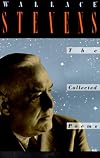
As far as this book goes, I found it a bit wanting. Some of the poems in this collection are real gems, but others seem purely academic and lacking vitality. As a poet though, I felt that his strongest show more piece was actually the play "Carlos among the Candles." As a scholar he also had some rather strong aphorisms in a time when such things are simply not written anymore. To speak of the poetry though, I would have to say that his style is very reminiscent of Apollinaire (which would justify my friend’s fondness for Stevens given that Apollinaire is probably his (my friends) greatest influence in his own writing). The problem is, Apollinaire was only, in my opinion, marginally revolutionary in poetics. For his time it was and is incredible work and he is a poet whom I highly admire, but this style by Stevens’ time had been far transcended. It’s almost as if Stevens attempted to assimilate the American Whitman tradition with an early avant-garde writer (one also thinks of Nerval) in his own composition. Due to this the actual form becomes anticipated before the poem and only churns out one significant piece out of a dozen in which his vision matches the execution. That’s not to say he didn’t contribute to American letters, for he definitely deserves his place in the opus of American poets, but I don’t attribute nearly as much esteem to him as I would someone like Hart Crane or even (despite my own reservations in admitting this) T.S. Eliot.
The worst part though, and which was what made me take this book down an extra star, was his essays. His personal one’s are insightful, as well as the short pieces used as addendum to editions of other books. But his attempts at aesthetic theory were painful. It’s almost as if he was particularly trying to “keep up” with Eliot and venture into things that he even admits in the essays themselves are out of his expertise. His modesty between the philosopher and the poet is digestible, but he only comes to these conclusion through hearsay. He references philosophies of art and phenomenology by quoting them out of books which merely summarize the aesthetic theories and so through his progression he completely diverges from the initial passion that inaugurated the work to a resignation of his own ill formed conception by concluding his work with simply agreeing with the one or two other critics he cites – all of whom rely primarily on Mallarmé and so really tells us nothing new about poetry for almost 100 years of advancement (almost to his discredit, given that this is his posthumous work and constitutes a reflection on his own ars poetica in a way that, for me, took some of the value away from his own works).
Regardless, as with any book, it is well worth the read. It is of value for its exemplifying Stevens’ output, while at the same time giving an almost biographical take on himself as a writer. For the generation of poets in which he belonged that inaugurated the “Death of the Author” one does get to see both author and reader, and so overall it works well for a meditation on the postmodern transformation of literature – with poetry being one of the only untarnished area (except for maybe in theatre and dance) of the arts in which one can still experience/feel the philosophical and social transformations of the literary world in which we now live. show less
As far as this book goes, I found it a bit wanting. Some of the poems in this collection are real gems, but others seem purely academic and lacking vitality. As a poet though, I felt that his strongest show more piece was actually the play "Carlos among the Candles." As a scholar he also had some rather strong aphorisms in a time when such things are simply not written anymore. To speak of the poetry though, I would have to say that his style is very reminiscent of Apollinaire (which would justify my friend’s fondness for Stevens given that Apollinaire is probably his (my friends) greatest influence in his own writing). The problem is, Apollinaire was only, in my opinion, marginally revolutionary in poetics. For his time it was and is incredible work and he is a poet whom I highly admire, but this style by Stevens’ time had been far transcended. It’s almost as if Stevens attempted to assimilate the American Whitman tradition with an early avant-garde writer (one also thinks of Nerval) in his own composition. Due to this the actual form becomes anticipated before the poem and only churns out one significant piece out of a dozen in which his vision matches the execution. That’s not to say he didn’t contribute to American letters, for he definitely deserves his place in the opus of American poets, but I don’t attribute nearly as much esteem to him as I would someone like Hart Crane or even (despite my own reservations in admitting this) T.S. Eliot.
The worst part though, and which was what made me take this book down an extra star, was his essays. His personal one’s are insightful, as well as the short pieces used as addendum to editions of other books. But his attempts at aesthetic theory were painful. It’s almost as if he was particularly trying to “keep up” with Eliot and venture into things that he even admits in the essays themselves are out of his expertise. His modesty between the philosopher and the poet is digestible, but he only comes to these conclusion through hearsay. He references philosophies of art and phenomenology by quoting them out of books which merely summarize the aesthetic theories and so through his progression he completely diverges from the initial passion that inaugurated the work to a resignation of his own ill formed conception by concluding his work with simply agreeing with the one or two other critics he cites – all of whom rely primarily on Mallarmé and so really tells us nothing new about poetry for almost 100 years of advancement (almost to his discredit, given that this is his posthumous work and constitutes a reflection on his own ars poetica in a way that, for me, took some of the value away from his own works).
Regardless, as with any book, it is well worth the read. It is of value for its exemplifying Stevens’ output, while at the same time giving an almost biographical take on himself as a writer. For the generation of poets in which he belonged that inaugurated the “Death of the Author” one does get to see both author and reader, and so overall it works well for a meditation on the postmodern transformation of literature – with poetry being one of the only untarnished area (except for maybe in theatre and dance) of the arts in which one can still experience/feel the philosophical and social transformations of the literary world in which we now live. show less
Lists
Awards


You May Also Like


Associated Authors
Statistics
- Works
- 109
- Also by
- 61
- Members
- 6,422
- Popularity
- #3,833
- Rating
- 4.1
- Reviews
- 40
- ISBNs
- 133
- Languages
- 15
- Favorited
- 72
