

Karl Löwith (1897–1973)
Author of Meaning in History: The Theological Implications of the Philosophy of History
About the Author
Image credit: Karl Löwith
Works by Karl Löwith
Meaning in History: The Theological Implications of the Philosophy of History (1957) 368 copies, 2 reviews
La sinistra hegeliana — Editor — 8 copies
Hegel e il cristianesimo 4 copies
Karl Löwith: Weltgeschichte und Heilsgeschehen: Sämtliche Schriften, Band 2 (Sämtliche Schriften, 2) (German Edition) (2022) 2 copies
O sentido na história 1 copy
Natur und Geschichte 1 copy
Meaning in history 1 copy
Wissen, Glaube und Skepsis 1 copy
Filosofi tedeschi d'oggi — Author — 1 copy
Karl Löwith: Wissen, Glaube und Skepsis: Sämtliche Schriften, Band 3 (Sämtliche Schriften, 3) (German Edition) (2022) 1 copy
Karl Löwith: Nietzsche: Sämtliche Schriften, Band 6 (Sämtliche Schriften, 6) (German Edition) (2022) 1 copy
Saggi sulla storia 1 copy
Associated Works
Tagged
Common Knowledge
- Canonical name
- Löwith, Karl
- Other names
- Lowith, Karl
Loewith, Karl - Birthdate
- 1897-01-09
- Date of death
- 1973-05-26
- Gender
- male
- Nationality
- Deutschland
Members
Reviews
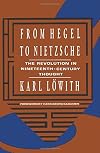
This massive work impressed me as being an analysis of philosophical relationships. In his introduction the author observes the felicitous appearance of both Goethe's Faust, Part One and Hegel's Phenomenology of Mind at almost the same moment in history. Following a discussion of their relationship Lowith goes on in a thorough fashion to dissect the channels of thought that were inspired by Hegel's ideas. This includes the many thinkers who reacted in often different directions in response show more to and sometimes in reaction against Hegel. Encompassing more than Germany the reactions also occur in other countries; for example, the leading members of the budding Russian intelligentsia, Bakunin, Belinsky and Herzen, were inspired by Hegel's thought. The analysis leads inexorably toward Nietzsche and the journey is one that, while complex, is worth considering if you are interested in an important strand of Nineteenth-Century thought. show less
Meaning in History: The Theological Implications of the Philosophy of History (Phoenix Books) by Karl Löwith

Pierre Joseph Proudhon: A printer and early French utopian socialist who wrote What is Property? in 1840, which explained Proudhon’s view that profit is just wealth stolen from the source of all wealth, the worker. Unlike most socialists, he was against the power of the government and was sometimes considered an anarchist. However, like most socialists, he wanted to help the poor. Although for most of his life he was against Christianity, he realized its importance by the end of his life.


You May Also Like


Associated Authors
Statistics
- Works
- 50
- Also by
- 2
- Members
- 1,042
- Popularity
- #24,714
- Rating
- 3.9
- Reviews
- 10
- ISBNs
- 110
- Languages
- 11
- Favorited
- 1