
James S. Hirsch
Author of Willie Mays: The life, The Legend
About the Author
James S. Hirsch is a former reporter for the "New York Times" & the "Wall Street Journal." He lives in Needham, Massachusetts. (Bowker Author Biography)
Image credit: Bobbie Bush
Works by James S. Hirsch
Two Souls Indivisible: The Friendship That Saved Two POWs in Vietnam (2004) — Author — 95 copies, 1 review
Tagged
Common Knowledge
- Birthdate
- 1962
- Gender
- male
- Education
- University of Missouri (Missouri School of Journalism)
University of Texas, Austin (Lyndon B. Johnson School of Public Affairs) - Occupations
- journalist
author - Organizations
- The New York Times
The Wall Street Journal - Nationality
- USA
- Birthplace
- St. Louis, Missouri, USA
- Places of residence
- Boston, Massachusetts, USA
- Associated Place (for map)
- USA
Members
Reviews
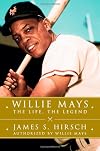
This very well written biography meticulously chronicles many—if not all—of the important events in the life of Willie Mays as both a superstar baseball player and a complex and often inscrutable man. Perhaps the most enlightening aspect of Hirsch’s comprehensive examination of Mays’ life is his ability to clearly contextualize Mays’ achievements and experiences as part of baseball history and American history.
Consequently, reading this book is comparable to reading a history of show more 20th-century America as viewed through the lens of one extraordinary man’s life; as he tells Mays’ story, Hirsch tackles many of the major issues of 20th-century America—namely race and racism, economics, and the growing popularity and cultural significance of sports. Hirsch spends a significant amount of time comparing and contrasting Mays’ role with respect to the civil rights movement with Jackie Robinson’s role. In this context, Mays appears to be a more conciliatory and less confrontational figure—which is true to character for him throughout his personal life and professional career. Whether playing the role of peacemaker in the Juan Marichal-Johnny Roseboro conflict (and the NY Mets fans vs. Pete Rose conflict during the 1973 NLCS) or patiently courting—over the course of years—his future second wife, Mays always chose the path of least resistance. This seeming passivity was often erroneously regarded as weakness or lack of fortitude, and Mays was sometimes left bitter and distrustful of others due to his experiences. Mays’ performance on the diamond and his genuine altruism, however, revealed a far more complex and compassionate man who valued harmony and peace above all else.
Hirsch has written a compelling biography of one of the most complex and celebrated figures in modern baseball history. Mays is not without his flaws, and this book is far from a hagiography, but Mays is, without a doubt, the epitome of class and a man worthy of the admiration that so many have for him.
show less
Consequently, reading this book is comparable to reading a history of show more 20th-century America as viewed through the lens of one extraordinary man’s life; as he tells Mays’ story, Hirsch tackles many of the major issues of 20th-century America—namely race and racism, economics, and the growing popularity and cultural significance of sports. Hirsch spends a significant amount of time comparing and contrasting Mays’ role with respect to the civil rights movement with Jackie Robinson’s role. In this context, Mays appears to be a more conciliatory and less confrontational figure—which is true to character for him throughout his personal life and professional career. Whether playing the role of peacemaker in the Juan Marichal-Johnny Roseboro conflict (and the NY Mets fans vs. Pete Rose conflict during the 1973 NLCS) or patiently courting—over the course of years—his future second wife, Mays always chose the path of least resistance. This seeming passivity was often erroneously regarded as weakness or lack of fortitude, and Mays was sometimes left bitter and distrustful of others due to his experiences. Mays’ performance on the diamond and his genuine altruism, however, revealed a far more complex and compassionate man who valued harmony and peace above all else.
Hirsch has written a compelling biography of one of the most complex and celebrated figures in modern baseball history. Mays is not without his flaws, and this book is far from a hagiography, but Mays is, without a doubt, the epitome of class and a man worthy of the admiration that so many have for him.
show less
James S. Hirsch’s Willie Mays: The Life, The Legend will likely long stand as the definitive biography of one of the greatest players in baseball history. Hirsch tried for years to get Mays to work with him on the book project, finally securing that cooperation after nearly giving up hope. In addition to granting interviews, Mays directed the author to friends, colleagues, and family members, and provided access to documents, photos, and other archival material. Combining this with show more Hirsch’s extensive research, we get a clear and fully rounded picture of the man on and off the field. Hirsch’s literary style and narrative techniques put this book a cut far above most other baseball biographies.
Between the foul lines we see Mays’s thrilling feats and accomplishments, his unmatched brand of baseball dynamism, and learn of his astute grasp of even the smallest nuances of the game. Hirsch follows the chronology of Mays’s brilliant career from his Negro League days with the Birmingham Black Barons to his pure joy of playing with the New York Giants, the long-delayed fan acceptance of him in San Francisco, and the sad and shaky final two years of his illustrious career with the New York Mets. The book is structured so that the timeline is occasionally interrupted with a chapter that specifically deals with a particular aspect of his life, such as racial issues or Mays’s lifelong devotion to children. This technique works well as it serves to help flesh out aspects of Mays’s character in a more focused manner.
And Hirsch does not pull any punches when dealing with Mays’s personality traits or his personal issues. In the early years of his career, Mays’s early innocence, trusting nature, and happy-go-lucky manner were seen as byproducts of his youthful inexperience, but as he grew into manhood those traits largely intact it appeared to simply reflect a naïveté that was sorely out of step with the complexities of the adult world. His continual forgiveness for racial slights prompted rebuke from civil rights activists such as Jackie Robinson. Indeed his ensuing marital and financial problems can be linked directly to his trusting nature. And from those episodes he came to trust no one in his later years but baseball players, children, and household pets. None from those groups would ever betray him. show less
Between the foul lines we see Mays’s thrilling feats and accomplishments, his unmatched brand of baseball dynamism, and learn of his astute grasp of even the smallest nuances of the game. Hirsch follows the chronology of Mays’s brilliant career from his Negro League days with the Birmingham Black Barons to his pure joy of playing with the New York Giants, the long-delayed fan acceptance of him in San Francisco, and the sad and shaky final two years of his illustrious career with the New York Mets. The book is structured so that the timeline is occasionally interrupted with a chapter that specifically deals with a particular aspect of his life, such as racial issues or Mays’s lifelong devotion to children. This technique works well as it serves to help flesh out aspects of Mays’s character in a more focused manner.
And Hirsch does not pull any punches when dealing with Mays’s personality traits or his personal issues. In the early years of his career, Mays’s early innocence, trusting nature, and happy-go-lucky manner were seen as byproducts of his youthful inexperience, but as he grew into manhood those traits largely intact it appeared to simply reflect a naïveté that was sorely out of step with the complexities of the adult world. His continual forgiveness for racial slights prompted rebuke from civil rights activists such as Jackie Robinson. Indeed his ensuing marital and financial problems can be linked directly to his trusting nature. And from those episodes he came to trust no one in his later years but baseball players, children, and household pets. None from those groups would ever betray him. show less
Summary: Willie Mays’ authorized biography, his passion for every aspect of the game, and his greatness on and off the field.
When Willie Mays died earlier this year, my friend Matt recommended this as a great book about his life. Matt was right. I read a baseball book every summer and this became my book for 2024. Mays was my childhood hero. I tried (and failed) to master the basket catch. We all took to wearing our gloves with the index finger out.
James S. Hirsch persisted over several show more years to secure Mays’ permission to write this story and won his trust and help with interviews, documents and images, and connections with others who could help the story. And Hirsch turned all of that into a meticulously researched biography that ranks, along with Mays himself, among the greats in baseball history.
Beginning with Mays’ family, he traces the rise of Mays, learning from his father “Cat,” playing in the Negro Leagues for the Birmingham Barons, and his quick journey from Minneapolis to the New York Giants. He describes the support of owner Horace Stoneham, the mentoring of Leo Durocher, and the protection of Frank Forbes, who kept him out of trouble. And of course, there was the talent: speed, fielding, throwing, hitting and power. Throughout, Hirsch recounts the big moments, including “the catch” against Vic Wertz in the 1954 World Series. We’re reminded of the clutch hits and homers, but also of his savvy on the bases, helping others advance. In addition, Hirsch portrays Mays’ passion for the game including his exacting study of every hitter, every pitcher.
But being Willie Mays was about far more than skill and competitiveness. For example, his quick presence of mind may have saved the career of hot-tempered Orlando Cepeda, who went after a pitcher with his bat. Mays tackled him. When opposing catcher John Roseboro was in a fight with Juan Marichal, Mays got a bleeding Roseboro off the field.. He mentored younger players. One of his great loves was kids, and it was not uncommon to find him playing stickball in the Harlem streets.
Hirsch explores how Mays dealt with race. He was criticized by Jackie Robinson and others for not being more vocal. Yet Mays persisted in buying a home in an exclusive San Francisco neighborhood when residents opposed it and made threats. He let his excellence and physical toughness speak. Rather than confront, he invested in youth programs, and opened doors for others.
At the same time, Hirsch is forthright about Mays’ flaws. He chose badly in his first marriage and Marghuerite’s expensive tastes as well as Willie’s carefree generosity put him in financial straits for many years. Only late in his career did several people helped him pay off debts and manage and invest more wisely. Only later in his life in Mae did he find a partner who understood his love of the game. And then there is the intensity at which Mays played, landing him in the hospital with exhaustion several times.
Hirsch’s account leaves us wondering about some might-have-beens. What if Mays did not serve for nearly two seasons in the military and play half his career in Candlestick Park, robbing him of home runs? Might he have surpassed Ruth and rivaled Aaron? And what could he have earned were it not for baseball’s reserve clause?
Mays played before performance enhancing drugs. He was able to play hard because he didn’t live hard. In this biography, Hirsch portrays Mays’ love for the game that gave him the platform to care for kids, mentor others, and bring joy to fans. The “Say Hey” kid was one of a kind. show less
When Willie Mays died earlier this year, my friend Matt recommended this as a great book about his life. Matt was right. I read a baseball book every summer and this became my book for 2024. Mays was my childhood hero. I tried (and failed) to master the basket catch. We all took to wearing our gloves with the index finger out.
James S. Hirsch persisted over several show more years to secure Mays’ permission to write this story and won his trust and help with interviews, documents and images, and connections with others who could help the story. And Hirsch turned all of that into a meticulously researched biography that ranks, along with Mays himself, among the greats in baseball history.
Beginning with Mays’ family, he traces the rise of Mays, learning from his father “Cat,” playing in the Negro Leagues for the Birmingham Barons, and his quick journey from Minneapolis to the New York Giants. He describes the support of owner Horace Stoneham, the mentoring of Leo Durocher, and the protection of Frank Forbes, who kept him out of trouble. And of course, there was the talent: speed, fielding, throwing, hitting and power. Throughout, Hirsch recounts the big moments, including “the catch” against Vic Wertz in the 1954 World Series. We’re reminded of the clutch hits and homers, but also of his savvy on the bases, helping others advance. In addition, Hirsch portrays Mays’ passion for the game including his exacting study of every hitter, every pitcher.
But being Willie Mays was about far more than skill and competitiveness. For example, his quick presence of mind may have saved the career of hot-tempered Orlando Cepeda, who went after a pitcher with his bat. Mays tackled him. When opposing catcher John Roseboro was in a fight with Juan Marichal, Mays got a bleeding Roseboro off the field.. He mentored younger players. One of his great loves was kids, and it was not uncommon to find him playing stickball in the Harlem streets.
Hirsch explores how Mays dealt with race. He was criticized by Jackie Robinson and others for not being more vocal. Yet Mays persisted in buying a home in an exclusive San Francisco neighborhood when residents opposed it and made threats. He let his excellence and physical toughness speak. Rather than confront, he invested in youth programs, and opened doors for others.
At the same time, Hirsch is forthright about Mays’ flaws. He chose badly in his first marriage and Marghuerite’s expensive tastes as well as Willie’s carefree generosity put him in financial straits for many years. Only late in his career did several people helped him pay off debts and manage and invest more wisely. Only later in his life in Mae did he find a partner who understood his love of the game. And then there is the intensity at which Mays played, landing him in the hospital with exhaustion several times.
Hirsch’s account leaves us wondering about some might-have-beens. What if Mays did not serve for nearly two seasons in the military and play half his career in Candlestick Park, robbing him of home runs? Might he have surpassed Ruth and rivaled Aaron? And what could he have earned were it not for baseball’s reserve clause?
Mays played before performance enhancing drugs. He was able to play hard because he didn’t live hard. In this biography, Hirsch portrays Mays’ love for the game that gave him the platform to care for kids, mentor others, and bring joy to fans. The “Say Hey” kid was one of a kind. show less

The Beach Boys' lead vocalist Mike Love burnishes his legacy and settles some old scores in this lengthy, somewhat self-aggrandizing autobiography.
Love is a controversial figure in Beach Boys fandom. Some credit him with keeping the band's music in the public consciousness through his constant touring under the Beach Boys name (which he owns); others find his corny stage patter cringe-inducing. Some band associates (writer David Leaf and "hipster" David Anderle are called out by name) have show more perpetrated the idea that the brilliant but mentally fragile Brian Wilson represented the experimental "Art" aspect of the Beach Boys' ethos, while Mike Love was the crass "Commerce" side of the equation. Love wants his readers to know that the situation was never that simple. He worked hard on the lyrics to "California Girls" and other hits, and, contrary to legend, he never told his cousin not to "f**k with the [surf and car song] formula."
Love emphasizes his spiritual qualities, but he does admit to having a few faults. He was an unfaithful husband to his first several wives and a neglectful father to his many children. But he gives scant attention to the more sordid aspects of his legacy, such as his embarrassing speech at the Beach Boys' 1988 Rock 'n' Roll Hall of Fame induction and his rejection of his putative daughter Shawn Love, who as a teenager married a strung-out Dennis Wilson.
If you enjoy rock-star biographies, you will find a worthy example of the genre.
Please note that I received an electronic copy of this book to review from NetGalley, but I was not financially compensated in any way. The opinions expressed are my own and are based on my observations while reading this book. show less
Love is a controversial figure in Beach Boys fandom. Some credit him with keeping the band's music in the public consciousness through his constant touring under the Beach Boys name (which he owns); others find his corny stage patter cringe-inducing. Some band associates (writer David Leaf and "hipster" David Anderle are called out by name) have show more perpetrated the idea that the brilliant but mentally fragile Brian Wilson represented the experimental "Art" aspect of the Beach Boys' ethos, while Mike Love was the crass "Commerce" side of the equation. Love wants his readers to know that the situation was never that simple. He worked hard on the lyrics to "California Girls" and other hits, and, contrary to legend, he never told his cousin not to "f**k with the [surf and car song] formula."
Love emphasizes his spiritual qualities, but he does admit to having a few faults. He was an unfaithful husband to his first several wives and a neglectful father to his many children. But he gives scant attention to the more sordid aspects of his legacy, such as his embarrassing speech at the Beach Boys' 1988 Rock 'n' Roll Hall of Fame induction and his rejection of his putative daughter Shawn Love, who as a teenager married a strung-out Dennis Wilson.
If you enjoy rock-star biographies, you will find a worthy example of the genre.
Please note that I received an electronic copy of this book to review from NetGalley, but I was not financially compensated in any way. The opinions expressed are my own and are based on my observations while reading this book. show less
Lists
Awards


You May Also Like


Associated Authors
Statistics
- Works
- 6
- Members
- 1,043
- Popularity
- #24,686
- Rating
- 4.0
- Reviews
- 25
- ISBNs
- 49
- Languages
- 1