

Jane Eagland
Author of Wildthorn
About the Author
Works by Jane Eagland
Tagged
Common Knowledge
- Gender
- female
- Education
- University of Exeter
Lancaster University - Occupations
- English teacher
creative writing tutor - Nationality
- UK
- Birthplace
- Ilford, Essex, England, UK
- Places of residence
- Lancashire, England, UK
- Associated Place (for map)
- England, UK
Members
Reviews
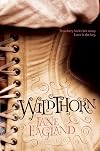
Wildthorn is not an ideal choice for those in search of happy fun times all the way through, but definitely an interesting topic not much touched on in teen literature. The first half of the novel switches between Louisa's experiences in the mental institution and her memories of her life and how she ended up there. Louisa is very sympathetic for a modern audience. The portrayal of the mental institution clearly reveals the horridness of that setup. Troublesome women truly were shunted off show more into these institutions and they could do nothing to escape. Most poignant is the impossibility of proving one's sanity. How do you convince people that you are not crazy when they keep calling you by a name that is not your own?
The lesbian angle was interesting too. Finding LGBT fiction for teens can be difficult; I took a course on young adult resources and in the week on this topic, we had no books about lesbians. This book fills a gap in teen literature and does quite a good job of it. Eagland does not shy away from the topic, nor does she overdo it. The story manages to be sweet and serious, a solid, slightly more deep than average teen read. It also has a beautiful cover!
Recommended if you like Sarah Waters, since this seems much like a teen version of Fingersmith. show less
The lesbian angle was interesting too. Finding LGBT fiction for teens can be difficult; I took a course on young adult resources and in the week on this topic, we had no books about lesbians. This book fills a gap in teen literature and does quite a good job of it. Eagland does not shy away from the topic, nor does she overdo it. The story manages to be sweet and serious, a solid, slightly more deep than average teen read. It also has a beautiful cover!
Recommended if you like Sarah Waters, since this seems much like a teen version of Fingersmith. show less
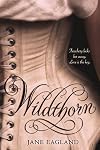
"Excessive study, especially in one of the fair sex, often leads to insanity..."
The Dangers of Excessive Learning: (girls who studied too much would become) "dogmatic and presumptuous, self-willed and arrogant, eccentric in dress and disagreeable in manner."
Can you imagine living in times when this was the norm? When you could be deemed insane because you didn't want to be a housewife and mommy? Sounds crazy to us and we are lucky to live in the age that we do.
This book was one hell of a show more ride! From page one I was grabbed by the throat and carried along. The writing was so alive that I felt like I was in Louise's body feeling the fear, the anger, the confusion that she was. I was in that asylum with her and it was as horrible to read as it had to be to live it. The fact that this book is based on true stories turns me stomach even more.
I accused everyone in her family but was floored by the events that came out as the book went along. (Can't go into detail, read the book!!!) I loved the relationship between Louisa and Grace but at the same time I wanted to shake some sense into Grace!
Eliza was a godsend. From the moment she entered the story to the end, she was an angel in disguise.
I am not sure that I liked the ending but I did understand why it ended as it did. That's all you are getting from me. Find this book and read it. It says Young Adult but I wouldn't have called it that.
Recommended to anyone, females especially and yes, young adults so they can appreciate what they have and what people had to endure do they could have it. show less
The Dangers of Excessive Learning: (girls who studied too much would become) "dogmatic and presumptuous, self-willed and arrogant, eccentric in dress and disagreeable in manner."
Can you imagine living in times when this was the norm? When you could be deemed insane because you didn't want to be a housewife and mommy? Sounds crazy to us and we are lucky to live in the age that we do.
This book was one hell of a show more ride! From page one I was grabbed by the throat and carried along. The writing was so alive that I felt like I was in Louise's body feeling the fear, the anger, the confusion that she was. I was in that asylum with her and it was as horrible to read as it had to be to live it. The fact that this book is based on true stories turns me stomach even more.
I accused everyone in her family but was floored by the events that came out as the book went along. (Can't go into detail, read the book!!!) I loved the relationship between Louisa and Grace but at the same time I wanted to shake some sense into Grace!
Eliza was a godsend. From the moment she entered the story to the end, she was an angel in disguise.
I am not sure that I liked the ending but I did understand why it ended as it did. That's all you are getting from me. Find this book and read it. It says Young Adult but I wouldn't have called it that.
Recommended to anyone, females especially and yes, young adults so they can appreciate what they have and what people had to endure do they could have it. show less
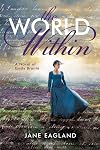
Of the three celebrated Brontë sisters, I have always liked to imagine that I share an affinity with Emily, not least because, on a superficial level, we share the same birthday. Although little is known about Emily, she was understood to be shy and reserved around strangers, preferring the company of close family and beloved pets over small talk with social acquaintances, and retreating into her imaginary worlds when she could not set out alone onto the moors near the Parsonage. For fellow show more introverts, Emily is irresistible, and Lancashire author Jane Eagland cleverly builds on the few available biographical details and anecdotes to create a sympathetic personality and an insight, albeit fictional, into Emily’s life in Haworth.
Written for young adults, yet open to Brontë readers of all ages, Eagland’s tale of the close bond between four siblings is both timeless and engaging. Emily is an endearing heroine, struggling to find her own voice, both in the stories she writes and the life that awaits her. Having already lost her mother and two sisters, Emily is stricken with terror when Charlotte announces she is going away to school at Roe Head. Who will guide her through Glass Town and wake her from nightmares with a comforting presence? There is younger sister Anne, of course, the precocious favourite of Aunt Elizabeth, and big brother Branwell, but Emily is closest to Charlotte and longs for her return. Emily’s curate father Patrick, softened into more of an affable Atticus Finch figure, brings home a stray dog, which Emily names Grasper and quickly bonds with. Her love of animals also results in one of the few dramatic scenes of the novel, bringing to life the anecdote of a mad dog turning on Emily and biting her arm. Amidst tentative friendships, unrequited flirtations, discoveries and departures, however, the heart of the story is the world within Emily. Her character is beautifully drawn, wanting only ‘to stay exactly where she is, doing exactly what she does, and for everyone else to do the same’.
Jane Eagland admits in her afterword to ‘treading on dangerous ground’ by ‘taking liberties’ with this fictional account of Emily’s younger years, but she has obviously done her research and any deliberate diversions from fact into fiction only serve to make the story more appealing to younger readers. Not that the author shies from the daily struggles that the Brontë s would have faced, describing with relish ‘the smell rising from the gutter’ beside Emily’s feet, and the ‘constraints of social etiquette’ faced by young girls; Branwell, ‘a candle flame wavering at every draft’, is encouraged to forge careers in art and journalism, whereas Charlotte, Emily and Anne are discouraged from promoting their own talents. The dialogue is free from the formal conventions of Victorian fiction, with the banter and bickering between Emily and her brother and sisters being instantly recognisable to young readers, and Emily, inspired by Charlotte’s outspoken friend Mary Taylor, appears very modern in her desire to live her life on her own terms.
The World Within is a captivating introduction to Emily Brontë, the quiet sister who preferred to stay at home, yet penned such a daring novel filled with dark characters. Jane Eagland even sneaks in a few references to Wuthering Heights, having Emily gather inspiration from Top Withens and listening to family servant Tabby’s tales of a wild and dark-eyed boy at Ponden Hall. Readers of all ages will be able to identify with the universal trials of adolescence faced by Emily, from sibling rivalry to starting a new school, while Brontë scholars can appreciate a fresh take on the traditional biography for a teenage audience. show less
Written for young adults, yet open to Brontë readers of all ages, Eagland’s tale of the close bond between four siblings is both timeless and engaging. Emily is an endearing heroine, struggling to find her own voice, both in the stories she writes and the life that awaits her. Having already lost her mother and two sisters, Emily is stricken with terror when Charlotte announces she is going away to school at Roe Head. Who will guide her through Glass Town and wake her from nightmares with a comforting presence? There is younger sister Anne, of course, the precocious favourite of Aunt Elizabeth, and big brother Branwell, but Emily is closest to Charlotte and longs for her return. Emily’s curate father Patrick, softened into more of an affable Atticus Finch figure, brings home a stray dog, which Emily names Grasper and quickly bonds with. Her love of animals also results in one of the few dramatic scenes of the novel, bringing to life the anecdote of a mad dog turning on Emily and biting her arm. Amidst tentative friendships, unrequited flirtations, discoveries and departures, however, the heart of the story is the world within Emily. Her character is beautifully drawn, wanting only ‘to stay exactly where she is, doing exactly what she does, and for everyone else to do the same’.
Jane Eagland admits in her afterword to ‘treading on dangerous ground’ by ‘taking liberties’ with this fictional account of Emily’s younger years, but she has obviously done her research and any deliberate diversions from fact into fiction only serve to make the story more appealing to younger readers. Not that the author shies from the daily struggles that the Brontë s would have faced, describing with relish ‘the smell rising from the gutter’ beside Emily’s feet, and the ‘constraints of social etiquette’ faced by young girls; Branwell, ‘a candle flame wavering at every draft’, is encouraged to forge careers in art and journalism, whereas Charlotte, Emily and Anne are discouraged from promoting their own talents. The dialogue is free from the formal conventions of Victorian fiction, with the banter and bickering between Emily and her brother and sisters being instantly recognisable to young readers, and Emily, inspired by Charlotte’s outspoken friend Mary Taylor, appears very modern in her desire to live her life on her own terms.
The World Within is a captivating introduction to Emily Brontë, the quiet sister who preferred to stay at home, yet penned such a daring novel filled with dark characters. Jane Eagland even sneaks in a few references to Wuthering Heights, having Emily gather inspiration from Top Withens and listening to family servant Tabby’s tales of a wild and dark-eyed boy at Ponden Hall. Readers of all ages will be able to identify with the universal trials of adolescence faced by Emily, from sibling rivalry to starting a new school, while Brontë scholars can appreciate a fresh take on the traditional biography for a teenage audience. show less
I could not help but feel so angry for Louisa. She dealt with such a great injustice against her, I could hardly believe the outcome of the story. She’s definitely a very strong character especially with the odds not in her favor. I liked how she’s portrayed as not a typical Victorian English woman. She was more of a tomboy and wanted to follow in her father’s footsteps. Unfortunately she just happened to be born in the wrong century. I liked how she didn’t think she acted any show more different, and in fact thought the ‘girly’ girls were just odd because they did not share the same interests as she did.
Of all characters I loathed Tom. I really did. He was spiteful, horrible, cruel, and he deserved a whole lot of pain than he got. I’d have to say he’s one of the most hated characters I have ever encountered so far in a book. Phyllis was also another character I did not care for, and although her ending was a little more satisfying than Tom’s, I thought she didn’t really receive her proper come uppins.
Overall, the plot was good and very well written. I thought the writing did a good job in capturing how it felt to be in an asylum during the Victorian Age. It’s bleak, and depressing, and situations could potentially get worse should you become ‘uncooperative’. It’s an eye opener, and horrible to read because the reader is aware of Louisa’s mental health, but also reading on how she got there in the first place is shocking and horrifying.
As for the romance in this book, it may not be for everyone, I sort of figured who Louisa would be with and it’s predictable. Some argue why is this even necessary. True, but also realize that without the love, Louisa might not have been strong enough to endure what she had to go through and it was what kept her going.
This was an eye opening read, and although dark and bleak throughout most of the book, there is a good satisfying ending. It shows how they used to think back then, and what was the norm and what was not. It’s hard to read without feeling some sort of anger but it’s also a satisfying read because Louisa is one of the strongest characters I have ever read so far. To have gone through what she had, would have taken a lot of strength both mentally and physically. show less
Of all characters I loathed Tom. I really did. He was spiteful, horrible, cruel, and he deserved a whole lot of pain than he got. I’d have to say he’s one of the most hated characters I have ever encountered so far in a book. Phyllis was also another character I did not care for, and although her ending was a little more satisfying than Tom’s, I thought she didn’t really receive her proper come uppins.
Overall, the plot was good and very well written. I thought the writing did a good job in capturing how it felt to be in an asylum during the Victorian Age. It’s bleak, and depressing, and situations could potentially get worse should you become ‘uncooperative’. It’s an eye opener, and horrible to read because the reader is aware of Louisa’s mental health, but also reading on how she got there in the first place is shocking and horrifying.
As for the romance in this book, it may not be for everyone, I sort of figured who Louisa would be with and it’s predictable. Some argue why is this even necessary. True, but also realize that without the love, Louisa might not have been strong enough to endure what she had to go through and it was what kept her going.
This was an eye opening read, and although dark and bleak throughout most of the book, there is a good satisfying ending. It shows how they used to think back then, and what was the norm and what was not. It’s hard to read without feeling some sort of anger but it’s also a satisfying read because Louisa is one of the strongest characters I have ever read so far. To have gone through what she had, would have taken a lot of strength both mentally and physically. show less
Lists
Awards


You May Also Like


Associated Authors
Statistics
- Works
- 6
- Members
- 655
- Popularity
- #38,516
- Rating
- 3.7
- Reviews
- 60
- ISBNs
- 24
- Languages
- 2