
Brian J. Robb
Author of Johnny Depp: A Modern Rebel
About the Author
Brian J. Robb is a writer and biographer whose previous books have included a New York Times best-selling biography of Leonardo DiCaprio; Screams Nightmares, the definitive book on horror director Wes Craven; biographies of Johnny Depp and Ewan McGregor, and Counterfeit Worlds, a study of the films show more of Philip K. Dick. He is currently managing editor at Titan Magazines. He is editor-in-chief of the Official Star Wars Insider Magazine, and oversees magazines for Lost, Stargate, Smallville, Star Trek and Supernatural, as well as being managing editor on Total Sci Fi, an international cult film and television web site. show less
Series
Works by Brian J. Robb
Steampunk: An Illustrated History of Fantastical Fiction, Fanciful Film and Other Victorian Visions (2012) 86 copies
Middle-earth Envisioned: The Hobbit and The Lord of the Rings: On Screen, On Stage, and Beyond (2013) 63 copies, 2 reviews
Star Wars Insider Issue #100 [April 2008] — Editor — 3 copies
The Sensational Sixties #09 1 copy
The Fantastic Fifties No. 23 — Editor — 1 copy
The Age Of Thrills No. 05 1 copy
The Age Of Thrills No. 03 — Editor — 1 copy
Babylon 5 Magazine No. 23 1 copy
The Sensational Sixties #07 — Editor — 1 copy
The Age Of Thrills No. 02 1 copy
The Sensational Sixties #06 1 copy
The Fantastic Fifties No. 17 — Editor — 1 copy
The Fantastic Fifties No. 18 — Editor — 1 copy
The Age Of Thrills No. 04 — Editor — 1 copy
Associated Works
The DWB Interview File: The Best of the First 100 Issues No.2 (1994) — interviewer Gareth Thomas, Gearld Harper — 16 copies
The Dark Side 233 — Contributor — 3 copies
Cinema of the '70s Issue 07 — Contributor — 1 copy
Infinity #64 — Contributor — 1 copy
The Fantastic Fifties No. 08 — Contributor — 1 copy
Tagged
Common Knowledge
Members
Reviews
https://fromtheheartofeurope.eu/earthshock-by-eric-saward-ian-marter-and-brian-j...
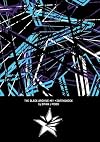
The Black Archive on Earthshock, by Brian J. Robb, has only three chapters, but they are long and it is one of the longer books in the sequence.
The first chapter, “Everyone Loves Adric”, looks at how the character evolved, rose and fell, with brief reflection on other teen genius characters (eg Wesley Crusher), and plenty of detail on the strategic choices made by the production team and the reasons for show more them, starting from Tom Baker’s last season.
The second chapter, “The Saward Imperative”, looks at the specific roles of writer Eric Saward and director Peter Grimwade in writing the story, and considers Saward’s attempt to be true to previous Cyberman stories and Grimwade’s directing technique (good with lighting, less good with actors). The Christopher Priest affair is touched on, but I have heard all about that from a more reliable source. (This is the chapter that deals most with the actual topic of the book.)
The third and longest chapter, “Nostalgia and Cynicism”, looks at the success of Earthshock at the time, but also at how the wrong lessons were learned from it, empowering Nathan-Turner and Award to delve back into the show’s history as it went forward, which in the end killed a lot of the potential creativity.
This is not just a book about Earthshock, but a guide to the trajectory of the whole Nathan-Turner / Saward era, and it works very well. show less
The Black Archive on Earthshock, by Brian J. Robb, has only three chapters, but they are long and it is one of the longer books in the sequence.
The first chapter, “Everyone Loves Adric”, looks at how the character evolved, rose and fell, with brief reflection on other teen genius characters (eg Wesley Crusher), and plenty of detail on the strategic choices made by the production team and the reasons for show more them, starting from Tom Baker’s last season.
The second chapter, “The Saward Imperative”, looks at the specific roles of writer Eric Saward and director Peter Grimwade in writing the story, and considers Saward’s attempt to be true to previous Cyberman stories and Grimwade’s directing technique (good with lighting, less good with actors). The Christopher Priest affair is touched on, but I have heard all about that from a more reliable source. (This is the chapter that deals most with the actual topic of the book.)
The third and longest chapter, “Nostalgia and Cynicism”, looks at the success of Earthshock at the time, but also at how the wrong lessons were learned from it, empowering Nathan-Turner and Award to delve back into the show’s history as it went forward, which in the end killed a lot of the potential creativity.
This is not just a book about Earthshock, but a guide to the trajectory of the whole Nathan-Turner / Saward era, and it works very well. show less
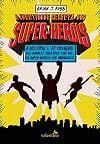
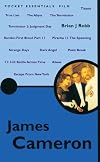
CHARTS CAMERON'S CAREER AND PERSONAL LIFE UP TO THE TITANIC, INTERMINGLING GOSSIP WITH MOVIE HISTORY.
An acceptable introduction to the work of Director James Cameron, even if it tends towards the sensational and gossip column - like the number of wives he has had, his perfectionist style leading to him acting the asshole towards actors and crew members on set, with especial hostility reserved for those executives questionning his out of control spending. Maybe, as this is such a short (just show more under 100 small pages) introduction, the author should have shied away from his opinions, such as the vapid assertion that Cameron settling down with wife number five also marked a period of professional stability. I won't even mention the silly comments about Cameron's mental inheritance from his parents. But there are many facts alongside these unhelpful insights, charting Cameron's entry into film via an interest in modelling and visuals rather than using story and plot as the driving force. Which seems all the more astonishing given that he has written so many screenplays for his own and other films. One explanation for this comes in the revelation that the idea for Terminator was plagiarised from the writing of Harlan Ellison. While not admitting this outright, Cameron paid the guy off and retrospectively credited him for providing inspiration for the story. However this is far from an unsympathetic account of the director, noting time and again the physical lengths Cameron went to in filming and risk taking alongside his actors , notably in The Abyss. Additionally, it is always interesting to hear of the resistance and lack of support Cameron seemed to get from Hollywood despite his levels of success, adding rigour to the cliche quoted in the book: "In Hollywood you're only as good as your latest movie", and it appears maybe not even that. Instead what comes across is that he was helped more by the support of a small group of actors (Lance Henriksen in particular) and producers (Gale Ann Hurd, here), despite professional and personal problems with some. The book also places The Titanic in its proper context - rather than an aberration from a SF/visual/action director it stands as a continuation of his fascination with the horror and beauty under the seas, as well as a final realisation of a character based story he had been reaching for. Surprising then, that the author rates it only 3/5.
Read this book if you want the debatable gossipy facts or a general introduction that offers some interesting points. Otherwise just (re)watch the films. show less
An acceptable introduction to the work of Director James Cameron, even if it tends towards the sensational and gossip column - like the number of wives he has had, his perfectionist style leading to him acting the asshole towards actors and crew members on set, with especial hostility reserved for those executives questionning his out of control spending. Maybe, as this is such a short (just show more under 100 small pages) introduction, the author should have shied away from his opinions, such as the vapid assertion that Cameron settling down with wife number five also marked a period of professional stability. I won't even mention the silly comments about Cameron's mental inheritance from his parents. But there are many facts alongside these unhelpful insights, charting Cameron's entry into film via an interest in modelling and visuals rather than using story and plot as the driving force. Which seems all the more astonishing given that he has written so many screenplays for his own and other films. One explanation for this comes in the revelation that the idea for Terminator was plagiarised from the writing of Harlan Ellison. While not admitting this outright, Cameron paid the guy off and retrospectively credited him for providing inspiration for the story. However this is far from an unsympathetic account of the director, noting time and again the physical lengths Cameron went to in filming and risk taking alongside his actors , notably in The Abyss. Additionally, it is always interesting to hear of the resistance and lack of support Cameron seemed to get from Hollywood despite his levels of success, adding rigour to the cliche quoted in the book: "In Hollywood you're only as good as your latest movie", and it appears maybe not even that. Instead what comes across is that he was helped more by the support of a small group of actors (Lance Henriksen in particular) and producers (Gale Ann Hurd, here), despite professional and personal problems with some. The book also places The Titanic in its proper context - rather than an aberration from a SF/visual/action director it stands as a continuation of his fascination with the horror and beauty under the seas, as well as a final realisation of a character based story he had been reaching for. Surprising then, that the author rates it only 3/5.
Read this book if you want the debatable gossipy facts or a general introduction that offers some interesting points. Otherwise just (re)watch the films. show less
Lists
Awards


You May Also Like


Associated Authors
Statistics
- Works
- 69
- Also by
- 11
- Members
- 833
- Popularity
- #30,660
- Rating
- 3.6
- Reviews
- 9
- ISBNs
- 103
- Languages
- 10