
Errol Trzebinski
Author of Silence Will Speak: A Study of the Life of Denys Finch Hatton and His Relationship With Karen Blixen
About the Author
Works by Errol Trzebinski
Silence Will Speak: A Study of the Life of Denys Finch Hatton and His Relationship With Karen Blixen (1977) 129 copies, 4 reviews
The Life and Death of Lord Erroll: The Truth Behind the Happy Valley Murder (2000) 48 copies, 2 reviews
Associated Works
Tagged
Common Knowledge
- Gender
- female
- Occupations
- biographer
writer - Short biography
- Ms. Trzebinski, a long-time resident of Kenya, has written about many of the area's personalities and events. Her book Silence Will Speak was one of the prime sources of the film "Out of Africa."
- Places of residence
- Lamu Island, Kenya
- Associated Place (for map)
- Lamu Island, Kenya
Members
Reviews
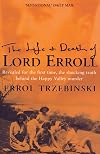
This is a fairly conventional well written biography of Lord Erroll, best known as the aristocrat favoured by the wives of British settlers in Kenya in the 1920's and 30's whose death - a bullet in the back of the head - created an enduring scandal and mystery. There is an engaging description of the diplomatic world of Europe in the early 1900's, and the colonial world of Kenya, and of the bohemian characters that the reader might already be familiar with through the book and movie 'White show more Mischief'. The author (no relation) claims to correct a few errors in James Fox's book, but used largely the same methods of personal interviews to fill in the substantial gaps in the official records. Both Fox and Erroll T. particularly mentioned that even with the passage of time people were reluctant to talk, and while many promised that they'd leave notes 'revealing the truth' after they died, these would never turn up.
Fox's theory is that Lord Erroll was shot by the jealous husband of the wife he 'stole', noting that this man had a history of quite sophisticated insurance frauds which involved laying false trails and obscuring evidence. Erroll T. on the other hand claims to have been given a statement by a former intelligence officer detailing a very complicated plot by the British Government to assassinate Lord Erroll. Lord Erroll had - it's agreed - flirted with the British Fascist party, but was generally thought to have put this behind him at the time of his death when he was a key figure in the British administration of Kenya. The book loses a little of its authority as the assassination plot is described. I don't doubt it is credible, but an incredible story is pretty much galloped through here, jammed in the back of the book. There are tantalizing references to what may have been other assassinations of middle ranking fascists in the British military and diplomatic arenas, but there is no time to tease those stories out. There's much more to tell here, but as soon as Errol T. gets near the British Fascist connection her research started churning up more mud than miles on the road. The British are very good at keeping secrets.
The author goes on to suggest that Lord Erroll was targeted particularly for assassination not because he was an active Nazi sympathiser, but because having renounced his association with the British Fascists he was thought capable of spilling the beans publicly on the whole organisation, including some links high in the British aristocracy. Erroll T. even suggests that Lord Erroll had evidence that Churchill himself had at one time considered giving in to Germany and dividing Europe (and Africa) amongst each other while Germany tackled Russia. Simply arresting Lord Erroll would not have stopped him telling his side of the story, particularly in Kenya where the British Government did not have as rigid control on affairs as they might have had at home. The suggestion is that this was the last thing Churchill needed at a time when he was assiduously courting the US with a picture of Britons (and the Empire) standing united on the beaches defying the German war machine. It's apparent that this is another whole book, but it is disappointing that Erroll T. ends her (otherwise very well researched) book with such a substantial accusation without presenting any evidence or argument. There's a mountain of material on Lord Halifax and Churchill debating whether to fight or give in (and which of them would lead the country in war) that remains untapped here.
Personally I don't think it is necessary to argue that the rather extreme step of assassination was brought about some theory that Churchill was trying to cover up his own involvement in appeasing Germany. It may indeed have come down to some senior person in British Intelligence with aristocratic connections seeing Lord Erroll as someone who'd let the side down with his dubious connections with both Fascists and other people's wives. And whereas this sort of behaviour was nothing out of the ordinary amongst the British aristocracy, Lord Erroll had committed the unforgivable sin of conducting his extra-marital affairs in the public eye. I rather suspect the decision to assassinate Lord Erroll (and I tend to agree it was assassination) was based on a view that Lord Erroll was not quite the sort of chap they wanted to have on their team, a 'bad egg' in fact. It's not beyond the bounds of possibility that Lord Erroll might just at one point have flirted with the wife of the man who ordered his removal. Again, fertile waters that Erroll T. has left untrawled.
But for all of that this is a much more satisfying, if less titillating, story of the Lord Erroll and Happy Valley than you'll find in James Fox's 'White Mischief'. Ideally read both together. Recommended. show less
Fox's theory is that Lord Erroll was shot by the jealous husband of the wife he 'stole', noting that this man had a history of quite sophisticated insurance frauds which involved laying false trails and obscuring evidence. Erroll T. on the other hand claims to have been given a statement by a former intelligence officer detailing a very complicated plot by the British Government to assassinate Lord Erroll. Lord Erroll had - it's agreed - flirted with the British Fascist party, but was generally thought to have put this behind him at the time of his death when he was a key figure in the British administration of Kenya. The book loses a little of its authority as the assassination plot is described. I don't doubt it is credible, but an incredible story is pretty much galloped through here, jammed in the back of the book. There are tantalizing references to what may have been other assassinations of middle ranking fascists in the British military and diplomatic arenas, but there is no time to tease those stories out. There's much more to tell here, but as soon as Errol T. gets near the British Fascist connection her research started churning up more mud than miles on the road. The British are very good at keeping secrets.
The author goes on to suggest that Lord Erroll was targeted particularly for assassination not because he was an active Nazi sympathiser, but because having renounced his association with the British Fascists he was thought capable of spilling the beans publicly on the whole organisation, including some links high in the British aristocracy. Erroll T. even suggests that Lord Erroll had evidence that Churchill himself had at one time considered giving in to Germany and dividing Europe (and Africa) amongst each other while Germany tackled Russia. Simply arresting Lord Erroll would not have stopped him telling his side of the story, particularly in Kenya where the British Government did not have as rigid control on affairs as they might have had at home. The suggestion is that this was the last thing Churchill needed at a time when he was assiduously courting the US with a picture of Britons (and the Empire) standing united on the beaches defying the German war machine. It's apparent that this is another whole book, but it is disappointing that Erroll T. ends her (otherwise very well researched) book with such a substantial accusation without presenting any evidence or argument. There's a mountain of material on Lord Halifax and Churchill debating whether to fight or give in (and which of them would lead the country in war) that remains untapped here.
Personally I don't think it is necessary to argue that the rather extreme step of assassination was brought about some theory that Churchill was trying to cover up his own involvement in appeasing Germany. It may indeed have come down to some senior person in British Intelligence with aristocratic connections seeing Lord Erroll as someone who'd let the side down with his dubious connections with both Fascists and other people's wives. And whereas this sort of behaviour was nothing out of the ordinary amongst the British aristocracy, Lord Erroll had committed the unforgivable sin of conducting his extra-marital affairs in the public eye. I rather suspect the decision to assassinate Lord Erroll (and I tend to agree it was assassination) was based on a view that Lord Erroll was not quite the sort of chap they wanted to have on their team, a 'bad egg' in fact. It's not beyond the bounds of possibility that Lord Erroll might just at one point have flirted with the wife of the man who ordered his removal. Again, fertile waters that Erroll T. has left untrawled.
But for all of that this is a much more satisfying, if less titillating, story of the Lord Erroll and Happy Valley than you'll find in James Fox's 'White Mischief'. Ideally read both together. Recommended. show less
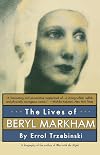
Beryl Markham led quite a life, one of hedonism, selfishness, ruthlessness without a thought of how her actions impacted on those in her circle. Today she would be categorized as a sociopath. This is a tale of her life, including her many male conquests.
Abandoned in Africa by her mother, from an early age, she was loosely raised by her father. Working with him to train superb race horses, she acquired a reputation of doing men's work.
With little social skills, and a dire lack of education, show more she was able to use enough people to scratch and fight her way to the top of inner circles. Dennys Finch Hatton, Bjor Blixen, Karen Blixen, aka Isak Dinesen, and Barkley Cole were but a few of those she claimed as "friends."
Basically, to put it crudely, she slept her way through East Africa, drawing men like moths to a dangerous flame, she cared very little for her reputation, or the emotional turmoil she left behind..
She learned to fly a plane, and to her credit, her book West With the Night outlines her major accomplishment of being the first female to travel cross ocean. However, there is doubt that she actually wrote that book, and instead her former husband most likely penned it for her.
I did enjoy the depiction of East Africa and the ruggedness of that continent at the time of the great white hunters. Beryl Markham was indeed an interesting woman. Tall, beautiful and sensual, she deserves credit for her accomplishments. show less
Abandoned in Africa by her mother, from an early age, she was loosely raised by her father. Working with him to train superb race horses, she acquired a reputation of doing men's work.
With little social skills, and a dire lack of education, show more she was able to use enough people to scratch and fight her way to the top of inner circles. Dennys Finch Hatton, Bjor Blixen, Karen Blixen, aka Isak Dinesen, and Barkley Cole were but a few of those she claimed as "friends."
Basically, to put it crudely, she slept her way through East Africa, drawing men like moths to a dangerous flame, she cared very little for her reputation, or the emotional turmoil she left behind..
She learned to fly a plane, and to her credit, her book West With the Night outlines her major accomplishment of being the first female to travel cross ocean. However, there is doubt that she actually wrote that book, and instead her former husband most likely penned it for her.
I did enjoy the depiction of East Africa and the ruggedness of that continent at the time of the great white hunters. Beryl Markham was indeed an interesting woman. Tall, beautiful and sensual, she deserves credit for her accomplishments. show less
Silence Will Speak : a study of the life of Denys Finch Hatton and his relationship with Karen Blixen by Errol Trzebinski

Denys Finch Hatton was a second son in the English aristocracy who would be all but forgotten were it not for the thirteen years he spent with Karen Blixen inspiring an infatuation that she enshrined in her luminous writing. Had 'Isak Dinesen''s Out of Africa not become a bestseller and then a movie, the man would have been remembered only by his family and friends. It is clear from this biography that he inspired huge affection among those who knew him. The life of the Prince of Wales would show more not have been entrusted to his care on Kenyan safaris had he not been a good organiser and an effective hunter. For all his merits, however, the first half of this book is hagiographic and only later will any allusions be made to the selfishness and avoidance of commitment that were significant elements of his character. The biographer had no personal knowledge of the man, which would be no impediment had there been more detailed documentation of his life, but most of his friends followed his instructions to destroy his correspondence after reading it. The record is sketchy and the biography leans heavily on Dinesen's authobiographical accounts, which are demonstrably unreliable for details of anything except her emotional state. Even the illustrations are poorly chosen and inadequately titled. Out of ten photographs one is a portrait of a Masai man captioned "Denys admired the courage of the Masai..." and none of them illustrate the observation that "One of his few personal mannerisms was to push his hat towards the back of his head absentmindedly during conversation. This habit is recorded in almost every photograph taken of him, unfailingly his hat is tilted upwards as though he had pushed it back from his brow seconds before the picture was taken." An unreliable narrator can be charming but an unreliable biographer is a confusing waste. show less

An interestingly different view of the Happy Valley murder from James Fox's in "White Mischief", written 20 years earlier. This book claims that Erroll was killed by the British secret service for political reasons, with his womanising used as a smokescreen by the powers that be in their cover-up of what really happened. It would explain some of the gaps in the jealous husband theory, and why people were scared to talk about it to James Fox 40 years later, but there are still discrepancies, show more so who knows what really happened.
It was interesting to see Erroll as his neighbours in Kenya saw him; a hard-working farmer, who was active in local politics, liked children and hardly drank alcohol, rather than an aristocratic verandah-farmer who held wild parties, went to orgies and seduced other men's wives at the drop of a hat. show less
It was interesting to see Erroll as his neighbours in Kenya saw him; a hard-working farmer, who was active in local politics, liked children and hardly drank alcohol, rather than an aristocratic verandah-farmer who held wild parties, went to orgies and seduced other men's wives at the drop of a hat. show less
Awards

You May Also Like


Associated Authors
Statistics
- Works
- 9
- Also by
- 1
- Members
- 327
- Popularity
- #72,481
- Rating
- 3.9
- Reviews
- 10
- ISBNs
- 22
- Languages
- 1