
Catherine O'Neill Grace
Author of 1621: A New Look at Thanksgiving (I Am American)
About the Author
Image credit: via Goodreads
Works by Catherine O'Neill Grace
Best Friends, Worst Enemies: Understanding the Social Lives of Children (2001) 168 copies, 2 reviews
Forces of Nature: The Awesome Power of Volcanoes, Earthquakes, and Tornadoes. National Geographic (2004) 40 copies
I want to be-- an engineer 8 copies
The White House 1 copy
Associated Works
Tagged
Common Knowledge
- Birthdate
- 1950
- Gender
- female
- Education
- Middlebury College (BA|English Literature)
Georgetown University (MA|English Literature) - Places of residence
- Boston, Massachusetts, USA
- Map Location
- USA
Members
Reviews
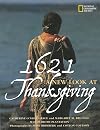
"Thanksgiving, the myth, surrenders to Thanksgiving, the real story, in this collaboration of historians, scholars, and descendants of the Wampanoag people. The original event, attended by 90 Natives and 52 colonists probably lasted for three days and was held for political reasons. The village, Pauxet, now called Plymouth, was empty of its Native people who died of plague and left their fields, stores of corn, and supplies of baskets and pots. When the English arrived, they used the show more materials and saw them as God’s providence. The Wampanoag interpreted their use as stealing. Nevertheless, a relationship developed between the decimated Wampanoag and the settlers based on the need for a military alliance of mutual protection against neighboring tribes. A gathering to celebrate the harvest was traditional to both peoples but was unlikely to be called Thanksgiving or to have a religious base. Neither turkey nor cranberries were eaten at the feast. Thanksgiving as we know it today evolved from this first gathering but hardly resembles it. This handsome volume is liberally illustrated with color photographs taken at the Plimoth Plantation with its staff in costumes of the period recreating the early days. Although the explanatory text indicates that the photos are of actors, the captions often do not, which may lead to some confusion. Despite this flaw, the story is well told and brings current scholarship to young people in an accessible form. A chronology, index, and brief explanation of the historical fact-finding process increases the usefulness to teachers and students. For another example on this same subject, see Kate Waters’s Giving Thanks (below). (foreword, bibliography, photo credits)" show less
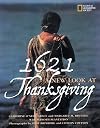
While this book does offer a new look at Thanksgiving as the subtitle promises, it's more a brief history of the interactions between the English and Wampanoag in what is now Massachusetts. Illustrated with photos from Plimoth Plantation, it's also a bit of an ad for the historic park. Other books offer more detail, but this is a good starting point for young readers.
This picture book was put together by the Plimouth Plantation living history museum and consists of long informative text blocks--about the Wampanoag people, the English settlers at what they called Plymouth, and the three-day feast shared by both cultures that forms part of the basis for the American mythology around the Thanksgiving holiday--and photographs of a re-enactment of that three-day feast put on by the museum in the fall of 2000. Fascinating and informative book.
This book is an extremely illustrated picture book that gives a more measured, stable, and historically correct version of what we know to be the Thanksgiving feast. There’s about five chapters of background information on the Wampanoag Indians, on colonization, diplomacy between Indians and settlers, the harvest of 1621, and the evolution of the Thanksgiving story. After, we get a more realistic account of what the celebration was really like. The reader gets a great view of the Wampanoag show more side of the story as well. There’s great illustrative accompaniment of reenactments to aid the author’s argument. Though we see with this book that the Thanksgiving story most frequently told is closer to fiction than fact, the book does not detract from the historical importance of the holiday. I would not show this book to anyone younger than high school age; I’m afraid that if I did, it would be like telling a third grader there’s no such thing as Santa Clause or the Tooth Fairy. I, personally, liked this book, but because it borderline’s controversy, it must be taken into careful consideration what age is appropriate. This story would make for a great debate topic in high school as well. show less
Lists
Awards


You May Also Like


Associated Authors
Statistics
- Works
- 18
- Also by
- 1
- Members
- 2,192
- Popularity
- #11,705
- Rating
- 3.7
- Reviews
- 34
- ISBNs
- 51
- Languages
- 1