
Cookie Mueller (1949–1989)
Author of Walking Through Clear Water in a Pool Painted Black
About the Author
Image credit: Courtesy of Serpent's Tail Press
Works by Cookie Mueller
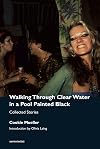
Walking Through Clear Water in a Pool Painted Black, New Edition: Collected Stories (2022) 126 copies, 1 review
Drugs 2 copies
Associated Works
Tagged
Common Knowledge
- Canonical name
- Mueller, Cookie
- Legal name
- Mueller, Dorothy Karen
- Birthdate
- 1949-03-04
- Date of death
- 1989-11-10
- Gender
- female
- Occupations
- actor
- Relationships
- Waters, John (friend)
Goldin, Nan (friend)
Scarpati, Vittorio (husband) - Cause of death
- AIDS-related pneumonia
- Nationality
- USA
- Birthplace
- Baltimore, Maryland, USA
- Place of death
- New York, New York, USA
- Associated Place (for map)
- USA
Members
Reviews
Walking Through Clear Water in a Pool Painted Black, new edition: Collected Stories (Semiotext(e) / Native Agents) by Cookie Mueller
Our problem is that we are all alone in the cruelest of cruel societies with no one we love and trust absolutely. … All we really need is bread, water, love, and work that we enjoy and are good at, and an undying faith in and love of ourselves, our freedom, and our dignity. [A Last Letter, pg.424, from Gordon’s letter]
I ordered this one after her writing was suggested by John Waters in his book Shock Value: A Tasteful Book about Bad Taste. I was not disappointed. The first two-thirds of show more the book consist mostly of memoir and autobiographical-type essays and articles, which I enjoyed immensely. I took extra time to read it (that's why it took so long to read this one). The middle third is fiction, with some autobiographical elements, the writing style which reminded me almost of Ed Wood’s style of writing, just not as bad. Maybe it was just the plainness of the prose when she’s not romanticizing, and even then, her prose is very plain and unadorned (no offense intended, btw). Part 5 of the book, which has its chapters (essays, stories, etc.) arranged into six sections, putting her oeuvre into a sort of chronological order, was my least favorite.
This section (part 5) is drawn from her magazine columns. Don’t get me wrong, there’s still some gold (nuggets) here, but for the most part, I hated most of it. It was a solid clump of boomer new-age pseudoscience advice concerning herbs, extracts, and quick answers for difficult medical problems. Granted, these were mostly from the late 1980s, but there’s a lot of crap in here that was already known to be snake oil even then, but I digress. I enjoyed the last bit, Part 6, quite a bit as well, and ending on her dying friend’s letter was poignant but a real downer.
Grammar perfect, with spelling much better than mine, he finally found a way to write down the words to the songs he’d made up. He found out he’d been a poet all along, and found too, while consuming a book a day, that he was looking into a new world, and he responded to it like a man who’d been dying of thirst. [The Pig Farm, pg.54]
Amongst my favorite bits of her work are Haight Ashbury – San Francisco (this is the wildest memoir in here, highly recommended), John Waters and the Blessed Profession (just because), Route 95 South – Baltimore to Orlando (this one has good, sharp environmental details – really strong I liked it), Tattooed Friends (just dig it, reminds me of my mom’s friends when I was little, they were similar in age to the author), Jamaica – 1975 (this might be my favorite in this book though it’s neck-and-neck with Haight Ashbury), Go-Going – New York & New Jersey (really interesting glimpse into the go-go dancing world of NY and a disturbing encounter with a probably serial killer), Edgar Allen Poe on Ice (reminded me of a few people I’ve met and almost worked with), Another Boring Day (low key but I dig it), Narcotics (good – truth in the ending drawn from the many junkies I used to know in my younger and more reckless days), One Percent, and November 1988, and especially Ronnie Roach (much of what she talks about here is definitely applicable to the current fascist Republicans in office – without Ronald Reagan there is no Trump).
Here are a few quotes that stood out to me:
To this day I can’t figure out why we looked so odd to them. What did they see when they looked at their own outfits in their full-length mirrors? [Abduction & Rape – Highway 31, Elkton, Mayland. pg. 73] She’s referring to what she describes as the strange “petroleum fashions” of the day.
“I’m going to ask Jesus to help me on this one. Come on, sweet Jesus, help me get a hard-on. Come on.” [Abduction & Rape – Highway 31, Elkton, Mayland. pg. 80] This is the dialogue of a hick praying to Jesus to grant him an erection so that he can commit rape against Cookie Mueller – not to be cheeky, but this absolutely reminds me of current-day Republicans.
I did enjoy this book and would recommend it, especially if you like reading memoirs, but with the caveats mentioned earlier about part five.
Things are never so bleak and threatening as we believe. [August 1989, pg.407] show less
I ordered this one after her writing was suggested by John Waters in his book Shock Value: A Tasteful Book about Bad Taste. I was not disappointed. The first two-thirds of show more the book consist mostly of memoir and autobiographical-type essays and articles, which I enjoyed immensely. I took extra time to read it (that's why it took so long to read this one). The middle third is fiction, with some autobiographical elements, the writing style which reminded me almost of Ed Wood’s style of writing, just not as bad. Maybe it was just the plainness of the prose when she’s not romanticizing, and even then, her prose is very plain and unadorned (no offense intended, btw). Part 5 of the book, which has its chapters (essays, stories, etc.) arranged into six sections, putting her oeuvre into a sort of chronological order, was my least favorite.
This section (part 5) is drawn from her magazine columns. Don’t get me wrong, there’s still some gold (nuggets) here, but for the most part, I hated most of it. It was a solid clump of boomer new-age pseudoscience advice concerning herbs, extracts, and quick answers for difficult medical problems. Granted, these were mostly from the late 1980s, but there’s a lot of crap in here that was already known to be snake oil even then, but I digress. I enjoyed the last bit, Part 6, quite a bit as well, and ending on her dying friend’s letter was poignant but a real downer.
Grammar perfect, with spelling much better than mine, he finally found a way to write down the words to the songs he’d made up. He found out he’d been a poet all along, and found too, while consuming a book a day, that he was looking into a new world, and he responded to it like a man who’d been dying of thirst. [The Pig Farm, pg.54]
Amongst my favorite bits of her work are Haight Ashbury – San Francisco (this is the wildest memoir in here, highly recommended), John Waters and the Blessed Profession (just because), Route 95 South – Baltimore to Orlando (this one has good, sharp environmental details – really strong I liked it), Tattooed Friends (just dig it, reminds me of my mom’s friends when I was little, they were similar in age to the author), Jamaica – 1975 (this might be my favorite in this book though it’s neck-and-neck with Haight Ashbury), Go-Going – New York & New Jersey (really interesting glimpse into the go-go dancing world of NY and a disturbing encounter with a probably serial killer), Edgar Allen Poe on Ice (reminded me of a few people I’ve met and almost worked with), Another Boring Day (low key but I dig it), Narcotics (good – truth in the ending drawn from the many junkies I used to know in my younger and more reckless days), One Percent, and November 1988, and especially Ronnie Roach (much of what she talks about here is definitely applicable to the current fascist Republicans in office – without Ronald Reagan there is no Trump).
Here are a few quotes that stood out to me:
To this day I can’t figure out why we looked so odd to them. What did they see when they looked at their own outfits in their full-length mirrors? [Abduction & Rape – Highway 31, Elkton, Mayland. pg. 73] She’s referring to what she describes as the strange “petroleum fashions” of the day.
“I’m going to ask Jesus to help me on this one. Come on, sweet Jesus, help me get a hard-on. Come on.” [Abduction & Rape – Highway 31, Elkton, Mayland. pg. 80] This is the dialogue of a hick praying to Jesus to grant him an erection so that he can commit rape against Cookie Mueller – not to be cheeky, but this absolutely reminds me of current-day Republicans.
I did enjoy this book and would recommend it, especially if you like reading memoirs, but with the caveats mentioned earlier about part five.
Things are never so bleak and threatening as we believe. [August 1989, pg.407] show less
I read the first story of this book in a Mission bookstore. Shoulda bought it right then and there, but decided instead to wait until almost a month later, when I ordered it on Amazon, got it in the mail four days later, and turned the last page one day after that. This is the kind of book whose glaringly obvious spelling and grammar mistakes (e.g., its) only contribute to its ability to sort of re-set your brain's reading style and wash your mind with a spray of cold water.
I appreciated -- show more in fact, felt inspired by -- Cookie's lavishly dégagé attitude toward life. Hers is the kind of nonchalant style of describing ridiculous events that lesser writers, like myself, try to emulate but fail to even touch. She treats rape in several points in the book as a kind of fact of life -- something awful, yes, but also as something she can exploit to turn the tables on her rapists and abuse them in the best way she possibly could: through her writing, with sharp, eviscerating humor. The story of her road trip abduction in the South was the best one, and the funniest one, in my opinion. Overall, Cookie was empowered, drunk with empowerment even. It's upsetting how young she died.
I wish the book was longer, and meatier. It went by too quickly, and I wish she'd dug deeper into some philosophical theme. I want to read a novel by her. show less
I appreciated -- show more in fact, felt inspired by -- Cookie's lavishly dégagé attitude toward life. Hers is the kind of nonchalant style of describing ridiculous events that lesser writers, like myself, try to emulate but fail to even touch. She treats rape in several points in the book as a kind of fact of life -- something awful, yes, but also as something she can exploit to turn the tables on her rapists and abuse them in the best way she possibly could: through her writing, with sharp, eviscerating humor. The story of her road trip abduction in the South was the best one, and the funniest one, in my opinion. Overall, Cookie was empowered, drunk with empowerment even. It's upsetting how young she died.
I wish the book was longer, and meatier. It went by too quickly, and I wish she'd dug deeper into some philosophical theme. I want to read a novel by her. show less
Autobiographical recollections from Cookie Mueller - who's most known for being in John Waters' early movies. As a Baltimorean, I was glad to read these stories (even though not all of them take place in B-More). As someone who loves Waters' earlier 16mm films, I was glad to read reminiscences of Mueller making "Pink Flamingoes", eg. In the chapter about that she wrote:
"Making low budget films is work, but it's fun, it's more than working in big budget films. If you're an actor, there is show more nothing more rewarding, despite the meager pay. On small films you get to know the whole cast and crew in a day, and all of these people are much more inventive because of the limited budget; they create effects that wouldn't have been born if there was more money. Necessity is the mother of invention; this is true. John is a master at this, his imagination runneth over."
What I most remember about this is Mueller's vivid description of someone ODing on heroin at a party & people's desperate attempts to successfuly save their life. After bringing them back from near-death, the person wanted to shoot more heroin. Or something like that. Mueller died in 1989 of AIDS. Too bad, she was an excellent social observor, another sterling example of a working class intellectual, someone who cd write incisively about some truly miserable shit. show less
"Making low budget films is work, but it's fun, it's more than working in big budget films. If you're an actor, there is show more nothing more rewarding, despite the meager pay. On small films you get to know the whole cast and crew in a day, and all of these people are much more inventive because of the limited budget; they create effects that wouldn't have been born if there was more money. Necessity is the mother of invention; this is true. John is a master at this, his imagination runneth over."
What I most remember about this is Mueller's vivid description of someone ODing on heroin at a party & people's desperate attempts to successfuly save their life. After bringing them back from near-death, the person wanted to shoot more heroin. Or something like that. Mueller died in 1989 of AIDS. Too bad, she was an excellent social observor, another sterling example of a working class intellectual, someone who cd write incisively about some truly miserable shit. show less
One of my all-time favourites; hip, funny, sad and ultimately uplifting view of life in the art underground
Awards


You May Also Like


Associated Authors
Statistics
- Works
- 12
- Also by
- 10
- Members
- 429
- Popularity
- #56,933
- Rating
- 4.2
- Reviews
- 5
- ISBNs
- 22
- Languages
- 3
- Favorited
- 1