
Joan Dash
Author of We Shall Not Be Moved: The Women's Factory Strike of 1909
Works by Joan Dash
Tagged
Common Knowledge
- Other names
- Zeiger, Joan
- Birthdate
- 1925-07-18
- Gender
- female
- Nationality
- USA
- Associated Place (for map)
- USA
Members
Reviews

For an adult, this book is somewhat simplistic, but it's an appropriate read for preteens/teenagers. As of this date, 2019, this book is somewhat dated as it was published in around 1990 or 1991, but it's still relevant and makes me grateful to be a woman of today's age, instead of being in the generation of the women of this book who had to deal with a huge amount of misogyny and the disadvantage of being a female before feminism, especially in such a male-dominated field like science.
If show more anything, this book is a better teacher about that, than actual science. Overall a pretty interesting if somewhat light read, but again, this book is for a bit of a younger audience. show less
If show more anything, this book is a better teacher about that, than actual science. Overall a pretty interesting if somewhat light read, but again, this book is for a bit of a younger audience. show less
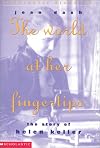
This book is suggested for readers aged 10 and up, although I would argue that it is more appropriate for slightly older readers or readers with superior reading skills. This biography of the remarkable Helen Keller is filled with vocabulary words and socio-political concepts that will be unfamiliar to the majority of 10 year olds. Nevertheless, Helen Keller's story is inspiring and has continuing relevance today. Dash's coverage of Keller's life is unsentimental without being critical. Dash show more doesn't fail to mention the less popular aspects of the lives of Helen Keller and her teacher, Annie Sullivan: Keller's unpopular political views are covered in the book, as are the early plagiarism scandal and Annie Sullivan's notorious temper. These aspects of Keller's life are not given more importance than they warrant, however, and Dash never fails to give Keller credit for her remarkable achievements. Keller's incredible life makes this book worth reading, but its advanced vocabulary and references to unfamiliar political events could make this challenging reading in lower grades. This should be considered when suggesting the book. show less
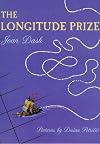
I had a hard time getting into The Longitude Prize, perhaps in part because I was expecting more history and less science. However, after about 20 or 30 pages, I did get invested in the story and was more interested in the book. Basically, this nonfiction book covers the 18th century attempts to accurately determine longitude while at sea, partly to provide safety to sailing vessels and partly for the person who accomplished this to win Britain’s monetary prize to the tune of about $12 show more million in today’s U.S. currency. A major part of the book is about the efforts of John Harrison and his son William to create a clock that would remain accurate over long sea voyages. One problem I had with this book was its lack of focus. As I mentioned already, it is part history and part science, although it is also to some degree a biography of John Harrison. The book covers a lot of ground, and I’m afraid that some of the content is perhaps too technical for its intended audience of child readers. I also found the ridiculous pictures an absurd addition to a book that is otherwise very somber in tone. However, I did enjoy that the book covered a subject I otherwise didn’t know much about, and I imagine that could appeal to others as well. show less

Um. If I had read this _before_ Longitude, I think I would have liked it better. This is definitely a children's book - she tries desperately to derive human interest from the scanty data available. The data presented is essentially identical to what was in Longitude, except that this book skims over the technical aspects and tries to present the people available. Unfortunately there's very little data on the people, so it comes off as highly superficial. Of course I'm enough of a geek that show more I greatly enjoyed the technical aspects covered in Longitude and found the skimming annoying in this book. Again, reading them the other way around - first this intro to the situation with discussion of the people involved, then the deeper technical presentation - would probably have made both books far more interesting. In this order, Longitude was good and The Longitude Prize is too superficial to be interesting (to me). show less
Lists
Awards


You May Also Like


Associated Authors
Statistics
- Works
- 8
- Members
- 1,009
- Popularity
- #25,560
- Rating
- 3.6
- Reviews
- 14
- ISBNs
- 21
- Languages
- 2