
Anthony Gilbert (1899–1973)
Author of Portrait of a Murderer
About the Author
Anthony Gilbert, the pseudonym of Lucy Beatrice Malleson (1899-1973), is remembered for the creation of Arthur Crook, who unlike aristocratic sleuths like Lord Peter Wimsey and Albert Campion is earthy and occasionally (as editor John Cooper says) "outrageously cheeky," with a sensitivity for the show more down-and-outers who are caught up in crime. Beginning in 1936, Gilbert wrote more than 50 novels featuring Arthur Crook, a London lawyer who spends as much time in pubs as in his office, and who goes to outlandish, and not always legal, lengths to clear his clients. Sequel to Murder: The Cases of Arthur Crook and Other Mysteries includes all the Arthur Crook short cases, as well as a selection of Gilbert's other mystery stories. show less
Disambiguation Notice:
Anthony Gilbert is a pseudonym of Lucy Beatrice Malleson (1899 - 1973). She also wrote as J. Kilmeny Keith and Anne Meredith.
Series
Works by Anthony Gilbert
On Beholding a Rainbow 1 copy
O ARDIL DA VELHA DEMENTE 1 copy
Horseshoes for Luck 1 copy
Parodies, Puns & Pathos plus 1 copy
The unknown path 1 copy
Associated Works
Who Killed Father Christmas? and Other Seasonal Mysteries (2023) — Contributor — 76 copies, 2 reviews
Ellery Queen's murdercade: 23 stories from Ellery Queen's mystery magazine (Mystery annual ; 29) (1975) — Contributor — 25 copies
Ellery Queen's headliners; 20 stories from Ellery Queen's mystery magazine. (1972) — Contributor — 15 copies
Murder Comes to Eden | The Judge and His Hangman | A Question of Murder (1955) — Contributor — 9 copies
A Choice of Murders: 23 Stories by Members of the Mystery Writers of America (1958) — Contributor — 5 copies
Film Noir Classics III: My Name is Julia Ross / The Mob / Drive a Crooked Road / Tight Spot / The Burglar (2014) 4 copies
Murder With Mushrooms | Bank Job | A Nice Little Killing — Contributor — 1 copy
The Case of the Drowning Duck | Fear Comes to Chalfont | Mystery in the Woodshed — Contributor — 1 copy
More Work for the Undertaker | Spin Your Web Lady | The Innocent Bottle — Contributor — 1 copy
Tagged
Common Knowledge
- Canonical name
- Gilbert, Anthony
- Legal name
- Malleson, Lucy Beatrice
- Other names
- Keith, J. Kilmeny
Meredith, Anne
Malleson, Lucy
Gilbert, Anthony - Birthdate
- 1899-02-15
- Date of death
- 1973-12-09
- Gender
- female
- Education
- St. Paul's Girls' School, Hammersmith, London
- Occupations
- novelist
secretary
poet
crime writer
autobiographer - Organizations
- British Detection Club
Detection Club - Agent
- Curtis Brown
- Short biography
- Zie http://gadetection.pbworks.com
Anthony Gilbert was the pen name of Lucy Beatrice Malleson. She published 69 crime novels, 51 of which featured her best-known character, Arthur Crook, a London lawyer, who made his debut in 1936 in Murder By Experts. She also wrote other fiction as Anne Meredith and published one crime novel and her autobiography, Three-a-Penny (1940) under the Meredith name. Her mystery novel The Woman in Red was adapted into a 1945 film called "My Name is Julia Ross." - Nationality
- UK
- Birthplace
- Upper Norwood, London, Middlesex, England, UK
- Places of residence
- Upper Norwood, London, Middlesex, England, UK
- Disambiguation notice
- Anthony Gilbert is a pseudonym of Lucy Beatrice Malleson (1899 - 1973). She also wrote as J. Kilmeny Keith and Anne Meredith.
- Associated Place (for map)
- Upper Norwood, London, Middlesex, England, UK
Members
Reviews

I received a copy of this novel from the publisher via NetGalley.
This novel begins with a paragraph stating that Adrian Gray was murdered by one of his children, and, at the 20% mark, we learn which of the children it was. Although there is an intelligent gentleman police detective, we see little of him and he does not correctly identify the murderer. A lawyer, who is related to the family by marriage, is the one finally to put the pieces together and confront the culprit. We are introduced show more to each of Adrian's children and their respective spouses in the opening chapters (which are excellent), but they mostly fade out during the second half of the story, as the focus shifts to the murderer and whether the crime was in some way excusable.
I have read other reviews which suggest that the reader feels sympathy for the murderer - I did not. While I thought the author did a good job in explaining
SPOILERS
his emotions and motivations, these did not serve to enlist my compassion. I found his attitude to and behaviour towards his wife and children unforgivable. Being capable of creating a work of art does not make a man "noble" or "great", and certainly not worth protecting from the consequences of his actions. It is perhaps indicative of the era in which this novel was written that the man he is intending should hang in his place is a Jewish financier who has swindled hundreds of people out of their life savings.
Nevertheless, well written and engrossing. show less
This novel begins with a paragraph stating that Adrian Gray was murdered by one of his children, and, at the 20% mark, we learn which of the children it was. Although there is an intelligent gentleman police detective, we see little of him and he does not correctly identify the murderer. A lawyer, who is related to the family by marriage, is the one finally to put the pieces together and confront the culprit. We are introduced show more to each of Adrian's children and their respective spouses in the opening chapters (which are excellent), but they mostly fade out during the second half of the story, as the focus shifts to the murderer and whether the crime was in some way excusable.
I have read other reviews which suggest that the reader feels sympathy for the murderer - I did not. While I thought the author did a good job in explaining
SPOILERS
his emotions and motivations, these did not serve to enlist my compassion. I found his attitude to and behaviour towards his wife and children unforgivable. Being capable of creating a work of art does not make a man "noble" or "great", and certainly not worth protecting from the consequences of his actions. It is perhaps indicative of the era in which this novel was written that the man he is intending should hang in his place is a Jewish financier who has swindled hundreds of people out of their life savings.
Nevertheless, well written and engrossing. show less
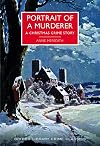
The crime was instantaneous and unpremeditated, and the murderer was left staring from the weapon on the table to the dead man in the shadow of the tapestry curtains, not apprehensive, not yet afraid, but incredulous and dumb.
This is not a spoiler. This is the start of the book.
Unlike other murder mysteries, the book starts with the murder and even shows us who the murderer is. The suspense element in this story is based on whether the murderer gets caught in the story.
In a way, this was a show more lot like an episode of Columbo, where we also see the solution to the murder mystery at the start of the episode, then watch Columbo drive the murder nuts with questions until they trip up in their own web of lies.
Unlike in Columbo, there is no clever detective driving the murder to confession, and instead we, the readers, are fully relying on the Gray family to find out the truth. Unfortunately, most of the family are rather unlikable.
“A charming family débâcle,” Olivia agreed.
“Well, you must acknowledge this, Eustace. We do do things thoroughly; no skulking in odd corners for the Grays, once they get started.”
And yet! I really enjoyed this book. It took a while to get the story going and to get used to the characters and structure of the story, but there is something incredible thrilling in watching this train wreck and hoping that someone will slam on the brakes before an innocent person is hanged. show less
This is not a spoiler. This is the start of the book.
Unlike other murder mysteries, the book starts with the murder and even shows us who the murderer is. The suspense element in this story is based on whether the murderer gets caught in the story.
In a way, this was a show more lot like an episode of Columbo, where we also see the solution to the murder mystery at the start of the episode, then watch Columbo drive the murder nuts with questions until they trip up in their own web of lies.
Unlike in Columbo, there is no clever detective driving the murder to confession, and instead we, the readers, are fully relying on the Gray family to find out the truth. Unfortunately, most of the family are rather unlikable.
“A charming family débâcle,” Olivia agreed.
“Well, you must acknowledge this, Eustace. We do do things thoroughly; no skulking in odd corners for the Grays, once they get started.”
And yet! I really enjoyed this book. It took a while to get the story going and to get used to the characters and structure of the story, but there is something incredible thrilling in watching this train wreck and hoping that someone will slam on the brakes before an innocent person is hanged. show less
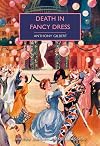
Death in Fancy Dress (1933) took me most of the week to finish, partly because I had little time to read in the evenings, and partly because I very much enjoyed spending time in the story and with the characters.
This was not my first book by the author, but it was my first one written under the Anthony Gilbert pen name. Lucy Malleson also wrote under the name Anne Meredith and her book Portrait of a Murderer was one of my reading highlights in the run-up to Christmas in 2018. It was an odd show more story in some ways, but I really, really liked it. The reveal and conclusion felt a little abrupt, but I loved the setup and the underlying story, and most of the characters.
I felt there was a John Dickson Carr feel to the story, but it was executed so much better than anything I have read by Carr. I also loved that parts of the story reminded me of a favourite Sherlock Holmes story involving a master criminal of the worst kind, and I do not mean Moriarty. However, to say more would be a spoiler.
There was also something that puzzled me about the writing: Tony and Jeremy, the two main characters who could have walked in right out of a Wodehouse novel, had some very odd ideas about women, and for parts of the story it was really confusing me that a woman writer using a male pen name wrote some dialogues which have male characters talk in stereotypes about women. It was just really, really odd. Mind you, the male characters in question are also stereotypes.
The book redeemed itself, tho. There is a female main character, Hilary, who cracked me up. She was a delight to read about and, even more, to follow in dialogues with other characters. For example, her interview with the coroner made me laugh out loud :
“You were on intimate terms, I think, with Sir Ralph Feltham?” he began without preamble.
“He was my cousin.”
“And there were times when you contemplated marrying him?”
Hilary said sweetly, “There are times when one contemplates marrying anything, one’s so bored.”
“But he was in earnest, even if you were not.”
“Of course he was. Men are.”
“And ladies are usually flippant?”
“I don’t know about that. It depends on how keen they are, I suppose. But it stands to reason a man doesn’t talk about getting married unless he’s serious, because he might be taken seriously, and think what fix he’s be in then.”
I already look forward to reading more by Anthony Gilbert. show less
This was not my first book by the author, but it was my first one written under the Anthony Gilbert pen name. Lucy Malleson also wrote under the name Anne Meredith and her book Portrait of a Murderer was one of my reading highlights in the run-up to Christmas in 2018. It was an odd show more story in some ways, but I really, really liked it. The reveal and conclusion felt a little abrupt, but I loved the setup and the underlying story, and most of the characters.
I felt there was a John Dickson Carr feel to the story, but it was executed so much better than anything I have read by Carr. I also loved that parts of the story reminded me of a favourite Sherlock Holmes story involving a master criminal of the worst kind, and I do not mean Moriarty. However, to say more would be a spoiler.
There was also something that puzzled me about the writing: Tony and Jeremy, the two main characters who could have walked in right out of a Wodehouse novel, had some very odd ideas about women, and for parts of the story it was really confusing me that a woman writer using a male pen name wrote some dialogues which have male characters talk in stereotypes about women. It was just really, really odd. Mind you, the male characters in question are also stereotypes.
The book redeemed itself, tho. There is a female main character, Hilary, who cracked me up. She was a delight to read about and, even more, to follow in dialogues with other characters. For example, her interview with the coroner made me laugh out loud :
“You were on intimate terms, I think, with Sir Ralph Feltham?” he began without preamble.
“He was my cousin.”
“And there were times when you contemplated marrying him?”
Hilary said sweetly, “There are times when one contemplates marrying anything, one’s so bored.”
“But he was in earnest, even if you were not.”
“Of course he was. Men are.”
“And ladies are usually flippant?”
“I don’t know about that. It depends on how keen they are, I suppose. But it stands to reason a man doesn’t talk about getting married unless he’s serious, because he might be taken seriously, and think what fix he’s be in then.”
I already look forward to reading more by Anthony Gilbert. show less
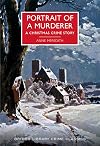
Not your typical whodunnit.
The identity of the murderer is revealed early in the book, and the remaining story recounts the events after the crime, and the unrevelling of the alibi.
This is a clever story, and it is clear why members of The Detection Club lavished high praise on it, but...
...it took perseverance to get through the book. It felt unnecessarily long-winded, and, to be honest lacked the engagement and interest that comes with trying to figure out who the murderer is.
I do find show more myself a little conflicted: on the one hand I feel considerable respect for the intellectual exercise, on the other it just wasn't very interesting.
It is possible that the lack of interest stems from the fact that almost all of the characters are just hideous apologies for human beings, with no redeeming qualities at all, and as a result I couldn't care less what happens to them. It could be that the book is now nearly a century old, and different attitudes prevail. As the story progressed I was increasingly impressed by the notion that wecare supposed to actually have some degree of sympathy for Hildebrand Gale, the oppressed artist struggling to deal with his own life choices. In the bohemian world of the 1930's British artistic scene it seems entirely reasonable that such a self-absorbed man - unable to give air to his 'overwhelming' artistic urges could be seen as a sympathetic, and tortured individual. There were plenty of men around in that era playing the card of misunderstood, shackled geniuses trying to throw off the yoke societal expectation as an excuse to just do whatever wanted. Which often seemed to involve absolute self-indulgence and treating everyone else like trash.
It's an attitudecthat has neen so completely inverted that it seems - to the modern eye - to be an impossible circumstance. And even more impossibly, an acceptable and widely understood justification for the kind of behaviour presented in this story.
Read in the context of the time it was written it possibly becomes more of a tale of an unravelling. But I still find myself feeling it is best viewed as an intellectual exercise, and approached as such. show less
The identity of the murderer is revealed early in the book, and the remaining story recounts the events after the crime, and the unrevelling of the alibi.
This is a clever story, and it is clear why members of The Detection Club lavished high praise on it, but...
...it took perseverance to get through the book. It felt unnecessarily long-winded, and, to be honest lacked the engagement and interest that comes with trying to figure out who the murderer is.
I do find show more myself a little conflicted: on the one hand I feel considerable respect for the intellectual exercise, on the other it just wasn't very interesting.
It is possible that the lack of interest stems from the fact that almost all of the characters are just hideous apologies for human beings, with no redeeming qualities at all, and as a result I couldn't care less what happens to them. It could be that the book is now nearly a century old, and different attitudes prevail. As the story progressed I was increasingly impressed by the notion that wecare supposed to actually have some degree of sympathy for Hildebrand Gale, the oppressed artist struggling to deal with his own life choices. In the bohemian world of the 1930's British artistic scene it seems entirely reasonable that such a self-absorbed man - unable to give air to his 'overwhelming' artistic urges could be seen as a sympathetic, and tortured individual. There were plenty of men around in that era playing the card of misunderstood, shackled geniuses trying to throw off the yoke societal expectation as an excuse to just do whatever wanted. Which often seemed to involve absolute self-indulgence and treating everyone else like trash.
It's an attitudecthat has neen so completely inverted that it seems - to the modern eye - to be an impossible circumstance. And even more impossibly, an acceptable and widely understood justification for the kind of behaviour presented in this story.
Read in the context of the time it was written it possibly becomes more of a tale of an unravelling. But I still find myself feeling it is best viewed as an intellectual exercise, and approached as such. show less
Lists
Awards

You May Also Like


Associated Authors
Statistics
- Works
- 96
- Also by
- 61
- Members
- 1,274
- Popularity
- #20,132
- Rating
- 3.5
- Reviews
- 27
- ISBNs
- 213
- Languages
- 6