
Ken Follett
Author of The Pillars of the Earth
About the Author
Ken Follett was born in Wales, United Kingdom on June 5, 1949. He received an Honours degree in philosophy from University College, London. He began his career as a newspaper reporter for the South Wales Echo and later with the London Evening News. He decided to switch to publishing and worked for show more a small London publishing house, Everest Books, eventually becoming Deputy Managing Director. His first bestselling novel, Eye of the Needle, was published in 1978 and won the Edgar Award. His other works include Triple, The Key to Rebecca, The Man from St. Petersburg, Lay Down with Lions, The Pillars of the Earth, The Third Twin, The Hammer of Eden, Code to Zero, Whiteout, World Without End, The Century Trilogy, and A Column of Fire. Many of his novels have been adapted into films and television miniseries. He has won numerous awards including the Corine Prize in 2003 for Jackdaws. His nonfiction works include On Wings of Eagles. (Bowker Author Biography) show less
Disambiguation Notice:
Ken Follett has written under several pen names, including Martin Martinsen, Simon Myles, Bernard L. Ross, Zachary Stone.
Image credit: Ken Follett, le 15 octobre 2015
Series
Works by Ken Follett
Ken Follett The Kingsbridge Novels Stories Collection 3 Books Set (The Pillars of the Earth, World Without End, A Column of Fire) (2018) 20 copies
Reader's Digest: Missions into Danger: Code to Zero / Eye of the Needle / Lie Down with Lions / The Hammer of Eden (2007) 11 copies
On Wings of Eagles 11 copies
[unidentified works] 5 copies
Die Säulen der Erde - Das Feuer Gottes: Graphic Novel nach Ken Folletts Weltbestseller (»Die Säulen der Erde« als Graphic Novel, Band 2) (2025) 5 copies
Um Mundo Sem Fim - Volume I 3 copies
O CÍRCULO DOS DIAS 3 copies
Readers Digest Select Editions: The Empty Chair / The Other Side of the Dale / Code to Zero / Nora, Nora (2003) — Author — 2 copies
Ken Follett Collection 3 Books Set, (Codeto Zero, Eye of the Needle and A Place called freedom) (2013) 2 copies
Livros Condensados: Perigo Biológico | O Verão da Minha Ousadia | O Pianista | Que Natal! (2005) — Author — 2 copies
Päivien piiri 2 copies
Os filhos do ℗Eden 2 copies
A Place Called Freedom/The Third Twin/Hammer of Eden (The Ken Follett Value Collection) (2000) 2 copies
Pillars Of The Earth The 2 copies
Trilogía The Century (edición pack con: La caída de los gigantes | El invierno del mundo | El umbral de la eternidad) (2021) 2 copies
De naald 1 copy
Jordens sj̜ler 2 1 copy
5 Ken Follett Books--Lie Down with Lions ,The Third Twin,The Man from St. Petersburg,Hornet Flight,The Hammer of Eden (1986) 1 copy
Jordens sj̜ler 1 1 copy
De heren van de 16 juli 1 copy
SHTYLLAT E TOKËS 1 copy
Fu sera e fu mattina 1 copy
De man van Sint Petersburg 1 copy
De piraat 1 copy
O esc©andalo Modigliani 1 copy
triângulo 1 copy
Voo para a liberdade (83) 1 copy
The Art of Suspence 1 copy
Ken Follett Collection 1 copy
I giorni dell'eternita 1 copy
Die Säulen der Erde / Die Tore der Welt: Schuberausgabe.: Doppelschuberausgabe. Bearbeitete Fassung 1 copy
Trilogía Los pilares de la Tierra (pack con Los pilares de la Tierra | Un mundo sin fin | Una columna de fuego) (Best Seller) (2020) 1 copy
O voo da águia 1 copy
Klucz do Rebeki 1 copy
La grande rapina al treno 1 copy
Pillars of the Earch 1 copy
The Edge of eternity 1 copy
Associated Works
Reader's Digest Condensed Books 1997 v02: The Third Twin / Small Town Girl / To the Hilt / The Burning Man (1997) — Author — 69 copies
Reader's Digest Condensed Books 1994 v03: A Dangerous Fortune / The Select / Rivers of Gold / Hardscape (1994) 56 copies
Reader's Digest Select Editions 1999 v03 #243: The Hammer of Eden / Welcome to the World, Baby Girl! / Stonewall's Gold / River's End (1999) — Contributor — 48 copies, 1 review
Reader's Digest Select Editions 2001 v01 #253: The Rescue / Even Steven / My Mother's Daughter / Code to Zero (2001) — Author — 41 copies
Reader's Digest Condensed Books 1986 v03: Lie Down with Lions / Tree of Gold / The Deep End / Cry Wild (1986) — Author — 39 copies
Reader's Digest Condensed Books 1996 v01: A Place Called Freedom / The Horse Whisperer / The Apocalypse Watch (1996) — Author — 38 copies, 1 review
Reader's Digest Condensed Books 1982 v03: The Man from St. Petersburg / Pioneer Women: Voices from the Kansas Frontier / No Escape / The Citadel (1982) — Author — 34 copies
Reader's Digest Condensed Books 1979 v01: Eye of the Needle / Orphan Train / Overload / A Dangerous Magic (1979) — Author — 32 copies
Reader's Digest Select Editions 2002 v02 #260: A Bend in the Road / The Woman Next Door / Jackdaws / Long Time No See (2002) — Author — 32 copies, 1 review
Reader's Digest Condensed Books 1980 v05: No Job for a Lady / The Key to Rebecca / The Old Neighborhood / A Piano for Mrs. Cimino / The Gold of Troy (1980) — Author — 27 copies
Reader's Digest Best Sellers 1978: Eye of the Needle | Orphan Train (1978) — Author — 21 copies, 1 review
Reader's Digest Select Editions 2003 v02 #266: Hornet Flight / Leaving Eden / Q is for Quarry / Nights in Rodanthe (2003) 20 copies
Readers Digest Condensed Books: A Dangerous Fortune • The Client • The Estuary Pilgrim • The Bear (1994) 16 copies
Reader's Digest Condensed Books: Jackdaws • The Smoke Jumper • Hostage • On the Street Where You Live (2001) — Author — 12 copies
Reader's Digest Condensed Books: Code to Zero • Winter Solstice • High Risk • Beneath the Skin (2000) — Author — 11 copies
Reader's Digest Select Editions: Whiteout | Paranoia | Rosie | Web of Deceit (2005) — Contributor — 10 copies, 1 review
Reader's Digest Condensed Books: The Hammer of Eden • A Sight for Sore Eyes • The Kremlin Device • Firebird (1998) — Contributor — 9 copies
Reader's Digest Condensed Books: Night over Water • Loves Music, Loves to Dance • Stormchild • The Darling Buds of May (1965) 7 copies
Reader's Digest Condensed Books: The Man from St Petersburg • Fever • Flash • Cold is the Sea (1982) — Author — 7 copies
Reader's Digest Auswahlbücher 157 - Die Löwen. Was weiß die Taube auf dem Dach von Liebe. Kaffern-Boy. Durch die Schneewüste (1988) — Contributor — 6 copies
Livros Condensados: Contagem Decrescente | Corações Em Silêncio | Explosão de Cristal | Notícias do Lago (2001) — Author — 5 copies
Reader's Digest Select Editions: The Last Juror | The Various Haunts of Men | The Codex | The Curious Incident of the Dog in the Night-Time (2004) — Author — 5 copies
Livros Condensados: O Martelo do Paraíso | És Minha | A Ilha Maldita | Amy e os Gansos Bravos (1999) — Author — 5 copies
Reader's Digest Condensed Books: Storm Island • Does She Know She's There? • The Storrington Papers • Flight to Landfall (1979) — Contributor — 5 copies
Reader's Digest Condensed Books: A Place Called Freedom / Icebound / Hidden Riches / The Magic Bullet (1995) — Contributor — 5 copies
Reader's Digest Condensed Books: Break In • The Two Farms • Cry Wild • Lie Down With Lions (1986) 5 copies
Reader's Digest Auswahlbücher 193 : Nacht über Wasser. Ärztin unter Anklage. Im Zeichen des Bären. Eine höllische Partie (1994) 5 copies
Reader's Digest Condensed Books: Hornet Flight • Year of Wonders • The Analyst • Unscathed (2003) — Contributor — 5 copies
Die Nadel. - Folch-Ribas, Jacques: Ein Nordlicht. - Godey, John: Der tödliche Biss. - Surminski, Arno: Kudenow (1980) 4 copies
Reader's Digest Auswahlbücher 201 : Die Pfeiler der Macht/ Schau Dich nicht um/ Wolfstage/ Virusjagd (1995) 4 copies
Livros Condensados: O Encantador de Cavalos | Justiça Local | Um Lugar Chamado Liberdade | O Gato que Gostava de Armários (1996) 4 copies
Reader's Digest Condensed Books: The Tigris Expedition • The Key to Rebecca • Horowitz and Mrs Washington • Bullet Train • The Last Enemy (1980) 4 copies
Reader's Digest Condensed Books: The Glass Cockpit • A Dangerous Fortune • The Wrong House • The Foundation (1995) 4 copies, 1 review
Livros Condensados: Voo Para a Liberdade | O Ano dos Cães | Os Milionários | A Última Promessa (2003) — Author — 4 copies
Det Bästas Bokval vol 183: Pengars onda makt / Hårda bud / Miraklet i öknen / Mrs Pollifax och den andra tjuven (1995) — Author — 3 copies
Livros Condensados: Gralhas | O Filho De Eddie | Faith Uma Mulher De Coragem | Diário Para O Meu Filho (2002) 3 copies
Reader's Digest Condensed Books: No Job for a Lady • The Key to Rebecca • Banners of Silk • The Tigris Expedition — Author — 3 copies
Mannen från S:T Petersburg / Sara Dane / Natt över dalen / Dopad — Author — 3 copies
Het Beste Boek 235: Sneeuwjacht / Wulffers en de zaak van de bloedverwanten / In de ochtend / Een gloedvolle Kerst 3 copies, 1 review
Válogatott könyvek 2001/5 Ken Follett - Visszaszámlálás; Rosamunde Pilcher - Téli napforduló; Michael Palmer - A beteg; Douglas Preston és Lincoln Child - Viharfelhő (2001) — Contributor — 2 copies
Reader's Digest Auswahlbücher, Bestseller-Sonderband - Das zweite Gedächtnis. Das schweigen des Glücks. Der Goldschmied (2002) — Author — 2 copies
Australian Reader's Digest Condensed Books: Lie Down with Lions / Julie / Congo / The Wild Children (1987) — Author — 2 copies
Het Beste Boek 98: Code: Rebecca / Spoel en spade / Zou ze weten dat ze leeft / Eenzame strijd — Contributor — 2 copies, 1 review
Reader's Digest Auswahlbücher 229 - Die Kinder von Eden. Frühstück zu viert. Der Schneefalke. Grössenwahn (2000) — Author — 2 copies
Het Beste Boek 157: Nachtvlucht / Scarlett / De Cock en de moord eerste Klasse (1992) 2 copies, 1 review
Reader's Digest Condensed Books: Triple • Jenny's Mountain • Seal Morning • The Churchill Diamonds (1989) 2 copies
Het Beste Boek 180: Vaders mooiste / De paardenfluisteraar / De vlam van de vrijheid / Mijn kleine wolven (1996) 2 copies, 1 review
De Cock en de romance in moord; Een vrouw in huis; De man van St. Petersburg; Jamie 2 copies, 1 review
Livros Condensados: Uma Fortuna Perigosa | O Rancheiro da Montanha | Tinta Vermelha | O Inverno do Pekan (1995) — Author — 2 copies
Reader's Digest Condensed Books: The Third Twin • Wilderness of Mirrors • The Notebook • Trading Reality (1997) — Author — 2 copies
Reader's Digest Auswahlbücher, Bestseller-Sonderband - Die Glasbläserin / Die Leopardin / Wenn Engel schweigen (2004) — Author — 2 copies
RDCBLP v069 Night Over Water | The Leader of the People | The Hands of Mr. Ottermole (1993) 2 copies
Het Beste Boek 128: Blokje om, hoekje om / Goeiemorgen Lora / Sporen naar de dood / Boom van goud (1987) 2 copies, 1 review
Kirjavaliot - Kohtalokas diagnoosi (Error of judgment ∙ The key to Rebecca ∙ Ring of bright water ∙ The Aviator) (1982) 2 copies
Reader's Digest Condensed Books: Night Over Water • Bygones • Search Dog • Doctor on Trial — Contributor — 2 copies
Det Bästas Bokval (1999) vol 204 : Den tredje tvillingen; Kvinnans plats; Toxin; Amy och vildgässen — Author — 2 copies
Code to Zero (K. Follett) / Envy (S. Brown) / Julie and Romeo (J. Ray) / The Other Side of Everest: Climbing the North Face Through the Killer Storm (M. Dickinson) — Author — 2 copies
Det Bästas Bokval (2003) vol 230: Svarta fåglar; Tallies bok; Låtas att du inte ser henne; Olovligt byte — Author — 2 copies
Det Bästas Bokval (1993) vol 173: Över mörka vatten; Kvinnan som liknade Greta Garbo; Skymningsskogen — Author — 2 copies
Tordenøglen - og andre historier fra fremmede verdener (1982) — Author, some editions — 2 copies, 1 review
Livros Condensados: A Chave de Rebeca | O Safari de Mrs. Pollifax | Um Dia Feliz | Malevil (1982) — Contributor — 2 copies
RDCBLP Lie Down with Lions / Red / The Storm — Author — 1 copy
Reader's Digest Auswahlbücher, Bestseller-Sonderband - Eisfieber / Der dunkle Spiegel / Das letzte Versprechen (2007) — Author — 1 copy
Marie Curie - L'uomo di Pietroburgo - "Piccolo albero" - A cuore aperto — Author — 1 copy
Livros Condensados: Noite Sobre a Água | Sara Dane | Condição Negra | A Torre de Marfim (1993) — Author — 1 copy
Het Beste Boek 197: De vuist van Eden / De weg terug / Vormfout / Vergiftigd (1999) 1 copy, 1 review
Reader's Digest Select Editions: Hammer of Eden / Coast Road / Exclusion Zone / The Sharp End (1999) — Author — 1 copy
Het Beste Boek 216: Codenaam torenkraai / Een hart van glas / Zoenoffer / Gijzeling 1 copy, 1 review
Hombres en conflicto : El ojo de la aguja : Sin novedad en el frente : El puente sobre el río Kwai — Contributor — 1 copy
Det Bästas Bokval (vol 2006) vol 248 : Dödlig strid; En röd liten fågel i juletid; Den osynliga terroristen; Marley och jag — Author — 1 copy
Reader's Digest Condensed Books: Tisha / Storm Island / The White Lions of Timbavati / A Dangerous Magic — Author — 1 copy
Reader's Digest Condensed Books: To the Hilt • The Outsider • The Third Twin • Moonlight Becomes You (1997) — Author — 1 copy
Appendici in giallo 1 — Contributor — 1 copy
Det Bästas Bokval (2005) vol 240 : Nattväktarna; Nätterna vid havet; Kodex; Damernas detektivbyrå — Author — 1 copy
Zabójcza pamięć | Kiedy byliśmy dorośli | Promień światła | Po omacku (Reader's Digest) (2002) — Author — 1 copy
Tagged
Common Knowledge
- Legal name
- Follett, Ken Martin
- Other names
- Martinsen, Martin
Myles, Simon
Ross, Bernard L.
Stone, Zachary - Birthdate
- 1949-06-05
- Gender
- male
- Education
- University College London (Philosophy)
Harrow Weald Grammar School
Poole Technical College - Occupations
- journalist
publisher
novelist - Organizations
- Labour Party (UK)
Plymouth Brethren - Awards and honors
- Fellow of University College, London (1994)
Royal Society of Arts (Fellow)
Olaguibel Prize, awarded by the Colegio Oficial de Arquitectos Vasco-Navarro for contributing to the promotion and awareness of architecture (2008)
Honorary Doctorate (DLitt | University of Glamorgan)
Honorary Doctorate (Letters | Saginaw Valley State University | 2007)
ITW Thrillermaster (2010) - Agent
- Al Zuckerman (Writers House)
Amy Berkower
Bob Booman - Short biography
- He was born on 5 June 1949 in Cardiff, Wales, the son of a tax inspector. He was educated at state schools and graduated from University College, London, with an Honours degree in philosophy. He was made a Fellow of the college in 1995.
He became a reporter, first with his home-town newspaper the South Wales Echo and later with the London Evening News. While working on the Evening News he wrote his first novel, which was published but did not become a bestseller. He then went to work for a small London publishing house, Everest Books, eventually becoming Deputy Managing Director. He continued to write novels in his spare time. Eye of the Needle was his eleventh book, and his first success. Around 100 million copies of his books have been sold worldwide. - Nationality
- UK
- Birthplace
- Cardiff, Wales, UK
- Places of residence
- London, England, UK
Cardiff, Wales, UK
Stevenage, Hertfordshire, England, UK - Map Location
- Wales, UK
- Disambiguation notice
- Ken Follett has written under several pen names, including Martin Martinsen, Simon Myles, Bernard L. Ross, Zachary Stone.
Members
Discussions
trilogy about cathedral building in Name that Book (November 2015)
*Group Read: World Without End by Ken Follett* General Thread in 75 Books Challenge for 2010 (January 2011)
Reviews
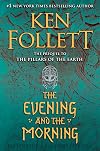
In the year 997, a young man called Edgar leaves his family home early one morning intending to elope with another man's wife. However, as he walks into town he spots an army of Viking raiders approaching from the sea and is powerless to save his lover and the population from disaster. Despondent he and his surviving family take up the offer of a farm inland where they try to eke out a living. Meanwhile Norman lady Ragnhild marries into a Saxon family, flying against the wishes of her father show more and a monk called Aldred seeks a way to build a library. The lives of these three characters become intertwined in an epic tale spanning 20 years.
This is a monster, brick of a book (913 pages) and after I'd bought it I wondered why on earth I had done so. This is not my usual thing at all and I thought it might take me weeks to read. How wrong I was. This is so well written and I was immediately sucked in and became totally immersed in it. Four days was all it took! Beyond the opening scenes of the Viking raid, the action is very subdued and the story meanders through the next two decades of the Dark Ages. That's not to say nothing is happening though and the book brilliantly captures the hard, basic and often disgusting lives of the ordinary people and the petty power struggles of the aspiring nobility. The big villain of the piece is Bishop Wynstan, who is an exquisitely evil creation who seems unstoppable until he meets a most gratifying (and amusing) downfall. show less
This is a monster, brick of a book (913 pages) and after I'd bought it I wondered why on earth I had done so. This is not my usual thing at all and I thought it might take me weeks to read. How wrong I was. This is so well written and I was immediately sucked in and became totally immersed in it. Four days was all it took! Beyond the opening scenes of the Viking raid, the action is very subdued and the story meanders through the next two decades of the Dark Ages. That's not to say nothing is happening though and the book brilliantly captures the hard, basic and often disgusting lives of the ordinary people and the petty power struggles of the aspiring nobility. The big villain of the piece is Bishop Wynstan, who is an exquisitely evil creation who seems unstoppable until he meets a most gratifying (and amusing) downfall. show less
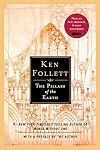
This book wrecked me. The characters are beaten down again and again and it seems impossible that the cathedral will ever be built, or even if it is worth it in the first place. It's brutal and graphic and depicts medieval life in vivid and often horrifying detail. It was often difficult to read.
When I finished it I felt relief more than anything. Relief that the characters would not have to suffer any longer, and sorrow that so many people lived similar lives throughout history. I was show more really struck by how similar its depictions of war, pillaging are poverty are to incidents I've read about in modern history and current times. It's very tragic, and there is little justice.
Yet the emotional devastation of this book is a testament to its quality. I will wait a while before reading its sequel however, considering how much this book took out of me. show less
When I finished it I felt relief more than anything. Relief that the characters would not have to suffer any longer, and sorrow that so many people lived similar lives throughout history. I was show more really struck by how similar its depictions of war, pillaging are poverty are to incidents I've read about in modern history and current times. It's very tragic, and there is little justice.
Yet the emotional devastation of this book is a testament to its quality. I will wait a while before reading its sequel however, considering how much this book took out of me. show less
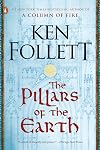
While I definitely enjoyed reading this book, I’m also of two minds about it. It’s good, solid historical fiction, well-researched, with a good cast of characters and an epic scope and through-line. Follett’s good at holding reader interest and excellent with pacing and tense scenes, and I was not only caught up with the emotions the characters were feeling, but able to feel sympathy even for the villains in places. I enjoyed seeing faith and Christianity play such a central role in show more the story too, and that there was a range of beliefs in God.
Follett’s also done a good job at weaving in bits of historical detail and trivia, such as different styles of architecture or the food on the table, that other writers might have passed over or taken the lazy route with, and an equally good job explaining why things were done as they were, and how certain stock features of medieval life, like town walls, came to be.
I also appreciated the underlying themes of the novel. Follett critiques power structures a lot—lord vs. peasant, man vs. woman, bishop vs. prior, king vs. subject—both saying to the reader “this is how it was” and having his characters strive against the system. There’s a lot about abuse of power and corruption, and the role of hatred, vendettas, and family honour in perverting and ruining lives. This comes out at times in a surprisingly feminist way, in that Follett’s women tend to call men out on bullshit and do their own thing, much more than the men call out each other. There is also a lot of nuance—nobody is always right or always wrong, and nobody
However, I hesitate to say that I learned anything from this, except maybe about how to build a cathedral, because, well, this isn’t a new book. What was current historical knowledge in the 1980s is not the knowledge now, and while Follett’s definitely done research into domestic life, it’s also pretty clear that he is/was more interested in the “male side” of the world (trades, feudalism, violence, etc.). I found myself pausing to reflect on other histories and medieval settings I’ve read, in a “but didn’t they say ______?” way. Follett isn’t wrong, but he’s not exactly right either.
And I also hesitate to call this a feminist or otherwise progressive novel because again, this was written in the 1980s. The male gaze is strong, and the men are pretty clear about owning women and being owed obedience. One of the villains gets off on rape. One of the things that made me pause was the age of the average bride. That said, one of the heroes is great about things like consent and female autonomy, and the woman who’s most objectified has agency, so … a mixed bag.
I’m actually glad I was warned about the maleness of the book going in, because it helped me see past it. (The last historical epic that did this stuff I ended up hating because the misogyny blindsided me.) Overall, I enjoyed the read and was kind of surprised that it took me two weeks because it really didn’t feel that long. I liked a lot about the book, and I liked the journey it took me on. A lot of the themes and characters resonated, and I’ve always been a fan of nuance. I don’t think I’ll keep reading the series because I know Follett’s style now and also the books are long, but I’m pretty happy to rec it to people as long as they know about the flaws.
To bear in mind: This was published in the late 1980s and as a result, the history and the views on gender and romance are about equally dated. Follett is clearly trying to be feminist, etc., but he does occasionally miss the mark. See: serial rapist villain, heroic women being gorgeous and villainous women being so “deformed” men can’t look at them, and other things in that vein. Also, it does the “Jews are moneylenders only” thing, has (called-out) brownface, and has a pretty accurate depiction of depression at one point.
5/10 (was probably about a 7 or 7.5 before the stuff in the warning) show less
Follett’s also done a good job at weaving in bits of historical detail and trivia, such as different styles of architecture or the food on the table, that other writers might have passed over or taken the lazy route with, and an equally good job explaining why things were done as they were, and how certain stock features of medieval life, like town walls, came to be.
I also appreciated the underlying themes of the novel. Follett critiques power structures a lot—lord vs. peasant, man vs. woman, bishop vs. prior, king vs. subject—both saying to the reader “this is how it was” and having his characters strive against the system. There’s a lot about abuse of power and corruption, and the role of hatred, vendettas, and family honour in perverting and ruining lives. This comes out at times in a surprisingly feminist way, in that Follett’s women tend to call men out on bullshit and do their own thing, much more than the men call out each other. There is also a lot of nuance—nobody is always right or always wrong, and nobody
However, I hesitate to say that I learned anything from this, except maybe about how to build a cathedral, because, well, this isn’t a new book. What was current historical knowledge in the 1980s is not the knowledge now, and while Follett’s definitely done research into domestic life, it’s also pretty clear that he is/was more interested in the “male side” of the world (trades, feudalism, violence, etc.). I found myself pausing to reflect on other histories and medieval settings I’ve read, in a “but didn’t they say ______?” way. Follett isn’t wrong, but he’s not exactly right either.
And I also hesitate to call this a feminist or otherwise progressive novel because again, this was written in the 1980s. The male gaze is strong, and the men are pretty clear about owning women and being owed obedience. One of the villains gets off on rape. One of the things that made me pause was the age of the average bride. That said, one of the heroes is great about things like consent and female autonomy, and the woman who’s most objectified has agency, so … a mixed bag.
I’m actually glad I was warned about the maleness of the book going in, because it helped me see past it. (The last historical epic that did this stuff I ended up hating because the misogyny blindsided me.) Overall, I enjoyed the read and was kind of surprised that it took me two weeks because it really didn’t feel that long. I liked a lot about the book, and I liked the journey it took me on. A lot of the themes and characters resonated, and I’ve always been a fan of nuance. I don’t think I’ll keep reading the series because I know Follett’s style now and also the books are long, but I’m pretty happy to rec it to people as long as they know about the flaws.
To bear in mind: This was published in the late 1980s and as a result, the history and the views on gender and romance are about equally dated. Follett is clearly trying to be feminist, etc., but he does occasionally miss the mark. See: serial rapist villain, heroic women being gorgeous and villainous women being so “deformed” men can’t look at them, and other things in that vein. Also, it does the “Jews are moneylenders only” thing, has (called-out) brownface, and has a pretty accurate depiction of depression at one point.
5/10 (was probably about a 7 or 7.5 before the stuff in the warning) show less
* Copy courtesy of Pan Macmillan *
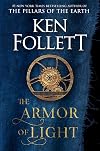
The Armour of Light by Ken Follett is a 700+ page novel, but if you're concerned it'll be a slow burn or you'll have to suffer through a slow start, fear not. As always, bestselling author Ken Follett drags the reader into the lives of his characters by the scruff of the neck, whether they've made the commitment to invest the requisite time with him or not.
But this is historical fiction I hear you cry, not a thriller. How does he do that? Well, how's this show more for an opening line?
"Until that day, Sal Clitheroe had never heard her husband scream." Page 3
Okay, I'm in! The opening line introduces us to Sal Clitheroe and we become immediately invested in her plight and that of her husband and family. It's 1792, the focus soon widens and we begin to meet more characters from a range of backgrounds from the town who will go on to tell this story. Some are friends, some are foes and they all have their faults, but together a relatable history of the period begins to form in the reader's mind.
Set in Kingsbridge, England during the Napoleonic Wars, I'll admit to being surprised at the date we pick up the thread again. I wanted to return to the moment soon after the events of The Evening and the Morning and the naming of Kingsbridge which gave me a very pleasant gasp of recognition that left me wanting more.
That said, The Evening and the Morning was actually the prequel to The Pillars of the Earth, however The Armour of Light is the 5th novel in the series and chronologically follows on more than a century after A Column of Fire*.
In The Armour of Light, we return to Kingsbridge 150 (or so) years after those events and during the industrial revolution.* The characters in Kingsbridge are struggling with the introduction of machinery to the local mills, which causes unrest amongst the workers.
Meanwhile, I learned about press gangs for the first time and didn't know that men could be kidnapped or tricked and captured, later waking up on a ship.
"Britain was in constant need of men for the navy. The militia, the home defence force, had no shortage, for it had the power to conscript men whether they liked it or not. There was no conscription into the regular army, but poverty-stricken Ireland supplied about a third of army recruits and the criminal courts accounted for most of the rest... So the biggest problem was the navy, which kept the seas free for British trade." Page 427
"In England, teams called press gangs kidnapped, or 'impressed', able-bodied men in coastal towns, took them aboard ships, and kept them tied up until they were miles from land. The system was hated, and often led to rioting." Page 427
I don't recall this ever coming up in the historical fiction I've read until now, but I could be mistaken. It seems preposterous, doesn't it? That you could drop into your local tavern for a beer and be kidnapped and forced into service, unable to alert your family or provide for them and this plays out in the book.
As in previous work, Follett's depth of research is supported by excellent writing, with the occasional line that made me smile for the sheer joy of it:
"The two men set off again. Willard House was on the market square. The irritatingly officious Sergeant Beach was on duty in the hall, and after a token display of reluctance he showed them in to Donaldson." Page 552
I love the 'token display of reluctance' and seeing this kind of detailed observation on the page is always an unexpected delight. Other than commencing close to two centuries later than I expected, The Armour of Light by Ken Follett delivered on every other hope and expectation. I came to care about the plight and wellbeing of the millworkers and villagers as well as the success of the town, all while understanding that the challenges faced in the industrial revolution were only going to increase.
Follett is able to distil the events of history and make them relatable through the impact to his characters, and I'm now feeling a little more informed about the Napoleonic wars and can't wait to see the release of Napoleon here in Australia later this month.
The Armour of Light by Ken Follett was my most highly anticipated title for 2023 and I can highly recommend it for readers of historical fiction.
* Here's a look at the Kingsbridge series of books in the order you should read them, and the time periods they cover:
Book #0 The Evening and the Morning 997AD - 1007AD
Book #1 The Pillars of the Earth 1135 - 1174
Book #2 World Without End 1327 - 1361
Book #3 A Column of Fire 1558 - 1606
Book #4 The Armour of Light 1792 - 1824 show less
The Armour of Light by Ken Follett is a 700+ page novel, but if you're concerned it'll be a slow burn or you'll have to suffer through a slow start, fear not. As always, bestselling author Ken Follett drags the reader into the lives of his characters by the scruff of the neck, whether they've made the commitment to invest the requisite time with him or not.
But this is historical fiction I hear you cry, not a thriller. How does he do that? Well, how's this show more for an opening line?
"Until that day, Sal Clitheroe had never heard her husband scream." Page 3
Okay, I'm in! The opening line introduces us to Sal Clitheroe and we become immediately invested in her plight and that of her husband and family. It's 1792, the focus soon widens and we begin to meet more characters from a range of backgrounds from the town who will go on to tell this story. Some are friends, some are foes and they all have their faults, but together a relatable history of the period begins to form in the reader's mind.
Set in Kingsbridge, England during the Napoleonic Wars, I'll admit to being surprised at the date we pick up the thread again. I wanted to return to the moment soon after the events of The Evening and the Morning and the naming of Kingsbridge which gave me a very pleasant gasp of recognition that left me wanting more.
That said, The Evening and the Morning was actually the prequel to The Pillars of the Earth, however The Armour of Light is the 5th novel in the series and chronologically follows on more than a century after A Column of Fire*.
In The Armour of Light, we return to Kingsbridge 150 (or so) years after those events and during the industrial revolution.* The characters in Kingsbridge are struggling with the introduction of machinery to the local mills, which causes unrest amongst the workers.
Meanwhile, I learned about press gangs for the first time and didn't know that men could be kidnapped or tricked and captured, later waking up on a ship.
"Britain was in constant need of men for the navy. The militia, the home defence force, had no shortage, for it had the power to conscript men whether they liked it or not. There was no conscription into the regular army, but poverty-stricken Ireland supplied about a third of army recruits and the criminal courts accounted for most of the rest... So the biggest problem was the navy, which kept the seas free for British trade." Page 427
"In England, teams called press gangs kidnapped, or 'impressed', able-bodied men in coastal towns, took them aboard ships, and kept them tied up until they were miles from land. The system was hated, and often led to rioting." Page 427
I don't recall this ever coming up in the historical fiction I've read until now, but I could be mistaken. It seems preposterous, doesn't it? That you could drop into your local tavern for a beer and be kidnapped and forced into service, unable to alert your family or provide for them and this plays out in the book.
As in previous work, Follett's depth of research is supported by excellent writing, with the occasional line that made me smile for the sheer joy of it:
"The two men set off again. Willard House was on the market square. The irritatingly officious Sergeant Beach was on duty in the hall, and after a token display of reluctance he showed them in to Donaldson." Page 552
I love the 'token display of reluctance' and seeing this kind of detailed observation on the page is always an unexpected delight. Other than commencing close to two centuries later than I expected, The Armour of Light by Ken Follett delivered on every other hope and expectation. I came to care about the plight and wellbeing of the millworkers and villagers as well as the success of the town, all while understanding that the challenges faced in the industrial revolution were only going to increase.
Follett is able to distil the events of history and make them relatable through the impact to his characters, and I'm now feeling a little more informed about the Napoleonic wars and can't wait to see the release of Napoleon here in Australia later this month.
The Armour of Light by Ken Follett was my most highly anticipated title for 2023 and I can highly recommend it for readers of historical fiction.
* Here's a look at the Kingsbridge series of books in the order you should read them, and the time periods they cover:
Book #0 The Evening and the Morning 997AD - 1007AD
Book #1 The Pillars of the Earth 1135 - 1174
Book #2 World Without End 1327 - 1361
Book #3 A Column of Fire 1558 - 1606
Book #4 The Armour of Light 1792 - 1824 show less
Lists
Historical Fiction (10)
War Literature (1)
1980s (1)
al.vick-series (1)
1970s (1)
Very Long Novels (1)
B-B to Get (1)
BBC Top Books (1)
To Read (1)
THE WAR ROOM (1)
Unread books (1)
Pageturners (1)
2020 (1)
1990s (1)
Revolutions (1)
Carole's List (2)
Favourite Books (2)
Best Spy Fiction (2)
Florida (2)
Page Turners (1)
Edgar Award (1)
Gen X Library (1)
1980 great books (1)
United Kingdom (1)
1970s Thrillers (1)
BBC Big Read (1)
Awards


You May Also Like


Associated Authors
Statistics
- Works
- 184
- Also by
- 109
- Members
- 129,426
- Popularity
- #54
- Rating
- 4.0
- Reviews
- 2,905
- ISBNs
- 3,172
- Languages
- 35
- Favorited
- 266
