
Claudia Emerson (1957–2014)
Author of Late Wife: Poems
About the Author
Claudia Emerson was born on January 13, 1957 in Chatham, Virginia. She received a bachelor's of arts degree in English at the University of Virginia in 1979 and a master's degree in fine arts in creative writing from the University of North Carolina at Greensboro in 1991. Her collections of poetry show more included Pharaoh, Pharaoh; Pinion: An Elegy; Figure Studies: Poems; Secure the Shadow; The Opposite House; and Impossible Bottle. She received the Pulitzer Prize for poetry in 2006 for Late Wife. She served as Virginia's poet laureate from 2008 to 2010. She taught at the University of Mary Washington in Fredericksburg and at Virginia Commonwealth University. She died on December 4, 2014 from complications associated with colon cancer at the age of 57. (Bowker Author Biography) show less
Image credit: Courtesy of Pulitzer.org.
Works by Claudia Emerson
Associated Works
When She Named Fire: An Anthology of Contemporary Poetry by American Women (2008) — Contributor — 15 copies
Tagged
Common Knowledge
- Birthdate
- 1957-01-13
- Date of death
- 2014-12-04
- Gender
- female
- Education
- University of Virginia (BA|English)
University of North Carolina, Greensboro (MFA|Creative Writing) - Occupations
- professor
poet - Organizations
- University of Mary Washington
Virginia Commonwealth University - Awards and honors
- Donald Justice Award for Poetry (2009)
Poet Laureate of Virginia (2008-2010) - Nationality
- USA
- Birthplace
- Chatham, Virginia, USA
- Places of residence
- Chatham, Virginia, USA
Fredericksburg, Virginia, USA
Richmond, Virginia, USA - Place of death
- Richmond, Virginia, USA
- Associated Place (for map)
- Virginia, USA
Members
Reviews
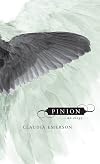
Claudia Emerson's untimely death is still a great loss to those who love great poetry. In this epistolary collection of dramatic monologues from 2002 , Emerson toldthe story of a southern family, hinting at the deeper issues of their relationships while engaging us deeply in their experiences. Her language is always both simple and luminescent:
The second day, the creek
argued with the rain, grew bolder before
losing itself, overcoming the banks
that had defined it.
The older sister recalls show more defending a bird against the cruelty of her brother:
I turned,
grabbed a tobacco stick, and flayed your cap
from your scalp, your scalp from your bone, aiming
for the coiled quick of you when I failed, plunged
my arms in the water instead and saved
the thrush, hurled i back at the stunned sky...
The younger sister is given a voice in prose to introduce the journals and letters of her (presumably deceased) older siblings as she visits their abandoned home. So much goes on the white space as we read, so much is meant by what is subtly unsaid.
the cage of my ribs swept clean. show less
The second day, the creek
argued with the rain, grew bolder before
losing itself, overcoming the banks
that had defined it.
The older sister recalls show more defending a bird against the cruelty of her brother:
I turned,
grabbed a tobacco stick, and flayed your cap
from your scalp, your scalp from your bone, aiming
for the coiled quick of you when I failed, plunged
my arms in the water instead and saved
the thrush, hurled i back at the stunned sky...
The younger sister is given a voice in prose to introduce the journals and letters of her (presumably deceased) older siblings as she visits their abandoned home. So much goes on the white space as we read, so much is meant by what is subtly unsaid.
the cage of my ribs swept clean. show less
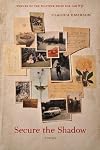
"And I, as I have always known myself,
am fallen away then from the present
tense into reminiscence--the lucid was."
So Claudia Emerson wrote in this fine collection published in 2012, just a few short years before she did indeed become the "was" no longer lucid. Secure the Shadows is her way of taking stills of what has died, her father, animals, and her future self, now lost to us forever, except in the wonderful poetry she left behind.
Her eloquence is in the exact word and image. Her emotion show more is never untrue but always real---and measured just enough to be contained within those words and images. Emerson's poetry is very personal and autobiographical---but in her experience we read ourselves and indeed the universal human experience.
Most of the great poets writing today are women. It is sad that we lost this one so very early in her life and with so much more we wish we could have heard from her. So take the time to read this collection and the others that we have. show less
am fallen away then from the present
tense into reminiscence--the lucid was."
So Claudia Emerson wrote in this fine collection published in 2012, just a few short years before she did indeed become the "was" no longer lucid. Secure the Shadows is her way of taking stills of what has died, her father, animals, and her future self, now lost to us forever, except in the wonderful poetry she left behind.
Her eloquence is in the exact word and image. Her emotion show more is never untrue but always real---and measured just enough to be contained within those words and images. Emerson's poetry is very personal and autobiographical---but in her experience we read ourselves and indeed the universal human experience.
Most of the great poets writing today are women. It is sad that we lost this one so very early in her life and with so much more we wish we could have heard from her. So take the time to read this collection and the others that we have. show less
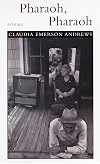
Claudia Emerson's untimely death leaves me wondering what wonderful poetry she would have written. Luckily, we have a number of outstanding collections. "Pharaoh, Pharaoh," while published nearly 20 years ago, remains a deeply moving collection of vignettes. Emerson faces death and illness with a cold eye for detail but a heart filled with empathy.
The phrasing feels conversational, but then sudden brilliant gems arise:
Veins as "the dispassionate cursive on the backs/of her hands." A coffin show more "inhaled the earth." A sewing needle" its only eye worn wide, diminishing."
She remembers a woman lost in death, imagining her (as we imagine Emerson) flooring the gas pedal on a wild car as she is "gone before/this fire consumes itself in the void from which she rises."
This is a fine collection, worth living with for some time. show less
The phrasing feels conversational, but then sudden brilliant gems arise:
Veins as "the dispassionate cursive on the backs/of her hands." A coffin show more "inhaled the earth." A sewing needle" its only eye worn wide, diminishing."
She remembers a woman lost in death, imagining her (as we imagine Emerson) flooring the gas pedal on a wild car as she is "gone before/this fire consumes itself in the void from which she rises."
This is a fine collection, worth living with for some time. show less
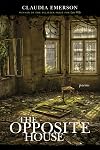
It is heartbreaking to read these poems---both because they are poignant, real, and heartfelt and because Claudia Emerson dies at far too young an age. My rating is of the poetry, and not in sympathy for her loss. Here, Emerson speaks for the voiceless, dramatic monologues and lyrics for such characters as a glass-eye maker, a man whose father was a suicide, an aged dying woman, and many others. Some of the poems feel more autobiographical, but all show Emerson able to exert the "negative show more capability" of silencing herself enough to give words to others. And what words they are, simple, eloquent, and true. show less
Lists
Awards


You May Also Like


Associated Authors
Statistics
- Works
- 10
- Also by
- 5
- Members
- 318
- Popularity
- #74,347
- Rating
- 4.2
- Reviews
- 11
- ISBNs
- 36
- Favorited
- 1
