
Terry Hope
Author of Spacecam: In Co-Operation With NASA
About the Author
Terry Hope Award winning journalist. Terry Hope studied photography at Harrow College, London, in the mid-1970s. He moved into photographic journalism in 1981, writing for Camera Weekly magazine before becoming Features Editor then Deputy Editor of Amateur Photographer. Since 1998 he has been a show more regular contributor on a variety of subjects to the UK's national press, appearing in TheTimes, the Sunday Telegraph, and the Guardian, and he continues to contribute interview features to the UK's photographic press show less
Series
Works by Terry Hope
The Worlds Top Photographers and the Stories Behind Their Greatest Images: Wildlife (2002) 40 copies
Extreme Photography: The Hottest, Coldest, Fastest, Slowest, Nearest, Farthest, Brightest, Darkest, Largest, Smallest, Weirdest Images in t (2004) 14 copies, 1 review
Tagged
Common Knowledge
- Gender
- male
- Education
- Harrow School
- Occupations
- editor (Pro Photo Magazine)
Members
Reviews
Extreme Photography: The Hottest, Coldest, Fastest, Slowest, Nearest, Farthest, Brightest, Darkest, Largest, Smallest, Weirdest Images in t by Terry Hope
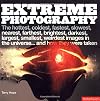
I was expecting a book that would give me tips on how to take "Extreme Photographs". That is not what this book is. This book contains many unusual photos and explains some of the technology and history behind how/why they were taken. I found very little that could be applied to regular equipment.
The chapters are:
'the hottest' - photographing volcanoes
'the coldest' - photographing the south pole
'the fastest' - photographing flying insects and bullets
'the slowest' - using leaves or grass show more (chlorophyll) as film
'the nearest' - microscopic, x-ray and endoscopy
'the farthest' - satellites
'the brightest' - photographing the sun using SOHO and TRACE etc
'the darkest' - photography in caves, and night vision/infrared etc.
'the largest' - the biggest cameras in the world
'the smallest' - the smallest cameras and spy-cams
and
'the weirdest' - holography, kirlian, stripping off and pinhole show less
The chapters are:
'the hottest' - photographing volcanoes
'the coldest' - photographing the south pole
'the fastest' - photographing flying insects and bullets
'the slowest' - using leaves or grass show more (chlorophyll) as film
'the nearest' - microscopic, x-ray and endoscopy
'the farthest' - satellites
'the brightest' - photographing the sun using SOHO and TRACE etc
'the darkest' - photography in caves, and night vision/infrared etc.
'the largest' - the biggest cameras in the world
'the smallest' - the smallest cameras and spy-cams
and
'the weirdest' - holography, kirlian, stripping off and pinhole show less
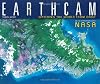
Although predominantly a picture book, this book does include enough text about the images to keep you reading. The pictures are satellite photographs, and present the most spectacular views of the world, a world as we aren't able to see it in our earth-bound existence. The text could be a little less technical at times to interest a more casual reader, but it's worth wading through because some of the information is very compelling.
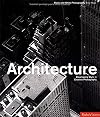
This is the best book on architectural photography, I ever looked at. It's not so much about how to as it is about way architectural photography communicates through composition, style, and other photographic choices.
You May Also Like


Statistics
- Works
- 34
- Members
- 371
- Popularity
- #64,991
- Rating
- 3.8
- Reviews
- 5
- ISBNs
- 42
- Languages
- 5