
Michael Hanlon (1964–2016)
Author of The Science of the Hitchhiker's Guide to the Galaxy
About the Author
Michael Hanlon is one of Britain's most successful science writers. He has been Science Editor at the Daily Mail for more than four years; prior to this he was at the Daily Express, the Independent and Irish News
Works by Michael Hanlon
Associated Works
Tagged
Common Knowledge
- Birthdate
- 1964-12-20
- Date of death
- 2016-02-09
- Gender
- male
- Education
- Bournemouth Grammar School
University of Dundee - Occupations
- science editor
- Organizations
- Daily Mail
Daily Express - Cause of death
- heart attack
- Nationality
- UK
- Birthplace
- Bristol, Gloucestershire, England, UK
- Place of death
- St. Thomas's Hospital, London, Middlesex, England, UK
- Associated Place (for map)
- England, UK
Members
Reviews
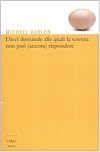
Divertente scelta di domande, alcune interessanti, alcune molto interessanti. Frizzante e spiritosa - ma sempre rigorosa - trattazione da parte di H., alcuni misteri che la scienza non riesce (ancora) a spiegarci rimandano comunque a intuizioni che, pur essendo sperimentabili e riproducibili - almeno, ci si prova - sono ben più fantasiose del pastiche di credenze delle religioni più o meno organizzate che si smerciano al giorno d'oggi. Per fare i mistici o i visionari non serve più show more rimettersi a qualche santo: è sufficiente studiare Fisica, o Biologia. show less
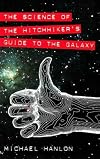
A jaunty and eclectic dose of scientific reality for readers whose only previous knowledge of science came, presumably, from Douglas Adams's goofy work of fiction.
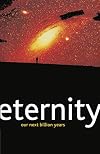
The title and subtitle notwithstanding, the bulk of this book discusses risks and possibilities just for the next century or so (which is impossible enough). I'm always interested in what such authors say about mind uploading: "Such a step may be taken one day, but it is fanciful to imagine it taking place within a century" (p 164).
Ten Questions Science Can't Answer (Yet!): A Guide to Science's Greatest Mysteries by Michael Hanlon
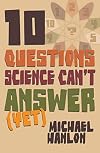
About: Hanlon (Science Editor at the Daily Mail newspaper) explains 10 unanswered questions in science. Not including the introduction, there are 10 chapters, one for each question:
Is Fido a zombie? (that is, how intelligent, self-aware and clever are animals?)
Why is time so weird?
Can I live forever please?
What are we going to do with the stupid?
What is the dark side? (think dark energy and dark matter, not Darth Vader)
Is the universe alive?
Are you the same person you were a minute ago?
Why show more are we all so fat...and does it really matter?
Can we really be sure the paranormal is bunkum?
What is reality, really?
Pros: Quick read (if you don't like one topic, the next topic will be upon you quickly.) Nice range of questions and fields of science covered. Scientists you would expect to be mentioned are (i.e. Elizabeth Loftus on memory, Richard Dawkins on pseudoscience, and Stephen Hawking on the Big Bang) Mostly accessible writing on heady topics.
Cons: It doesn't appear that all references are cited. A conclusion would have been helpful, rather than an abrupt end of the book when the last topic is explained. Suggestions for further reading on each topic would have been welcome as well. Some topics get bogged down (albeit necessarily) with complexities and jargon.
Grade: B show less
Is Fido a zombie? (that is, how intelligent, self-aware and clever are animals?)
Why is time so weird?
Can I live forever please?
What are we going to do with the stupid?
What is the dark side? (think dark energy and dark matter, not Darth Vader)
Is the universe alive?
Are you the same person you were a minute ago?
Why show more are we all so fat...and does it really matter?
Can we really be sure the paranormal is bunkum?
What is reality, really?
Pros: Quick read (if you don't like one topic, the next topic will be upon you quickly.) Nice range of questions and fields of science covered. Scientists you would expect to be mentioned are (i.e. Elizabeth Loftus on memory, Richard Dawkins on pseudoscience, and Stephen Hawking on the Big Bang) Mostly accessible writing on heady topics.
Cons: It doesn't appear that all references are cited. A conclusion would have been helpful, rather than an abrupt end of the book when the last topic is explained. Suggestions for further reading on each topic would have been welcome as well. Some topics get bogged down (albeit necessarily) with complexities and jargon.
Grade: B show less
Lists
Awards

You May Also Like


Associated Authors
Statistics
- Works
- 10
- Also by
- 1
- Members
- 449
- Popularity
- #54,621
- Rating
- 3.5
- Reviews
- 7
- ISBNs
- 23
- Languages
- 7
