
Marco Pierre White
Author of The Devil in the Kitchen: Sex, Pain, Madness, and the Making of a Great Chef
Works by Marco Pierre White
The Devil in the Kitchen: Sex, Pain, Madness, and the Making of a Great Chef (2007) 388 copies, 9 reviews
Essentially Marco 3 copies
Associated Works
Heat: An Amateur's Adventures as Kitchen Slave, Line Cook, Pasta-Maker, and Apprentice to a Dante-Quoting Butcher in Tuscany (2006) — Subject — 2,905 copies, 92 reviews
Tagged
Common Knowledge
- Canonical name
- White, Marco Pierre
- Birthdate
- 1961-12-11
- Gender
- male
- Occupations
- chef
restaurateur - Nationality
- UK
- Birthplace
- Leeds, Yorkshire, England, UK
- Places of residence
- Leeds, England, UK
- Associated Place (for map)
- England, UK
Members
Reviews
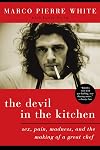
Look. I started this book knowing Marco Pierre White is a tool. It's not just that he's a famous chef, although that's a pretty reliable indicator. It's not just his famous "I didn't make Gordon [Ramsay] cry. He chose to cry." comment. There were so, so many indicators that he was a tool. But I was wrong. He's not a tool.
He's an abusive monster. And even in his own damn memoir, he couldn't convey a single redeeming feature of his personality. Spending a whole book with this man was show more unpleasant, and it's a tribute to his ghostwriter's skill that the book is readable at all.
But being abusive is not actually the worst thing about White or about this book. The book absolutely oozes with White's pride in being an abusive asshole. Sure, yes, he threw chefs in the trash, hung them up by their aprons, throttled them. Yes, he forced a porter (dishwasher in the US) to drink way too much and then threw him in the snow when he passed out, almost killing him. But here's the thing: he's proud of that. See, he was maintaining discipline! He was teaching his employees to respect him! He had no choice. If you want to make perfect food, you have to terrify and torment people! And after all, several of his employees went on to great careers, so he must have been right to do all that horrible shit.
(None of those employees was female, because you can't have a woman in the kitchen; she'll start a relationship with a chef and cause them to get all distracted. Never mind that a) there would be two parties in any relationship and b) White himself married someone who worked for him; it just wouldn't do to have a woman be a chef, you see. But then, as far as I can tell, White doesn't seem to view any girl or woman as human; he talks about his wives as though they were pictures on a wall and he doesn't talk about his daughters at all.)
I could relate so many more horrible stories about him from this book, stories he chose to tell. (This is a real "If this is what he chose to put in, what the fuck did he leave out?" memoir.) But instead I'll just note that the final chapter of this is about all the people he's cut from his life (plus two people who died). My dude, when you have a list of people you used to be close to (in one case, close enough to have with you and your wife on your honeymoon) that you no longer speak to, and it's long enough to make a chapter, and you choose that chapter as the capstone summary of your life, it's time to become a hermit. Spare everyone in the world your toxic-fungus-in-the-shape-of-a-man presence.
(Side note: when he talked about retiring, he mentioned that his third wife encouraged it. I said out loud, "Mati, you in danger, girl." A man who has the emotional control of a toddler on cocaine, who is used to taking his boundless temper out on his staff, and who is also an adrenaline junkie who is about to go cold turkey? Grab the kids and fucking run.)
I did enjoy parts of this, mostly because White was there for some pivotal developments of the British food scene. But I would have enjoyed it much, much more if somehow Marco Pierre White could have been removed from the pages of his own memoir. show less
He's an abusive monster. And even in his own damn memoir, he couldn't convey a single redeeming feature of his personality. Spending a whole book with this man was show more unpleasant, and it's a tribute to his ghostwriter's skill that the book is readable at all.
But being abusive is not actually the worst thing about White or about this book. The book absolutely oozes with White's pride in being an abusive asshole. Sure, yes, he threw chefs in the trash, hung them up by their aprons, throttled them. Yes, he forced a porter (dishwasher in the US) to drink way too much and then threw him in the snow when he passed out, almost killing him. But here's the thing: he's proud of that. See, he was maintaining discipline! He was teaching his employees to respect him! He had no choice. If you want to make perfect food, you have to terrify and torment people! And after all, several of his employees went on to great careers, so he must have been right to do all that horrible shit.
(None of those employees was female, because you can't have a woman in the kitchen; she'll start a relationship with a chef and cause them to get all distracted. Never mind that a) there would be two parties in any relationship and b) White himself married someone who worked for him; it just wouldn't do to have a woman be a chef, you see. But then, as far as I can tell, White doesn't seem to view any girl or woman as human; he talks about his wives as though they were pictures on a wall and he doesn't talk about his daughters at all.)
I could relate so many more horrible stories about him from this book, stories he chose to tell. (This is a real "If this is what he chose to put in, what the fuck did he leave out?" memoir.) But instead I'll just note that the final chapter of this is about all the people he's cut from his life (plus two people who died). My dude, when you have a list of people you used to be close to (in one case, close enough to have with you and your wife on your honeymoon) that you no longer speak to, and it's long enough to make a chapter, and you choose that chapter as the capstone summary of your life, it's time to become a hermit. Spare everyone in the world your toxic-fungus-in-the-shape-of-a-man presence.
(Side note: when he talked about retiring, he mentioned that his third wife encouraged it. I said out loud, "Mati, you in danger, girl." A man who has the emotional control of a toddler on cocaine, who is used to taking his boundless temper out on his staff, and who is also an adrenaline junkie who is about to go cold turkey? Grab the kids and fucking run.)
I did enjoy parts of this, mostly because White was there for some pivotal developments of the British food scene. But I would have enjoyed it much, much more if somehow Marco Pierre White could have been removed from the pages of his own memoir. show less
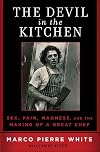
Marco Pierre White! Was he the original bad boy of the kitchen? No. Tyrants existed long before him — men and women who ruled their brigades with iron oven mitts and the emotional availability of a brick. But White was the first to march that brutality out into the open, right as chefs were beginning to mutate into celebrities. He didn’t just cook; he detonated. And in doing so, he helped launch the modern era where kitchens are equal parts craft, theater, and psychological warfare.
The show more Devil in the Kitchen isn’t a gentle memoir. It’s a blowtorch set to the full 50,000 BTU roar. White writes like a man who still feels the adrenaline in his bones — the speed, the perfectionism, the utter refusal to accept anything less than brilliance. You get the sense he would’ve chased down God Himself if the beurre blanc was splitting.
Is he charming? Occasionally.
Is he terrifying? Often.
Is he honest? Brutally so. And that’s the hook.
For anyone who’s worked in restaurants, this book feels like someone finally put into words the manic ballet behind the swinging door — the heat, the chaos, the machismo, the artistry, the strange mix of punishment and pride that keeps everyone coming back for more.
You don’t read The Devil in the Kitchen for warm fuzzy inspiration. You read it the way you watch a skilled tightrope walker who might very well fall — with awe, a little dread, and the reminder that genius usually comes soaked in gasoline while playing with matches.
White didn’t invent the chef-as-madman archetype.
He just made it impossible to ignore. show less
The show more Devil in the Kitchen isn’t a gentle memoir. It’s a blowtorch set to the full 50,000 BTU roar. White writes like a man who still feels the adrenaline in his bones — the speed, the perfectionism, the utter refusal to accept anything less than brilliance. You get the sense he would’ve chased down God Himself if the beurre blanc was splitting.
Is he charming? Occasionally.
Is he terrifying? Often.
Is he honest? Brutally so. And that’s the hook.
For anyone who’s worked in restaurants, this book feels like someone finally put into words the manic ballet behind the swinging door — the heat, the chaos, the machismo, the artistry, the strange mix of punishment and pride that keeps everyone coming back for more.
You don’t read The Devil in the Kitchen for warm fuzzy inspiration. You read it the way you watch a skilled tightrope walker who might very well fall — with awe, a little dread, and the reminder that genius usually comes soaked in gasoline while playing with matches.
White didn’t invent the chef-as-madman archetype.
He just made it impossible to ignore. show less
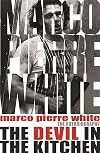
I have always admired Marco Pierre White. I wanted to know more about this articulately spoken chef and the culinary hero for so many cooks. I really enjoyed reading it, it was well written, there were passages that made me burst out laughing and others that really spoke to me and moved me. I admired Marco's determination, his eye for detail, his unnerving commitment and his unrelenting drive of achieving his ultimate dream of acquiring three Michelin Stars.
What really stood out for me is show more the blood, sweat and tears Marco put into working in the kitchen. A lot of people have a food dream which is glamorized by shows like Masterchef and celebrity chefs. In all honesty if you put those people in a real kitchen, I truly don't think they would last a day. Marco certainly highlighted this.
I really enjoyed learning about the powerhouse French chefs (Roux, Blanc, Koffman) and Marco's run ins with other famous chefs. Particularly Gordon Ramsay, who to put it quite frankly is a bit of a dickhead.
All in all a really good read and a very inspirational man. show less
What really stood out for me is show more the blood, sweat and tears Marco put into working in the kitchen. A lot of people have a food dream which is glamorized by shows like Masterchef and celebrity chefs. In all honesty if you put those people in a real kitchen, I truly don't think they would last a day. Marco certainly highlighted this.
I really enjoyed learning about the powerhouse French chefs (Roux, Blanc, Koffman) and Marco's run ins with other famous chefs. Particularly Gordon Ramsay, who to put it quite frankly is a bit of a dickhead.
All in all a really good read and a very inspirational man. show less
I know absolutely nothing about Marco Pierre White, and I picked up this book solely on its virtue of being on the same shelf as _Blood, Bones, and Butter_ and, well, the cover photograph. Lest you mistake the intensity in this guy's eyes for another marketing ploy (like the awful byline of "sex, pain, madness, and the makings of a great chef,"), take it instead as the ultimate representation of White at his best. The book shines when he talks about his utter drive for perfection, his show more addiction to his work, his one-track mind when it came to creating the ultimate dining experience for his customers. Equally interesting are the tidbits describing the difference between the one, two, and three Michelin star designations that are the height of validation for any chef.
The writing takes some disconcerting jumps at times - immediately after telling the reader about winning his long coveted 3rd Michelin star, White randomly describes a near fatal car accident/window mishap that has nothing to do with anything. The structure seems to fall apart more towards the last quarter. White jumps from his decision to retire and return his stars, names all the people he's had a falling out with (and why), mentions his family and then doesn't mention them. The requisite black and white snaps in the glossy middle pages of the book include scenes/events/people that White never mentions in the memoir.
But nonetheless, this is a read that moves and entertains while opening a window to a man who was certainly a genius at what he did. show less
The writing takes some disconcerting jumps at times - immediately after telling the reader about winning his long coveted 3rd Michelin star, White randomly describes a near fatal car accident/window mishap that has nothing to do with anything. The structure seems to fall apart more towards the last quarter. White jumps from his decision to retire and return his stars, names all the people he's had a falling out with (and why), mentions his family and then doesn't mention them. The requisite black and white snaps in the glossy middle pages of the book include scenes/events/people that White never mentions in the memoir.
But nonetheless, this is a read that moves and entertains while opening a window to a man who was certainly a genius at what he did. show less
Lists
Food Memoirs (1)
You May Also Like


Associated Authors
Statistics
- Works
- 13
- Also by
- 2
- Members
- 801
- Popularity
- #31,838
- Rating
- 3.8
- Reviews
- 15
- ISBNs
- 39
- Languages
- 2
- Favorited
- 1