
Christian F. Feest
Author of Native Arts of North America
About the Author
Series
Works by Christian F. Feest
James Cook : gifts and treasures from the South Seas : the Cook/Forster Collection, Göttingen = Gaben und Schätze aus der Südsee : Die Göttinger Sammlung Cook/Forster (1998) — Editor — 20 copies
Studies in American Indian Art: A Memorial Tribute to Norman Feder (2001) — Editor; Contributor; Preface — 8 copies
Gold und Macht : Spanien in der Neuen Welt : eine Ausstellung anlässlich des 500. Jahrestages der Entdeckung Amerikas [Künstlerhaus, Wien, etc.] (1986) 6 copies
Além do Brasil. Johann Natterer e as coleções etnográficas da expedição austríaca de 1817 a 1835 ao Brasil (2012) — Contributor — 5 copies
Vienna's Mexican Treasures : Aztec, Mixtec, and Tarascan Works from 16th Century Austrian Collections — Author — 4 copies
Das Museum für Völkerkunde in Wien (1980) — Editor and Author - Nord- und Mittelamerika, Westindien. — 4 copies
Indianer : Ureinwohner Nordamerikas : Begleitbuch zur Sonderausstellung im Ausstellungszentrum Lokschuppen Rosenheim 8. April - 6. November 2011 (2011) — Curator, Editor and Author — 3 copies
Indianer : Ureinwohner Nordamerikas, Katalog zur Ausstellung auf der Schallaburg, 29. März bis 19. Oktober 2008 (2008) — Curator, Editor and Author — 3 copies
Musikinstrumente der Völker : Aussereuropäische Musikinstrumente u. Schallgeräte, Systematik und Themenbeispiele — Editor; Editorial Committee — 3 copies
Archiv für Völkerkunde. Band XIX — Editor and Author — 2 copies
Archiv für Völkerkunde. 46 — Editor and Author — 2 copies
Archiv für Völkerkunde. 48 — Editor — 2 copies
Archiv für Völkerkunde. - Band 24 / 1970 — Editor — 2 copies
Archiv für Völkerkunde. - Band 25 / 1971 — Editor — 2 copies
Archiv für Völkerkunde. - Band 27 / 1973 — Author — 2 copies
Archiv für Völkerkunde. - Band 28 / 1974 — Editor — 2 copies
Archiv für Völkerkunde. - Band 29 / 1975 — Editor — 2 copies
Archiv für Völkerkunde. - Band 49 / 1995 — Coordination and Author — 2 copies
Archiv für Völkerkunde. - Band 26 / 1972 — Editor and Author — 2 copies
Archiv für Völkerkunde. 44 — Editor and Author — 2 copies
Museum für Völkerkunde Wien — Author — 2 copies
Indian Posters of North America 2 copies
Aussereuropäisches Schauspiel : [Ausstellung — Author — 2 copies
Archiv für Völkerkunde. 45 — Editor — 2 copies
Archiv für Völkerkunde. 47 2 copies
Archiv für Völkerkunde. 43 — Editor — 2 copies
Archiv für Völkerkunde. - Band 42 / 1988 — Editor — 2 copies
Archiv für Völkerkunde. - Band 30 / 1976 — Editor — 2 copies
Archiv für Völkerkunde. - Band 31 / 1977 — Editor — 2 copies
Archiv für Völkerkunde. - Band 32 / 1978 — Editor and Author — 2 copies
Archiv für Völkerkunde. - Band 35 / 1981 — Editor — 2 copies
Indians of Northeastern North America (Iconography of Religions, Section X: North America, Vol 7) (1986) — Author — 2 copies
Indianer Nordamerikas — Author — 2 copies
Archiv für Völkerkunde. - Band 33 / 1979 — Editor and Author — 2 copies
Archiv für Völkerkunde. - Band 36 / 1982 — Editor and Author — 2 copies
Archiv für Völkerkunde. - Band 38 / 1984 — Editor — 2 copies
Archiv für Völkerkunde. - Band 41 / 1987 — Editor — 2 copies
Archiv für Völkerkunde. - Band 40 / 1986 — Editor and Author — 2 copies
Über Lebenskunst nordamerikanischer Indianer — Author — 2 copies
Jäger- und Sammlervölker in aller Welt : eine Ausstellung des Museums für Völkerkunde Wien im Niederösterreichischen Landesjagdmuseum Schloss Marchegg — Editor and Author — 2 copies
Archiv für Völkerkunde. - Band 39 / 1985 — Editor — 2 copies
Virginia Algonquians. 2 copies
Archiv für Völkerkunde. - Band 37 / 1983 — Editor — 2 copies
Spiel und Spielzeug aus aller Welt. Sonderausstellung 1971/72 — Author — 1 copy
Verein Freunde der Völkerkunde. II.2006 — Editor — 1 copy
Indianer Nordamerikas : Ausstellung Karthause Gaming, 1972 — Author — 1 copy
Ding - Bild - Wissen : Ergebnisse und Perspektiven nordamerikanistischer Forschung in Frankfurt a.M. (2005) — Bibliography — 1 copy
Indianer Nordamerikas, Heute & Gestern — Author and Curator — 1 copy
Indianer Mexikos : präkolumbianisches Erbe und lebendige Gegenwart — Author and curator — 1 copy
Maya: Keramik und Skulptur aus Mexiko; Sammlung Manuel Barbachano Ponce und eigene Bestände des Museums aus Guatemala und El Salvador — Author — 1 copy
Kulai Bronzes from Siberia. Tribal Art Magazine Spring 2023 — Author — 1 copy
Wiener völkerkundliche Mitteilungen. Neue Folge Band 35, Jahrgang 1993 — Contributor — 1 copy
Mario Baldi fotógrafo austríaco entre índios brasileiros — Author — 1 copy
Kunst & Kontext : Außereuropäische Kunst & Kultur im Dialog #20 Juli 2020 — Honoree — 1 copy
Schmuck aus aller Welt : aus den Sammlungen des Museums für Völkerkunde Wien (1986) — Contributor — 1 copy
Massimiliano da Trieste al Messico — Contributor — 1 copy
Premières nations, collections royales : les indiens des forêts et des prairies d'Amérique du Nord (2007) — Curator and author — 1 copy
"Völker-Bilder": 150 Jahre Fotografie - 150 Fotografien aus der Fotothek des Museums für Völkerkunde, Wien — Author and Curator — 1 copy
Archiv 73. Archiv Weltmuseum Wien — Author and Photographer — 1 copy
El coleccionismo de artefactos indigenas americanos — Author — 1 copy
Erobern - Entdecken - Erleben : im Römerland Carnuntum — Contributor and Object descriptions — 1 copy
Indianer Nordamerikas [mit Katalog] — Author and Curator — 1 copy
Das Völkerkundemuseum in Wien — Author — 1 copy
Eskimo : Sonderausstellung 1969 — Author and Curator — 1 copy
Eskimo : Schwerpunkt Grönland; am Nordrand der Welt — Curator, Editor and Author — 1 copy
Eskimo. Schwerpunkt Grönland 1 copy
50 Jahre Museum für Völkerkunde, Wien — Author — 1 copy
Archiv 57-58. Constructiing the Future - Remembering the Past. Houses and Architecture in Southeast Asia. — Editor — 1 copy
Archiv 54. Archiv für Völkerkunde — Editor and Contributor — 1 copy
Archiv 56. Archiv für Völkerkunde — Editor and Contributor — 1 copy
Verein Freunde der Völkerkunde. IV.2004 — Editor — 1 copy
Wiener völkerkundliche Mitteilungen. XIV./XV. Jahrgang, Neue Folge Band IX/X — Chief Editor — 1 copy
Verein Freunde der Völkerkunde. I.2007 — Editor — 1 copy
Archiv 59-60. Archiv für Völkerkunde — Editor and Author — 1 copy
James Cook und die Entdeckung der Südsee (Prospekt] — Autor and Curator — 1 copy
Verein Freunde der Völkerkunde. I.2009 — Editor — 1 copy
Verein Freunde der Völkerkunde. IV.2006 — Editor — 1 copy
Verein Freunde der Völkerkunde. IV.2005 — Editor — 1 copy
Verein Freunde der Völkerkunde. IV.2009 — Editor — 1 copy
Verein Freunde der Völkerkunde. I.2008 — Editor — 1 copy
Verein Freunde der Völkerkunde. II.2007 — Editor — 1 copy
Verein Freunde der Völkerkunde. IV.2007 — Editor — 1 copy
Verein Freunde der Völkerkunde. II.2008 — Editor — 1 copy
Verein Freunde der Völkerkunde. I.2010 — Editor — 1 copy
Verein Freunde der Völkerkunde. IV.2010 — Editor — 1 copy
Indianer Nordamerikas : Ausstellung 1971, Schlossmuseum Matzen : Außenstelle des Museums für Völkerkunde, Wien — Author — 1 copy
Verein Freunde der Völkerkunde. I.2006 — Editor — 1 copy
Associated Works
"Primitivism" in 20th Century Art: Affinity of the Tribal and the Modern, in Two Volumes (1984) — Author — 220 copies, 1 review
IroquoisArt : visual expressions of contemporary Native American artists (1998) — Contributor — 7 copies
African lace : eine Geschichte des Handels, der Kreativität und der Mode in Nigeria ... Museum für Völkerkunde Wien, 22. Oktober 2010 bis 14. Februar 2011 (2010) — Foreword — 7 copies, 1 review
Indianische Kunst im 20. Jahrhundert : Malerei, Keramik und Kachinafiguren indianischer Künstler in den USA (1985) — Contributor — 6 copies
Technologie und Ergologie in der Völkerkunde (Band 1) (1980) — Contributor, some editions — 5 copies
American Indian Material Culture: The Ten Kate Collection, 1882-1888 (European Review of Native American Studies) (2010) — Series editor — 5 copies
Die Kultur der Kulturrevolution. Personenkult und politisches Design im China von Mao Zedong (2012) — Contributor — 3 copies
Beyond modernity. Do ethnography museums need ethnography? Atti del Colloquio internazionale RIME (Roma, aprile 2012). (2013) — Contributor — 3 copies
Imperial Sightseeing: Die Indienreise von Erzherzog Franz Ferdinand von Österreich-Este — Foreword — 3 copies, 2 reviews
Volkskunst aus Lateinamerika — Catalog entries — 3 copies
Holophusicon : the Leverian Museum, an eighteenth-century English institution of science, curiosity, and art (2011) — Foreword and Graphic design — 3 copies
Straps & Bands. Textilien aus der Sammlung Foitl; Museum für Völkerkunde, Wien 19. Nov. 2008 - 1.März 2009 (2008) — Foreword — 3 copies
De Azteken kunstschatten uit het Oude Mexico Deel 2 Catalogus — Contributor, some editions — 2 copies
Kunst & Kontext : Außereuropäische Kunst & Kultur im Dialog. Humbolt Forum. Viel Beton und wenig Inhalt? — Interviewee — 1 copy
I saw more than I can tell [Handout] — Foreword — 1 copy
Schmuck und Mythologie. Sonderausstellung im Rahmen des Weltkongresses für Schmuck und Mythologie — Contributor — 1 copy
American Indian Art Magazine : Summer 2006 — Contributor — 1 copy
Fischerei einst und jetzt. Ausstellung des Landes Niederösterreich — Description of objects — 1 copy
Ecuador : Schätze der Vergangenheit : eine Ausstellung der Republik Ecuador, der Banco del Pacifico und des OPEC-Fund, aus Anlaß der Eröffnung des neuen OPEC-Fund-Hauses — Translator, some editions — 1 copy
Book of abstracts / European Association of Social Anthropologists ; Face to face ; connecting distance proximity ; 8th biennal EASA conference ; Vienna, September 8 - 12, 2004 (2004) — Convenor Workshop 19 — 1 copy
Fremd und Vertraut. Strategische Überlegungen zur Neupositionierung des Museums für Völkerkunde Wien — Interviewee — 1 copy
Kulturwissenschaften im Vielvölkerstaat : zur Geschichte der Ethnologie und verwandter Gebiete in Österreich, ca. 1780 bis 1918 = L'anthropologie et l'état pluri-culturel : le… (1995) — Contributor — 1 copy
Wien Magazin Mai 2010 — Contributor — 1 copy
Gedächtnisausstellung Etta Becker-Donner 1911-1975 — Curator — 1 copy
Wiener völkerkundliche Mitteilungen. XIII. Jahrgang, Neue Folge Band VIII — Contributor — 1 copy
Masken aus Mexiko : Künstlerhaus Wien, 18. Dezember 1981-21. Februar 1982 — Scientific advisor — 1 copy
Verein Freunde der Völkerkunde. II.2010 — Editor — 1 copy
Five years in America : the Menominee collection of Antoine Marie Gachet (2018) — Image Editing and Photographer — 1 copy
Tagged
Common Knowledge
- Canonical name
- Feest, Christian F.
- Birthdate
- 1945-07-20
- Gender
- male
- Occupations
- ethnologist
- Nationality
- Austria
- Birthplace
- Broumov, Czechoslovakia
- Associated Place (for map)
- Broumov, Czechoslovakia
Members
Reviews
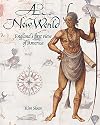
A New World: England’s First View of America. By Kim Sloan. With contributions by Joyce E. Chaplin, Christian F. Feest, and Ute Kuhlmann. (Chapel Hill: University of North Carolina Press, c. 2007. Pp. 256. Paper, $29.95, ISBN 978-0-0878-5825-07; cloth, $60.00, ISBN 978-0-8139-3125-0.)
In a year when events commemorating the four hundredth anniversary of the permanent English settlement at Jamestown are occupying a prominent place in the public eye, these two volumes are a welcome reminder show more of the importance of the short-lived English settlements at Roanoke in what is now North Carolina. Both books use the well-known watercolors of John White and the copper engravings of White’s paintings made by Theodor de Bry for Thomas Hariot’s 1590 tract A briefe and true report of the new found land of Virginia to examine what the English knew—or thought they knew—about the New World. They are both also useful and informative scholarly inquiries into how Europeans used visual representations of North America’s plants, animals, and people to win support for ongoing colonization efforts. English adventurers and investors, operating under Sir Walter Raleigh’s leadership, made several successive voyages to the Virginia’s shores during the 1580s, with the intention of making money by preying on Spanish treasure shipping. The early Roanoke settlements were primarily military bases intended to hide English privateers, but some investors had a more permanent presence in mind. To that end, Roanoke expeditions (like other English exploratory missions) carried scientists, naturalists, cartographers, and artists to record the land’s inhabitants and its possible commodities.
The participation of gentleman-artist John White in several of these voyages has left us with powerful images of southern coastal Algonkian people, as well as the region’s flora and fauna. Kim Sloan’s A New World: England’s First View of America is a magnificently presented catalogue of White’s watercolors, accompanied by essays meticulously presenting the most recent scholarship on White, his times, and the impact of his famous watercolors. The catalogue itself occupies most of the volume, and includes White’s watercolors, accompanied by the eighteenth-century copies made for Sir Hans Sloane. Sloan is careful to point out changes in the coloring and pigmentation due to water damage and chemical alterations in some of the pigments—the watercolors we now know are probably only a pale shadow of their sixteenth-century selves. The catalogue is also careful to provide context for White’s drawings and their copies by including the work of other European painter-observers of the New World, with the intent of providing “consideration of John White and his artistic milieu” (229). Thus White’s watercolors take their place in the pantheon of early modern natural history illustration and ethnography. The result is a catalogue that is much more sensitive and sophisticated understanding of John White’s art, his times, and his gentlemanly circle. Most usefully, though, the catalogue places different renditions of the watercolors together, allowing for a simultaneous comparison of the different versions.
The opening three essays of the catalogue, all written by editor Kim Sloan, examine White and his techniques. The John White that emerges in this catalogue is a complicated, interesting, and somewhat enigmatic figure. Using new evidence and reevaluating older evidence, Sloan concludes that White “…was a well-educated, well-connected and an accomplished artist.” (33) In exploring her understanding of White, Sloan leads readers through the intricacies of gentlemanly art in the late sixteenth century.
The other essays in the catalogue examine the reception of White’s drawings in Europe. Joyce Chaplin’s contribution on John White’s watercolors as theatre and propaganda rightly notes that English colonists are completely absent from the drawings. White, Chaplin writes, “presented the Indians as if they were performing for an audience.” (58) These theatrical drawings of Indians and their surroundings was a way for White to communicate the fecundity of American land and people to English observers. Christian Feest’s piece examines White’s watercolors in the context of sixteenth and seventeenth-century ethnographic drawing, including those by Hans Staden and Jacque Le Moyne de Morgues. By giving White a thoroughly European context, Feest is able to show that White’s complete scenes of coastal Algonkian life are remarkable and unique. Ute Kuhlemann’s concluding piece follows John White’s watercolors through their second incarnation in Theodor de Bry’s copper engravings accompanying Thomas Hariot’s A briefe and true report of the new found land of Virginia (1590). “These prized volumes,” Kuhlemann writes, “were given highly individualized treatment in the arrangement, display, and colouring of de Bry’s engravings, which were amended according to personal taste and utilized for individual purposes.” (83) Though marketability, rather than accuracy in color and detail, was de Bry’s goal, Europeans still learned much from the engravings.
As Sloan notes in her introduction, some of the essays do provide contradictory interpretations of White and his drawings (8). The overall result, though, is a fascinating set of essays addressing the latest scholarly interpretations of White and the Roanoke venture. The goal of the catalogue is to induce readers to rethink White and his contributions, and in this the volume succeeds admirably. Sloan’s work is an able addition to, and dare one suggest, even a replacement for David Beers Quinn and Paul Hulton’s 1964 two-volume catalogue of the drawings, and an essential addition to libraries.
--Rebecca A. Goetz in the Journal of Southern History, vol. 74, no. 3 (August 2008), 707-709. show less
In a year when events commemorating the four hundredth anniversary of the permanent English settlement at Jamestown are occupying a prominent place in the public eye, these two volumes are a welcome reminder show more of the importance of the short-lived English settlements at Roanoke in what is now North Carolina. Both books use the well-known watercolors of John White and the copper engravings of White’s paintings made by Theodor de Bry for Thomas Hariot’s 1590 tract A briefe and true report of the new found land of Virginia to examine what the English knew—or thought they knew—about the New World. They are both also useful and informative scholarly inquiries into how Europeans used visual representations of North America’s plants, animals, and people to win support for ongoing colonization efforts. English adventurers and investors, operating under Sir Walter Raleigh’s leadership, made several successive voyages to the Virginia’s shores during the 1580s, with the intention of making money by preying on Spanish treasure shipping. The early Roanoke settlements were primarily military bases intended to hide English privateers, but some investors had a more permanent presence in mind. To that end, Roanoke expeditions (like other English exploratory missions) carried scientists, naturalists, cartographers, and artists to record the land’s inhabitants and its possible commodities.
The participation of gentleman-artist John White in several of these voyages has left us with powerful images of southern coastal Algonkian people, as well as the region’s flora and fauna. Kim Sloan’s A New World: England’s First View of America is a magnificently presented catalogue of White’s watercolors, accompanied by essays meticulously presenting the most recent scholarship on White, his times, and the impact of his famous watercolors. The catalogue itself occupies most of the volume, and includes White’s watercolors, accompanied by the eighteenth-century copies made for Sir Hans Sloane. Sloan is careful to point out changes in the coloring and pigmentation due to water damage and chemical alterations in some of the pigments—the watercolors we now know are probably only a pale shadow of their sixteenth-century selves. The catalogue is also careful to provide context for White’s drawings and their copies by including the work of other European painter-observers of the New World, with the intent of providing “consideration of John White and his artistic milieu” (229). Thus White’s watercolors take their place in the pantheon of early modern natural history illustration and ethnography. The result is a catalogue that is much more sensitive and sophisticated understanding of John White’s art, his times, and his gentlemanly circle. Most usefully, though, the catalogue places different renditions of the watercolors together, allowing for a simultaneous comparison of the different versions.
The opening three essays of the catalogue, all written by editor Kim Sloan, examine White and his techniques. The John White that emerges in this catalogue is a complicated, interesting, and somewhat enigmatic figure. Using new evidence and reevaluating older evidence, Sloan concludes that White “…was a well-educated, well-connected and an accomplished artist.” (33) In exploring her understanding of White, Sloan leads readers through the intricacies of gentlemanly art in the late sixteenth century.
The other essays in the catalogue examine the reception of White’s drawings in Europe. Joyce Chaplin’s contribution on John White’s watercolors as theatre and propaganda rightly notes that English colonists are completely absent from the drawings. White, Chaplin writes, “presented the Indians as if they were performing for an audience.” (58) These theatrical drawings of Indians and their surroundings was a way for White to communicate the fecundity of American land and people to English observers. Christian Feest’s piece examines White’s watercolors in the context of sixteenth and seventeenth-century ethnographic drawing, including those by Hans Staden and Jacque Le Moyne de Morgues. By giving White a thoroughly European context, Feest is able to show that White’s complete scenes of coastal Algonkian life are remarkable and unique. Ute Kuhlemann’s concluding piece follows John White’s watercolors through their second incarnation in Theodor de Bry’s copper engravings accompanying Thomas Hariot’s A briefe and true report of the new found land of Virginia (1590). “These prized volumes,” Kuhlemann writes, “were given highly individualized treatment in the arrangement, display, and colouring of de Bry’s engravings, which were amended according to personal taste and utilized for individual purposes.” (83) Though marketability, rather than accuracy in color and detail, was de Bry’s goal, Europeans still learned much from the engravings.
As Sloan notes in her introduction, some of the essays do provide contradictory interpretations of White and his drawings (8). The overall result, though, is a fascinating set of essays addressing the latest scholarly interpretations of White and the Roanoke venture. The goal of the catalogue is to induce readers to rethink White and his contributions, and in this the volume succeeds admirably. Sloan’s work is an able addition to, and dare one suggest, even a replacement for David Beers Quinn and Paul Hulton’s 1964 two-volume catalogue of the drawings, and an essential addition to libraries.
--Rebecca A. Goetz in the Journal of Southern History, vol. 74, no. 3 (August 2008), 707-709. show less

I had originally assumed that this book was written to accompany an exhibition of tribal art related to warfare. But apparently it was written as a stand-alone book....although part of a Thames and Hudson series on Tribal Art of various sorts.
Actually, I found the book quite interesting ..and somewhat depressing. It shows how warfare is a major part of life of most tribal societies. A goodly part of the book is illustrated by reference to the Pacific tribes, some from North America and some show more from Africa. The photographs and illustrations seem to be mainly taken from Museum Collections and are fair but rarely brilliant. show less
Actually, I found the book quite interesting ..and somewhat depressing. It shows how warfare is a major part of life of most tribal societies. A goodly part of the book is illustrated by reference to the Pacific tribes, some from North America and some show more from Africa. The photographs and illustrations seem to be mainly taken from Museum Collections and are fair but rarely brilliant. show less
Lists
You May Also Like


Associated Authors
Statistics
- Works
- 130
- Also by
- 43
- Members
- 767
- Popularity
- #33,178
- Rating
- 3.9
- Reviews
- 2
- ISBNs
- 70
- Languages
- 4