
John Foot
Author of Calcio: A History of Italian Football
About the Author
John Foot is Chair of Italian in the Department of Italian at the University of Bristol, UK. His previous publications include Italy's Divided Memory (2009) and Pedalarel A History of Italian Cycling (2001).
Works by John Foot
Associated Works
Tagged
Common Knowledge
- Birthdate
- 1964-11-08
- Gender
- male
- Relationships
- Foot, Paul (father)
- Nationality
- UK
- Associated Place (for map)
- UK
Members
Reviews
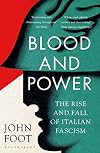
This is a social history of the rise and fall of fascism in Italy, told through the accounts of ordinary people and eyewitnesses. The relevant celebrities do get their due - Mussolini, Malatesta, Gramsci, Matteotti, etc. - but this is more often due to their importance in events rather than an overreliance on their perspectives. Rather, the story of fascism is told by the people who had to endure it. It goes into depth on the phenomenon of squadrism in particular, explaining how this show more essentially violent movement swept Italy and seized power, offering insights into the minds and methods of these thugs who would shape the next two decades, and into the terror they inflicted upon their enemies (which could include just about anyone). If you are bewildered by events and in need of something that finally explains what the hell happened for Mussolini to take power in 1922, look no further.
Any work dealing with fascism is situated in the endless debate over it, over what it really is and how it can really be defined. Foot's two cents is to remind us that violence-as-politics is absolutely central, and that the abeyance of the liberal state institutions, especially the police and monarchy, was critical to its success. He is not above drawing parallels with Trumpism, nor should he be.
There appears to be tension between author and publisher as Foot's interest is clearly in squadrism, but the publisher wanted to add 'and Fall' into the title, so we are hurried through some of the stuff that happened after 1924 to tie it all off. My review is more concerned with the first half. show less
Any work dealing with fascism is situated in the endless debate over it, over what it really is and how it can really be defined. Foot's two cents is to remind us that violence-as-politics is absolutely central, and that the abeyance of the liberal state institutions, especially the police and monarchy, was critical to its success. He is not above drawing parallels with Trumpism, nor should he be.
There appears to be tension between author and publisher as Foot's interest is clearly in squadrism, but the publisher wanted to add 'and Fall' into the title, so we are hurried through some of the stuff that happened after 1924 to tie it all off. My review is more concerned with the first half. show less
Italian fascism, to me, is a historical phenomenon that it difficult to understand. The frustration of Italian nationalism after a disappointing victory in WWI certainly had to do something with it, enhanced by the still recent memory of the Italian unification. But it then evolved into a bizarre personality cult built around Benito Mussolini — a pathological narcissist with astonishingly bad strategic judgment, whose most remarkable characteristic was the contempt that he felt for his own show more people. The suicide pact between the dictator and his followers so quickly dissolved in the collapse of 1943, that one is left wondering how it ever came to be — and how it is possible that the dictator still has some admirers today.
John Foot’s account of personal experiences during the years of fascism focuses on a big part of the answer: Violence. The use of violence as a political tool was integral to fascism, and Foot describes how fascism rose to power by executing a slow coup by attrition, by systematically beating up its opponents, by denying the results of elections, by establishing a creeping reign of terror over Italy’s cities and communities. It’s a gripping but horrendous story. Of course it would not have been possible without the tolerance and complicity of the conservative right, without policemen who looked the other way, politicians who tolerated unlawfulness, and finally a king who approved Mussolini’s appointment as prime minister. Sadly, the catholic church too became an accomplice.
Nevertheless the driving force of fascism were the gangs of “squadristi” and the more or less charismatic thugs who controlled them. The coup of 1922, and a coup it was, of course did not end the violence. Instead it became integrated in the state, officially sanctioned instead of merely tolerated. A fascist state that thrived on repression and humiliation was established. Its embrace of racism and anti-semitism was not only a result of the fatal alliance with Nazi Germany, but also the consequence of its persistent need to find new victims. However, the promotion within that state of the former leaders of the blackshirt gangs did set in the rot, as they were predictably corrupt, unreliable, and incompetent in their new roles. Mussolini’s selfish decision to enter the war in 1940 accelerated the decay. John Gooch has described in “Mussolini's War" the staggering incompetence of the Duce as a war leader, whose decisions were more often inspired by his pompous vanity than by any strategic sense.
It is genuinely weird that Benito Mussolini and his regime, despite their total and humiliating failure, still have some fans today. Perhaps this is possible because it the essential hollowness of Italian fascism. One can search for its political and ideological core, and find a void behind the showmanship. A void that some people want to fill with their own delusions of grandeur. But also, the ghost of fascism was never entirely buried, because in 1943 the second echelon of fascist leaders turned on their boss in a (largely futile) attempt to save their own skins.
Foot devotes time to the fall of fascism and its consequences. He describes the outburst of popular feeling after the death of Mussolini, with a crowd in Milan venting its anger on the dead bodies of the former dictator and his accomplices and his Mistress. An event that some Italians later found both shameful and necessary, as if they felt a duty to kill their own monster, whatever the cost. And then, after that catharsis, the willingness of the people to forget and partially forgive, as if the corpse of Mussolini had carried off the sins of the nation with it. There never was full justice, never a final reckoning with the bloody past.
This is not a full history of Italian fascism, it is a collection of the experiences of those who lived in and with it. An incomplete picture, but a very important part of it. Because of the sheer number of people whose story is touched on, it contains a lot of names, and required a decent memory not to get lost. But it is very readable. show less
John Foot’s account of personal experiences during the years of fascism focuses on a big part of the answer: Violence. The use of violence as a political tool was integral to fascism, and Foot describes how fascism rose to power by executing a slow coup by attrition, by systematically beating up its opponents, by denying the results of elections, by establishing a creeping reign of terror over Italy’s cities and communities. It’s a gripping but horrendous story. Of course it would not have been possible without the tolerance and complicity of the conservative right, without policemen who looked the other way, politicians who tolerated unlawfulness, and finally a king who approved Mussolini’s appointment as prime minister. Sadly, the catholic church too became an accomplice.
Nevertheless the driving force of fascism were the gangs of “squadristi” and the more or less charismatic thugs who controlled them. The coup of 1922, and a coup it was, of course did not end the violence. Instead it became integrated in the state, officially sanctioned instead of merely tolerated. A fascist state that thrived on repression and humiliation was established. Its embrace of racism and anti-semitism was not only a result of the fatal alliance with Nazi Germany, but also the consequence of its persistent need to find new victims. However, the promotion within that state of the former leaders of the blackshirt gangs did set in the rot, as they were predictably corrupt, unreliable, and incompetent in their new roles. Mussolini’s selfish decision to enter the war in 1940 accelerated the decay. John Gooch has described in “Mussolini's War" the staggering incompetence of the Duce as a war leader, whose decisions were more often inspired by his pompous vanity than by any strategic sense.
It is genuinely weird that Benito Mussolini and his regime, despite their total and humiliating failure, still have some fans today. Perhaps this is possible because it the essential hollowness of Italian fascism. One can search for its political and ideological core, and find a void behind the showmanship. A void that some people want to fill with their own delusions of grandeur. But also, the ghost of fascism was never entirely buried, because in 1943 the second echelon of fascist leaders turned on their boss in a (largely futile) attempt to save their own skins.
Foot devotes time to the fall of fascism and its consequences. He describes the outburst of popular feeling after the death of Mussolini, with a crowd in Milan venting its anger on the dead bodies of the former dictator and his accomplices and his Mistress. An event that some Italians later found both shameful and necessary, as if they felt a duty to kill their own monster, whatever the cost. And then, after that catharsis, the willingness of the people to forget and partially forgive, as if the corpse of Mussolini had carried off the sins of the nation with it. There never was full justice, never a final reckoning with the bloody past.
This is not a full history of Italian fascism, it is a collection of the experiences of those who lived in and with it. An incomplete picture, but a very important part of it. Because of the sheer number of people whose story is touched on, it contains a lot of names, and required a decent memory not to get lost. But it is very readable. show less

"Arcipèlago s. m. [voce formatasi nell’ital. ant., forse alteraz. (per incrocio con arci-) del gr. Αἰγαῖον πέλαγος «Mare Egeo»] (pl. -ghi). – 1. Aggruppamento di isole sparse nel mare ma abbastanza vicine tra loro e a volte con caratteristiche morfologiche analoghe. In origine, e come denominazione storica, il termine indicò in partic. il mare fra la Grecia, l’Asia Minore e la costa traco-macedone. 2. In usi fig. (sui quali ha notevolmente influito il titolo di show more un’opera molto diffusa dello scrittore russo A. I. Solženicyn, Arcipelago Gulag nella traduz. ital. del 1974), il termine ha assunto nel linguaggio giornalistico il sign. generico, che di volta in volta si precisa nei diversi contesti, di unione di «isole», cioè di gruppi, comunità o anche persone singole, isolate l’una dall’altra ma affini per condizioni socio-politiche o per orientamento ideologico, e in rapporto di reciproco e più o meno intimo scambio sia tra loro sia anche, spesso, con gli elementi che costituiscono altri «arcipelaghi»: l’a. della contestazione; l’a. della dissidenza; l’a. culturale laico." (Treccani)
Mi è piaciuto riportare per intero il significato della voce che il navigato scrittore inglese John Foot ha voluto dare come titolo del libro al nostro Bel Paese, fissandola su una targa stradale e facendola diventare la copertina. Quasi come a mettere le mani avanti per avvisare il viaggiatore verso l'Italia che sta per imbarcarsi in una quanto mai difficile navigazione, verso una frastagliata destinazione. Meno male che si è data una precisa data di partenza per il suo viaggio, altrimenti si sarebbe potuto perdere tra gli scogli del tempo. La sua storia inizia dal 1945.
C'era una volta nel 1945 un Paese chiamato Italia che era più agricolo che industriale, più cattolico che secolare, più paese di emigranti che di immigranti. Poi le cose lentamente cambiarono, come del resto sono cambiate anche in altri paesi. L'autore puntigliosamente elenca gli eventi grandi e piccoli i quali hanno causato gli stessi. Evita però di fare confronti con gli altri. Sembra che questi cambiamenti siano accaduti senza che nulla sia accaduto nel resto di quello che lui chiama "arcipelago". E' vero che nel 1946 soltanto ventuno donne sedevano nell'Assemblea Costituente Italiana, ma è anche vero che solamente 24 sedevano nella Camera dei Comuni in Inghilterra.
A quel tempo la Chiesa Cattolica era al centro della politica tanto da poter lanciare il suo avvertimento ai suoi elettori, che erano anche credenti, che quando andavano a votare, nella cabina elettorale c'era Dio che li vedeva. C'era il rischio di una scomunica alla quale nessun italiano aspirava. Questa spettava di diritto ai comunisti. La Chiesa controllava i giornali, la radio di stato, le banche, le case editrici, le compagnie di assicurazioni, i sindacati. L'autore dice che c'erano circa 250 mila tra vescovi, monaci, monache e preti che fiancheggiavano apertamente un partito che si dichiarava apertamente "cristiano" e che ha governato fino agli anni novanta.
Eppure, John Foot argutamente fa notare al lettore che quel partito non è mai riuscito ad avere la maggioranza assoluta ed è stato costretto a governare sempre con le più ardite coalizioni politiche. Non riesce a dare una ragionevole spiegazione, nè tanto meno tenta una analisi. Va detto che la stesura del libro è anteriore ai risultati elettorali del 4 marzo 2018 e non si pronuncia perciò sulla disfatta al referendum subita da quello che, in inglese, viene chiamato uno "scrapper", il "rottamatore" per antonomasia Matteo Renzi, finito poi rottamato.
Sarebbe stato interessante vedere cosa avrebbe scritto dei risultati di queste ultime elezioni. Quelle ardite coalizioni di natura non solo democratica, ma anche cristiana e socialcomunista, hanno generato una vittoria da un punto di vista strettamente tecnico alla coalizione del centro destra. In pratica, però, una vittoria di Pirro. La Santa Romana Chiesa non ci ha potuto mettere le mani. Berlusconi è stato dichiarato morto politicamente, facendo diventare la Lega Nord una semplice Lega, dando vita ad un'inedita alleanza tra opposti estremismi con un Movimento a Cinque Stelle, fondato da un "comedian" chiamato Beppe Grillo.
Ma il libro non si occupa soltanto di politica. Si legge di ciclismo con Fausto Coppi, di scrittori con Primo Levi, di musica con Arturo Toscanini, di cinema con Visconti e Rossellini, di Domenico Modugno, Claudio Villa e Dario Fo. Ci sono accenni anche al fascismo e all'antifascismo, ma mancano riferimenti ai problemi dell'economia, pur con accenni alle tendenze consumeristiche, all'impatto della tv sui comportamenti della gente, non senza aver cercato invano di dare risposte a domande riguardanti il fenomeno del "berlusconismo", "tangentopoli", la sfiducia generalizzata nella politica, i problemi degli immigranti, uno strisciante razzismo, la crisi del sistema giudiziario, la fuga dei cervelli.
John Foot conclude il suo libro di ben 496 pagine chiedendosi cosa avrebbe pensato di un Paese come questo "arcipelago" un viaggiatore del tempo vissuto nel 1945. Il libro di Foot, a dire il vero, elenca quasi tutto quello che secondo lui è accaduto, ma non ci dice il perchè. Nessuna meraviglia. Nemmeno noi Italiani sappiamo perchè accadono le cose che accadono in questo nostro amatissimo "arcipelago". Grazie a Dio non è un "gulag". Almeno non ancora! show less
Mi è piaciuto riportare per intero il significato della voce che il navigato scrittore inglese John Foot ha voluto dare come titolo del libro al nostro Bel Paese, fissandola su una targa stradale e facendola diventare la copertina. Quasi come a mettere le mani avanti per avvisare il viaggiatore verso l'Italia che sta per imbarcarsi in una quanto mai difficile navigazione, verso una frastagliata destinazione. Meno male che si è data una precisa data di partenza per il suo viaggio, altrimenti si sarebbe potuto perdere tra gli scogli del tempo. La sua storia inizia dal 1945.
C'era una volta nel 1945 un Paese chiamato Italia che era più agricolo che industriale, più cattolico che secolare, più paese di emigranti che di immigranti. Poi le cose lentamente cambiarono, come del resto sono cambiate anche in altri paesi. L'autore puntigliosamente elenca gli eventi grandi e piccoli i quali hanno causato gli stessi. Evita però di fare confronti con gli altri. Sembra che questi cambiamenti siano accaduti senza che nulla sia accaduto nel resto di quello che lui chiama "arcipelago". E' vero che nel 1946 soltanto ventuno donne sedevano nell'Assemblea Costituente Italiana, ma è anche vero che solamente 24 sedevano nella Camera dei Comuni in Inghilterra.
A quel tempo la Chiesa Cattolica era al centro della politica tanto da poter lanciare il suo avvertimento ai suoi elettori, che erano anche credenti, che quando andavano a votare, nella cabina elettorale c'era Dio che li vedeva. C'era il rischio di una scomunica alla quale nessun italiano aspirava. Questa spettava di diritto ai comunisti. La Chiesa controllava i giornali, la radio di stato, le banche, le case editrici, le compagnie di assicurazioni, i sindacati. L'autore dice che c'erano circa 250 mila tra vescovi, monaci, monache e preti che fiancheggiavano apertamente un partito che si dichiarava apertamente "cristiano" e che ha governato fino agli anni novanta.
Eppure, John Foot argutamente fa notare al lettore che quel partito non è mai riuscito ad avere la maggioranza assoluta ed è stato costretto a governare sempre con le più ardite coalizioni politiche. Non riesce a dare una ragionevole spiegazione, nè tanto meno tenta una analisi. Va detto che la stesura del libro è anteriore ai risultati elettorali del 4 marzo 2018 e non si pronuncia perciò sulla disfatta al referendum subita da quello che, in inglese, viene chiamato uno "scrapper", il "rottamatore" per antonomasia Matteo Renzi, finito poi rottamato.
Sarebbe stato interessante vedere cosa avrebbe scritto dei risultati di queste ultime elezioni. Quelle ardite coalizioni di natura non solo democratica, ma anche cristiana e socialcomunista, hanno generato una vittoria da un punto di vista strettamente tecnico alla coalizione del centro destra. In pratica, però, una vittoria di Pirro. La Santa Romana Chiesa non ci ha potuto mettere le mani. Berlusconi è stato dichiarato morto politicamente, facendo diventare la Lega Nord una semplice Lega, dando vita ad un'inedita alleanza tra opposti estremismi con un Movimento a Cinque Stelle, fondato da un "comedian" chiamato Beppe Grillo.
Ma il libro non si occupa soltanto di politica. Si legge di ciclismo con Fausto Coppi, di scrittori con Primo Levi, di musica con Arturo Toscanini, di cinema con Visconti e Rossellini, di Domenico Modugno, Claudio Villa e Dario Fo. Ci sono accenni anche al fascismo e all'antifascismo, ma mancano riferimenti ai problemi dell'economia, pur con accenni alle tendenze consumeristiche, all'impatto della tv sui comportamenti della gente, non senza aver cercato invano di dare risposte a domande riguardanti il fenomeno del "berlusconismo", "tangentopoli", la sfiducia generalizzata nella politica, i problemi degli immigranti, uno strisciante razzismo, la crisi del sistema giudiziario, la fuga dei cervelli.
John Foot conclude il suo libro di ben 496 pagine chiedendosi cosa avrebbe pensato di un Paese come questo "arcipelago" un viaggiatore del tempo vissuto nel 1945. Il libro di Foot, a dire il vero, elenca quasi tutto quello che secondo lui è accaduto, ma non ci dice il perchè. Nessuna meraviglia. Nemmeno noi Italiani sappiamo perchè accadono le cose che accadono in questo nostro amatissimo "arcipelago". Grazie a Dio non è un "gulag". Almeno non ancora! show less
The Guardian (London)
September 8, 2007 Saturday
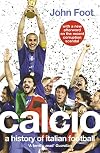
Review: Paperbacks: Non-fiction: Calcio: A History of Italian Football By John Foot (Harper Perennial, £8.99)
BYLINE: John Dugdale
SECTION: GUARDIAN REVIEW PAGES; Pg. 19
LENGTH: 185 words
Italy's first inter-city game was organised in 1898 by a London doctor, and the role of Brits in introducing the sport is still reflected today in links such as Juventus's black-and-white striped strip, which mimicked Notts County's. Throughout Foot's marvellous show more chronicle further parallels with the English game accumulate, ranging from a postwar air crash as devastating as Munich to a 60s playboy forward as revered as George Best. Yet the differences are more striking, and at times the book resembles a magic realist novel, full of deranged managers,bewitched players, tyrannical club presidents, bent refs and superstitious fans. Only in Italy would a political party - the Forza Italia of Silvio Berlusconi, AC Milan owner and former PM - take its name from a soccer chant, a national-team manager sprinkle holy water on pitches, or stars of a World Cup-winning team (as last year) be under investigation in a match-fixing scandal. The jacket's claim that Calcio should be read "by anyone interested in Italian football" is far too modest - it should be read by anyone interested in either football or Italy. show less
September 8, 2007 Saturday
Review: Paperbacks: Non-fiction: Calcio: A History of Italian Football By John Foot (Harper Perennial, £8.99)
BYLINE: John Dugdale
SECTION: GUARDIAN REVIEW PAGES; Pg. 19
LENGTH: 185 words
Italy's first inter-city game was organised in 1898 by a London doctor, and the role of Brits in introducing the sport is still reflected today in links such as Juventus's black-and-white striped strip, which mimicked Notts County's. Throughout Foot's marvellous show more chronicle further parallels with the English game accumulate, ranging from a postwar air crash as devastating as Munich to a 60s playboy forward as revered as George Best. Yet the differences are more striking, and at times the book resembles a magic realist novel, full of deranged managers,bewitched players, tyrannical club presidents, bent refs and superstitious fans. Only in Italy would a political party - the Forza Italia of Silvio Berlusconi, AC Milan owner and former PM - take its name from a soccer chant, a national-team manager sprinkle holy water on pitches, or stars of a World Cup-winning team (as last year) be under investigation in a match-fixing scandal. The jacket's claim that Calcio should be read "by anyone interested in Italian football" is far too modest - it should be read by anyone interested in either football or Italy. show less
Lists
Awards


You May Also Like


Associated Authors
Statistics
- Works
- 22
- Also by
- 1
- Members
- 486
- Popularity
- #50,827
- Rating
- 4.0
- Reviews
- 6
- ISBNs
- 53
- Languages
- 1