
Harold R. Johnson (1954–2022)
Author of Peace and Good Order: The Case for Indigenous Justice in Canada
About the Author
Works by Harold R. Johnson
Tagged
Common Knowledge
- Birthdate
- 1954
- Date of death
- 2022-02-09
- Gender
- male
- Occupations
- lawyer
Crown prosecutor
trapper
writer - Nationality
- Montreal Lake Cree Nation
Canada
Members
Reviews
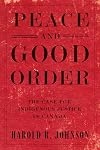
On August 9, 2016, Colten Boushie, a 22-year-old Cree man from the Red Pheasant First Nation in southern Saskatchewan, was shot by a 56-year-old white farmer. Boushie had spent the day swimming with four (Indigenous) friends. On the drive home, a tire on their vehicle received a puncture from a culvert. The group pulled over at a nearby farm. Two of Boushie’s friends got out of the vehicle to seek help. They ended up running instead. Gerald Stanley, the farmer, and his son apparently show more believed the young people were there to steal an all-terrain vehicle. Stanley grabbed a semi-automatic handgun from a shed and fired warning shots. There are conflicting reports about what happened next. One of the friends testified in court that Stanley intentionally shot Colten in the head. Stanley’s account differed: when he lunged at the young people’s vehicle to pull the keys from the ignition, the gun went off accidentally, he said. His bullet ended the life of Colten Boushie. The jury, made up of 12 whites, chose to believe the farmer. In February, 2018, he was found not guilty of killing the young Indigenous man. “Gerald Stanley,” writes Harold Johnson in the powerful introduction to his book, “used deadly force to protect his property, and the law decided that was okay.” It was not okay, and as Johnson’s book makes clear, things have not been okay for Indigenous people facing the Canadian justice system for some time.
Harold Johnson is a member of Montreal Lake Cree Nation. He’s also a writer, a graduate of Harvard Law School, and a retired Crown prosecutor, who spent a good part of his career working in “the high-crime communities of northern Saskatchewan.” His book, Peace and Good Order, is a response to Colten Boushie’s case and innumerable other examples of failed Canadian “justice”, some of which he holds himself accountable for. At the time of the decision in the Gerald Stanley trial, one of Johnson’s friends, a retired Caucasian provincial court judge, told him that the case shamefully drove home just “how stacked the system is against Indigenous Canadians.”
Johnson cites a number of telling statistics up front, a few of which I’m listing here:
• Although Indigenous people comprise only 4.3% of Canada’s population, they represent 28% of the total federal in-custody population.
• The Indigenous inmate population in Canada increased by 42.8% from March 2009 to March 2018.
• The province of Saskatchewan has the highest crime rate in Canada, and it incarcerates more youth per capita than any other province.
• In 2015-2016, Saskatchewan had a daily average of 1,812 people
in custody. Of those, 1,378 or 76% of them were Indigenous, yet Indigenous Peoples account for only 16.3% of Saskatchewan’s population overall.
• While the US has the highest incarceration rate in the world (with more than 700 of every 100,000 people in prison), the incarceration rate of the Indigenous population in Saskatchewan is higher than that of the US: about 786 out of every 100,000.
• According to a 2002 report from Canada’s Solicitor General, incarceration does not reduce crime. In fact, harsher penalties were found to increase the likelihood that offenders would commit crimes in the future.
Johnson looks at a number of factors behind the high rates of Indigenous crime and incarceration. As a defense lawyer and then a prosecutor he’s seen a lot. Almost all offences committed by Indigenous people are fuelled by trauma and by alcohol, he says. Regarding the latter, we’re not talking about compulsive drinkers—that is, alcoholics—but about basically good people who do terrible, stupid things when they drink. Johnson personally knows whereof he speaks. He has lost two brothers to drunk drivers.
Hillary Cook, an Indigenous man grieving the loss of his wife, drank himself almost into oblivion one night, got into his truck, and hit Johnson’s brother Garry, who was walking home after babysitting his grandchildren. At the driver’s trial, Johnson spoke powerfully about Garry’s life and contributions to family and community, but he argued that Hillary, a good man, not be incarcerated. Redemption—making amends and healing the wounds one has caused—is the Indigenous way of justice. If Hillary remained in the community, he could assist with the care of Brennan, a difficult-to-manage young man with fetal alcohol spectrum disorder, whom Garry had been looking after. Hillary could help teach the younger members of Garry’s family how to live off the land, and he could also care for his own vulnerable teenaged granddaughter who had been living with him since her friend had committed suicide. But no: the judge sentenced Hillary to three years in prison. During that time, Brennan also ended up in prison.
Johnson packs a great deal into his slim, thought-provoking book. I feel I really can’t do it justice. Particularly interesting to me were Johnson’s thoughts on historical treaties between First Nations and the Crown. Some Indigenous people and legal experts (including Johnson, who is both) find that Canadian common law, rooted in British common law, carries legal notions of private property that are incompatible with Indigenous legal traditions and understanding of the reciprocal relationship between humans and the land. The idea of owning the earth would have been incomprehensible to the First Nations’ signatories of these treaties. Pointing to the 1996 report of the Royal Commission on Aboriginal Peoples which recommended that federal, provincial, and territorial governments recognize the right of Aboriginal nations to establish and administer their own systems of justice, Johnson advocates for Indigenous people reclaiming jurisdiction. The dominant culture’s legal system is based not on rehabilitation and redemption, but deterrence. Statistics prove it doesn’t work: recidivism rates are extremely high. Johnson writes convincingly about the ways in which prisons have replaced residential schools. He shows how incarceration only breeds more incarceration. After months or years in prison, people are returned to their communities more broken and dysfunctional than they were when they left; they frequently reoffend. Reclamation of jurisdiction needs to happen soon, Johnson writes, as the increasing violence and hopelessness in Indigenous communities and the growing rates of incarceration are pointing to a terrible end: extermination. show less
Harold Johnson is a member of Montreal Lake Cree Nation. He’s also a writer, a graduate of Harvard Law School, and a retired Crown prosecutor, who spent a good part of his career working in “the high-crime communities of northern Saskatchewan.” His book, Peace and Good Order, is a response to Colten Boushie’s case and innumerable other examples of failed Canadian “justice”, some of which he holds himself accountable for. At the time of the decision in the Gerald Stanley trial, one of Johnson’s friends, a retired Caucasian provincial court judge, told him that the case shamefully drove home just “how stacked the system is against Indigenous Canadians.”
Johnson cites a number of telling statistics up front, a few of which I’m listing here:
• Although Indigenous people comprise only 4.3% of Canada’s population, they represent 28% of the total federal in-custody population.
• The Indigenous inmate population in Canada increased by 42.8% from March 2009 to March 2018.
• The province of Saskatchewan has the highest crime rate in Canada, and it incarcerates more youth per capita than any other province.
• In 2015-2016, Saskatchewan had a daily average of 1,812 people
in custody. Of those, 1,378 or 76% of them were Indigenous, yet Indigenous Peoples account for only 16.3% of Saskatchewan’s population overall.
• While the US has the highest incarceration rate in the world (with more than 700 of every 100,000 people in prison), the incarceration rate of the Indigenous population in Saskatchewan is higher than that of the US: about 786 out of every 100,000.
• According to a 2002 report from Canada’s Solicitor General, incarceration does not reduce crime. In fact, harsher penalties were found to increase the likelihood that offenders would commit crimes in the future.
Johnson looks at a number of factors behind the high rates of Indigenous crime and incarceration. As a defense lawyer and then a prosecutor he’s seen a lot. Almost all offences committed by Indigenous people are fuelled by trauma and by alcohol, he says. Regarding the latter, we’re not talking about compulsive drinkers—that is, alcoholics—but about basically good people who do terrible, stupid things when they drink. Johnson personally knows whereof he speaks. He has lost two brothers to drunk drivers.
Hillary Cook, an Indigenous man grieving the loss of his wife, drank himself almost into oblivion one night, got into his truck, and hit Johnson’s brother Garry, who was walking home after babysitting his grandchildren. At the driver’s trial, Johnson spoke powerfully about Garry’s life and contributions to family and community, but he argued that Hillary, a good man, not be incarcerated. Redemption—making amends and healing the wounds one has caused—is the Indigenous way of justice. If Hillary remained in the community, he could assist with the care of Brennan, a difficult-to-manage young man with fetal alcohol spectrum disorder, whom Garry had been looking after. Hillary could help teach the younger members of Garry’s family how to live off the land, and he could also care for his own vulnerable teenaged granddaughter who had been living with him since her friend had committed suicide. But no: the judge sentenced Hillary to three years in prison. During that time, Brennan also ended up in prison.
Johnson packs a great deal into his slim, thought-provoking book. I feel I really can’t do it justice. Particularly interesting to me were Johnson’s thoughts on historical treaties between First Nations and the Crown. Some Indigenous people and legal experts (including Johnson, who is both) find that Canadian common law, rooted in British common law, carries legal notions of private property that are incompatible with Indigenous legal traditions and understanding of the reciprocal relationship between humans and the land. The idea of owning the earth would have been incomprehensible to the First Nations’ signatories of these treaties. Pointing to the 1996 report of the Royal Commission on Aboriginal Peoples which recommended that federal, provincial, and territorial governments recognize the right of Aboriginal nations to establish and administer their own systems of justice, Johnson advocates for Indigenous people reclaiming jurisdiction. The dominant culture’s legal system is based not on rehabilitation and redemption, but deterrence. Statistics prove it doesn’t work: recidivism rates are extremely high. Johnson writes convincingly about the ways in which prisons have replaced residential schools. He shows how incarceration only breeds more incarceration. After months or years in prison, people are returned to their communities more broken and dysfunctional than they were when they left; they frequently reoffend. Reclamation of jurisdiction needs to happen soon, Johnson writes, as the increasing violence and hopelessness in Indigenous communities and the growing rates of incarceration are pointing to a terrible end: extermination. show less
A very frank book about the simple fact that the justice system, as it is, is not working in Canada. In the vast majority of cases, it isn't helping victims, it isn't rehabilitating perpetrators, and it isn't reducing crime. I was particularly shocked at reading the statistic that approximately 75% of Canadians drink at risky levels, and that most criminal cases that the author saw happened while under someone was drunk. An eye opening book.
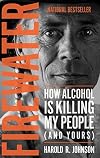
A member of northern Saskatchewan’s Woodland Cree, Harold Johnson has a Bachelor of Laws degree from the University of Saskatchewan and a Master of Laws degree from Harvard University. His is a cry from the heart of his despair at the histories of cases he has adjudicated as a judge in northern Saskatchewan. The majority of rapes, assaults, murders, vehicular homicides, drownings, deaths from exposure, hunting accidents, and medical incidents are caused by Indians drinking too much show more alcohol. Lest anyone think “Indian” is too rude a term to be used, Harold Johnson states there is no problem in using the term to describe both himself and the people who appear before him in court. Johnson tells these stories as parables from figures in his own Indian mythology. Could a white writer have said such things? No, for they would be instantly labelled as racist, or a cultural expropriator. Johnson describes the insurmountable obstacles placed before efforts to remove alcohol from within the reach of Indian communities; how all participants in the court system have circumvented through the Chart of Rights and Freedoms, the expressly stated words in treaties that kept alcohol from reserves. Indian people must come up with a solution to the problem of alcohol on reserves for any solution proposed by whites would never be accepted. Perhaps this small book will be a step in that direction. show less
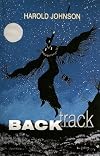
I've never been to Lac La Ronge but reading this book, which is set in and around Lac la Ronge, makes me think it would be lovely to visit. I have been to Thompson in northern Manitoba which is at around the same latitude and once you get out of the city the bush surrounds you. The water in the lakes and rivers is pure and cold and the air is also pure (and quite often cold).
Four Cree brothers were separated by the child welfare authorities after their father killed their mother. Jimmy was show more the oldest child and he remembers the most about their way of life when the family was together. Jimmy is now a trapper, a lifestyle he likes because it takes him away from civilization for long periods of time. Charles lives in La Ronge but he has become an alcoholic. Edward works as a miner in a remote location but flies back to either Prince Albert or La Ronge every other week. Henry is a Legal Aid lawyer. Jimmy and Henry both have girlfriends but Charles' wife has left him and Edward is divorced. One gets the feeling that none of these brothers is easy to love. Despite their youthful separation the four men do care for each other and are happy to see each other when their paths cross.
When Jimmy is bit by an animal on his trapline he doesn't think too much about it but that bite puts into motion a series of events that leads to the death of many people. Jimmy's girlfriend thinks he contracted rabies from the animal but the elders believe that a wetiko has come back to earth and is trying to turn Jimmy into one. Wetikos are malignant spirits and the only way of stopping one is to shoot the person through the heart. In his lucid times Jimmy doesn't want to become a wetiko but he doesn't know how to get away from his fate. Will his brothers help him?
There's a lot to grasp in this litle book. My brain had trouble keeping all the minor characters straight. I also found that the shifts between characters was somewhat abrupt but I think that was a deliberate choice for the author. It added to the suspense that was being built up as the RCMP close in on Jimmy. I found a few grammatical mistakes and a couple of times when the plot seemed to skip but those are minor cavils. All in all a wonderful read and a new writer to seek out. show less
Four Cree brothers were separated by the child welfare authorities after their father killed their mother. Jimmy was show more the oldest child and he remembers the most about their way of life when the family was together. Jimmy is now a trapper, a lifestyle he likes because it takes him away from civilization for long periods of time. Charles lives in La Ronge but he has become an alcoholic. Edward works as a miner in a remote location but flies back to either Prince Albert or La Ronge every other week. Henry is a Legal Aid lawyer. Jimmy and Henry both have girlfriends but Charles' wife has left him and Edward is divorced. One gets the feeling that none of these brothers is easy to love. Despite their youthful separation the four men do care for each other and are happy to see each other when their paths cross.
When Jimmy is bit by an animal on his trapline he doesn't think too much about it but that bite puts into motion a series of events that leads to the death of many people. Jimmy's girlfriend thinks he contracted rabies from the animal but the elders believe that a wetiko has come back to earth and is trying to turn Jimmy into one. Wetikos are malignant spirits and the only way of stopping one is to shoot the person through the heart. In his lucid times Jimmy doesn't want to become a wetiko but he doesn't know how to get away from his fate. Will his brothers help him?
There's a lot to grasp in this litle book. My brain had trouble keeping all the minor characters straight. I also found that the shifts between characters was somewhat abrupt but I think that was a deliberate choice for the author. It added to the suspense that was being built up as the RCMP close in on Jimmy. I found a few grammatical mistakes and a couple of times when the plot seemed to skip but those are minor cavils. All in all a wonderful read and a new writer to seek out. show less
Lists
Awards


You May Also Like


Statistics
- Works
- 12
- Members
- 249
- Popularity
- #91,697
- Rating
- 3.6
- Reviews
- 9
- ISBNs
- 34
- Languages
- 1